
Hymer Yellowstone UK buying guide: is this affordable Fiat-based Hymer a smart buy?

Written by
Arthur
Arthur writes buying guides, comparisons, and in-depth explainers to help readers choose the right campervan or motorhome with confidence.
The short answer
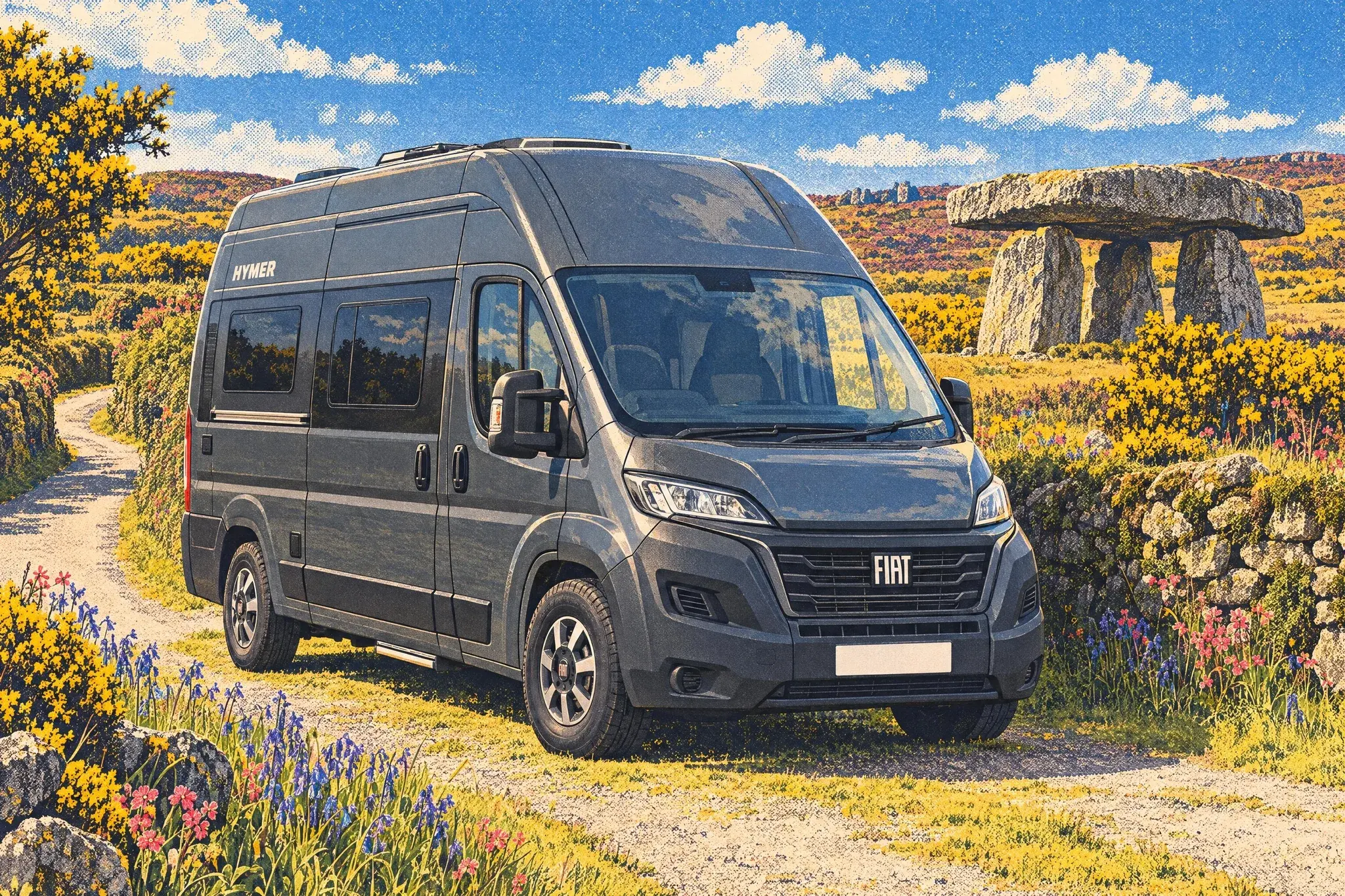
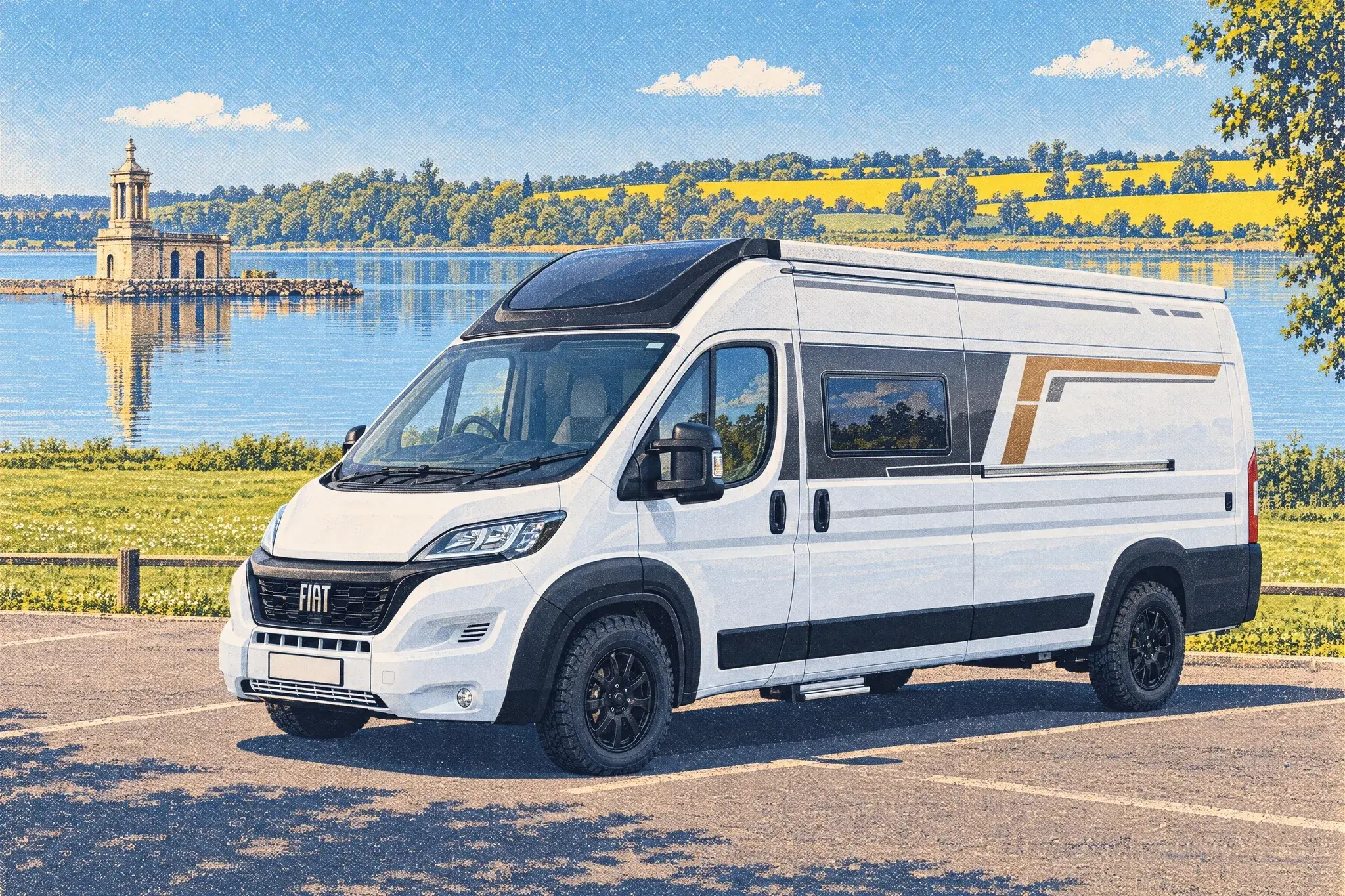
The Hymer Yellowstone is a 6.36-metre, two-berth panel van camper built on a Fiat Ducato base, and at around £71,500 it is the cheapest way to buy a new Hymer in the UK. You get a transverse rear bed, swivel-seat lounge, kitchen and washroom with Hymer build quality, but expect options to push a realistic on-the-road price higher, and check payload carefully if you want to stay under 3,500kg.

A Hymer badge has always cost a bit more, and for plenty of UK buyers that has meant admiring the brand from a distance and buying something else. The Yellowstone changes the sums. It is one of the most affordable routes into a new Hymer camper van: a Fiat Ducato-based van of around 6.36 metres, with UK pricing in the region of £70k. List prices move, so check current figures with an official Hymer dealer. The real questions are whether a more affordable Hymer still feels like a Hymer, and whether this layout suits the way British owners actually travel. This guide covers the van, the money, the weight and licence realities, and the checks worth doing before you sign anything.
What the Yellowstone actually is
Strip away the badge and the Yellowstone is a familiar recipe: a high-roof panel van conversion built on a Fiat Ducato base. Hymer lists it among its Fiat camper vans, UK dealer listings confirm the Ducato base, and a walkaround video of the van puts its length at 636cm. Hymer describes its Fiat camper vans as a flexible all-rounder and a concept for two people, with an open visual axis. In plain English, you can see straight through from the cab to the back doors.
The layout is the one most people picture when they think of a six-metre camper. You get swivelling cab seats facing a table, a kitchen block along one side, a compact washroom opposite, and a fixed transverse double bed across the rear with storage beneath it. A UK dealer spec sheet lists a Yellowstone 601 with a wheelbase of 4,035mm, the long-wheelbase Ducato platform that many campers of this length use.
One thing worth knowing before you browse the classifieds: the Yellowstone name is not new. Hymer has used it on earlier Fiat-based camper vans, and older examples with 2.8-litre JTD engines and very high mileages still turn up for sale. Those are a different vehicle entirely. If you are pricing up the current van, make sure the listing you compare against is the current model.
What the entry price buys, and what it does not
The headline price is the starting point, not a typical transaction price. That is normal for European camper vans and it is not a trick, but it does need understanding.
What is usually in the base price
- The van itself, the conversion, and the standard engine and gearbox.
- The fixed furniture: lounge, kitchen, washroom, transverse bed and overhead lockers.
- Hymer's standard heating, hot water and 12-volt electrical system. A Truma Combi unit is common in camper vans of this type, but check the UK specification for exactly which heater is fitted and whether it runs on gas or diesel, because that changes how you live with the van.
- Fresh and waste water tanks, a fridge, a hob, and the usual habitation safety kit.
What usually costs extra
- The more powerful engine. Hymer's own configurator notes that heavier engine variants such as the 180hp unit add to the tare weight, and they typically add to the price too.
- An automatic gearbox, which many UK buyers now want and which is rarely included at the entry price on vans in this class.
- Comfort and appearance packs: alloy wheels, air conditioning upgrades, body colour options, awning, bike rack, solar panel, additional leisure battery and a towbar.
- Extras many UK owners add, such as a reversing camera and a tracker. Ask the dealer what the UK importer includes as standard, as this can vary.
A sensible expectation is that a Yellowstone specified the way most British owners would want it will cost noticeably more than the entry figure, often by several thousand pounds once the gearbox, awning and power options are ticked. Before deciding, compare it against Hymer's other Fiat-based camper vans, such as the Free models, so you know where the Yellowstone sits in the line-up on price and equipment. Go in knowing the number you will probably pay rather than the number in the advert.
The honest way to read a camper van price list is to add the automatic gearbox, the awning and the solar panel before you compare anything. Almost everyone ends up with those three.
The layout, lived in
A transverse rear bed is the single most important design decision in a six-metre camper, so it deserves proper scrutiny.
The bed
Because the bed runs across the van rather than along it, its length is set by the width of the body, not by what the designer would like. In practice that means a bed that suits most people comfortably but can feel tight for anyone very tall, especially if the mattress is shaped to clear the body sides. The upside is a wide double you never have to make up, and a large storage garage underneath with access from the rear doors. Before you buy, lie on it. Both of you. Shoes off, pillows where they would really be. Ten minutes on a forecourt bed tells you more than any brochure measurement.
The lounge
Swivel cab seats turn round to face the table, giving you a spot to eat and two comfortable armchairs for the evening. Check the UK specification for the exact number of belted travel seats. It matters if you ever want to carry extra passengers on a day trip, even though the van is designed to sleep two. The open sightline from the cab to the rear makes the interior feel bigger than its footprint, which is exactly why Hymer keeps talking about that visual axis.
The kitchen and washroom
The kitchen is a compact galley with a hob, sink, fridge and a sensible amount of drawer space for a two-person van. Check the UK specification for the fridge type, as a compressor fridge and a gas absorption fridge behave very differently off grid. It is a place to cook a proper dinner, not to host a dinner party. The washroom is the usual compact wet room with a cassette toilet, a basin and a shower. It is entirely usable, and like every six-metre camper washroom it rewards a tidy approach and a decent shower curtain routine.
Weight, licence and payload: the UK bit that matters most
This is where UK buyers need to pay closest attention, and it is where Hymer's own configurator is refreshingly blunt.
Most camper vans of this size are sold with a maximum authorised mass of 3,500kg so that holders of a standard category B car licence can drive them. The empty weight of a well-equipped panel van conversion already takes up a large chunk of that, and every option you tick eats into what is left for people, water, food, bikes and gear. Hymer's configurator explicitly warns that the increased tare weight of alternative chassis and any heavier engine variants, such as the 180hp engine, must be deducted from your available payload.
What that means for you:
- Ask the dealer for the mass in running order of the exact van you are buying, with the exact options fitted, not the brochure figure for a base van.
- Subtract that from 3,500kg. If the result is under about 400kg, think carefully about how you tour. Two adults, full water, a full gas locker, two e-bikes and a week of food can get there faster than you expect.
- If the payload looks tight, ask whether a chassis upgrade to a higher plated weight is available. This gives you breathing room, but if it takes the van over 3,500kg you will need category C1 on your licence. Drivers who passed their car test before 1 January 1997 usually have C1 already. Drivers who passed after that date do not, and would need to take a separate test.
- Once you own the van, take it to a weighbridge loaded for a real trip. It costs very little and removes all the guesswork.
None of this is a criticism of the Yellowstone. It applies to every camper in this class. But because a Hymer tends to be specified generously, it is a van where the arithmetic really matters.
Running costs in the UK
Buying the van is one number. Living with it is another. Here is a realistic picture for a Yellowstone kept and used in Britain.
Fuel
As a rough guide, a modern Ducato-based camper in mixed real-world use tends to return somewhere around the high twenties to low thirties in miles per gallon. Motorway speeds, headwinds and a loaded garage pull it down, while relaxed A-road touring pushes it up. A more powerful engine does not always hurt economy much, but it adds to the price and the weight.
Vehicle tax
A motorhome plated at 3,500kg or under is normally taxed in the Private/Light Goods class, which is a flat annual rate of a few hundred pounds. If a chassis upgrade takes the van above 3,500kg it moves into the private heavy goods class, which is currently cheaper per year. It is one of the few places where going heavier saves money, though the licence point above still applies. Check the current rates on GOV.UK, as they change each April.
Insurance
A new Hymer sits at the higher end of camper van values, so insurers will often want it kept somewhere secure overnight and may ask for an approved tracker and an alarm or immobiliser. Get quotes before you commit, expect to pay more if you are a newer driver or live in an urban area, and always declare the true value including options.
Servicing and habitation checks
You are effectively maintaining two things: a Fiat van and a Hymer living space. The base vehicle can be serviced at a Fiat Professional dealer or a competent independent, though check the warranty terms first. The habitation side typically needs an annual check to keep the conversion warranty valid, covering gas, electrics and damp. Budget for both every year, and keep every receipt, because a stamped history is what protects the resale value you are paying a premium for.
Clean air zones and low emission zones
A new Yellowstone uses a current Euro 6 diesel engine, which means it should meet the emissions standard for London's ULEZ and the UK's other clean air zones at the time of writing. Always check the specific vehicle and the specific zone before you travel, because the rules are set locally and can change.
What the Hymer badge actually pays for
It is fair to ask why you would pay a premium for a Yellowstone over a similarly sized van from a less storied name. The honest answer is a mix of things, some you can measure and some you cannot.
- Build consistency. Hymer has been building caravans since the 1950s and motorhomes since the early 1970s, and the furniture, hinges, catches and sealing on its vans tend to feel precise and stay that way.
- Resale value. Used Hymers generally hold their value well in the UK, which softens the real cost of ownership even if the sticker price is higher. Over several years of ownership, that can narrow the gap considerably.
- Design maturity. The Yellowstone's layout is not adventurous, but it is a well-proven format that Hymer knows inside out, so the small details, such as where lights fall, how the table stows and how the bed ventilates, tend to be right.
- Dealer support. The UK Hymer network is smaller than a mass-market brand's, but it is established and used to handling warranty work properly.
What the badge does not buy you is a bigger van, more payload or a free pass on the compromises that every six-metre camper carries. The washroom is still small. The kitchen is still compact. You still cannot comfortably get dressed at the foot of the bed if someone is in the kitchen. The Yellowstone is a well-made example of a type, not an exception to it.
Where it may frustrate you
No van is right for everyone. These are the points most likely to grate, so you can decide in advance whether they matter.
- It is a two-person van. Hymer itself pitches its Fiat camper vans as a concept for two. If you regularly carry children or friends overnight, this is not the layout, and no option fixes it. Check the UK specification for how many belted seats are fitted for daytime travel.
- The transverse bed divides opinion. Some owners love the width and the garage underneath. Others find the climbing-over routine wears thin on a cold night. There is no substitute for trying it.
- Length and height on UK roads. At around 6.36 metres long and well over two and a half metres tall with roof fittings, it fits most campsite pitches and many supermarket car parks, but not every height barrier and not every old village lane. It is a step up in bulk from a compact camper, and you will feel it on narrow Cornish or Highland roads.
- The options list adds up. Covered above, but worth repeating: the entry-price van and the van most people actually order are different sums.
- Payload at 3,500kg. The one true limitation of this class, and one you can only manage, not remove.
Checks before you sign
A short, practical list. Work through it on the forecourt and you will avoid most of the regret stories you read on forums.
- Get the weight in writing. Mass in running order for your exact specification, and the plated maximum. Do the payload sum there and then.
- Confirm your licence category. Look at the back of your photocard. If you want a chassis upgrade above 3,500kg, make sure you can legally drive it.
- Lie on the bed. Both occupants, full length, and check how it feels to get in and out from the kitchen side.
- Check the UK spec sheet line by line. Heater type and fuel, fridge type, number of belted seats and battery capacity. Do not assume any of them from photos of a European show van.
- Understand the warranty split. Which parts are covered by the base vehicle warranty, which by Hymer, and what the annual habitation check must include to keep it valid.
- Price the whole van. Ask for a single on-the-road figure including every option, delivery, registration and first-year tax, not a base price plus a list.
- Compare across the range. Look at Hymer's other Fiat-based camper vans, including the Free models, so you know you are buying the right Hymer, not just the first one you saw.
- Check delivery timing. Factory-built European camper vans can carry lead times. If you are selling an existing van to fund this one, align the dates.
- Look at the used market. Nearly new Yellowstones and current-generation Hymer camper vans appear from time to time. Knowing what a two-year-old example costs tells you a great deal about what your new one will be worth.
The bottom line
The Hymer Yellowstone does what its price point promises. It gives UK buyers one of the most affordable routes into a new Hymer camper van, from around £70k depending on current dealer pricing, without obviously cutting corners on the parts that make a Hymer feel like one. The layout is conventional, proven and very comfortable for two people who tour together and value a fixed bed and a big garage.
It is not a bargain in the sense of being cheap. It is a well-built, sensibly designed camper that opens the door to a brand many people have wanted for years. If the transverse bed suits you, the payload sum works for the way you travel, and you go in expecting to spend more than the headline to get the specification you really want, it is a very easy van to recommend. If you need to sleep more than two, or you live on steep single-track roads, the same money is probably better spent on a different shape of van altogether.
Common questions
How much does the Hymer Yellowstone cost in the UK?
The Hymer Yellowstone starts from around £71,500 in the UK, which makes it the cheapest new Hymer camper van available. Once you add common options such as an automatic gearbox, awning and solar panel, a realistic on-the-road price is usually higher, so ask for a single all-in figure.
What base vehicle is the Hymer Yellowstone built on?
According to Hymer's own vehicle pages and UK dealer listings, the current Yellowstone is built on a Fiat Ducato base. It is roughly 6.36 metres long, and the UK-listed Yellowstone 601 uses a 4,035mm wheelbase.
Can I drive a Hymer Yellowstone on a standard car licence?
Yes, provided the van is plated at 3,500kg or under, which is the standard specification. If you choose a chassis upgrade that raises the maximum weight above 3,500kg, you will need category C1 on your licence, which most drivers who passed their test after 1 January 1997 do not have automatically.
How many people does the Hymer Yellowstone sleep?
The Yellowstone is designed as a two-berth camper van with a fixed transverse double bed across the rear. It has belted travel seats for passengers behind the cab, but it is not intended to sleep more than two.
Is the Hymer Yellowstone ULEZ and clean air zone compliant?
A current Yellowstone uses a Euro 6 diesel engine, which meets the standard for London's ULEZ and the UK's other clean air zones at the time of writing. Always check the specific vehicle and the specific zone before travelling, as local rules can change.
What should I check about payload before buying a Yellowstone?
Ask the dealer for the mass in running order of your exact specification and subtract it from the plated maximum. Hymer's own configurator notes that heavier engine options such as the 180hp unit reduce available payload, so a well-specified van can leave less room for people, water and gear than you expect.
The reachable bit
The camper you fall for is rarely the one you can afford. That gap is the whole reason Campervan.win exists. Right now we’re giving away the Sunlight Vanlife, worth around £65,000, and closing that gap is the point: capped entries so the odds stay honest, £10 a ticket, a maximum of five per person, £500 to a UK charity from every full draw, the winner picked by a public randomness beacon anyone can re-check, and one person driving away in the van itself.

Enjoyed this post?
Get more honest campervan guides like this one in your inbox.
You’re in!
Check your inbox. We’ve just sent you a welcome email.

About the author
Arthur
Arthur writes buying guides, comparisons, and in-depth explainers to help readers choose the right campervan or motorhome with confidence.
Keep Reading
Related Reading
Thoughtful articles that build on what you’ve just read.
Campervan Buying Guides
10 min read
Swift Merlin 2027: nine layouts from £64,190 and how to pick the right one
Swift's all-new Merlin campervan arrives for 2027 with nine layouts on the Fiat Ducato panel van. We sort them into four families, work the payload sum on a four-seat version, and explain what the roof, the automatic and the prices mean for your choice.
Campervan Buying Guides
11 min read
Bailey Endeavour B68: the end-lounge Transit campervan where the pop-top costs 143 kg
Bailey's new Endeavour B68 puts a rear lounge in a 5.98 m Ford Transit campervan. We compare it with the B65 and B62, check the 1.86 m bed, and do the payload sums if you add the £7,500 pop-top.
Campervan Buying Guides
12 min read
New campervans under £60,000 for 2027: what the NEC shows and what the price leaves out
A fair look at the new 2027 campervans listed under £60,000 ahead of the Motorhome and Caravan Show at the NEC, with each price given as its maker words it, and the differences between ex-works, delivered and German-retail-based figures explained so you can compare real on-the-road totals.
Campervan Buying Guides
14 min read
Eura Mobil Vancona 2027: a €57,400 campervan with just 84 to 118 kg left for options
Eura Mobil's new Vancona is a well-equipped Fiat Ducato campervan from €57,400, but its 84 to 118 kg options allowance means you need to order it with the weight sheet open. We explain what the figure means, what the 4.25 t uprate costs you in licence terms, and which options to prioritise.