
Swift Carrera goes gas-free for 2027: 340Ah lithium, diesel heat and induction cooking

Written by
Leo
Leo covers campervan technology, maintenance, kit, and ownership advice, with a clear, practical focus on how things work in real life.
The short answer
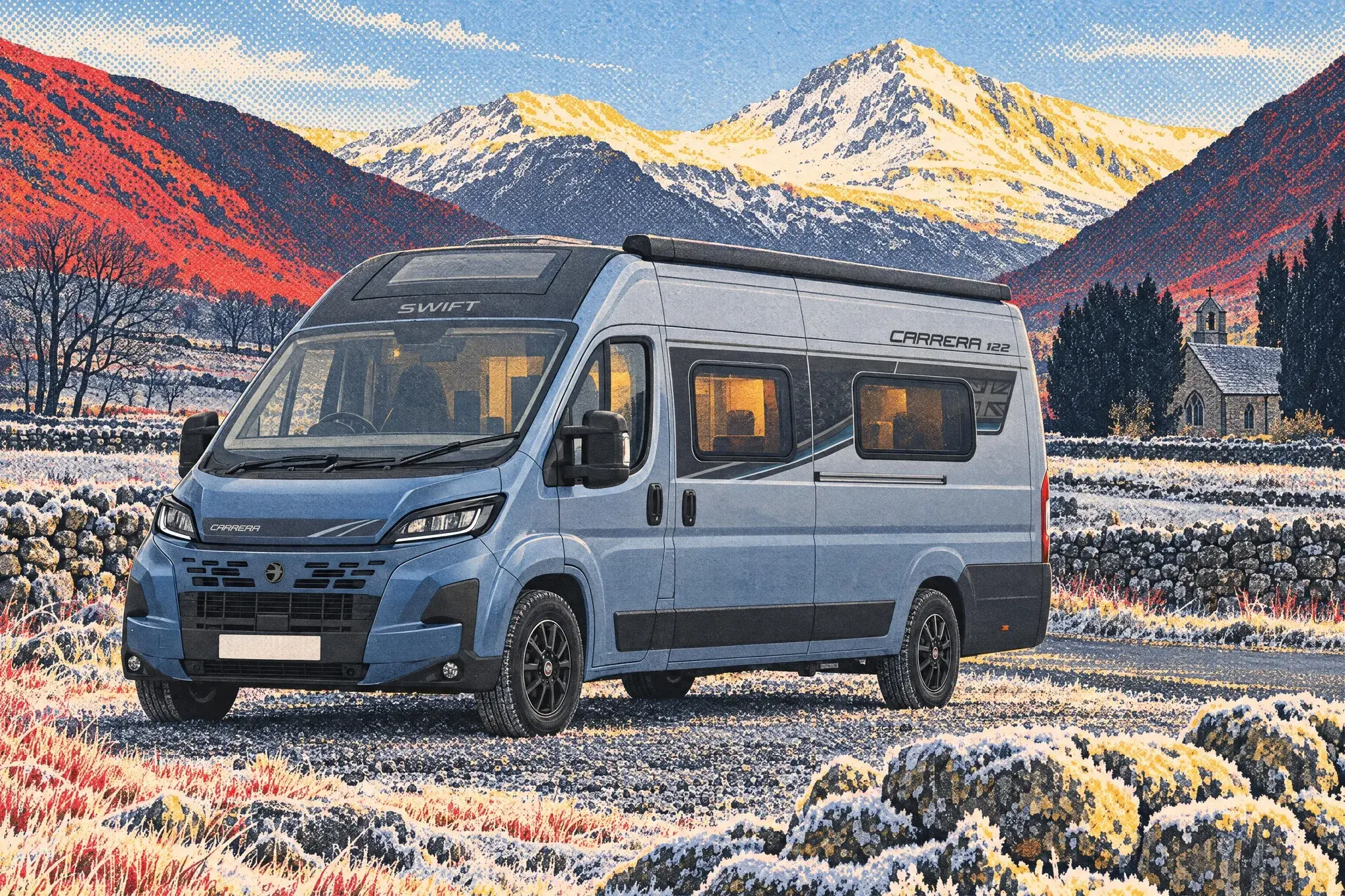
For 2027 the Swift Carrera campervan has no gas system. It runs a Roamer 340Ah lithium battery, a 3kW inverter, 240W of solar and Truma 6kW diesel combi heating, with an induction hob and air fryer in the kitchen. Prices run from £77,790 to £85,740 on the road, about £13,000 more than the entry-level Merlin on the same Fiat Ducato base.

The 2027 Swift Carrera has no gas bottle. None. Heating comes from the diesel tank, cooking comes from a battery, and the locker where the cylinders used to live is free for something else. Practical Motorhome reports that the Carrera goes gas-free for 2027 and that Swift drops the Monza at the same time. Gas-free sounds simple, and in July it is. The question that matters is what it looks like in February.
What has changed on the Carrera
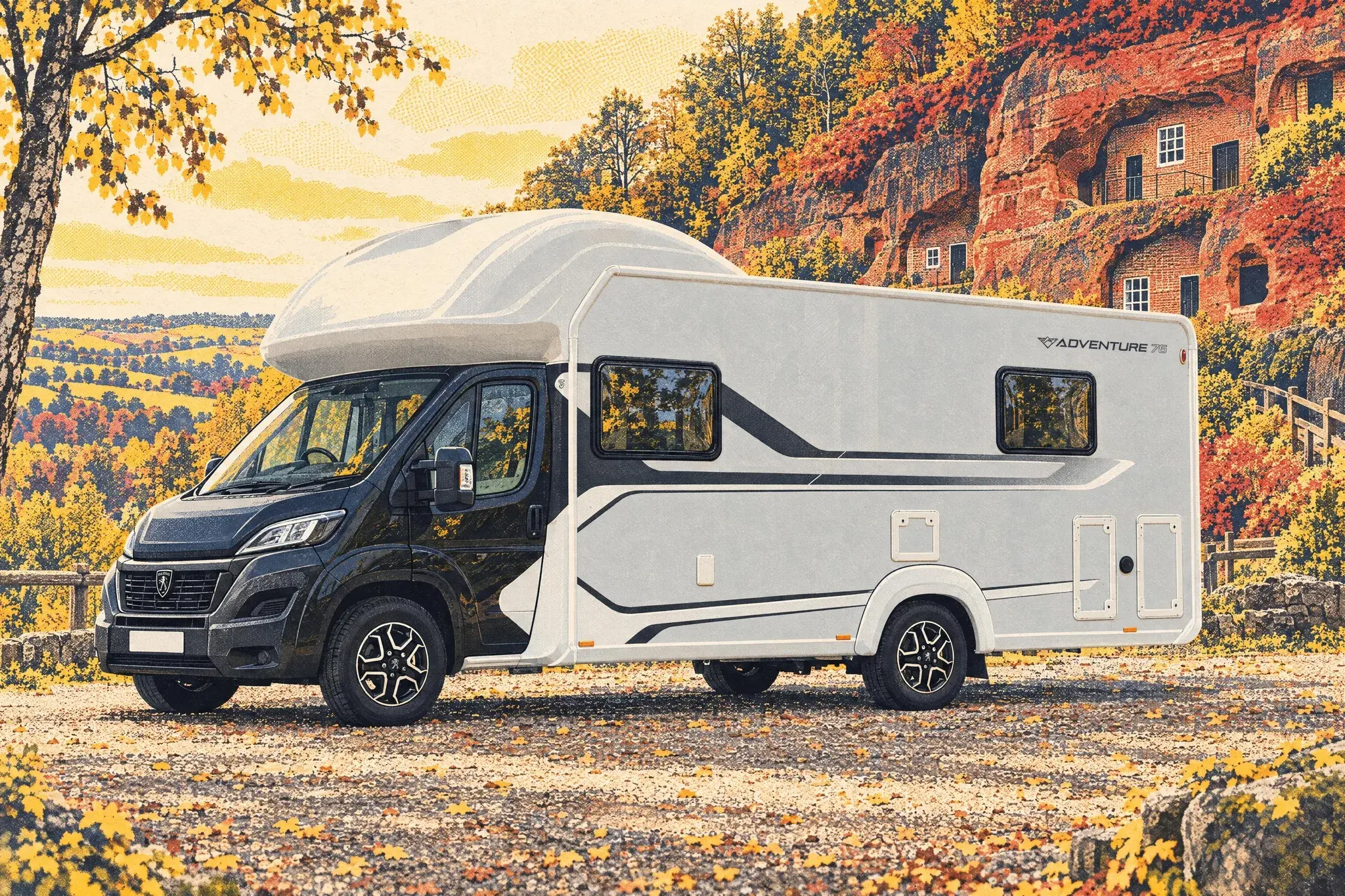
Swift says the biggest update across its whole 2027 campervan and motorhome line-up is the move from lead-acid to lithium leisure batteries, with more usable energy off grid, weight savings for payload and fuel economy, and faster charging. The Carrera takes that furthest. Swift describes it as fully off-grid compatible, with the traditional gas system replaced by lithium batteries and diesel heating, and a redesigned kitchen that brings in an induction hob and an air fryer. The six existing layouts return, the 122 gains a U-shaped rear lounge, and the outside gets a monochrome scheme with an optional deep metallic blue paint finish.
Swift's own specification, checked on 10 October 2026, lists:
- Six models from £77,790 to £85,740 on the road. The 122 starts at £77,790 and the 244 at £85,740, and the elevating roof is on the 244 only.
- A Fiat Ducato 140bhp 2.2 base. A six-speed manual is standard and an eight-speed automatic is optional.
- A Roamer 340Ah LiFePO4 lithium battery and a 3kW inverter.
- Two 120W solar panels, or one 240W panel on the 244. Either way, 240W on the roof.
- Truma 6kW diesel combi heating.
- An induction hob and an air fryer.
Roamer, the battery maker, says the Carrera range runs on a 340Ah Roamer and has dropped gas completely. Swift lists every Carrera in the B licence category, and a Wandahome listing for the 244 automatic shows a 3,500kg MTPLM, so a standard category B car licence covers it, including one gained on or after 1 January 1997. The layouts are the 122 (two seats, two berths, rear U-shaped lounge), 132 (long rear parallel lounge), 144 (front dinette, rear lounge, two berths), 184 (the same with four berths), 194 (rear locker space to a double bed conversion) and 244 (rear lounge plus pop top, four berths). Every model has a mid washroom.
Where the power comes from
In a gas van, three jobs run on bottles: the hob, the heating and the water heating, and often a three-way fridge too. Take the gas away and all of those jobs move to electricity or diesel. The Carrera splits them neatly. Space heating and hot water go to the Truma diesel combi, which burns fuel from the vehicle's own tank. Cooking and everything else go to the battery, through the inverter.
Three numbers describe the electrical side, and they do different jobs:
- 340Ah is how much the battery stores. Think of it as the size of the tank.
- 3kW is the inverter's ceiling, the most the hob, the air fryer and anything else on the mains sockets can draw at the same moment. Think of it as the width of the pipe.
- 240W is the solar, the trickle that refills the tank when the sun is out.
Amp-hours alone do not tell you energy. You need the system voltage as well, and multiply the two. Ask on the stand for the Carrera's system voltage and kilowatt-hour figure. As an illustration of the sum only, a 12-volt system (the usual campervan arrangement, so confirm the Carrera's when you ask) would make 340Ah about 4,080 watt-hours. Lithium also gives up much more of its rated capacity than lead-acid before it needs recharging, which is one reason Swift made the switch across the range.
Cooking on a battery: the sum to do
An induction hob draws a lot of power while it is on, but it is on for a short time. That is the whole trick. Boiling a pan and frying an egg is minutes, not hours, so the energy taken from the battery for a meal is a small slice of the total, even though the moment-by-moment draw is high. The air fryer works the same way: high draw, short run. The 3kW inverter is what sets the limit on running both at once, so ask whether the hob has a lower power setting for use off grid.
On the stand, ask for two things: the usable watt-hours of the battery and the rated draw of the hob and the air fryer. Divide the first by the second and you have the number of hours of flat-out cooking a full battery gives you. Then halve it to be sensible, because the fridge, the lights, the water pump and the heater's fan are all drawing at the same time.
Cooking is bursts. Heating is hours. That is why Swift put the heating on diesel and only the cooking on the battery.
Heating from the diesel tank
The Truma 6kW diesel combi is the part that makes the gas-free idea work in Britain. A heater runs for hours on a cold night, not minutes, so it would be a poor fit for a battery on its own. Drawing from the vehicle's fuel tank means no bottles to lift, no adaptor hunt in France, no wondering whether the cylinder will last until Sunday, and no gas locker eating into storage. You refuel at the pump and the heating is refuelled with it.
Two practical notes. First, a diesel heater still needs electricity for its fan, pump and controls, so it is not independent of the battery, just much lighter on it than an electric heater would be. Second, keep the tank reasonably full in winter. You are now relying on it for warmth as well as for driving, and nobody wants to find both running low at the same time on a January evening.
A real UK year, season by season
Spring and summer
Long days and 240W on the roof. Solar will put a meaningful amount back each day, the heater barely runs, and a couple of nights off grid between hook-ups is where the 340Ah battery earns its price. This is the Carrera at its best: park up, cook on induction, run the air fryer, and let the roof do the refilling. The 244's single 240W panel and the other models' two 120W panels give the same total, so there is no solar penalty for choosing the pop top.
Autumn and winter
Here the picture changes, and it is better to know it now than discover it in a lay-by. UK days in December are short and the sun is low, so 240W of panel produces only a fraction of its summer output. At the same time the heater is running for hours, its fan is drawing from the battery, and the fridge and lights are on more because you are inside more. The battery is doing more work and getting less back.
So in winter the Carrera becomes a hook-up van, or a van that moves most days so the engine can charge the battery. On a site with electric hook-up that is no hardship: the hob and air fryer run from the mains supply and the battery recharges overnight. Off grid in January, with no driving, you would plan cooking the way you would plan water: carefully, and with an eye on the gauge. None of that is a flaw in the design. It is physics, and it applies to any battery-cooking van. The difference with the Carrera is that the heating is not part of the problem, because it comes from the diesel tank.
Carrera or Merlin: who should spend the extra
Swift's all-new entry-level Merlin is built on the Fiat Ducato panel van too, with nine layouts, five two-berth models and four pop-top variants that sleep four. Swift's Merlin page shows prices from £64,190 to £72,690 on the road, with Whale 6kW heating, a 100Ah lithium battery and 110W of solar.
Put the two ranges side by side and the gap is clear. Carrera starts £13,600 above Merlin (£77,790 against £64,190) and tops out £13,050 above it (£85,740 against £72,690). For that, the Carrera has 3.4 times the battery capacity (340Ah against 100Ah), more than twice the solar (240W against 110W), a 3kW inverter, an induction hob, an air fryer and Truma diesel heating. It also has the gas-free layout, with the room that frees up. Ask on the stand how the Merlin's kitchen and heating are powered.
Choose the Carrera if
- You tour off grid for more than a night at a time, especially between April and September, and want to cook properly without rationing the battery.
- You never want to lift, swap or source a gas cylinder again, in the UK or abroad.
- You want the heating fed from the fuel pump and the kitchen fed from the roof.
Choose the Merlin if
- Most of your nights are on hook-up, where a 100Ah lithium battery is plenty.
- You want a layout the Carrera does not offer. Swift lists the Merlin 164 and 264 with a transverse double over a garage, which no Carrera layout matches.
- The £13,000 or so is better spent on a year of touring than on a bigger battery.
What to ask on the stand
Swift is in Hall 6, stand 6.33 at the Motorhome and Caravan Show at the NEC from 13 to 18 October 2026. Ask:
- What happens to cooking when the battery is low and there is no hook-up? Does the system cut the inverter at a set state of charge, does the hob simply stop, and is there a warning before it does? In a gas van an empty bottle means swapping to the spare; in a gas-free van you need to know what the fallback is.
- What is the system voltage and the usable watt-hours? Without them, 340Ah is a tank with no scale on it.
- What is the rated draw of the hob and the air fryer? That gives you the cooking-hours sum above.
- How fast does the engine recharge the battery on the move? In winter this matters more than the solar.
- What are the mass in running order and the payload? Swift says lithium saves weight across the range, and a Wandahome listing shows 3,500kg MTPLM on the 244 automatic, so ask what that leaves for four people and their kit.
- Is the eight-speed automatic available on every layout, and what does it add? It is listed as an option, so confirm the price on the order form.
The bottom line
The gas-free Carrera is a well-judged split rather than a leap of faith: the long, slow job of keeping warm goes to the diesel tank, the short, sharp job of cooking goes to a big lithium battery, and the roof refills it when it can. From April to September that adds up to a van that can sit off grid and cook without a bottle in sight. In winter the solar fades, the heater's fan and the fridge keep drawing, and the Carrera becomes a hook-up or drive-every-day van, which is true of any battery kitchen and worth knowing before you sign. At roughly £13,000 over the Merlin on the same base, it makes sense for people who spend real nights away from a socket and want to be done with gas for good. If your touring is mostly campsites with a hook-up post, the Merlin's smaller battery will not hold you back, and the saving is a lot of pitch fees.
Common questions
Does the 2027 Swift Carrera have any gas at all?
No. Swift describes the 2027 Carrera as replacing its traditional gas system with lithium batteries and diesel heating, with an induction hob and air fryer for cooking, and Roamer says the range has dropped gas completely.
How is the Swift Carrera heated without gas?
Swift fits a Truma 6kW diesel combi heater that draws fuel from the vehicle's own tank, so there are no bottles to swap. It still needs battery power for its fan and controls, so keep both the tank and the battery in mind on cold nights.
How much does the 2027 Swift Carrera cost?
Swift's own price list shows six models from £77,790 to £85,740 on the road. The 122 starts at £77,790 and the 244, the only model with the elevating roof, at £85,740.
Can I drive the Swift Carrera on a normal car licence?
Swift lists every Carrera model in the B licence category, and a dealer listing for the 244 automatic shows a 3,500kg MTPLM, so a standard category B licence covers it. Check the plated weight on the specific van you buy.
Is the Swift Carrera worth the extra over the Swift Merlin?
The Carrera starts £13,600 above the Merlin and tops out £13,050 above it. For that you get 340Ah of lithium instead of 100Ah, 240W of solar instead of 110W, a 3kW inverter, induction cooking, an air fryer and diesel heating, so it suits people who tour off grid rather than mainly on hook-up.
What happens to cooking in the Carrera if the battery runs low off grid?
This is the question to ask on the stand: whether the inverter cuts out, at what level, and whether you get a warning first.
The reachable bit
The camper you fall for is rarely the one you can afford. That gap is the whole reason Campervan.win exists. Right now we’re giving away the Sunlight Vanlife, worth around £65,000, and closing that gap is the point: capped entries so the odds stay honest, £10 a ticket, a maximum of five per person, £500 to a UK charity from every full draw, the winner picked by a public randomness beacon anyone can re-check, and one person driving away in the van itself.

Enjoyed this post?
Get more honest campervan guides like this one in your inbox.
You’re in!
Check your inbox. We’ve just sent you a welcome email.

About the author
Leo
Leo covers campervan technology, maintenance, kit, and ownership advice, with a clear, practical focus on how things work in real life.
Keep Reading
Related Reading
Thoughtful articles that build on what you’ve just read.
New & Noteworthy
12 min read
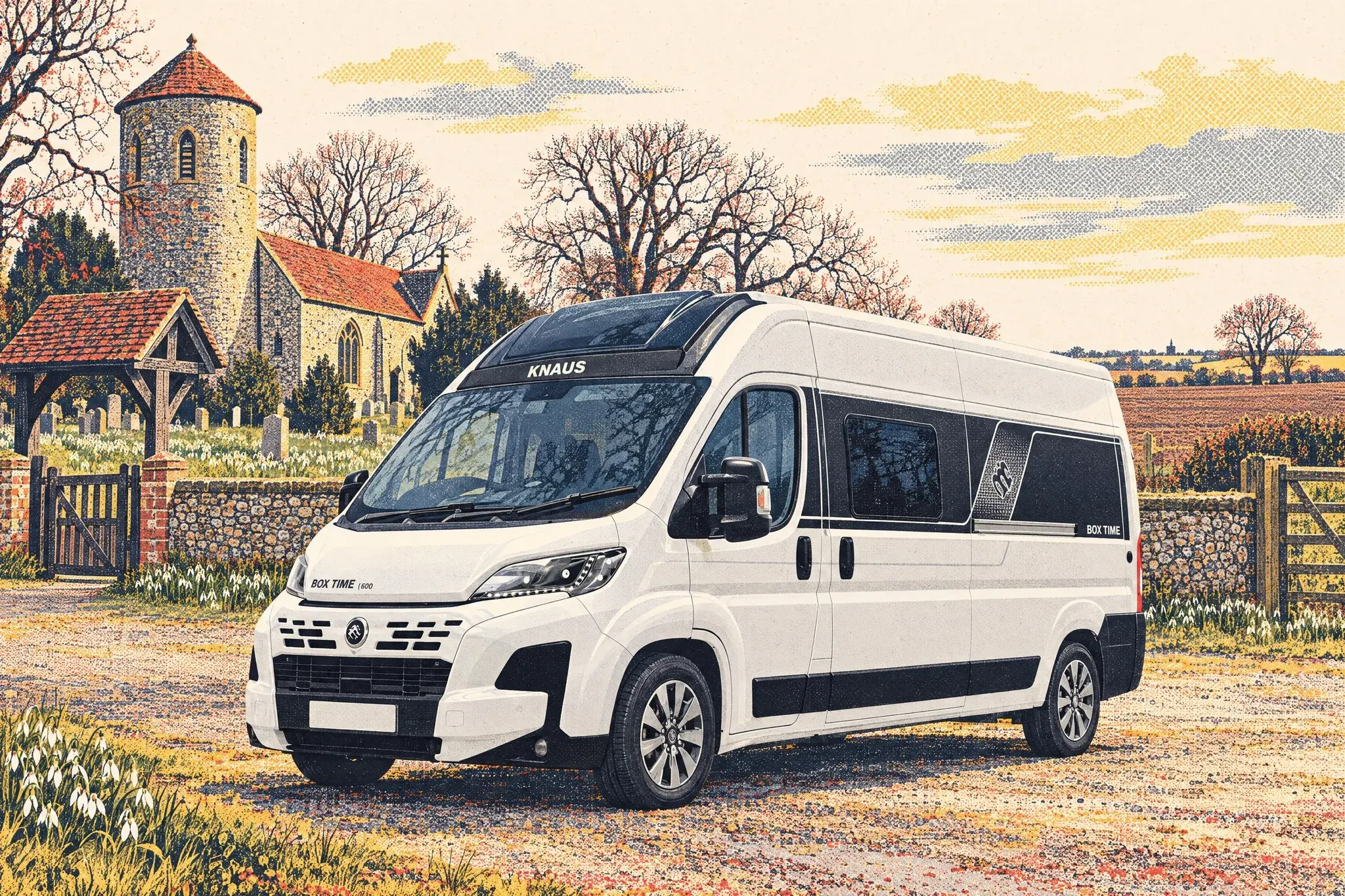
Knaus Boxtime 600 ME (2027): twin singles in 6 m, and the payload figure to question
Knaus's new Boxtime 600 ME squeezes two lengthways single beds into a 5.99 m van from £81,725. We lay out what that layout gives a couple, run the weight sums with Knaus's own figures, and explain why the 211 kg 'maximum payload' line needs a question before you sign.
New & Noteworthy
10 min read
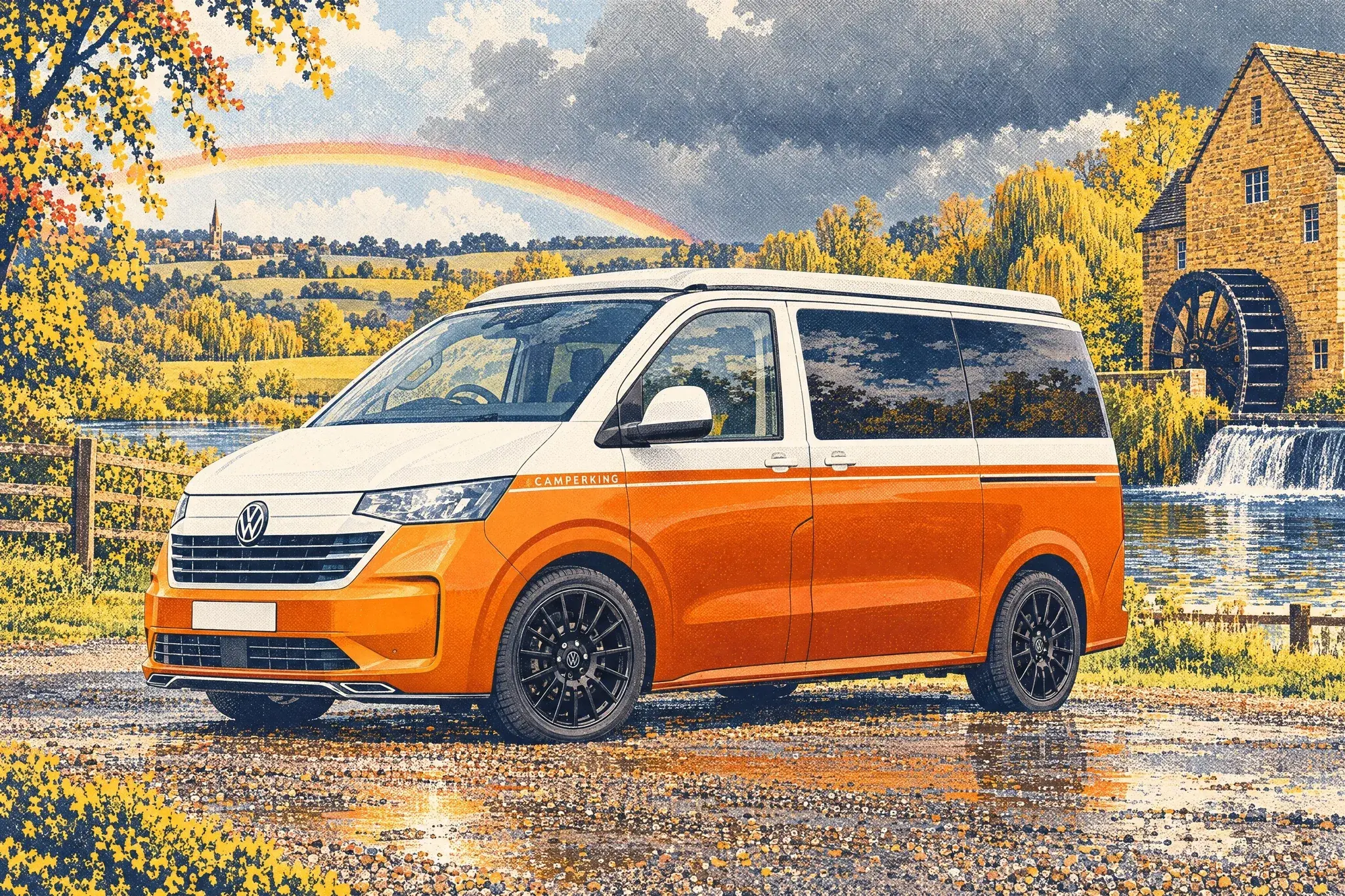
British campervan converters at the NEC 2026: who builds on what, and for how much
A stand-by-stand map of the British campervan converters at the Motorhome and Caravan Show 2026: the vans they build on, their from-prices, seats, roofs and lead times, plus the four questions to put to every one of them.
New & Noteworthy
9 min read
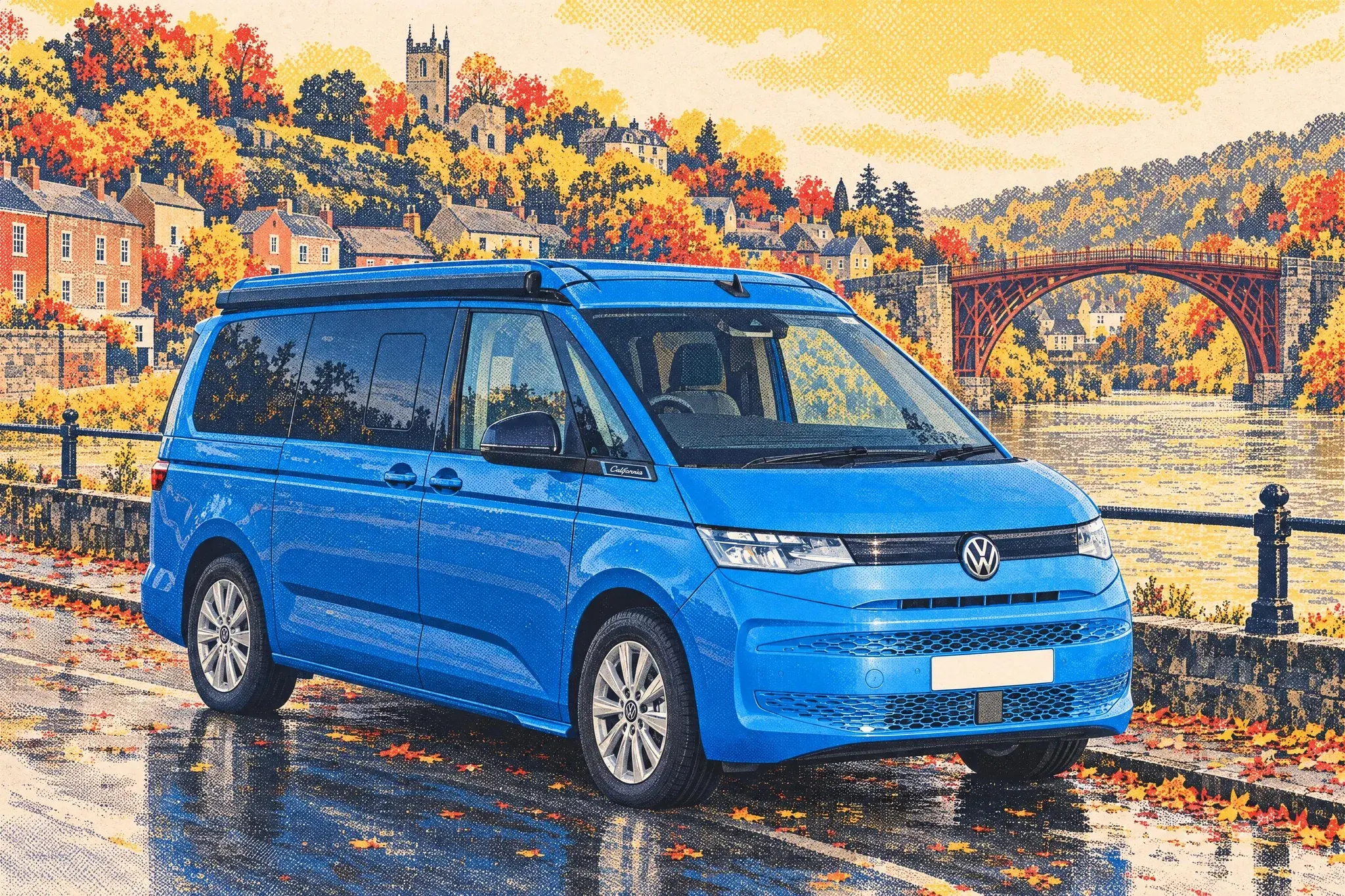
Plug-in hybrid campervans at the NEC: what a PHEV gives you and why full EVs are rare
Four UK converters have hybrid campers at or around the Motorhome and Caravan Show this October, while fully electric campers remain scarce. Here is what a plug-in hybrid camper does well, what the sellers rarely tell you, and the questions to ask on the stand.
New & Noteworthy
13 min read
New for 2027 at the NEC: the motorhome and campervan debuts, hall by hall
A stand-by-stand tour of the motorhome and campervan debuts at the October 2026 NEC show, with hall numbers, prices, base vehicles and the one thing to check on each.