
The 10 options that matter most when buying campervans and motorhomes in the UK

Written by
Oliver
Oliver is the founder of Campervan.win and writes about campervans, travel, and the life-changing freedom that comes with getting out on the road.
The short answer
When buying a campervan or motorhome in the UK, the options that matter most are the ones you quietly appreciate on a wet, tired evening, not the ones that just look good on the forecourt. The ten worth prioritising are: an automatic gearbox, a paint colour you genuinely love, diesel heating and hot water as the minimum, a larger fuel tank, an insulated and heated waste water tank for winter, a factory lithium battery (even the smallest), solar preparation or pre-routed cabling, better insulation and a winter pack, an awning (only if your touring style suits it), and the right driver-assistance safety kit, chosen with restraint. Tick those and you build a van you will still love long after the novelty fades. Here is each one, and why it earns its place.

Most people start a campervan or motorhome search by falling for a layout. The bed looks generous, the lounge looks cosy, the kitchen looks like you could actually cook without elbowing the wall. Then you open the options list and suddenly it feels like you are buying a vehicle and a small spaceship at the same time.
Some options are pure mood. Nice alloys. Fancy upholstery. A paint colour that makes you smile when you spot it in a car park. Other options are the ones you only appreciate three months later, when it is raining, you are tired, and you just want everything to work without drama.
This is a guide to the ten options that usually matter most in real touring life, especially in the UK where weather, road surfaces and overnight stops all ask slightly more of a vehicle than a glossy brochure suggests.
A quick note before we start. Not every option is available on every base vehicle, and not every converter offers the same packs. But the principles hold. If you get these ten areas right, you tend to end up with campervans and motorhomes that feel easier, calmer and more usable, even if your trips are mostly simple weekends.
The quiet aim of this list
The aim is not to spend more. It is to spend once.
A few of these choices can look expensive upfront, but save money later. Some feel boring, but make touring more comfortable. And a couple are about future proofing, so you can upgrade later without paying twice.
1) Automatic gearbox, because your left leg deserves a holiday
If you only take one thing from this article, make it this. An automatic gearbox is the single best option for most people buying modern campervans and motorhomes.
These vehicles are heavy. Even compact campervans carry a lot of constant weight. Water, furniture, insulation, tanks, batteries, and all the kit you bring because you are not at home. Motorhomes add more again. A manual gearbox can cope, of course, but it makes the driving feel like work more often than it should.
An automatic changes the whole tone of a day on the road.
You pull away smoothly without thinking.
You crawl through traffic without clutch ache.
You climb hills without that busy feeling of constant shifting.
You arrive less tired, which means you enjoy the evening more.
It is also about safety and calm. Merging onto a motorway in a heavy vehicle is easier when you are not juggling gears while trying to judge a gap. Tight junctions feel less stressful. Steep campsite exits feel less fussy.
Yes, it costs more. But for most owners, the benefit outweighs the price almost immediately. It is not an indulgence, it is a comfort and fatigue reduction upgrade.
Two practical tips.
First, if you are comparing two vehicles and one has an automatic gearbox, treat that as a meaningful difference, not a nice extra.
Second, if your chosen converter offers an automatic gearbox only as part of a pack, do the maths carefully. Packs can look expensive, but sometimes they include other things you would have chosen anyway.
2) Paint colour you genuinely love, because you will live with it every day
Paint sounds shallow until you buy the wrong colour.
Your vehicle’s colour is what you see when you approach it with a shopping bag. It is what stands out in your photos. It is what you look at every time you wash it, which you will do more often than you expect if you tour in Britain.
So choose a colour you love.
Not a colour you think you should pick. Not a colour you hope you will grow into. A colour that feels right.
This matters because changing your mind later can be very expensive. A respray is rarely a casual decision. Even if done well, it can cost a lot and it can be a hassle. It can also complicate resale if the colour is polarising or the workmanship is not perfect.
Many manufacturers offer paint options that are surprisingly reasonable compared with the overall purchase price. Some colours are included. Some are a few hundred pounds. Occasionally you will see options around £690 for a specific paint finish, which in the context of a new campervan or motorhome is not huge money.
There is also the wrap route. If you choose the standard white, you can wrap the vehicle later. Wrapping has real advantages.
You can choose almost any colour.
You can protect the paint underneath.
You can change it again later if you fancy a new look.
But it has downsides too.
It is an additional cost on top of the purchase price.
A good wrap is not cheap, and a cheap wrap rarely lasts.
Edges and high wear areas can lift over time.
Some finishes show marks and scratches more than paint.
If you love the idea of a wrap, build it into your budget from the start and plan where it will be done. If you want the simplest ownership, choose a factory colour you adore and move on.
3) Heating and hot water, with diesel as the minimum standard
UK touring lives and dies by heating. Not because we are always freezing, but because damp is relentless. Even in summer, a chilly evening can creep in fast once the sun drops. In winter, heating becomes the difference between a glorious trip and a miserable one.
At the very least, aim for a proper diesel heating system.
Diesel heating makes sense in modern touring because diesel is already on board. It also avoids the faff of relying heavily on gas for warmth, which can feel old fashioned and can take up valuable storage.
Then there is the step up: water based heating systems, most famously Alde.
Alde heating is often described as more like central heating at home. It tends to deliver a gentler warmth, with less of the gusty air movement you can get from some blown air systems. People who are sensitive to dry eyes, dry throat, or that slightly dusty feeling sometimes prefer water based heat. It can also help maintain a steadier temperature, which is lovely at night.
The important caveat is fuel type and availability. Some Alde systems are gas based, some can be specified with diesel fired boilers on certain vehicles, and some setups involve combinations. Whether you can get an Alde system that runs on diesel depends on the specific model and specification.
So the buying advice is simple.
Check what heating and hot water is included as standard.
Aim for diesel heating as a baseline.
If you can get a water based system that suits your touring style and you can confirm the fuel setup, it can be a lovely upgrade.
Also pay attention to heat distribution. Where are the vents or radiators. Can you warm the washroom. Can you dry wet coats. These details matter more than headline brand names.
4) A larger fuel tank, because it buys you flexibility
Fuel tank size is one of those options that feels dull until you use it.
A larger tank does not just mean fewer stops. It means you can choose when to stop. That matters in a motorhome especially, because not every fuel station is comfortable to enter, and some are genuinely awkward with larger vehicles.
It also matters for touring style. If you like to do longer stretches between towns, or you want the freedom to keep going until you find the right overnight spot, a bigger tank is quietly brilliant.
There is another benefit that often gets missed. Diesel heating uses diesel. If you tour in cold weather and your heating is running a lot, the fuel tank becomes part of your comfort system. A larger tank gives you a bit more margin.
You do not need the biggest tank available, but if there is an option for a larger fuel tank and it does not hammer payload or cost, it is often money well spent.
5) Insulated and heated waste water tank, so winter does not become a compromise
Fresh water matters. Waste water matters more than you expect.
An insulated waste water tank is one of the best options for anyone who tours in shoulder seasons or winter. If temperatures drop, waste water can freeze. That can mean a stuck valve, a tank that will not empty properly, or a system that simply becomes awkward at exactly the moment you want it to be easy.
An insulated and heated waste tank helps keep everything moving.
It also makes a difference in damp weather. If you are using the sink a lot, washing up, making tea, rinsing muddy veg, your waste tank fills quickly. Being able to empty it reliably without it turning into a frozen lump is a genuine comfort.
If you only tour in high summer and you always use campsite facilities, this is less important. But for UK touring that includes spring, autumn, or any desire to keep going when the weather is not ideal, it is one of those options that separates a fair weather van from a year round one.
6) Lithium battery, even the smallest one, because it sets you up for the future
Battery upgrades are where people can accidentally spend a lot of money twice.
If you know you want lithium eventually, consider selecting the lowest lithium option from the factory, even if it feels modest.
Here is why. When the manufacturer fits a lithium system, they usually install the right cabling, fusing, chargers, monitoring, and sometimes the right battery management integration. That infrastructure is often the expensive and fiddly part. Once it is in place, expanding capacity later can be much cheaper and simpler.
If you skip lithium at the factory and try to retrofit later, you can end up paying for labour, cables, and clever bits twice. Some retrofits are straightforward. Some are not. It depends on how the vehicle was wired and how accessible everything is.
So if lithium is on your wish list, doing it from the start can be the smarter play.
A practical approach that works well for many owners is:
Choose the smallest factory lithium option that makes sense.
Tour with it for a season.
Learn your real power habits.
Add capacity later if needed.
That way, you are not guessing. You are building a system around your actual use.
7) Solar preparation, or pre routed cabling, because it saves labour later
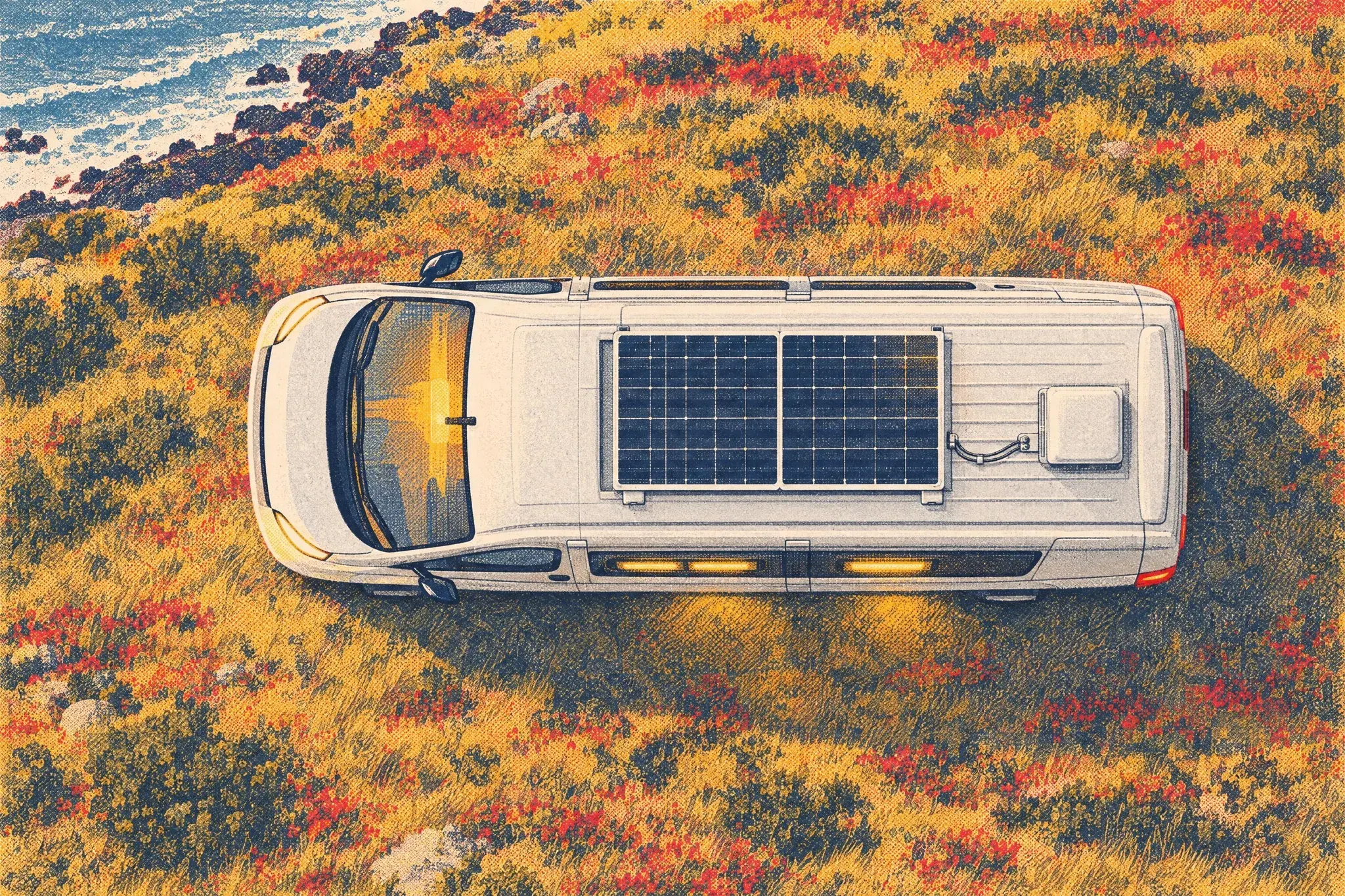
Solar is not essential for everyone, but the ability to fit solar easily is a gift.
If a manufacturer offers pre routed cabling for solar, or a solar preparation pack, it is often worth selecting. It usually means cables are already run from the roof to the electrical control area, with proper glands and routing.
That matters because running cables later can be surprisingly labour intensive. It can involve removing trim, drilling, and chasing routes through finished furniture. It is not impossible, but it can be fiddly.
If you like the idea of solar but you are not ready to commit, solar preparation is a sensible compromise.
It keeps your options open.
It makes a future upgrade cheaper.
It reduces the chances of messy retrofits.
Even if you never add solar, you have not lost much. If you do add it, you will be glad you ticked the box.
8) Better insulation and winter pack, because comfort is not only about heating
Heating is only half the equation. Insulation is what makes heating efficient and the interior feel stable.
Some manufacturers offer a winter pack that includes things like:
Better insulation around tanks and pipes
Heated waste tank
Double glazed windows
Insulated cab blinds or thermal screens
Extra floor insulation
The exact contents vary wildly, so always check what is actually included, not just the pack name.
In real touring life, better insulation means:
Less condensation.
Less temperature swing.
A quieter interior.
Less heater cycling at night.
It also makes summer touring nicer. Good insulation works both ways. It helps keep heat out as well as keeping heat in. On a warm day, a well insulated campervan or motorhome can feel calmer and less like an oven.
If you only ever tour in high summer, you might not need the full winter treatment. But if you like the idea of touring in spring and autumn without constantly checking weather apps, insulation is one of the best investments you can make.
9) Awning option, but think about your touring style before you pay
Awnings divide people.
Some owners use them constantly. Others barely touch them. The right choice depends on how you travel.
A wind out awning is convenient. It creates a quick sheltered strip outside, useful for wet boots, cooking smells, and a little shade. It is also easy to deploy for a quick lunch stop.
The downside is cost, weight, and the fact that awnings can be fragile in strong wind. You need to be sensible. You cannot just leave it out and hope. You will also need to consider storage height and whether the awning adds to vehicle width in tight spaces.
Then there are drive away awnings and inflatable tents. These can add a lot of living space, which is brilliant for longer stays. But they are another thing to pack, dry, and wrestle with. In wet weather they can become a job.
So, how do you decide?
If you move often, do weekend breaks, and like simple set up, a wind out awning can be a good option.
If you stay put for longer, travel with kids, or want a base camp feel, a drive away awning might suit you better.
If you rarely sit outside, save the money and keep the roof line clean.
This is one option where not ticking the box is often the best choice for the right person.
10) The right safety and driver assistance kit, chosen with restraint
Modern base vehicles offer a growing list of driver assistance features. Some are genuinely helpful in campervans and motorhomes, because these vehicles are large and you spend long hours driving them.
The most useful ones tend to be:
Reversing camera
Blind spot monitoring
Crosswind assistance, if available
Adaptive cruise control, if you do a lot of motorway miles
Good headlights, especially if you drive in winter
A reversing camera in particular is a daily stress reducer. It also makes you more likely to use smaller overnight spots confidently, because you can park with more precision.
The key is restraint. Packs can bundle in technology you do not care about, and sometimes a big pack feels like a bargain until you realise you have paid for features you will never use.
Choose the features that genuinely improve your confidence and reduce fatigue. Avoid paying for tech that only adds complexity.
A quick bonus option that often deserves a place in your top ten
If you tour with bikes, consider how you will carry them before you sign anything.
A rear bike rack looks simple, but it can affect rear axle weight and handling. A garage is brilliant, but it changes layout and can eat payload. A tow bar mounted rack can be excellent, but it needs a proper tow bar and the right wiring.
It is not always listed as an “option” in the same way as paint or gearboxes, but it is one of those choices that can shape the whole vehicle.
Putting it all together, how to pick options without getting carried away
If you are staring at a long options list, try a three pass approach.
First pass, tick only the things that change driving or core comfort. Automatic gearbox. Heating. Insulation. Tanks.
Second pass, tick future proofing. Lithium base. Solar preparation.
Third pass, tick the things you will love every day. Paint colour. Awnings if you actually use them.
Then stop, make a cup of tea, and look at the list again the next day. Options have a funny way of feeling urgent in the moment. The next day you often see what is essential and what is just exciting.
A natural word about price, and why we talk about this at Campervan.win
It is impossible to ignore the bigger trend. Campervans and motorhomes have become expensive. Options have become expensive too. What used to feel like a few sensible upgrades can now feel like a serious chunk of a deposit.
That is one of the reasons we do what we do at Campervan.win. We want campervans and motorhomes within reach of more people, not only those who can casually absorb a long list of extras.
But even if you are buying outright, or you are financing, the options you choose will shape how much you enjoy the vehicle. This list is about choosing the options that make a real difference, rather than paying for shiny things that feel impressive for a week and then fade into the background.
The short version, if you want it pinned to the fridge
If you want campervans and motorhomes that feel easy to live with, prioritise:
Automatic gearbox.
A paint colour you love.
Diesel heating and, if suitable, a water based upgrade.
Larger fuel tank.
Insulated waste water tank.
Factory lithium, even the smallest.
Solar preparation.
Better insulation.
Awnings only if you will use them.
The right driver assistance kit.
Tick those, and you are usually building a vehicle you will still enjoy when the novelty wears off and the weather turns British again.
Common questions
What are the most important options to choose when buying a campervan?
The ten that matter most in real UK touring are an automatic gearbox, a paint colour you genuinely love, diesel heating and hot water, a larger fuel tank, an insulated and heated waste water tank, a factory lithium battery, solar preparation, better insulation and a winter pack, an awning if your style suits it, and the right driver-assistance safety kit chosen with restraint. These are the options you appreciate when it is raining and you are tired.
Is diesel heating worth it in a campervan?
Yes, treat it as the minimum standard rather than an upgrade. Diesel heating draws from the vehicle's own fuel tank, so you are not constantly hunting for and swapping gas bottles, which makes longer and colder trips far easier. Combined with hot water, it is one of the options you will quietly appreciate every cold or wet evening, which is exactly when comfort matters most.
Should I get a lithium battery in a campervan?
If you can, yes, even the smallest factory lithium option is worth it. Lithium gives more usable power, faster charging and longer life than lead-acid, and choosing it from the factory sets you up for adding solar and off-grid use later. It is one of those options that quietly future-proofs the van rather than something you notice on day one.
Why does an insulated waste water tank matter?
Because without it, winter becomes a compromise. An exposed waste tank can freeze in cold weather, leaving you unable to drain grey water, whereas an insulated and heated tank keeps the van usable through the colder months. For anyone who tours beyond summer, it turns four-season touring from a struggle into something straightforward.
Is an awning a worthwhile campervan option?
Only if your touring style will actually use it. An awning is brilliant if you stay put for several days and want sheltered outdoor space, but it is dead weight and money if you mostly do one or two-night stops and move on. Think honestly about how you travel before paying for one, rather than buying it by default.
How do I choose campervan options without overspending?
Separate the options that are pure mood, like alloys and fancy upholstery, from the ones you appreciate three months later when it is raining and you are tired. Prioritise the practical, comfort and future-proofing choices (gearbox, heating, fuel, winter kit, lithium, solar prep, insulation, safety), add a paint colour you love, and only buy lifestyle extras like awnings if you will genuinely use them.
The reachable bit
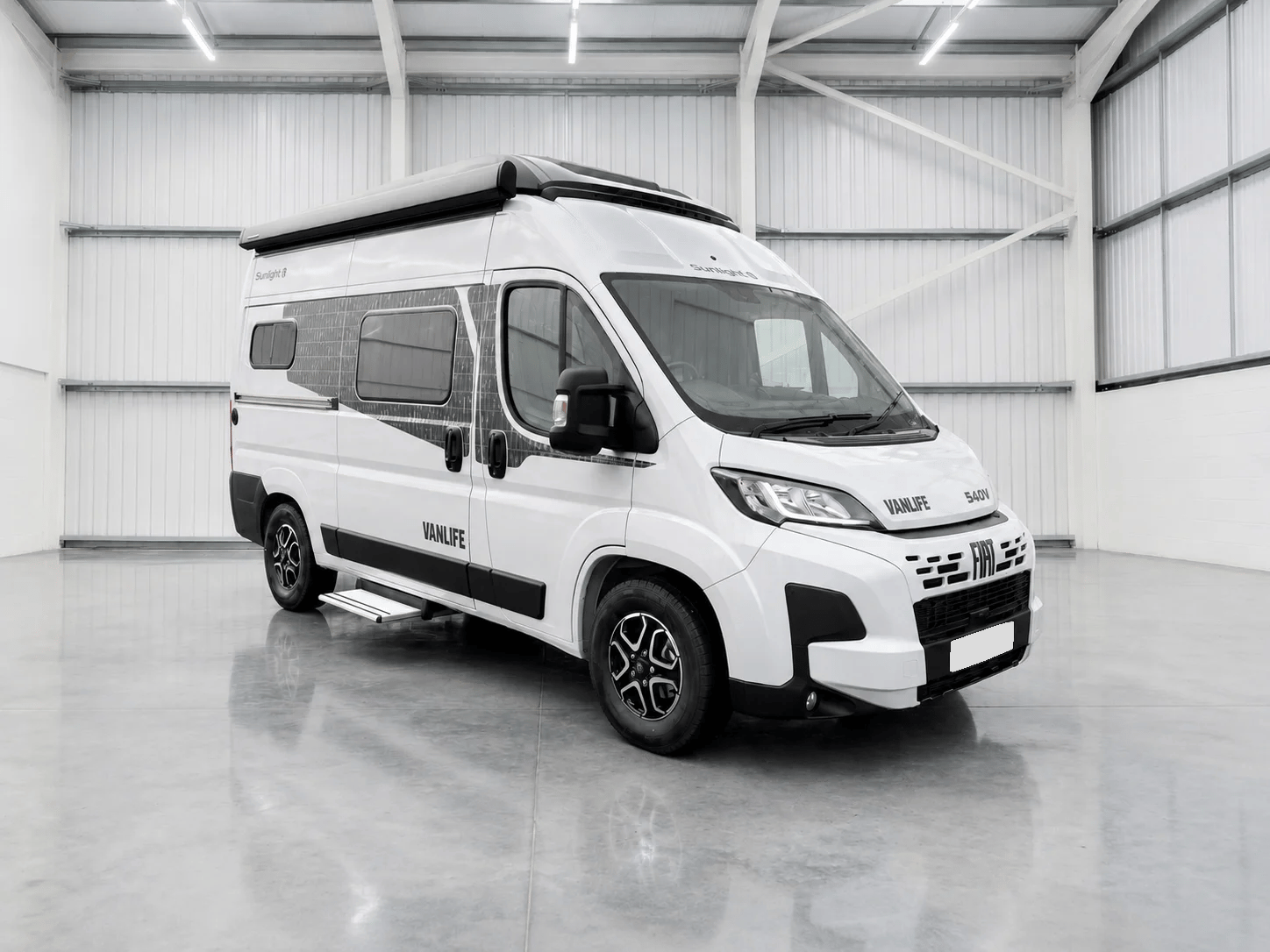
The camper you fall for is rarely the one you can afford. That gap is the whole reason Campervan.win exists. Right now we’re giving away the Sunlight Vanlife, worth around £65,000, and closing that gap is the point: capped entries so the odds stay honest, £10 a ticket, a maximum of five per person, £500 to a UK charity from every full draw, the winner picked by a public randomness beacon anyone can re-check, and one person driving away in the van itself.
Enjoyed this post?
Get more honest campervan guides like this one in your inbox.
You’re in!
Check your inbox. We’ve just sent you a welcome email.

About the author
Oliver
Oliver is the founder of Campervan.win and writes about campervans, travel, and the life-changing freedom that comes with getting out on the road.
Keep Reading
Related Reading
Thoughtful articles that build on what you’ve just read.
Campervan Reviews
12 min read
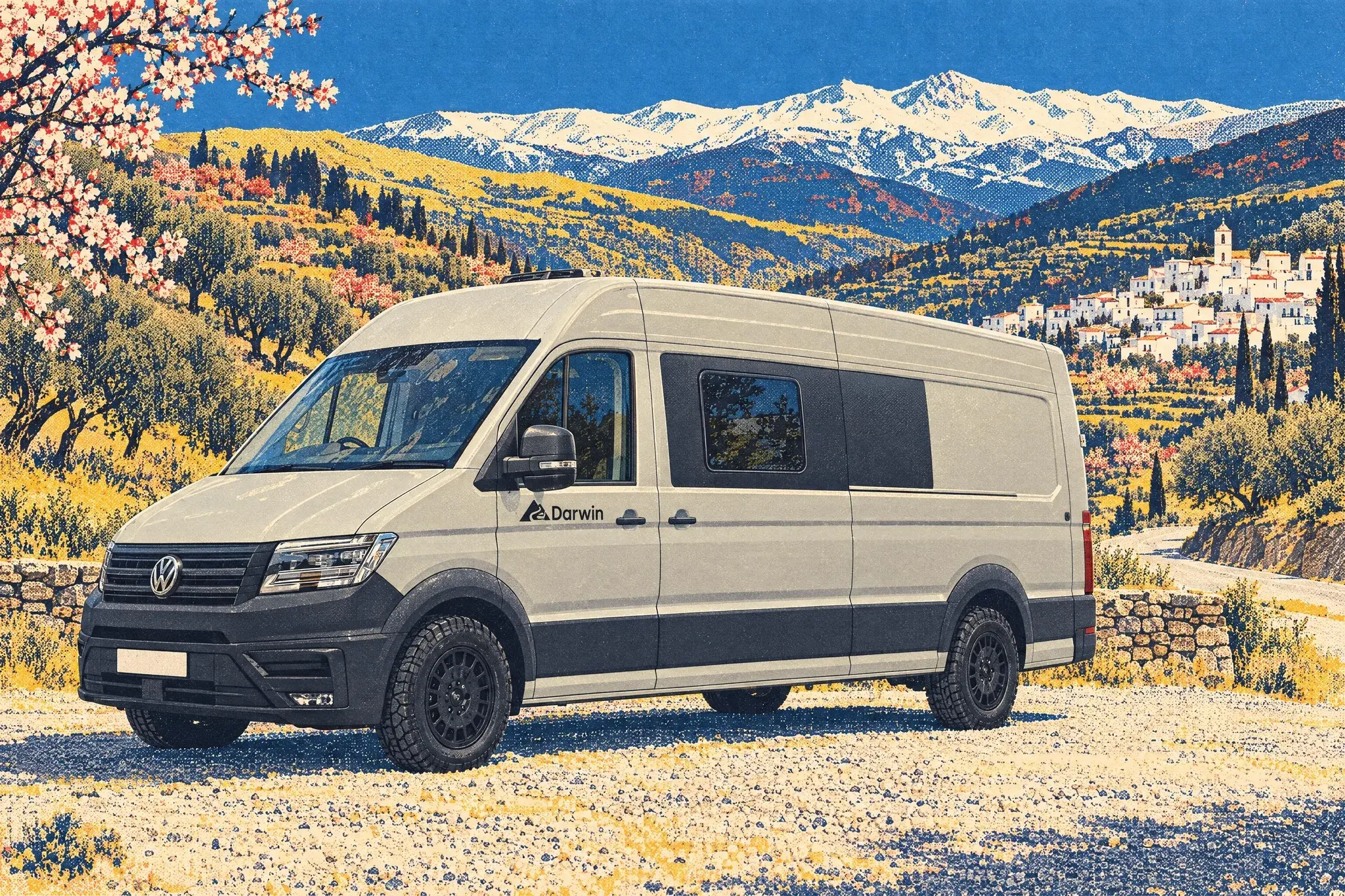
Rolling Homes Darwin review: the long Crafter camper with a proper washroom
The Darwin is Rolling Homes' step up from the Transporter: a long-wheelbase VW Crafter two-berth with an enclosed washroom. We set out what is published, what the price does, and who it suits.
Campervan Buying Guides
13 min read
Rolling Homes of Shrewsbury: VW-qualified campers from the Columbus to the Crafter Darwin
A plain-English profile of Rolling Homes, the Shrewsbury family converter with Volkswagen's Motorhome Qualified Converter status: what it builds on, what each model in the range is for, the 13 October 2026 prices, and what to ask before you put a deposit down.
Campervan Reviews
13 min read
Jerba Cromarty review: the long-wheelbase five-seater with two double beds
The Jerba Cromarty is a 5.45 m Scottish-built camper on a VW T7 or Ford Transit Custom that seats five in belts and sleeps two as standard, or four with the optional roof bed. We look at how it lives, what the from-price buys, the published weights and who it suits.
Campervan Reviews
12 min read
Bilbo's Nexa+ T7 review: a rear kitchen, a cassette toilet and the new Low-Lie roof
The Nexa+ is the Bilbo's for people who want a fitted toilet in a Volkswagen Transporter. We go through the rear-kitchen layout, the beds, the power and heating as published, the T7 base, the £77,930 in-stock price and who it suits.