
The 2027 VW Multivan facelift, explained for UK campervan buyers

Written by
Rowan
Rowan writes editorial features, comparisons, and industry context pieces that help readers understand the campervan and motorhome landscape.
The short answer
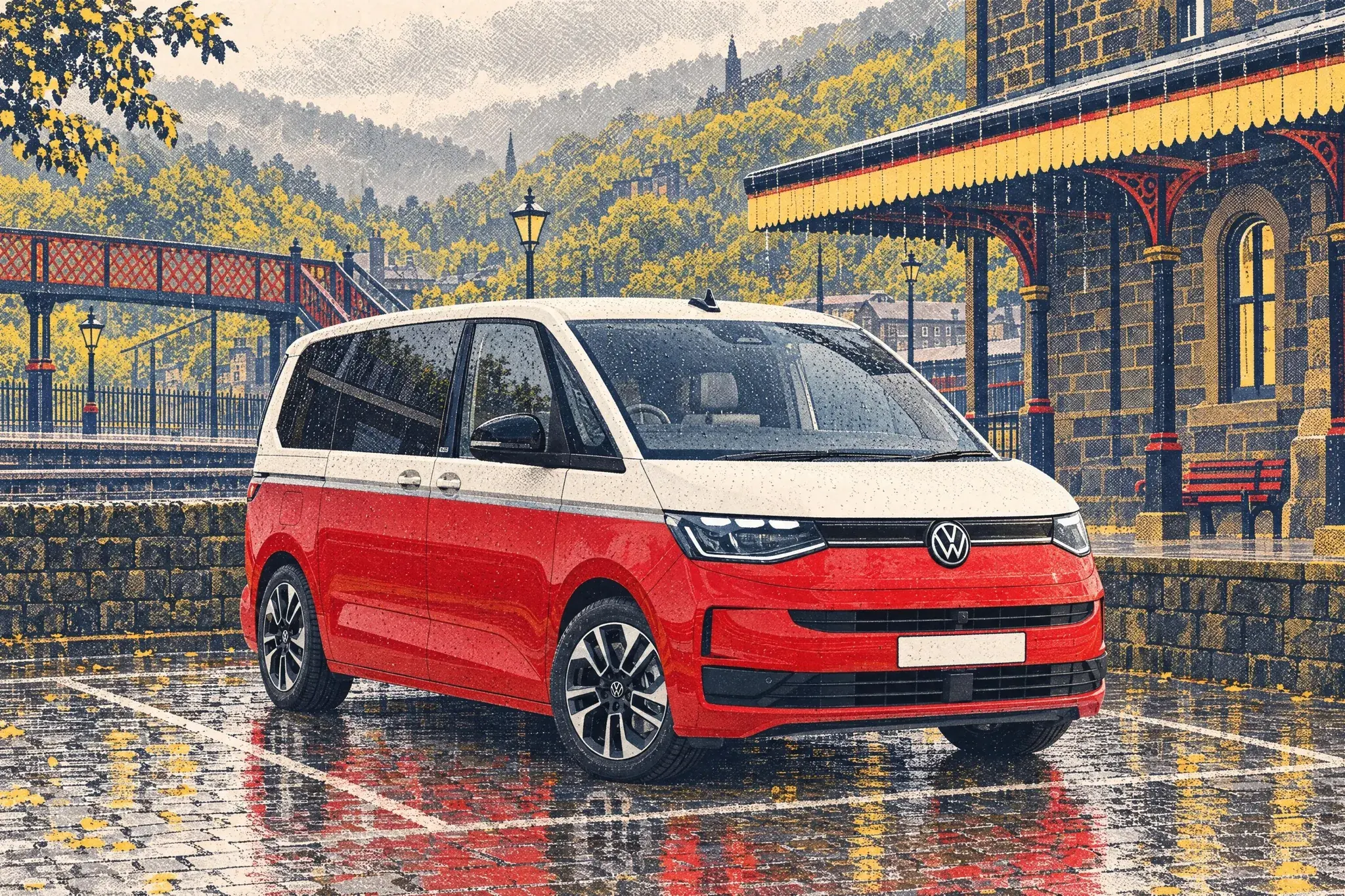
The 2027 Volkswagen Multivan facelift is a sensible update rather than a reinvention: a tidied nose, a cabin that brings back the physical controls owners asked for, and, the real headline, a plug-in hybrid with more electric range. For campervan buyers the exciting part is the California connection, because the camper shares this platform, so a plug-in hybrid California with longer electric range follows. It stays a compact, car-like vehicle you can use every single day and camp in at weekends, and a standard category B licence covers it, since it sits under 3,500kg. It will not suit everyone; if you want maximum space and facilities, larger conversions give more per pound. But for the daily-driver-that-camps brief it is one of the strongest choices going, and this update quietly improves it. Here is what is new, and what it means for you.

Volkswagen has pulled the covers off a facelifted Multivan, the seven-seat people carrier that doubles as the platform for one of the most recognisable campers in Europe. If you only read the headline, it looks like a tidy nose job and a few new screens. Look a little closer and there is more going on, especially if you care about plug-in hybrids, the next California camper, or simply want a comfortable van you can sleep in occasionally without committing to a full motorhome.
This is the long, honest version. We will walk through what has actually changed, what is just marketing gloss, and what it means for a UK buyer trying to decide between a Multivan, a California, a Transporter-based conversion, or something else entirely. We will use real numbers where they exist, flag the bits that are still vague, and tell you plainly where waiting makes sense and where it does not.
First, what the Multivan actually is
The Multivan is easy to misunderstand, because Volkswagen has used the name in different ways over the years and because it sits right on the line between car and van. So let us start there.
The current Multivan is the T7 generation, launched in 2021. It is a passenger vehicle first and foremost. Underneath it sits on the MQB platform, the same family of underpinnings that supports the Golf, the Tiguan, and a long list of other cars. That is a deliberate change from the old days, when the people-carrying VW vans shared their bones with the commercial Transporter.
What does that mean in plain terms? The Multivan drives more like a tall, long estate car than a van. It has car-style seats, car-style refinement, and a car-style ride. It is not built to haul a tonne of bricks or live a rough commercial life. It is built to carry up to seven people in comfort and to feel pleasant on a long motorway run. If you have ever sat in one, you will know it feels closer to a premium MPV than a panel van with windows.
That distinction matters enormously for campervan buyers, and we will come back to it, because the Multivan and the Transporter are now two separate things with two separate jobs.
What Volkswagen has actually revealed
The reveal is a mid-life facelift, not an all-new model. In the motor industry, cars usually get a refresh roughly halfway through their life to keep them looking current and to fold in newer technology. That is exactly what this is. The T7 Multivan launched in 2021, so a 2025 to 2027 update is right on schedule.
Here is the broad shape of what changed:
- A revised front end with new lighting and a cleaner grille treatment.
- Updated infotainment and a tidied-up cabin, with attention paid to the physical controls people complained about.
- A refreshed plug-in hybrid setup, which is the headline for anyone watching running costs.
- The usual round of new colours, trims, and small detail tweaks.
None of this is dramatic. A facelift rarely is. But the Multivan is the donor vehicle for the camper version sold as the California, so changes here ripple straight through to the part of the range campervan buyers actually care about.
The design changes, and whether they matter
Let us be honest about facelifts. Most of the visual changes exist so the car looks newer on a forecourt, and so it photographs well next to a rival. For a buyer, the design refresh matters less than the mechanical and electronic updates. But there are a couple of practical points worth making.
The front end
The new nose brings updated headlights and a more horizontal, lower-set look. Volkswagen has leaned into illuminated detailing across its range, including light bars and an illuminated badge on some models. Whether you like that is purely taste. What is genuinely useful is that newer headlight clusters usually mean better matrix LED options, which on a tall vehicle you drive on dark rural lanes is a real safety and comfort benefit, not a gimmick.
Why the look is so conservative
The Multivan deliberately echoes the silhouette of the classic VW vans. The two-tone paint options, the upright face, the boxy practicality, all of it is a nod to heritage. That is not an accident. A huge part of the appeal of a VW camper is the way it looks parked at a beach or a campsite. Volkswagen knows this, so the facelift plays it safe and keeps the friendly, familiar shape. For once, conservative is the right call. Nobody buys a camper to make it look angry.
Inside the cabin: tech, screens, and the controls people moaned about
The interior is where a facelift can actually change your daily life, because this is the bit you touch every time you drive.
The T7 Multivan launched with a heavily screen-led cabin. Volkswagen, like most of the industry, moved a lot of functions onto a touchscreen and onto touch-sensitive sliders. The climate controls and volume in particular used a touch slider that, in the early cars, was not backlit and was fiddly to use on the move. Owners said so, loudly and repeatedly, across the whole VW range.
The good news is that Volkswagen has publicly committed to bringing back more physical controls and to improving those sliders, including backlighting them so you can find them at night. The facelift folds in the newer software and the improved control layout. If you are choosing between an early T7 and a facelifted one, this is a genuine reason to favour the newer car. Being able to adjust the heating without taking your eyes off the road is not a luxury, it is basic usability.
Other cabin points worth knowing:
- The Multivan uses a clever rail system for its rear seats. Individual seats slide on tracks, can be removed entirely, and can be rotated to face each other on some configurations. This is one of the most flexible cabins in the class and is a big part of why people choose it for family life.
- There is a removable centre console with cupholders and storage that slides the full length of the cabin. It is a small thing that turns out to be genuinely handy.
- Boot space is large with the rear seats removed, which is part of why people use the Multivan as a do-everything family vehicle rather than buying both a car and a van.
None of the seat hardware needs major change at facelift time because it already works well. The update is really about the screen, the software, and the daily-use controls.
The powertrains, in plain English
This is where the facelift gets genuinely interesting, and where the numbers matter most for running costs. The Multivan is offered with petrol, diesel, and plug-in hybrid power. Let us take them in turn, with the caveat that exact UK specs and figures settle closer to on-sale dates, so treat anything precise as the latest available picture rather than a locked-in promise.
Petrol
The petrol options are turbocharged units in the familiar VW mould, including a 1.5-litre with mild-hybrid assistance and a more powerful 2.0-litre. The 1.5 is the sensible-money choice for lighter use and shorter trips. The 2.0 makes sense if you tow, carry heavy loads regularly, or do a lot of fully laden motorway miles where the smaller engine has to work harder.
Be realistic about petrol economy in a vehicle this size and shape. A boxy, heavy, seven-seat van is never going to sip fuel like a hatchback. Expect real-world figures that are respectable for the class but well short of the official lab numbers once you load it up and put it into a headwind.
Diesel
The 2.0 TDI diesel remains the long-distance workhorse of the range. If you regularly drive long motorway distances, tow a caravan or a trailer, or cover serious annual mileage, diesel still makes the strongest economic case. Diesels in a heavy van return their best efficiency exactly where many owners spend their time, which is steady high-speed cruising.
The catch is the wider direction of travel. Diesel is increasingly penalised in city clean-air zones and is gradually being phased down across the industry. If most of your driving is urban and short, a diesel is the wrong tool. If most of your driving is long and rural, it is still a sound choice for now.
The plug-in hybrid, the real headline
The eHybrid plug-in is the most significant part of this story, and it is the one to understand properly.
A plug-in hybrid pairs a petrol engine with a battery and an electric motor large enough to drive the vehicle on electricity alone for a meaningful distance. You charge it from a plug like an electric car, run the first chunk of your journey on electricity, then the petrol engine takes over when the battery runs low. Done right, for the right driver, it is the best of both worlds. Done wrong, it is the worst.
The earlier Multivan eHybrid offered an electric-only range in the region of 30 miles on the official cycle, which in real UK use meant something closer to 20 to 25 miles, less in cold weather. The facelift is expected to bring a larger battery and a longer electric range, in line with the broader VW plug-in hybrid update that pushes electric range up substantially and adds faster charging. That is a real improvement, not a cosmetic one.
Here is why it matters so much for this particular vehicle:
A plug-in hybrid only saves you money if you actually plug it in. If you charge at home every night and most of your daily driving fits inside the electric range, you can do the school run, the shopping, and the commute on electricity, and only burn petrol on the occasional long trip. If you never charge it, you are hauling a heavy battery around for nothing and your fuel bills will be worse than a plain petrol.
So the longer electric range in the facelift genuinely changes the maths. A 30-mile electric range covers some daily driving. A meaningfully longer range covers far more of it, and means more drivers can run mostly on electricity. If you have a driveway and a home charger, the facelifted eHybrid is the version that rewards you most.
Is there a fully electric Multivan?
Worth addressing because people ask. The fully electric people-mover in the VW family is a separate model with its own name and its own platform, built specifically as an EV. The Multivan itself is the combustion and plug-in hybrid vehicle. If you want a pure electric van of this size, that is a different conversation about a different vehicle, and one we have covered separately. Do not buy a Multivan expecting it to be electric.
The California connection, which is the bit campervan people care about
Here is the link that makes this facelift relevant to a campervan blog rather than just a car news site.
The California is Volkswagen's factory-built camper. For decades it was built on the Transporter. The newest California, however, is built on the Multivan platform. That means the Multivan facelift and the California are closely related, and updates to one tend to flow through to the other in time.
The Multivan-based California is a genuine pop-top camper with the features people expect:
- A pop-up roof that lifts to give standing room and an upstairs sleeping berth.
- A mini kitchen unit, typically with a fridge and a hob.
- Sleeping space below as well as up top, sleeping around four in total.
- The same plug-in hybrid option, which is a notable first for a factory VW camper of this type.
That last point is the headline for camper buyers. A plug-in hybrid camper means you can arrive at a quiet park-up, switch to electric, and creep around on battery without the engine running. It means cleaner running in clean-air zones on the way to your trip. And it means, with a decent house battery setup, more flexibility for powering your camper kit. It is not a fully self-sufficient off-grid electric camper, but it is a real step.
If the facelift brings a bigger battery and longer electric range to the Multivan, expect that to feed through to the California version too. For anyone weighing up a factory camper purchase over the next couple of years, that is a genuine reason to understand the timing.
The size and practicality trade-off of a factory camper
It is worth being honest about what a Multivan or California-sized camper is and is not. It is compact. It fits in a normal parking space, fits under most height barriers with the roof down, and drives like a large car. That makes it brilliant as a do-everything vehicle you can also use daily.
The flip side is that it is small inside compared with a coachbuilt motorhome. You do not get a fixed bed, a proper bathroom, or generous storage. You get a clever, flexible, compact space that suits couples, small families, weekenders, and anyone who values being able to use the vehicle every day rather than parking a giant motorhome on the drive eleven months of the year. That is a real and valid choice, just a different one from a full motorhome.
The Multivan and Transporter split, and why it matters to you
This is the bit that confuses people, so let us make it clear, because it directly affects which vehicle a campervan converter or buyer should be looking at.
There are now effectively two vehicles wearing VW van DNA:
- The Multivan. A car-based passenger vehicle on the MQB platform. Refined, comfortable, car-like to drive, available as the California camper. Not designed for heavy commercial loads.
- The Transporter. The commercial van, which in its newest generation is built in partnership with another manufacturer and shares its underpinnings with a well-known commercial van. This is the load-lugger, the panel van, the base for many aftermarket camper conversions.
Why does this matter? Because if you want a self-build or a small-converter campervan with a big payload, a tall roof option, and commercial-van toughness, the Transporter-based route is the relevant one. If you want a comfortable, car-like vehicle that happens to camp, the Multivan and California route is yours.
The facelift we are discussing is the Multivan, the passenger and camper side. It does not directly change the commercial Transporter. Keep the two separate in your head when you are shopping, because they answer different questions and they cost different money.
What this means for UK buyers specifically
Australian and European reveals are interesting, but you live in the UK, so let us bring it home with the things that actually affect your wallet and your driving.
Right-hand drive and availability
The Multivan is sold in right-hand drive in the UK and the California is part of the UK range. The facelift will reach UK showrooms after its European debut, as is normal, so there is a lead time. If you are buying now, you may be choosing between a run-out pre-facelift car at a possible discount and waiting for the updated model. Both can be sensible depending on price and what you value.
Pricing reality
Let us be straight about money. The Multivan is not a cheap vehicle, and the California camper version is a serious purchase, comfortably into the price territory of a small coachbuilt motorhome. Factory campers carry a premium because the conversion is engineered, warranted, and crash-tested as a whole, and because the badge holds its value well.
That value retention is a genuine financial point, not marketing. VW campers historically hold their money better than many rivals, which softens the depreciation hit over time. If you buy well and look after it, the gap between what you pay and what you get back can be smaller than the sticker shock suggests. That said, never buy on the assumption of future values. Buy on what it costs you to own now.
Clean-air zones and the plug-in case
The UK has a growing patchwork of clean-air and low-emission zones. London's arrangements are the strictest and most expensive, but other cities have their own schemes. A plug-in hybrid that can run on electricity in town, and a vehicle that meets the latest emissions standards, is increasingly relevant if your travels take you through these areas. This is exactly where the facelifted eHybrid earns its keep, provided you charge it.
Towing
If you tow, check the braked towing capacity of the specific engine and specification you are considering, and check it against the fully laden weight of what you want to pull. The diesel and the more powerful petrol generally make the strongest towing case. A plug-in hybrid can tow too, but its electric range collapses under heavy towing load, so do not expect to tow on battery for long.
Licence and weight: the bit too many people skip
This deserves its own section because it trips people up, and getting it wrong is expensive and occasionally dangerous.
Will a standard licence cover it?
For most drivers, yes. A Multivan or California typically has a maximum authorised mass under 3,500kg, which means a standard category B car licence covers it for the majority of buyers. That is part of the appeal of a compact factory camper. You do not need any special entitlement to drive it.
But always check the exact figure on the specific vehicle. Plug-in hybrids carry a heavy battery, which pushes up the kerb weight. The heavier the vehicle starts out, the less payload you have left for people, kit, water, and gear.
Payload, the number nobody talks about
Payload is the difference between what the vehicle weighs empty and its maximum legal weight. It is the budget you have for everything you add: passengers, luggage, camping kit, food, water, bikes, the lot.
In a compact camper, payload can be tighter than you expect once the conversion hardware, the pop-top, and a heavy hybrid battery are accounted for. Four adults plus a full load of holiday gear adds up fast. Before you buy, ask for the exact payload figure for the spec you want, then do an honest sum of what you will actually carry. Overloading a vehicle is illegal, it ruins the handling and braking, and it invalidates insurance if something goes wrong. This is not scaremongering, it is just arithmetic that pays to do before you sign.
Running costs over a year, realistically
A camper is not just a purchase, it is an ongoing commitment. Here is how the costs break down so you can plan honestly.
Fuel or electricity
This depends entirely on the powertrain and how you use it. A diesel doing long motorway trips will be efficient for its size. A petrol on short urban runs will be thirsty. A plug-in hybrid charged diligently at home and used mostly within its electric range can be very cheap to run day to day, then reverts to ordinary petrol economy on long trips. The single biggest variable is you, not the badge.
Insurance
Campers can be cheaper to insure than you might fear, because they are often driven carefully, kept in good condition, and parked off-road. Specialist campervan and motorhome insurers understand the use case and can offer policies built around limited annual mileage, agreed value, and contents cover for your kit. Always insure it as a camper with a specialist if it is a camper, not as a plain van, so the cover actually matches reality.
Servicing and maintenance
A modern VW is generally reliable but not cheap to service at a main dealer. Independent specialists can do routine work for less while keeping the service history credible. Plug-in hybrids add some complexity, but the routine servicing is broadly similar, and the engine often does less work, which can reduce some wear. Keep a full service history. It protects the value and your peace of mind.
Depreciation
This is the cost people forget because it does not arrive as a bill. It is the difference between what you paid and what you can sell it for. VW campers hold value relatively well, but a facelift can affect the residual value of the outgoing model. If you buy the older shape just before a new one lands, you may see a slightly steeper early drop. If you buy and keep for many years, this matters less.
Tax and the rest
Vehicle tax depends on the powertrain and emissions, and the rules shift over time, so check the current bands. Then there are the small recurring costs: habitation servicing on the camper systems, gas safety checks, tyres that age out before they wear out on a vehicle that sits a lot, and the gradual creep of kit you buy because it is fun. Budget for the boring stuff and the trips become pure pleasure.
Should you wait for the facelift, or buy now?
This is the practical question, so here is an honest framework rather than a glib answer.
Reasons to wait for the facelift
- You want the longer electric range from the updated plug-in hybrid and you genuinely charge at home.
- The improved cabin controls and software matter to you, and they should, because you use them every day.
- You plan to keep the vehicle a long time and want the freshest version to age more gracefully.
- You want the latest safety and driver-assistance kit, which facelifts usually upgrade.
Reasons to buy the outgoing model now
- There is a genuine price advantage on a run-out car or a nearly-new example, and the savings outweigh the updates.
- You do not care about the plug-in hybrid and a diesel or petrol suits your driving, in which case the mechanical changes matter less to you.
- You want it now for a trip you have planned, and waiting means missing a season.
- You are buying used anyway, where the pre-facelift cars will become better value as the new ones arrive.
There is no universally right answer. The facelift is an improvement, but it is an evolution, not a transformation. If the updated plug-in hybrid and cabin matter to you, wait. If price and timing matter more, the outgoing model is far from a poor choice.
How the Multivan and California fit the wider campervan picture
It helps to zoom out and place this vehicle in the landscape, so you can sanity-check whether it is even the right type for you.
If you want a daily-driver that also camps
This is the Multivan and California sweet spot. A compact, car-like vehicle you can park anywhere, drive every day, and turn into a camper for weekends and holidays. You sacrifice interior space and on-board facilities, but you gain a vehicle that earns its keep all year rather than sitting idle.
If you want maximum space and facilities
Then a larger coachbuilt motorhome or a bigger panel-van conversion makes more sense. You get a fixed bed, a proper washroom, more storage, and more living space. You give up everyday usability, easy parking, and car-like driving. Different tool, different job.
If you want the cheapest route in
A used older camper or a self-build on a commercial van base can cost far less. You trade the factory warranty, the engineered conversion, and the badge value for a lower price and more involvement. Plenty of people love that route and never look back.
None of these is better in the abstract. The right answer depends on how you will actually use it, how often, with how many people, and what you are comfortable spending and driving. The facelifted Multivan and California are a strong choice for one specific type of buyer, and a poor fit for another. Be honest about which you are.
The common mistakes people make with a vehicle like this
Having watched a lot of people buy compact campers, here are the errors that come up again and again, so you can sidestep them.
- Buying the plug-in hybrid without a way to charge it. If you cannot charge at home or work, the hybrid is the wrong choice and you will spend more than a plain petrol would have cost.
- Ignoring payload. Falling for the layout and the looks, then discovering you cannot legally carry the family plus the kit plus a full water tank. Do the weight sum first.
- Treating a compact camper like a full motorhome. Expecting a fixed bed, a separate shower, and acres of storage, then feeling cramped. Know what you are buying.
- Buying on future value. VW campers hold value well, but markets move. Buy on the cost of owning it now, and treat strong residuals as a bonus, not a plan.
- Skipping the test of daily use. A camper you cannot park near your home, or that is awkward on your commute, gets used less. Test it against your real life, not just the holiday fantasy.
- Underinsuring or misclassifying it. Insure a camper as a camper with a specialist, with agreed value and contents cover, so a claim reflects reality.
What to check before you buy, new or used
If you decide a Multivan or California is for you, here is a practical checklist to take with you.
On a new or nearly-new car
- Confirm the exact powertrain, electric range if a plug-in hybrid, and the real payload figure for that specific specification.
- Sit in it and use the climate and volume controls. If they frustrate you in the showroom, they will frustrate you for years.
- Check the towing capacity if you tow, and match it to your actual trailer or caravan weight.
- Ask about delivery timing if you want the facelifted version, and compare against the discount on a run-out car.
- Confirm what the camper warranty covers on the habitation side, not just the base vehicle.
On a used example
- Get a full service history and check it is genuine and complete.
- Inspect the pop-top mechanism, the canvas, and the seals on a California for wear, tears, and damp.
- Check the leisure battery condition and the age of the habitation electrics, which are expensive to fix.
- On a plug-in hybrid, ask about battery health and how the previous owner charged it.
- Look for evidence the seat rails and removable seats are all present and undamaged, because replacing them is costly.
- Check tyre age, not just tread. Tyres on a camper often time out before they wear out because the vehicle sits.
The bottom line
The 2027 Multivan facelift is a sensible, well-judged update rather than a reinvention. The styling stays friendly and familiar, which is exactly right for a vehicle whose charm is partly its heritage. The cabin gets the improvements owners asked for, especially the controls. And the plug-in hybrid gets the upgrade that actually matters, with more electric range that genuinely changes the running-cost maths for anyone who charges at home.
For campervan buyers, the real significance is the California connection. The camper version shares this platform, so the improvements flow through to the part of the range that puts a bed and a kitchen in your life. A factory plug-in hybrid camper with a longer electric range is a meaningful thing, even if it is not a fully electric off-grid dream.
Is it the right camper for you? If you want a compact, car-like vehicle you can use every single day and camp in at weekends, and you can stomach the price, it is one of the strongest choices on the market and the facelift makes it a little better. If you want maximum space, facilities, and value for money, look at larger conversions or coachbuilt motorhomes instead. Either way, do the weight sum, be honest about how you will use it, and buy on the real cost of ownership rather than the holiday daydream. Get those basics right and a vehicle like this can give you years of easy, comfortable, go-anywhere adventures.
Common questions
What is the Volkswagen Multivan?
The Multivan is Volkswagen's seven-seat people carrier that doubles as the platform for the California camper. The current version is the T7 generation, launched in 2021, and it sits right on the line between car and van: car-like to drive and use daily, but spacious enough to sleep in or convert. The 2027 facelift updates the styling, cabin and powertrains.
What changes in the 2027 Multivan facelift?
It is a measured update: a tidied front end, a cabin with the physical controls owners criticised on the early T7 now improved, and an upgraded plug-in hybrid with more electric range. The styling stays deliberately conservative, which suits a vehicle whose charm is partly its heritage. The biggest functional change is the hybrid powertrain.
What engines does the Multivan offer?
Turbocharged petrols including a 1.5-litre with mild-hybrid assistance (the sensible-money choice for lighter use) and a more powerful 2.0-litre for towing or laden motorway miles, a 2.0 TDI diesel as the long-distance workhorse, and the plug-in hybrid eHybrid. The earlier eHybrid offered around 30 miles of electric range officially, closer to 20 to 25 in real UK use, and the facelift improves on that.
What does the Multivan facelift mean for the VW California camper?
A lot, because the California shares this platform, so the cabin and powertrain improvements flow through to the camper. The headline is a factory plug-in hybrid camper with longer electric range, which genuinely changes the running-cost maths for anyone who charges at home, even though it is not a fully electric off-grid van.
What licence do I need for a VW Multivan or California?
A standard category B car licence covers it for most buyers, because a Multivan or California typically has a maximum authorised mass under 3,500kg. As with any camper, still check the payload, the gap between empty weight and the limit, because once you add passengers, kit and a full tank a well-equipped example can use it up quickly.
Should I wait for the 2027 Multivan facelift or buy now?
Wait if you want the improved cabin controls and the longer-range plug-in hybrid, especially if you charge at home. Buy the outgoing model now if you find a good deal and do not need the latest powertrain. Either way, do the weight sum, be honest about how you will use it, and buy on the real cost of ownership rather than the holiday daydream.
The reachable bit
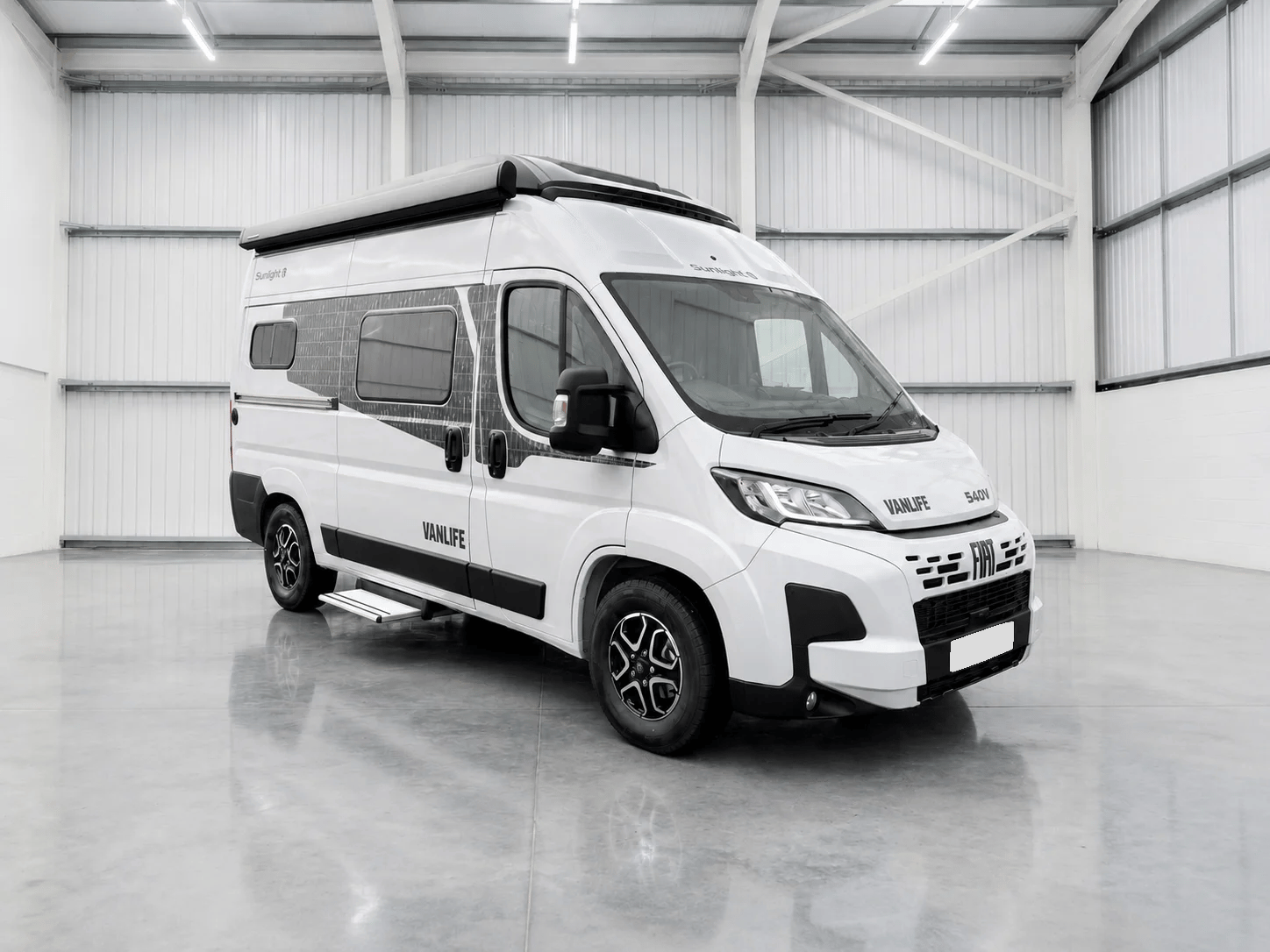
The camper you fall for is rarely the one you can afford. That gap is the whole reason Campervan.win exists. Right now we’re giving away the Sunlight Vanlife, worth around £65,000, and closing that gap is the point: capped entries so the odds stay honest, £10 a ticket, a maximum of five per person, £500 to a UK charity from every full draw, the winner picked by a public randomness beacon anyone can re-check, and one person driving away in the van itself.
Enjoyed this post?
Get more honest campervan guides like this one in your inbox.
You’re in!
Check your inbox. We’ve just sent you a welcome email.

About the author
Rowan
Rowan writes editorial features, comparisons, and industry context pieces that help readers understand the campervan and motorhome landscape.
Keep Reading
Related Reading
Thoughtful articles that build on what you’ve just read.
New & Noteworthy
12 min read
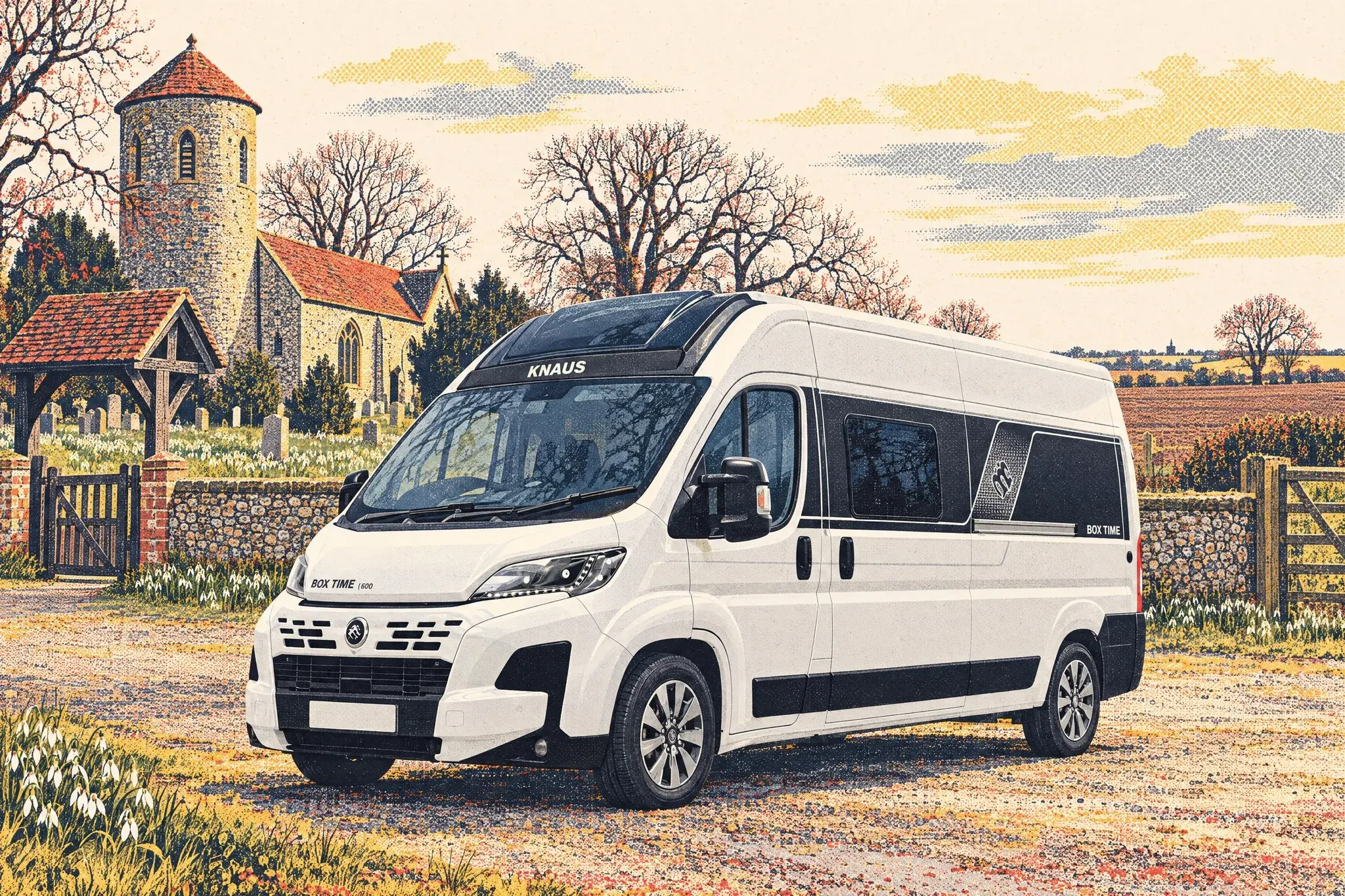
Knaus Boxtime 600 ME (2027): twin singles in 6 m, and the payload figure to question
Knaus's new Boxtime 600 ME squeezes two lengthways single beds into a 5.99 m van from £81,725. We lay out what that layout gives a couple, run the weight sums with Knaus's own figures, and explain why the 211 kg 'maximum payload' line needs a question before you sign.
New & Noteworthy
10 min read
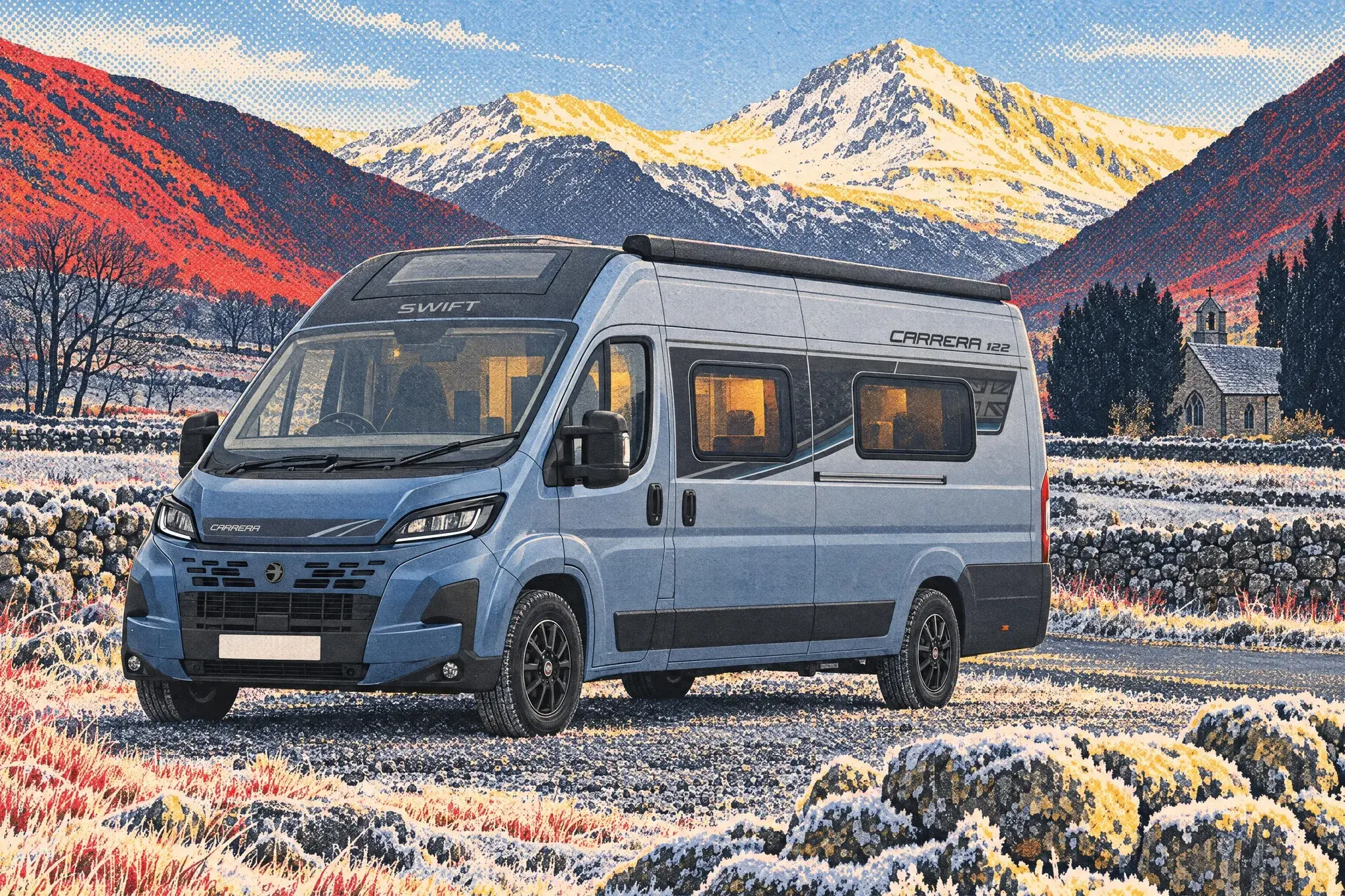
Swift Carrera goes gas-free for 2027: 340Ah lithium, diesel heat and induction cooking
Swift has taken the gas out of its Carrera campervan for 2027, swapping bottles for a 340Ah lithium battery, diesel heating and an induction hob. Here is what that means across a real UK year, how it compares with the cheaper Merlin, and the one question to ask at the NEC.
New & Noteworthy
10 min read
British campervan converters at the NEC 2026: who builds on what, and for how much
A stand-by-stand map of the British campervan converters at the Motorhome and Caravan Show 2026: the vans they build on, their from-prices, seats, roofs and lead times, plus the four questions to put to every one of them.
New & Noteworthy
9 min read
Plug-in hybrid campervans at the NEC: what a PHEV gives you and why full EVs are rare
Four UK converters have hybrid campers at or around the Motorhome and Caravan Show this October, while fully electric campers remain scarce. Here is what a plug-in hybrid camper does well, what the sellers rarely tell you, and the questions to ask on the stand.