
What is the best colour for a campervan? The honest answer

Written by
Felix
Felix covers campervan technology, layouts, and modern conversions, with a focus on design-led thinking and practical performance
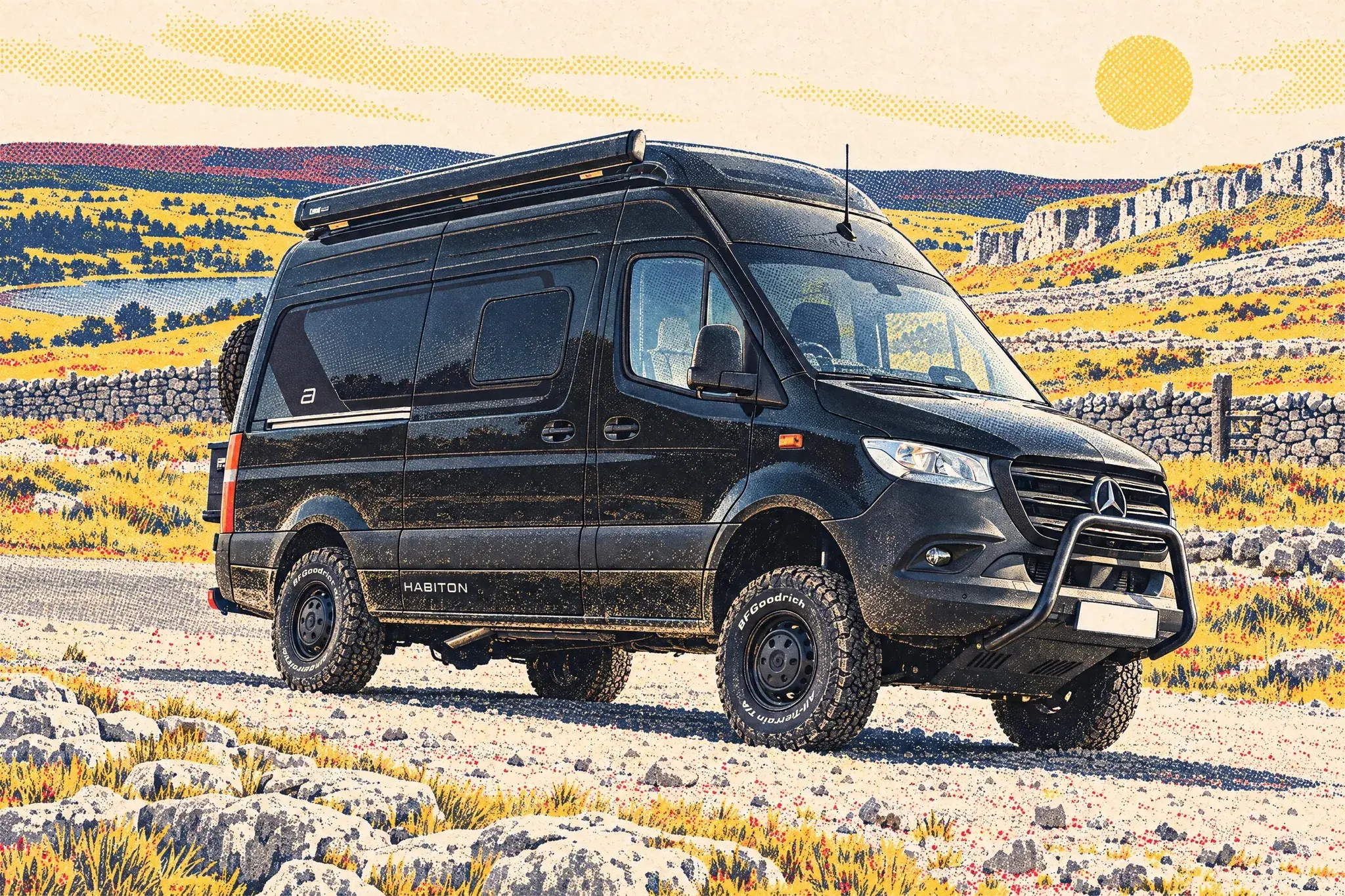
The short answer
For most owners the best campervan colour is a light, neutral shade like white, silver or light grey. Pale colours reflect more sunlight so the van stays noticeably cooler inside, they hide dust and water spots far better than dark paint, they are cheaper to repair and they hold their value because they suit the widest pool of buyers. Black looks dramatic but runs hottest, shows every mark and is the hardest to keep looking good.

Picture the van you really want. For a lot of people it is jet black, low and moody, the campervan equivalent of the Batmobile rolling onto a Cornish clifftop. We get it. It looks fantastic in photos. But before you order one or wrap your van in gloss black vinyl, it is worth knowing what that colour is actually like to live with. The short version: black is the hardest colour to own, and a light, neutral shade is the easiest. Here is the full picture so you can decide with your eyes open.
Why colour matters more on a campervan than on a car
A normal car is a metal box you sit in for an hour. A campervan is a metal box you live in, often parked in full sun for hours while you are off walking, and often left outside all year between trips. That changes the maths completely.
Three things make colour a bigger deal on a van than on a hatchback:
- Surface area. A camper has huge flat sides and a big roof. There is a lot of paint soaking up sun and a lot of paint showing every speck of dirt.
- Time parked in the sun. You are not driving with the air-con on. You are pitched up, doors shut, and the cabin is heating like a greenhouse while you are away from it.
- It is your home. Comfort inside, not just kerb appeal outside, is the thing you actually feel.
So the question is not only "what looks best" but "what is best to live with". Those two answers are not the same.
Heat: the single biggest reason to avoid black
This is the one that catches people out. Dark colours absorb sunlight and turn it into heat. Light colours reflect a much larger share of it straight back. On a sunny day the difference between a black panel and a white panel in direct sun can be tens of degrees Celsius at the surface, and that heat soaks through the bodywork into the living space.
You feel it in two ways. First, the obvious one: come back from a beach walk to a black van and the inside can be genuinely unpleasant, sometimes uncomfortably so, until you have had the windows open for a while. Second, the sneaky one: your fridge has to work harder, your habitation battery drains faster running fans, and if you have an air-con unit it is fighting a losing battle against the bodywork.
A pale van parked in the same spot, on the same day, simply starts cooler and stays cooler. That is free comfort you get every single sunny day you own it.
None of this means black is unusable. People do own black campers and love them. But you will spend more on ventilation, more thought on where you park, and more money on cooling than someone with a white van parked right next to you.
Dirt, dust and water spots: what you actually see
Here is the irony. Black looks immaculate for about ten minutes after a wash and terrible the rest of the time. Dark gloss paint shows everything:
- Dust and pollen as a grey film
- Water spots and limescale after rain or a hose-down
- Swirl marks and fine scratches from washing and brushing past hedges
- Salt residue from winter roads and coastal trips
A campervan lives outdoors and goes down muddy lanes to reach the good park-ups. It will get dirty. White, silver and light greys are far more forgiving. Silver in particular is the great hider of sins, which is exactly why so many fleet and commercial vans are silver or white. They look acceptable even when they badly need a wash.
If you love the look of black but hate cleaning, be honest with yourself now. A black van is a commitment to a bucket, two-bucket washing and a lot of microfibre, or it will look tired fast.
Resale value: the colour future buyers want
Campervans hold their value well by vehicle standards, and colour plays a real part in that. When you come to sell, you are selling to the largest possible pool of buyers. Safe, neutral colours suit the most people:
- White is the default and the easiest to sell. It never feels dated and it suits almost any conversion.
- Silver and light grey are close behind, smart without being risky.
- Tasteful mid tones such as a soft blue or a classic two-tone can actually add appeal on the right van, especially heritage-style campers.
Strong, divisive colours and full custom wraps narrow your buyer pool. Plenty of people will pass on a bright orange or matte black van simply because it is not their taste, and a smaller pool of buyers means either a longer wait or a lower price. None of this is a reason to buy a colour you dislike. It is just worth knowing that the unusual choice can cost you a little at the other end.
Repairs and touch-ups: the boring cost nobody mentions
Vans get scuffed. Car parks, hedgerows, gateposts, the occasional gritted lane. The colour you choose affects how easy and cheap that scuff is to put right.
- Solid white is usually the cheapest and easiest to colour-match and blend.
- Metallics and pearls cost more to repair because the bodyshop has to match the flake and lay the lacquer carefully.
- Matte and satin finishes are the trickiest of all. You cannot just polish out a mark, and matching a matte panel is a specialist job.
So a dark metallic or a matte wrap is not only harder to keep clean day to day, it is more expensive every time it needs attention. Light solid colours quietly save you money for years.
Safety and visibility
This one rarely comes up but it matters. A light-coloured vehicle is easier to see in poor light, in rain, at dusk and against a dark hedge or cliff. Darker vehicles are statistically a touch harder to spot in low light. For a big, slab-sided van that you will sometimes be reversing onto narrow lanes or parking on a roadside at night, being visible is a genuine plus. White and silver win again here.
So what about that black 4x4 look?
There is a reason the rugged, blacked-out adventure van has taken off. A black Bürstner Habiton X 4x4 on chunky tyres looks superb, purposeful and expensive. If that is your dream and you have seen one in the metal, we are not going to talk you out of the look you love. Just go in knowing the trade-offs:
- It will run hotter inside in summer, so budget for good ventilation and shading.
- It will show every mark, so factor in regular careful cleaning.
- Repairs and any matte finish will cost more to put right.
- It will appeal to fewer buyers when you sell.
If you are happy to manage all of that for a van that turns heads, fair enough. Style is a real reason to choose something. Just do not let anyone tell you black is the practical choice, because it is the opposite.
The middle ground: getting the look without the pain
You do not have to choose between dull and dramatic. There are smart ways to land in between.
Two-tone and contrast roofs
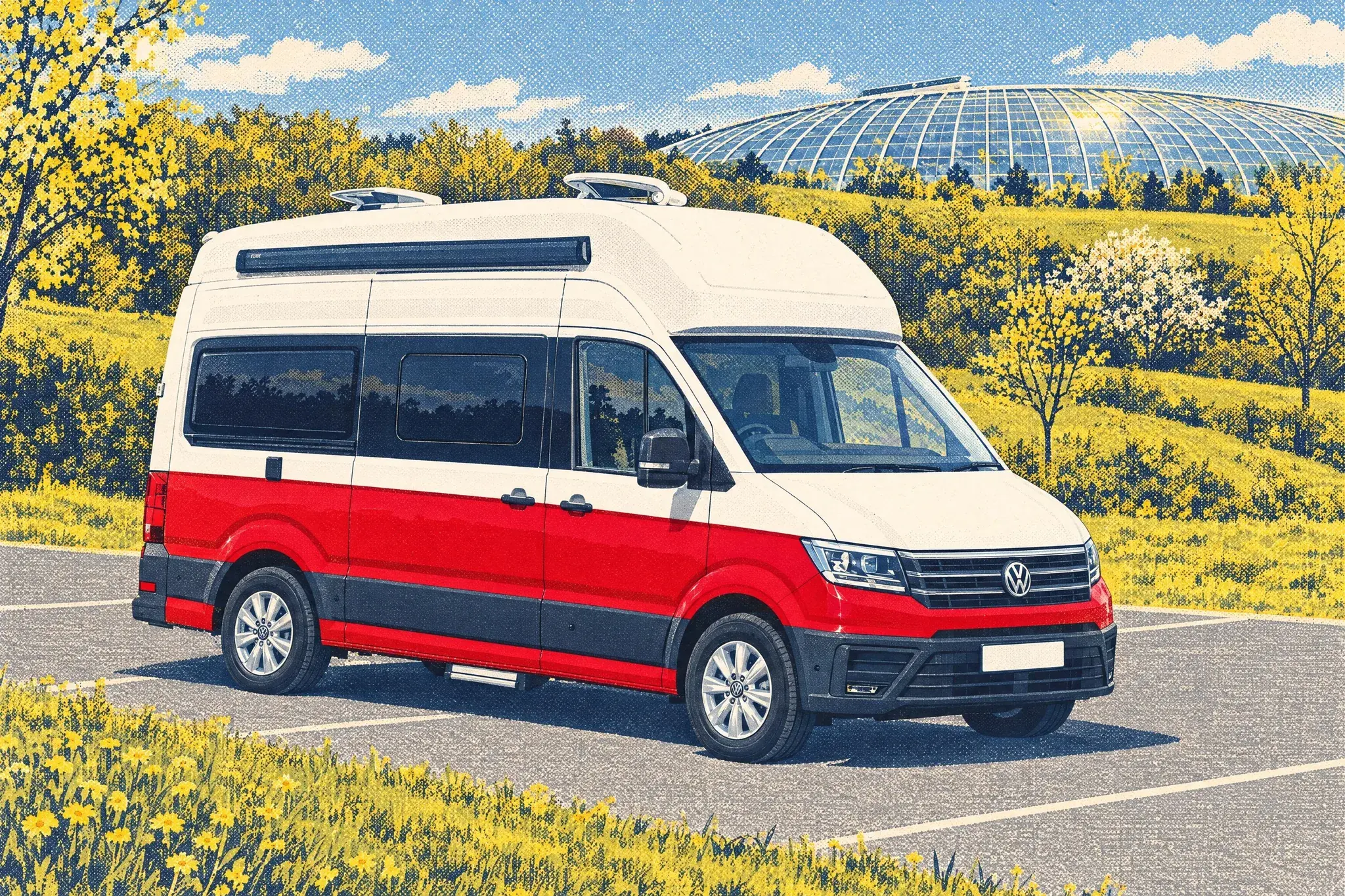
A light body with a darker roof or a contrast lower section gives character while keeping most of the heat-reflecting, dirt-hiding benefits where they count. Classic camper two-tones look timeless and tend to help resale rather than hurt it.
Mid greys and muted colours
If pure white feels too plain, a mid grey, a soft sage green or a muted blue gives personality without the heat penalty of true black. These shades sit comfortably between practical and characterful, and they tend to age well.
Vinyl wrap instead of paint
A wrap lets you change the look without committing the paint underneath, and you can remove it before selling to reveal a sensible factory colour. Bear in mind a dark wrap still absorbs heat just like dark paint, and matte wraps are the hardest to keep clean. A wrap changes the colour, not the physics.
Black accents, not a black van
You can get most of the tough, adventurous look from black details rather than black bodywork: black wheels, black bumpers and trim, black roof rails, a black awning and a darker graphics pack on a light body. You keep the cool, easy-clean panels and still get the attitude.
What about lifestyle and where you travel?
Your typical trip should nudge the decision.
- Lots of hot, sunny touring, southern Europe, summer coast trips: lean as light as you can. Heat is your main enemy and white or silver is your friend.
- Mostly UK touring, frequent rough lanes and farm pitches: a light or mid colour that hides mud and dust will look better between washes.
- Winter and year-round use, salty roads: lighter colours hide salt film and stay easier to inspect for rust and damage.
- Mainly stored and shown off, plenty of cleaning time: this is the only case where a dark, dramatic colour really makes sense, because you have the time and inclination to keep it perfect.
The bottom line
If you want the easiest van to live with, choose light and neutral. White is the safe king: coolest, cleanest-looking for the least effort, cheapest to repair and easiest to sell. Silver and light grey are nearly as good and a touch smarter. Mid tones and tasteful two-tones give you character without much penalty.
Black is the worst colour for a campervan on every practical measure. It runs hottest, shows the most dirt, costs the most to fix and sells to the fewest people. It also happens to look magnificent, which is why people keep buying it. If you go black, do it because you genuinely love the look and you are ready to do the extra work, not because you think it is sensible. For everyone else, a light van will quietly make your ownership cheaper, cooler and easier, every sunny day, for years.
Common questions
Is a black campervan really hotter inside?
Yes, noticeably. Dark paint absorbs far more sunlight than light paint, and that heat soaks through the bodywork into the living space. A black van parked in the sun starts hotter and stays hotter than a white one in the same spot, so you will rely more on ventilation, shading and cooling.
What is the best colour for resale value?
White is the easiest to sell because it suits the widest range of buyers and never looks dated. Silver and light grey are close behind. Strong, divisive colours and full custom wraps narrow your buyer pool, which can mean a longer wait or a lower price when you sell.
Which colour hides dirt best on a campervan?
Silver and light grey hide dust, mud and water spots best, which is why so many working vans are those colours. White is also forgiving. Black looks immaculate just after a wash but shows every speck of dust, swirl mark and water spot the rest of the time.
Can I get the rugged blacked-out look without going fully black?
Yes. Keep a light or mid body colour and add black details: black wheels, bumpers, trim, roof rails, awning and a darker graphics pack. You get most of the tough, adventurous look while keeping the cooler, easier-to-clean panels.
Does a vinyl wrap change how hot the van gets?
No. A wrap changes the colour but not the physics, so a dark wrap still absorbs heat just like dark paint. Wraps are useful for protecting the original paint and letting you revert to a neutral colour before selling, but a matte dark wrap is also the hardest finish to keep clean.
The reachable bit
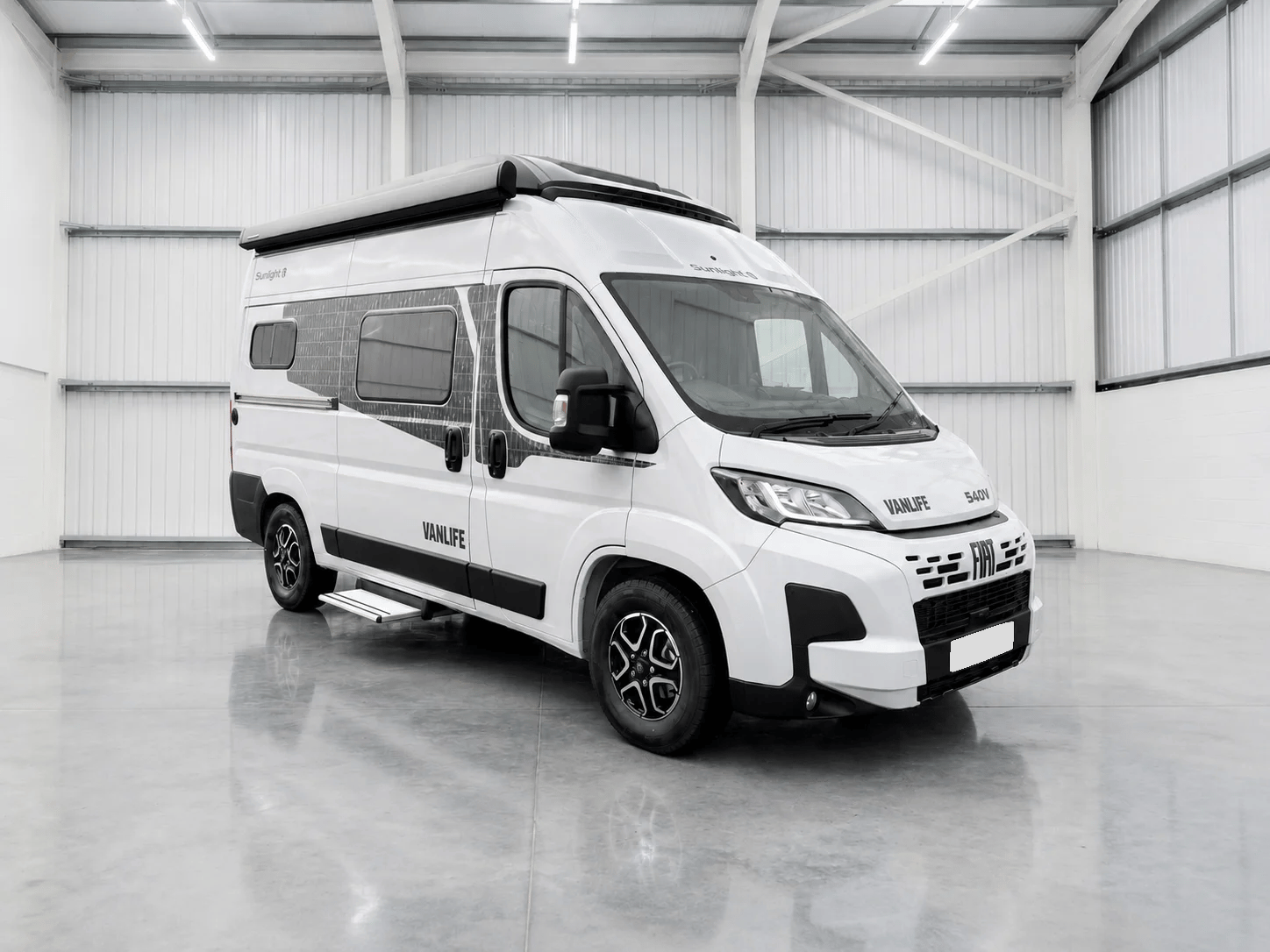
The camper you fall for is rarely the one you can afford. That gap is the whole reason Campervan.win exists. Right now we’re giving away the Sunlight Vanlife, worth around £65,000, and closing that gap is the point: capped entries so the odds stay honest, £10 a ticket, a maximum of five per person, £500 to a UK charity from every full draw, the winner picked by a public randomness beacon anyone can re-check, and one person driving away in the van itself.
Enjoyed this post?
Get more honest campervan guides like this one in your inbox.
You’re in!
Check your inbox. We’ve just sent you a welcome email.

About the author
Felix
Felix covers campervan technology, layouts, and modern conversions, with a focus on design-led thinking and practical performance
Keep Reading
Related Reading
Thoughtful articles that build on what you’ve just read.
Design, Layout & Living Space
11 min read
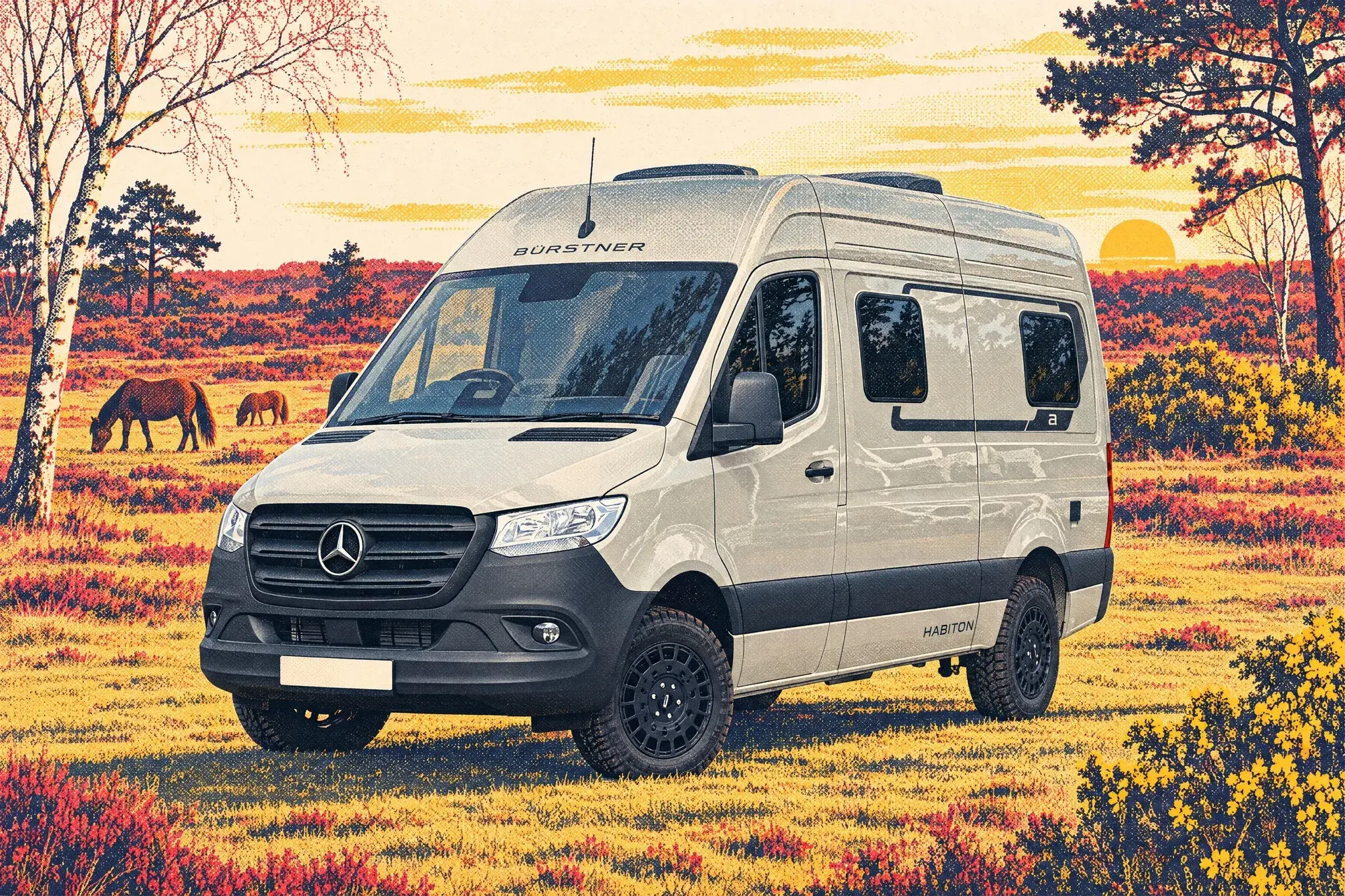
2027 Bürstner Habiton HM 6.1: can a transverse-bed campervan really work for taller UK couples?
The new Habiton HM 6.1 widens the back of a Mercedes Sprinter to fit a transverse bed quoted at around two metres. We look honestly at whether that solves the old problem of taller people sleeping sideways in a van.
Design, Layout & Living Space
9 min read
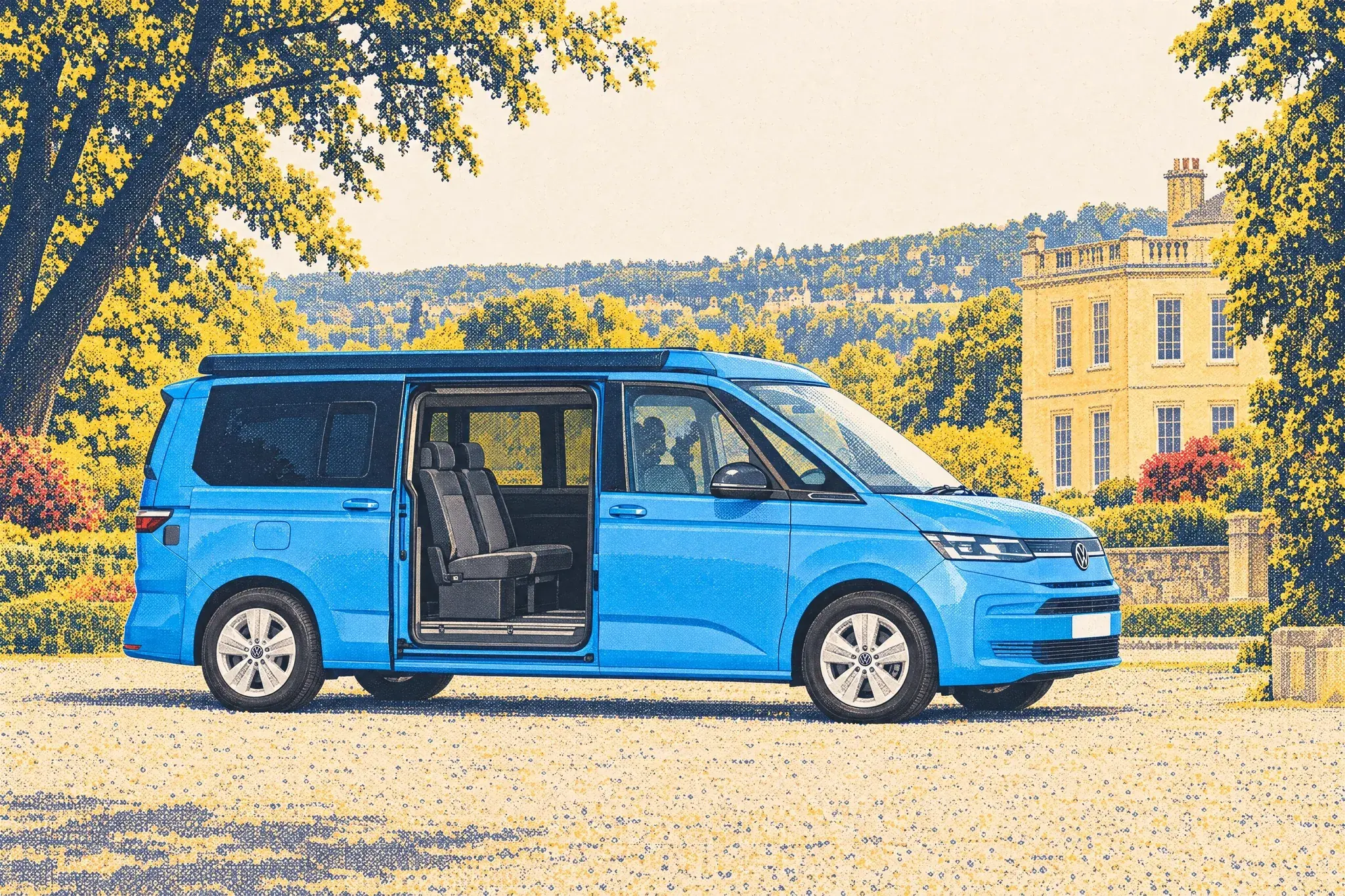
Seats on tracks: why American campervans slide and remove them, and UK ones usually don't
American adventure vans often have rear seats that slide, lock and lift out on floor tracks. UK conversions usually feel more fixed. Here's the honest reason why, and what you can actually get over here.
Design, Layout & Living Space
30 min read
Natural light in a motorhome: how rooflights and windows transform van living
Light is the quiet thing that makes a van feel like a home rather than a metal box. Here is an honest, detailed guide to rooflights, windows, glazing and placement, with real UK numbers and the trade-offs nobody mentions.

Design, Layout & Living Space
20 min read
The clever staircase: how the Sunlight Vanlife 540 lives like a small flat
Most compact campervans force you to choose between a fixed bed and a proper living space. The Sunlight Vanlife 540 refuses the choice with one unusual idea: a permanent staircase up to the bed, which frees the whole rear of the van for a lounge. Here's why it works so well.