
Campervan Internal Height: The One Measurement Taller Buyers Should Obsess Over

Written by
Arthur
Arthur writes buying guides, comparisons, and in-depth explainers to help readers choose the right campervan or motorhome with confidence.
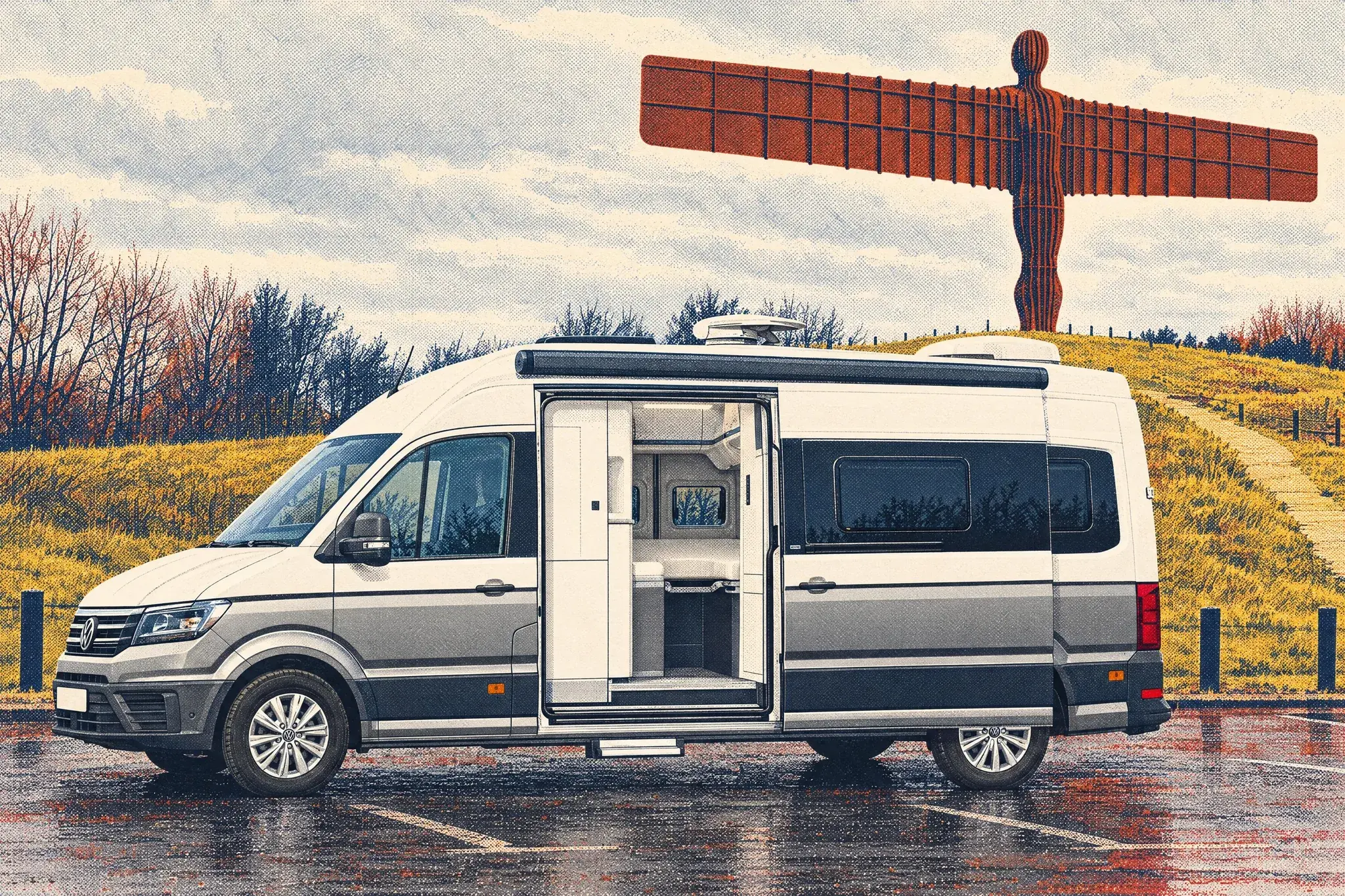
The short answer
For taller buyers, internal height is the single campervan measurement worth obsessing over, because it quietly decides whether you stand comfortably or spend the whole trip ducking and hunching. It is easy to overlook, since brochures push external length and flashy layouts, and the label can mislead: a high roof varies between models, flooring (especially dual-layer floors) quietly steals headroom, and bathrooms and kitchens are where tall people first meet ceilings, rooflights and lockers. Pop-tops cure height in small vans but help less in bigger ones. The fix is wonderfully simple and free: ignore the brochure number, go and stand where you would actually live, use the bathroom and walk the wet-evening route, and if your body relaxes, it is worth taking seriously. Here is exactly what to check, so your neck thanks you every mile.

Stand in a campervan showroom for long enough and you will see it happen. Someone steps inside, straightens up, and you can almost hear the mental arithmetic. They are not thinking about upholstery fabric or whether the hob has three burners. They are thinking: can I live in here without constantly shrinking myself?
Internal height is one of those boring sounding specs that becomes deeply personal the moment you are the wrong side of average. If you are tall, or even just tallish with a stiff back, ceiling height is not a nice to have. It is the difference between a relaxing weekend away and two days of ducking, hunching, and moving like you are sneaking through your own holiday.
Even if you are not especially tall, internal height still matters because it affects everything around you. Storage choices, insulation, lighting, how the bed is positioned, whether the shower is usable, and how the space feels on a rainy afternoon when you are stuck inside. This is the bit of campervan and motorhome shopping that tends to get skipped because brochures love external length and flashy layouts. Internal height does not photograph well. Your neck will notice it anyway.
This is a practical guide to internal height, with the real world stuff that brochures rarely explain. The differences between base vehicles. Why a pop top does not magically fix the problem in most bigger campervans and motorhomes. How flooring choices steal or save headroom. Whether level flooring is genuinely important. And what dual layer flooring is actually doing for you, beyond adding another line to the spec sheet.
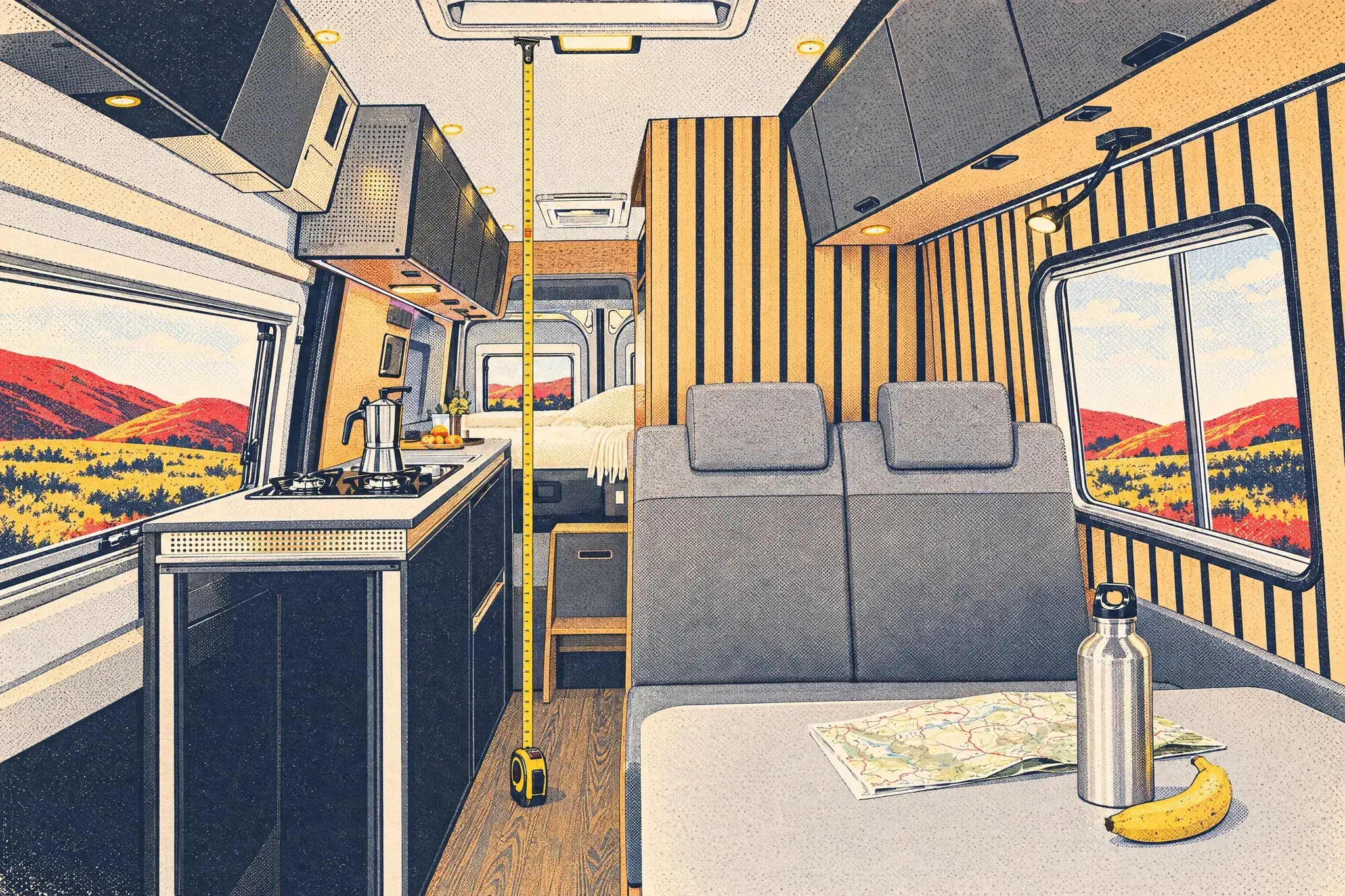
First, what does “internal height” actually mean?
When people say internal height, they usually mean standing headroom in the main living area. In practice, that is not one measurement.
There is standing height where you naturally stand, which might be near the kitchen. There is height under rooflights, which can be less generous than you expect because rooflight frames and blinds drop down into the space. There is height in the bathroom, where shower trays, raised floors, and ceiling mouldings can steal the crucial centimetres. There is height by the bed, where overhead lockers can make the space feel low even if the roof is technically high.
Then there is the simple reality that humans do not stand like a broom handle. You wear shoes. You stretch. You put on a coat. You step up from outside into the living area and straighten your spine. Your hair exists. If you are tall, the difference between “I fit if I stand exactly here” and “I can move normally” is the difference between tolerable and genuinely comfortable.
So when you are comparing vans, treat internal height as a lived experience rather than a brochure number. Go and stand where you would actually spend time, then walk from the sliding door to the kitchen, to the lounge, to the bathroom, and back again. If you can do that without thinking about your neck, you are already ahead.
Why tall people notice it more than they expect
If you are around six foot or above, you probably already know you duck through doorways in old cottages and you have learned not to stand up too quickly under a loft bed. What catches people out with campervans and motorhomes is that the compromises keep stacking up.
You might fit in the middle of the living space, but then you move to the sink and the rooflight is right above your head. Or the floor is thicker because of insulation and tanks, so your standing height drops. Or the bathroom ceiling curves down. Or the designer has added a chunky blind cassette that knocks off a couple of inches exactly where you would normally stand to cook.
Taller people also tend to have longer reach and different comfort needs. If you are permanently stooped, your shoulders creep forward, your lower back tightens, and suddenly a weekend feels like a workout you did not ask for. You will also be more aware of whether the layout forces you to stand in the same low spot repeatedly. One low point you can avoid is manageable. A low point at the kitchen sink is a daily irritation.
The surprising thing is that internal height can matter even more in a motorhome than you expect. You might assume a motorhome is always taller and therefore fine. Many are, but not all. Coachbuilt motorhomes have their own compromises, especially when there is a double floor or a raised rear bed. Some coachbuilts give you huge lounge height and then a bathroom that feels like it was built for someone on tiptoes.
The base vehicle: where headroom begins
Most campervans start with a base vehicle and a roof choice. Motorhomes might be built on a chassis and then given a coachbuilt body. Either way, the “starting point” matters.
There are lots of reasons to choose one base vehicle over another. Driving position, engine, servicing, gearbox, overall width, and so on. For tall buyers, the base vehicle matters because roof shapes and available roof heights vary, and converters make different design decisions on top of that.
Here is the simple, lived in version of what people tend to notice.
Fiat Ducato: slightly taller, often feels airier
Fiat based campervans have a reputation for feeling that bit taller inside, and many tall buyers do find they get a touch more headroom in Ducato conversions compared with some rivals. It is not a rule that overrides everything else, but if you step into a few similar layouts across different bases, you may well feel the Fiat gives you a fraction more breathing space.
Part of this is how common the Ducato is in the campervan world. Because so many converters work with it, there are more variants and roof solutions. There is also a lot of experience in packaging bathrooms, lockers, and furniture in a way that works with the available height.
If you are tall, the Ducato is often a strong starting point, not because it is magically huge, but because it tends to be friendly to practical interior design. You will still need to check the specific conversion, especially the bathroom and kitchen areas. A raised floor or thick insulation can quickly cancel out a small height advantage.
Mercedes Sprinter: not the tallest, but good for most people
The Sprinter is a favourite for many reasons and it can be a very comfortable touring vehicle. In terms of standing height, it is usually not the absolute tallest option once you compare like for like high roof conversions, but for most people it is still perfectly workable.
For taller buyers, the question with Sprinter conversions is often about where the tight spots are rather than whether you fit at all. You might have good height down the main aisle, then a slightly lower area near the kitchen because of a rooflight position. Or the bathroom might be more compromised depending on layout. The Sprinter can be absolutely fine for tall users, but it rewards careful checking rather than assumption.
Another consideration is that some Sprinter conversions prioritise a sleek, insulated, high quality feel, which sometimes means thicker ceiling panels and more substantial linings. That can nibble away at height in a way you might not spot in photos.
Volkswagen Crafter: often feels the tallest inside
The Crafter often comes up as the tallest feeling option in the big panel van world. If you are tall and you step into a well executed Crafter conversion, the first impression can be a sense of proper vertical space. Not just fitting, but being able to stand and move naturally.
That feeling is not only about the raw roof height. It is also how the interior can be built without constantly stealing height back. If the converter has managed insulation, lighting, and overhead storage intelligently, the Crafter can feel genuinely roomy in a way that makes daily life calmer.
For very tall people, the Crafter is often worth prioritising when you are shortlisting, particularly if you know you want a fixed shower, a decent lounge, and the ability to stand up without picking your spots.
High roof, extra high roof, and why the label is not the whole story
You will see terms like high roof and extra high roof thrown around. They are useful, but they do not guarantee a certain internal height because the conversion eats into it.
Think of the van as a sandwich. The metal roof is just the top slice. Underneath, you have insulation, structural battens, wiring channels, ceiling panels, and often rooflight frames and blind units. Those layers vary enormously between converters. Two vans with the same base vehicle and roof height can feel very different.
The same goes for the floor. Many conversions add insulation, plywood, sometimes underfloor heating, and sometimes a raised structure to accommodate tanks and pipes. Your feet might end up several centimetres higher than the base van floor. That is lovely for warmth and practicality, but it is also headroom spent.
When you are comparing vans, ask two questions:
- Where is the tallest standing spot, and how tall is it in reality?
- How much of the living routine happens in places that are lower than that?
Pop tops: brilliant in small campervans, less of a height fix in bigger ones
Pop tops have a special place in campervan culture because they can transform a compact campervan. In something like a VW California style of campervan, a pop top can change how the van lives. You get stand up space where you previously had none. You get airflow. You get an upstairs bed. It makes a small campervan feel twice as usable.
In larger campervans and many motorhomes, pop tops do not work in the same way. They can still be useful, but they do not usually solve the core internal height issue for tall people.
Here is why.
The standing space is often limited to one zone
On many bigger conversions, the pop top opening is positioned over the lounge or a specific area. That means you get extra headroom in one rectangle of floor space. If your problem is hunching at the kitchen sink or in the bathroom, a pop top does not help. You might have a lovely tall lounge and then still have to duck to wash up.
The structure around the opening steals height elsewhere
A pop top is not just a hole and a tent. There is a frame, reinforcement, and often a bed board or mechanism. Even when the roof is down, that structure can slightly reduce standing height underneath it. In a small campervan where you previously had almost no standing height, that trade can be worth it. In a bigger campervan where you already have decent height, the trade can feel less appealing if you are already pushing your headroom limit.
Motorhomes already have coachbuilt options that do the job better
If you are shopping in motorhome territory, a coachbuilt body can give you generous height without complicated mechanisms. A pop top can still add sleeping capacity, but it is rarely the best answer to “I am tall and I want to stand comfortably”.
Weather and routine matter
Pop tops are fantastic in good weather. They are less fun in wind, heavy rain, and winter touring. If your plan is year round UK use, your daily comfort will come more from solid headroom and good heating than from an extra tented space. Pop tops have their place, but tall buyers should treat them as a bonus rather than the solution.
Flooring: where headroom is quietly lost
If internal height is the thing above your head, the floor is the thing beneath your feet that quietly changes it. Flooring is one of the most underrated parts of campervan and motorhome design, and it has a very direct effect on tall people.
There are three main questions:
- How thick is the floor build up?
- Is it level throughout?
- Is there a dual layer or double floor system?
Each has comfort benefits and each has trade offs, including headroom.
Floor build up: the centimetres you never get back
A basic conversion might have a relatively thin insulated layer and a plywood top. A more heavily insulated build might add thicker insulation, a more substantial subfloor, and additional layers for wiring and heating. Motorhomes sometimes have a raised floor to fit tanks and services.
Every layer added to the floor reduces internal height. Sometimes that is worth it. Warm feet and good insulation can make winter touring genuinely enjoyable. But if you are already close to the ceiling, an extra couple of centimetres can be the difference between comfortable and constantly aware.
A practical way to think about it is this. If you want to be comfortable standing, you do not just need to fit. You need a margin. A van that gives you a small margin in summer shoes might become annoying in boots and a thick jumper. And if you ever need to stretch, or you are cooking for an hour, that margin matters.
If you are tall, ask about the floor build up. Many dealers will not have a ready answer, but converters often do. Even if you cannot get a number, you can compare how “high” the floor feels relative to the step in.
Level flooring: does it really matter?
Level flooring sounds like a luxury, the sort of thing you only care about if you are comparing premium motorhomes. In reality, it affects day to day ease more than people expect, but it is not always essential.
A level floor is exactly what it sounds like. No step up into the lounge. No raised platform before the bathroom. No little ridge where the furniture starts. You can walk from front to back without changing your stride.
Why it is nice:
- It feels calmer. You stop thinking about where your feet are going.
- It is safer at night. Midnight trips to the loo are less of an obstacle course.
- It is kinder on knees and backs. This matters more if you have any stiffness, or if you are tall and already managing posture.
- It makes the space feel larger. A continuous floor makes the interior read as one space.
Why it is not always a deal breaker:
- Steps exist for good reasons. Raised rear beds allow big garages. Raised bathroom floors can hide plumbing and tanks. In a panel van conversion, a small step can create a lot of usable storage.
- You get used to it quickly if it is well designed. A single, obvious step with good lighting is not a daily drama.
- In compact campervans, chasing a perfectly level floor can mean giving up storage or insulation that you might value more.
For taller people, the headroom link is interesting. A step down in one area can effectively create more headroom where you stand most. Some converters drop the floor slightly in the aisle or kitchen area, which can be a clever way to help tall users. A fully level floor might look tidy, but it might also mean the tall person loses the one section that gave them extra headroom.
So the benefit of level flooring depends on the layout and your priorities. If you value effortless movement, or you are touring with kids, or you know you are clumsy when tired, level flooring can be a quiet joy. If you are tall and you need maximum headroom where you cook and stand, a well placed lowered aisle might matter more than perfect level.
A good test is to walk through a van as if it is night time and you are half asleep. If you immediately spot a trip hazard, that is a mark against it. If the steps are obvious, well lit, and feel natural, you might not care.
Dual layer flooring: what it is and why it exists
Dual layer flooring, often called double floor in motorhome circles, is where there are effectively two floors. The structural floor sits lower, and then a second raised floor creates a space between them. This void can be used for insulation, routing services, and storage. In some motorhomes it is a full double floor that runs throughout. In others it is partial.
Why people like it:
- Warmth. A double floor can massively improve insulation and reduce cold spots.
- Protected services. Tanks and pipes can be inside the heated envelope, reducing freezing risk.
- Extra storage. Some designs give you proper internal lockers or a heated storage space.
- Quieter ride. The extra structure can help with sound and vibration.
The trade off is simple. A double floor eats headroom. Even if the motorhome body is taller overall, some of that height is being spent on a void you cannot stand in.
For tall buyers, a double floor can be a blessing or a curse depending on the overall design. If the motorhome is tall enough to begin with, you get warmth and comfort with no pain. If the motorhome is only just tall enough, you might find your shower height is compromised, or you are brushing roof vents in the aisle.
It is worth thinking about how you actually tour. If you love winter trips, or you are often parked up in cold, damp conditions, the comfort of a properly insulated floor is hard to overstate. Cold feet make everything feel more miserable. On the other hand, if most of your touring is spring to autumn and you prioritise ease of movement and standing comfort, you might prefer a simpler floor build that keeps your headroom generous.
Bathrooms: the place where tall people discover the truth
Many tall buyers step into the main living area, breathe a sigh of relief, and then open the bathroom door. This is where internal height gets real.
Shower trays are often raised. Ceiling mouldings curve. Rooflights and vents sit directly above the shower. If the bathroom is a wet room, the ceiling can be lower because of how the structure is framed. If it is a separate shower cubicle, it might be tall enough but narrow in a way that makes tall shoulders feel trapped.
If a shower matters to you, do not accept vague reassurance. Step in. Close the door. Stand straight. Lift your arms as if you are washing your hair. If you cannot do that without contorting, you are not going to enjoy it after a muddy walk in the rain.
One useful trick is to bring a tape measure, but also trust your body. Numbers help, but the feeling of whether you can move normally is the thing that will decide whether you love the van.
Kitchens: where rooflights and lockers steal the crucial inch
The kitchen is another spot that often catches tall people out, because converters like to place rooflights above the kitchen for ventilation and light. That is sensible, but rooflight frames and blind units can drop into the living space. If you are tall, that can put a hard edge right where your head naturally sits when you lean slightly forward to use the sink.
Overhead lockers above the kitchen can do the same. They are useful storage, but they lower the perceived ceiling height and can make you feel boxed in.
When you are viewing, stand at the kitchen and do a few normal movements. Wash your hands. Pretend to chop vegetables. Lean forward slightly as if you are doing washing up. If you find yourself instinctively bending your neck, pay attention. It is easy to ignore in the excitement of a viewing, but it will become a daily annoyance.
Beds: height affects sleep, not just standing
Internal height is not only about standing. It also affects sleep comfort, especially in fixed beds and pop top beds.
If the bed is positioned under overhead lockers, you might not be able to sit up comfortably. If the ceiling curves down near the rear doors, you can feel cramped even if the bed is long enough. If you are tall, you are more likely to notice this because your torso sits higher when you prop yourself up.
In pop top beds, tall people should pay attention to the fabric sides and headroom above the mattress. It can be cosy, which is lovely, but it can also feel tight if you are broad shouldered or you like to sit up with a book.
So what should tall buyers actually do when choosing?
Here is a practical approach that keeps you sane.
Decide your non negotiables
If you are very tall, you might have a clear line: you must be able to stand comfortably in the living area and you must be able to use the bathroom without crouching. That is fine. Set it early. It saves you from falling in love with layouts that will annoy you.
Measure yourself the way you actually exist
If you are six foot two in socks, you are taller in shoes. If you have thick hair, you are taller again. If you like wearing boots on trips, you are taller again. That might sound silly, but it is exactly why people end up disappointed.
Check the real standing spots
Do not just stand by the door. Stand at the kitchen. Stand in the aisle where you would walk. Stand in the bathroom. Then walk through the van naturally. The best vans for tall people are the ones where you stop thinking about it.
Compare like for like across base vehicles
If internal height is a priority, it is worth stepping into a Fiat based conversion, a Sprinter based one, and a Crafter based one, even if you think you already know your favourite. Differences you cannot see on paper become obvious in person.
As a general sense of what many people report and feel when viewing, Fiat based campervans often feel slightly taller inside, the Crafter can feel like the tallest of the common panel van bases, and the Sprinter is not usually the tallest but works well for most people. The key is to treat that as a starting hunch, not a rule. Converters and floor builds can change everything.
Be cautious about using a pop top as a fix
If you are buying a larger campervan or a motorhome because you want space and comfort, do not assume a pop top solves standing height. It might give you a tall lounge area, but it will not change the kitchen or bathroom. Consider it if you want extra sleeping capacity or extra ventilation, but do not buy it expecting it to turn a low van into a tall one in the way it can with small campervans.
Think about flooring in the context of your touring style
If you tour year round, you will appreciate warm feet and good insulation. Dual layer flooring can be a genuine comfort upgrade, and it can make a motorhome feel more solid and refined. But if you are tall and you are already near the ceiling, prioritise headroom where you stand and wash.
Level flooring is lovely, but it is not always the most important feature. A single step can be fine if it is obvious and well designed. On the flip side, a level floor can make the whole interior feel calmer and more spacious. The trick is to judge it by walking the space the way you would at midnight, not by admiring it in daylight.
Real world examples of how this plays out
It helps to picture a few common scenarios.
Scenario one: tall couple, weekend touring, lots of cooking
You are away Friday to Sunday, often in the shoulder seasons, and you cook most meals inside. For you, kitchen headroom is critical because you will stand there for long stretches. A van that has decent height at the door but a low rooflight over the sink will annoy you fast.
In this case, look for a layout where the rooflight is slightly forward or back from the main standing position, or where the converter has kept ceiling build up slim. Flooring matters too, because a thick floor build can steal headroom exactly where you need it.
Scenario two: solo tall traveller, outdoor focused, shower is essential
You walk, cycle, get rained on, and you want a proper shower. This is where bathroom height becomes the deciding factor. You might accept slightly less living area height if the shower works. A coachbuilt motorhome can be a strong option here, but you still need to check because some bathrooms are compromised by vents and mouldings.
Double floor can be brilliant if you are touring in winter, but check it does not turn the shower into a crouch zone.
Scenario three: family touring, level floor for safety
If you have kids, or you are touring with someone who is less steady on their feet, level flooring can feel like a real quality of life upgrade. It reduces the number of times you say “mind the step” and it makes moving around the van feel more like being at home.
For tall parents, the headroom compromise might be worth it if the overall interior height is generous enough. If it is borderline, you might choose a layout with a small step but more standing space where you need it.
Small details that affect perceived height
Two vans can have similar numbers and feel different. A few things change perception:
- Light coloured ceilings and good lighting make a space feel taller. Dark ceilings make it feel lower, even if the tape measure disagrees.
- Large rooflights bring in light but can reduce height if the blind cassette is bulky.
- Slim overhead lockers preserve a feeling of space. Deep lockers can make you feel boxed in.
- Window placement matters. Higher windows can make a van feel more open, but they can also reduce space for lockers and force storage into other areas.
- Seat bases and swivels change eye level. If you sit slightly higher, the ceiling feels closer when you stand up and move around. It is subtle, but tall people notice.
None of these are deal breakers on their own. They just explain why you should always step inside rather than trusting spec sheets.
A quick word on “I am fine at home, why do I feel cramped in vans?”
Homes have tall ceilings, and even when they do not, you do not spend the whole day moving around in a narrow corridor with overhead cupboards. Campervans and motorhomes compress daily life into a few square metres. That makes small discomforts more noticeable.
You also move differently inside a van. You lean forward more. You twist more. You change direction in tight spaces. If your head is close to the ceiling, your posture adapts without you noticing until your shoulders ache.
That is why internal height is not just about being able to stand still. It is about being able to live.
Choosing with confidence, not paranoia
If you are tall, it is easy to get stuck in a loop of measuring everything and worrying you will buy the wrong thing. The aim is not to find perfection. The aim is to find a van that feels natural.
The best sign is simple. You step inside, you stand up, and you forget about your head. You start looking at the view out the window. You start imagining making a brew. You stop bracing yourself.
If you get that feeling in a van, pay attention. If you do not, do not talk yourself into it because the upholstery is nice.
Conclusion
Internal height is not glamorous, but it is one of the most honest measures of whether a campervan or motorhome will suit you. Taller people feel the consequences quickly. It shapes posture, comfort, and the everyday rhythm of moving around a small space.
As a broad guide, many buyers find Fiat based campervans feel slightly taller inside, the Crafter often feels like the tallest of the common panel van bases, and the Sprinter is not usually the tallest but is still a solid fit for most people. But none of that matters as much as the specific conversion, because flooring build up, rooflights, lockers, and bathroom design can take away the precious centimetres.
Pop tops are wonderful in small campervans because they add usable standing space where there was little or none. In larger campervans and motorhomes, they often add height only in a limited zone and do not fix kitchen or bathroom headroom. Treat them as a feature, not a cure.
Flooring deserves more attention than it gets. Level floors can make a van feel calmer and safer, especially at night, but steps are not automatically bad if they are well designed and they unlock storage or better bathroom packaging. Dual layer flooring can bring genuine warmth and refinement, but it can also reduce headroom, so tall buyers should check the shower and main standing areas carefully.
The simple advice is to stand where you would live. Walk the route you would take on a wet evening. Use the bathroom as if it is actually Tuesday, not a sunny showroom visit. If your body relaxes, you have found something worth taking seriously. If you start shrinking yourself the moment you step inside, keep looking. Your neck will thank you every mile.
Common questions
Why is internal height so important when buying a campervan?
Because it decides whether you can live in the van without constantly shrinking yourself, and that becomes deeply personal if you are tall or have a stiff back. It is the difference between a relaxing weekend and two days of ducking and hunching. It also shapes storage, lighting, the bed position and whether the shower is usable, so it matters even if you are not especially tall.
What internal height do I need in a campervan if I am tall?
There is no single number, because what counts is genuine standing headroom where you actually live, not the brochure figure. The only reliable test is to stand in the van in the kitchen, the bathroom and the main aisle and see whether you can straighten up comfortably. Aim for clear headroom above your full standing height in the spots you will use most, with a margin for the floor build-up.
Does a high-roof campervan guarantee enough headroom?
Not automatically, the label is not the whole story. High roof and extra-high roof mean different things on different base vehicles, and the usable internal height varies. Flooring build-up, especially dual-layer floors, can quietly remove headroom, and lockers and rooflights intrude in the kitchen, so two vans both called high-roof can feel very different inside. Always measure where you will stand.
Do pop-tops solve headroom for tall people?
In small campervans, yes, a pop-top is a brilliant height fix that turns a cramped van into one you can stand up in. In bigger campervans it helps less, because those often already have a fixed high roof, and a pop-top mainly adds a sleeping area rather than transforming standing height. So a pop-top is more of a height solution in a small van than a large one.
Where do tall people lose headroom in a campervan?
Mostly in the floor, the bathroom and the kitchen. Flooring, especially insulated dual-layer floors, quietly raises the floor and lowers effective height; the bathroom is where many tall people discover the ceiling or shower is too low; and in the kitchen, rooflights and overhead lockers steal the crucial inch. Beds matter too, since height affects how easily you sit up and sleep, not just standing.
Why do I feel cramped in a campervan when I am fine at home?
Because a van compresses everything: lower ceilings, narrower walkways, and surfaces close on every side, so the same body that is comfortable in a house feels boxed in. That is why measuring and, better, physically standing and moving through the van matters so much. Walk the route you would take on a wet evening and use the bathroom as if it is a normal Tuesday, not a sunny showroom visit.
The reachable bit
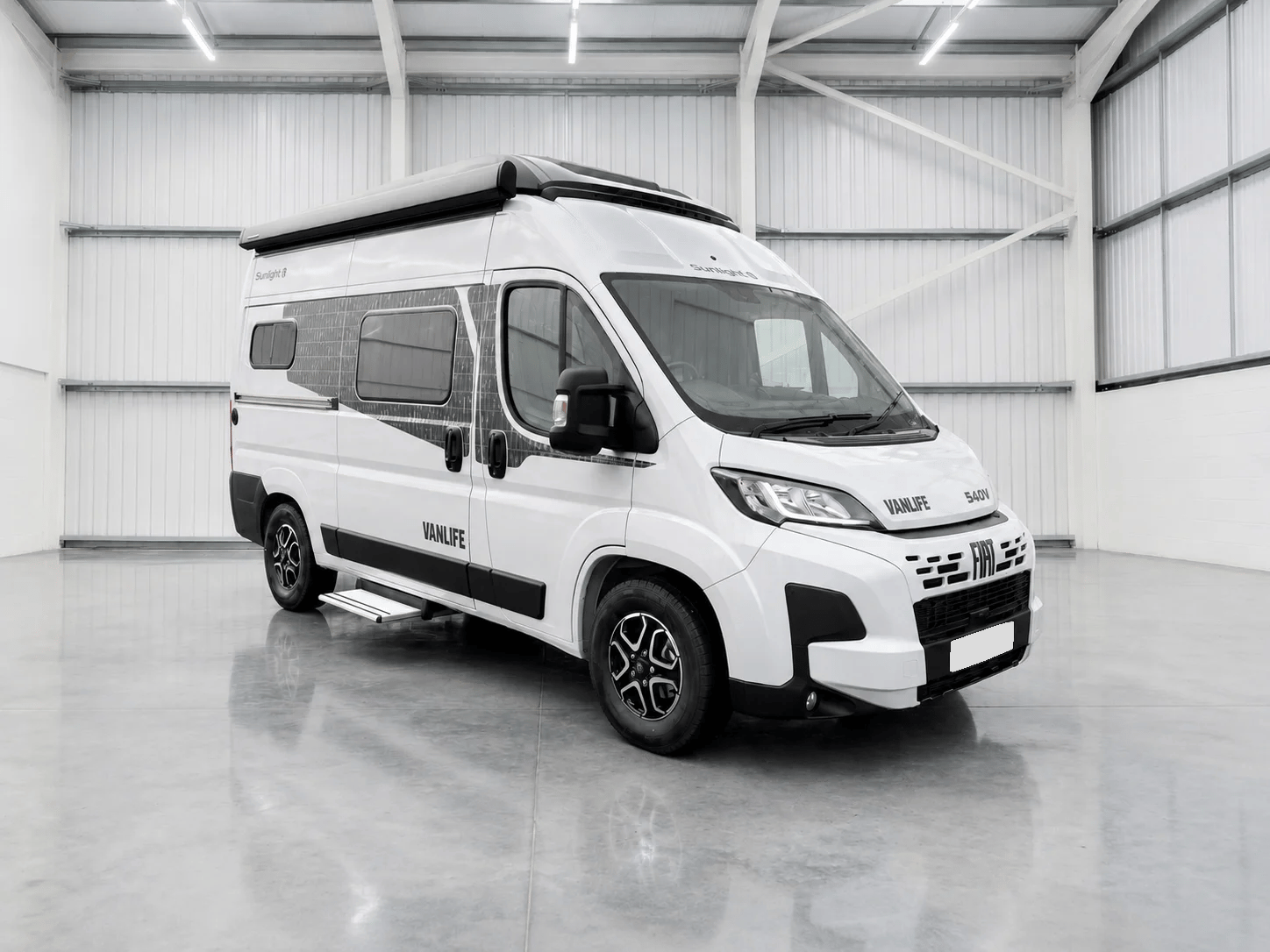
The camper you fall for is rarely the one you can afford. That gap is the whole reason Campervan.win exists. Right now we’re giving away the Sunlight Vanlife, worth around £65,000, and closing that gap is the point: capped entries so the odds stay honest, £10 a ticket, a maximum of five per person, £500 to a UK charity from every full draw, the winner picked by a public randomness beacon anyone can re-check, and one person driving away in the van itself.
Enjoyed this post?
Get more honest campervan guides like this one in your inbox.
You’re in!
Check your inbox. We’ve just sent you a welcome email.

About the author
Arthur
Arthur writes buying guides, comparisons, and in-depth explainers to help readers choose the right campervan or motorhome with confidence.
Keep Reading
Related Reading
Thoughtful articles that build on what you’ve just read.

Campervan Buying Guides
13 min read
Rolling Homes of Shrewsbury: VW-qualified campers from the Columbus to the Crafter Darwin
A plain-English profile of Rolling Homes, the Shrewsbury family converter with Volkswagen's Motorhome Qualified Converter status: what it builds on, what each model in the range is for, the 13 October 2026 prices, and what to ask before you put a deposit down.

Campervan Buying Guides
11 min read
Bilbo's explained: the Surrey VW converter since 1977, now on the T7 and Transit Custom
A plain profile of Bilbo's, the Surrey converter that has been putting raising roofs on Volkswagen Transporters since 1977 and now builds its Celex layout on both the T7 and the Ford Transit Custom. The range, the in-stock prices on 13 October 2026, the warranty, the owner-voted awards, and what to ask before you order.
Campervan Buying Guides
12 min read
Hillside Leisure explained: Derby's type-approved VW converter with a hybrid Multivan
A plain profile of Hillside Leisure of Derby: what the company builds on, every model with its published from-price, the approvals most buyers never ask about, and who it suits.

Campervan Buying Guides
10 min read
Swift Merlin 2027: nine layouts from £64,190 and how to pick the right one
Swift's all-new Merlin campervan arrives for 2027 with nine layouts on the Fiat Ducato panel van. We sort them into four families, work the payload sum on a four-seat version, and explain what the roof, the automatic and the prices mean for your choice.