
Custom Built Campervan vs Manufacturer: Which Is Actually Worth Your Money in 2026?

Written by
Oliver
Oliver is the founder of Campervan.win and writes about campervans, travel, and the life-changing freedom that comes with getting out on the road.
The short answer
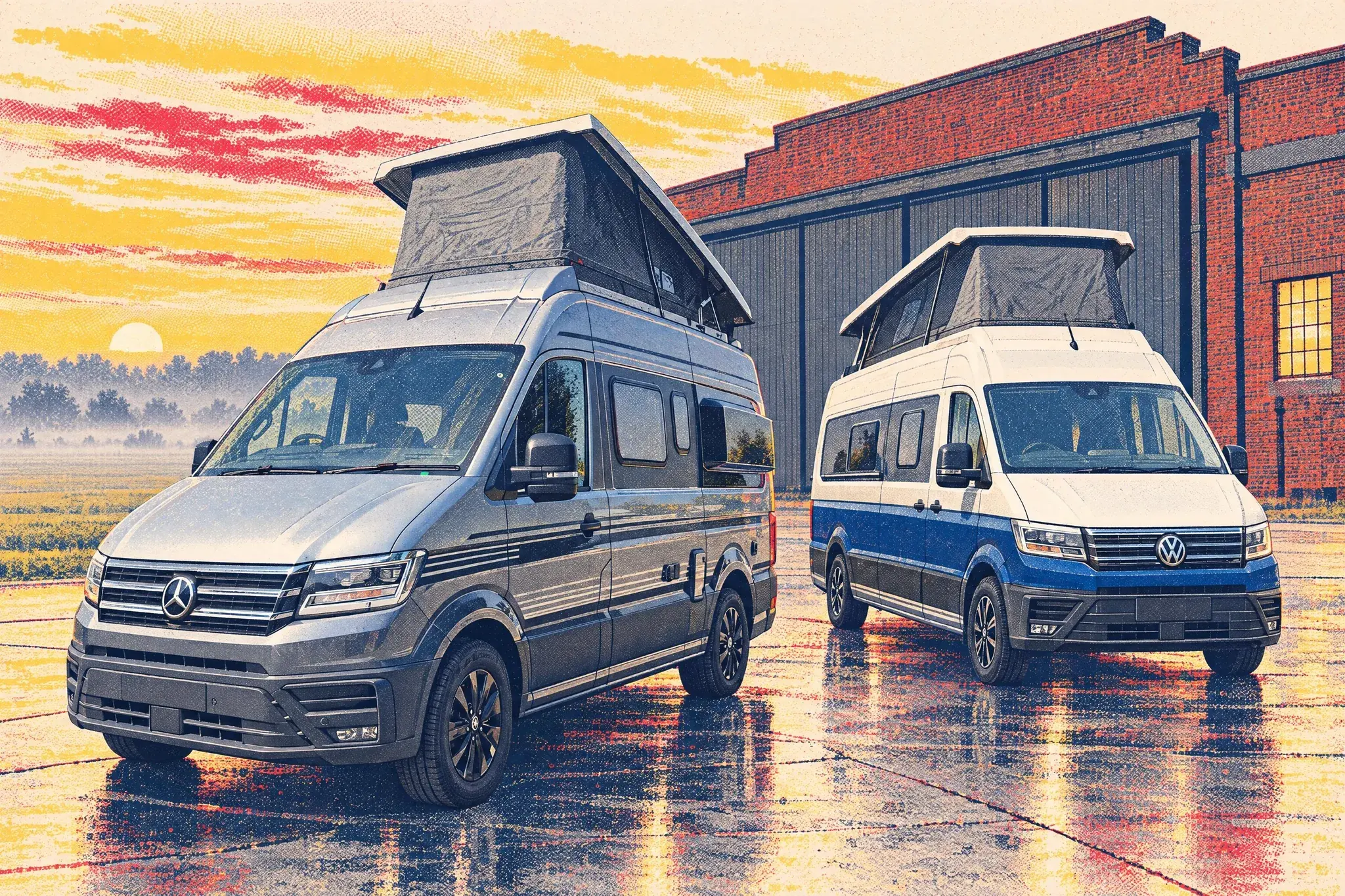
Whether a custom-built or manufacturer campervan is worth your money depends entirely on what you value, and the reassuring news is that both routes can be excellent. Large makers like Hymer, Bürstner, Eriba and Frankia's Yucon give factory consistency, type approval, dealer warranties and clear pricing, and some are doing genuinely exceptional work (the Bürstner B66 won 2026 Campervan of the Year by including almost everything as standard, around £67,000). Specialist custom builders tailor every detail to you, often with build quality that exceeds factory standards, though they cost more, take longer and complicate resale (a Wildworx conversion starts around £68,000 before the base vehicle). The smart move is to go best, not local, and there is a strong middle ground in the better manufacturers. Here is how to decide which is right for you.

There is a moment in every serious campervan search where you stop scrolling through brochures and start wondering whether the whole thing could be done differently.
Maybe you have looked at enough manufacturer campervans to notice the patterns. The same layouts appearing across brands with different badges. The same compromises in the same places. The same options lists where the things you actually want cost extra and the things you do not need come as standard. And somewhere in the back of your mind, a thought forms: what if someone just built exactly what I need?
That thought is the start of a fork in the road. On one side, the large manufacturers, companies like Hymer, Eriba, Burstner, and Frankia's Yucon range, who build campervans and motorhomes at scale with factory consistency, type approval, and dealer networks behind them. On the other side, specialist custom builders, small workshops turning out a handful of campervans a year, each one tailored to the person who ordered it.
The internet will tell you one is obviously better than the other. It is not that simple. The honest answer is that it depends entirely on which manufacturer you are comparing and which custom builder you are considering. A poorly built custom campervan from a backstreet operation with no track record is worse than almost any factory product. And a premium custom build from a company like Wildworx Customs or APE Adventure Vans can deliver something that no production line will ever match.
This is the balanced version. What you actually get from each route, where the value sits, and how to make the right call for the way you travel.
What we mean by custom built and why the definition matters
Before anything else, it is worth being clear about what custom built actually means in this context.
We are not talking about a DIY conversion where someone fits out a panel van in their driveway over six weekends. There is nothing wrong with that, but it is a different world with different risks and different rewards.
Custom built, for the purposes of this guide, means a professional conversion carried out by a specialist company. They source the base vehicle, strip it, insulate it, wire it, plumb it, fit it, and hand it back to you as a finished, tested, road ready campervan. The good ones do this with engineering rigour, quality components, proper warranties, and years of experience behind the process.
The key difference from a manufacturer is scale. Where Hymer or Burstner might produce thousands of units a year across multiple production lines, a custom builder might complete twenty or thirty. Some complete fewer. That smaller volume changes everything about the relationship, the flexibility, the build process, and the price.
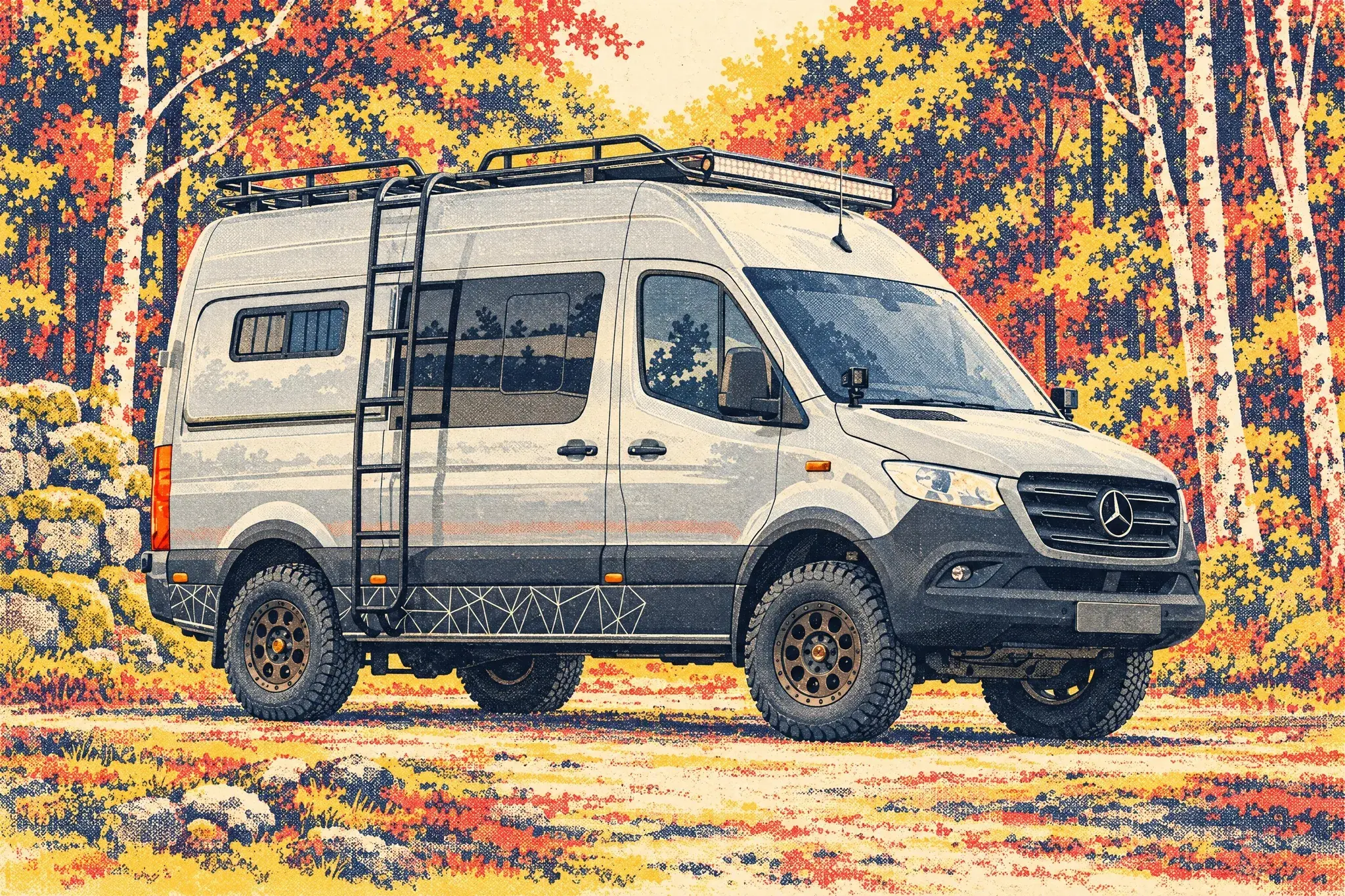
What the large manufacturers do well
It is tempting to paint manufacturers as the boring option. That would be unfair, and in several important ways, it would be wrong.
Consistency and repeatability
A factory production line exists to make the same thing reliably, over and over. When it works well, it means the campervan you collect has been through a tested process, built to a known specification, with quality checks at defined stages. The layout has been refined over multiple model years. The electrical system has been designed once and repeated hundreds of times. Errors get spotted and fixed across the production run, so the version you buy benefits from every unit that came before it.
This is not glamorous, but it matters. Consistency is one of the things people undervalue until something goes wrong.
Type approval and compliance
Manufacturer campervans sold in the UK come with European Whole Vehicle Type Approval or UK equivalent. This is not just paperwork. It means the vehicle has been crash tested, weight checked, emissions certified, and assessed as a complete unit. Insurance is straightforward. Selling later is straightforward. Finance is straightforward.
Custom conversions can also achieve compliance, and the best ones do, but it requires additional work and cost that the manufacturer has already absorbed at scale.
Dealer networks and warranty infrastructure
Buy a Hymer from an authorised dealer and you have a network behind you. Something goes wrong with the habitation side and you book it in. You might wait, you might grumble about the service department, but the infrastructure exists. Parts are catalogued. Warranty claims follow a process.
This is one of the genuine advantages of scale. The builder does not need to remember your campervan personally, because the system handles it.
Pricing clarity
Manufacturers publish price lists. You can compare a Burstner B66 600C against an Eriba Car 600 against a Hymer Redwood and see broadly what each one costs with broadly what equipment. That transparency helps, even when the options lists get complicated.
Some manufacturers are doing exceptional work right now
It would be easy to lump all manufacturers together, but that misses the point. Quality varies enormously between brands, and some are producing campervans and motorhomes that deserve serious respect.
Hymer is one of the clearest examples. Their campervans, from the Redwood to the Grand Canyon S, are built with a level of engineering thought that goes beyond ticking boxes. The Hymer Connect system, the insulation standards, the attention to how water and heating systems integrate, these are not marketing additions. They reflect decades of iterating on what touring actually demands.
Eriba, part of the Hymer Group, brings a different personality but similar rigour. The Eriba Car 600 and 602, built on the VW Crafter, start at around £71,120 in the UK and deliver a level of considered design that feels more like a caravan maker thinking about space than a van converter filling a box. Two colour exteriors, clever storage, and a calm interior mood that most competitors simply do not attempt.
Burstner has had an extraordinary 2026. Their new B66 range won Campervan of the Year at the Out and About Live Awards, and it earned that recognition by doing something refreshingly simple: including almost everything as standard. No confusing option packs. Automatic gearbox fitted. The B66 600C, at around £67,000, is one of the most complete campervans you can buy without needing to study a spreadsheet of extras. Reviewers have noted that the B66 recipe is straightforward but effective: a proven layout, the features buyers want, and a competitive price.
Frankia and their Yucon sub brand are worth knowing about as well. Yucon calls their vehicles Microliners, and the name fits. These are campervans built with the mentality of a luxury motorhome manufacturer, because that is exactly what Frankia is. The Yucon K-Peak range, built on Mercedes Sprinter with standard all wheel drive, 190 horsepower, a 300 Ah lithium battery, and 90 watts of solar as standard, sits at the premium end. The K-Peak 7.0 GD is now available in the UK through Frankia's dealer SMC in Newark, and it has already been shortlisted in the luxury campervan category by Practical Motorhome. These are serious machines with serious build quality.
The point is not that all manufacturers are equal. It is that the best ones produce campervans that are difficult to fault on build quality, and they do it at a price that, while not cheap, reflects real engineering value.
What the best custom builders do differently
Now for the other side. And the emphasis here is on the word best, because the custom conversion market ranges from brilliant to disastrous, and the gap between those two extremes is wider than in any other part of the campervan world.
It is built around you, not around a production schedule
The single biggest advantage of a custom build is that the layout, the spec, the storage, the electrical system, and the finishing details are designed for the way you actually travel. Not for a median customer profile. Not for a focus group. For you.
If you need the bed slightly longer because you are 6 foot 3. If you want the kitchen on the other side because you are left handed and it drives you mad reaching across your body to stir a pan. If you want a specific electrical setup because you work remotely and need reliable power for a laptop and a monitor, not just a phone charger. A custom builder can do that. A production line cannot.
Build quality can exceed factory standards
This is not always true, and it is important to be honest about that. There are custom builders who produce work that would make a factory quality inspector wince. But at the top end, the craftsmanship in a custom conversion can be extraordinary.
Wildworx Customs, based in Alcester, Warwickshire, are one of the best examples in the UK. Frazer and Katie Johnson have been building campervans for over twenty years, starting from Frazer's first self built VW T4 after struggling to hire a decent one for a trip. That hands on origin runs through everything the company does. Their current range covers VW Transporter builds (the Lukla), medium wheelbase MAN TGE and Sprinter conversions (the Kala), and long wheelbase builds (the Storm), with options for off road and overland specifications.
What sets Wildworx apart is not just the quality of the joinery or the electrical work. It is the philosophy. Every component is stress tested to 120 percent of its rated capacity. That is not standard industry practice. That is a deliberate choice to build in a margin of safety that means things last. Cupboard doors do not sag after two years. Fixings do not work loose on rough roads. The conversion is engineered to tolerate more than you will ever ask of it.
APE Adventure Vans, run from Dukinfield near Manchester, takes a different approach but arrives at a similar standard. The founder's background is in aviation and rolling stock industries, where attention to detail and safety critical systems are not optional. That mindset shows in the builds. APE works exclusively with the Mercedes Sprinter medium wheelbase chassis, which the builder describes as the swiss army knife of adventure vans, big enough to hold essential equipment without being too large to manage on real roads.
APE does not offer custom client builds in the traditional sense. Instead, each van is built to a carefully developed specification using premium components from market leading brands. The builder is clear about what these are not: they are not cheap campervan conversions full of budget carpet and knock on trim. They are ground up builds using high end components that are selected for long term reliability. That distinction matters.
Peace of mind is part of what you are paying for
This is perhaps the most underrated aspect of buying from a top tier custom builder.
Wildworx offers a five year conversion warranty. That alone is significant. But the real peace of mind goes deeper than a warranty document.
When you buy from a company like Wildworx, you are buying from a business that has been building campervans for over two decades and is set up to keep building them for decades more. They have a dedicated workshop, a growing team, an online store through their Play Dirty brand, and a community of owners who come back again and again. The chances of Wildworx still being in business in fifty years, still building campervans, still supporting their customers, are about as high as you will find anywhere in this industry.
Why does that matter? Because campervans are long term vehicles. Five years from now, you might want an electrical upgrade. Ten years from now, you might want new upholstery or a heating system refresh. Twenty years from now, a rewire or a layout modification. Who better to do that work than the people who built it in the first place?
With a manufacturer, warranty work goes through a dealer network, and that system works. But once the warranty expires, you are dealing with whatever local workshop you can find. They might be excellent. They might not know your specific vehicle. With a custom builder who is still trading and still passionate about their product, you have a direct line back to the source. That relationship has a value that does not appear on any options list.
The intangible quality of knowing who built your van
There is something that is hard to put into numbers but easy to feel. When you collect a custom built campervan, you often meet the people who built it. You might have visited the workshop during the build. You might have swapped emails about a specific detail. You know the hands that did the work.
The customer testimonials for Wildworx say it plainly. One owner wrote that it takes special people to understand the individual requirements of each campervan owner, and that Wildworx listen and understand. Another described being treated like family. That relationship changes how you feel about the vehicle. It is yours in a way that a factory product, however well made, rarely achieves.
The honest downsides of custom builds
This is not an advertisement for custom builders, so the downsides need airing too.
Cost
Custom builds are expensive. There is no way around it. A completed Wildworx Storm on a long wheelbase MAN TGE or Sprinter starts at £68,000 for the conversion alone, before the base vehicle. A complete Mercedes Sprinter AWD overland build from Wildworx is listed at £178,900. APE Adventure Vans are similarly positioned at the premium end.
For context, a Burstner B66 600C with pop top, automatic gearbox, and a comprehensive equipment list comes in at around £67,000 as a complete, ready to drive campervan. A Hymer Redwood starts at £63,970. The price comparison is not straightforward because you are comparing different things, but the numbers are what they are.
Lead times
Popular custom builders are booked months or even years ahead. Wildworx currently lists one build remaining for 2026. If you want one, you are planning ahead. A manufacturer campervan can often be collected from stock or ordered with a wait of weeks to a few months.
Resale complexity
A manufacturer campervan with a known brand name, a model designation, and type approval is easier to value and easier to sell. A custom build requires more explanation, more photography, and a buyer who appreciates what they are looking at. The best custom builds hold value well, but the market is smaller.
The quality lottery
This is the big one. The custom conversion market is unregulated in a way that the factory market is not. Anyone can set up a workshop and start converting vans. Some are brilliant. Some are competent. Some are dangerous.
The difference between a top tier builder like Wildworx or APE and a poor one is not marginal. It is the difference between a campervan you trust with your family and one where the gas installation keeps you awake at night. Research matters more here than in any other buying decision.
How to think about value without getting tangled
The question most people actually want answered is: where does the money go furthest?
If you want a well built, well equipped campervan that works reliably from day one, with a clear specification, finance options, and a dealer to call if something goes wrong, the best manufacturers are hard to beat. A Hymer Redwood, an Eriba Car 600, a Burstner B66, or a Yucon K-Peak gives you German engineering, tested layouts, and a level of standard equipment that keeps getting better each model year.
If you want a campervan that is tailored to how you live, built by people you trust, stress tested beyond the norm, backed by a long warranty and a long term relationship, and you are willing to pay more and wait longer to get it, the best custom builders occupy a category that manufacturers simply cannot enter. That is not a criticism of manufacturers. It is an acknowledgement that bespoke and mass produced serve different needs.
Do not go local, go best
One piece of advice that is worth stating plainly: do not choose a custom builder based on geography.
It is tempting. There is a converter twenty minutes from your house. They seem decent. The workshop looks tidy enough. But proximity is not a quality indicator, and the decision you are making will shape the next ten or twenty years of your touring life.
If the best builder for your needs is in Alcester and you live in Edinburgh, drive to Alcester. If the best builder is in Dukinfield and you live in Devon, drive to Dukinfield. The journey to collect is a single day. The quality of the build is every day after that.
The same applies to manufacturer dealers, incidentally. Some dealers offer better handover experiences, better after sales support, and better knowledge of the product than others. Travelling to the right dealer is worth the extra miles.
Research reputations. Read owner forums. Look at long term reviews, not just the shiny handover photos. Ask builders about their warranty terms, their component sourcing, and what happens when something needs fixing in three years. The answers will tell you more than a glossy website ever could.
The middle ground that nobody talks about
There is an interesting space developing between full custom and full manufacturer. Some builders, like APE, have moved towards building to a refined in house specification rather than building to each individual customer's brief. This means you get the craftsmanship and the component quality of a custom build, but with the consistency that comes from a builder who has perfected a specific format.
On the manufacturer side, companies like Yucon are deliberately positioning themselves as something between a large factory and a boutique operation. Yucon has its own production facility next to the Frankia factory, producing a limited range of models with an emphasis on quality over volume. It is not custom, but it is not mass market either.
This middle ground is where some of the most interesting value sits in 2026, and it is worth exploring if the pure custom route feels too expensive or too slow, but the standard manufacturer offering feels too generic.
A note on what we have not covered
This guide focuses on the large campervan and motorhome end of the market because that is where the custom versus manufacturer question is most interesting. We have not covered VW Transporter and T6.1 style conversions in depth, although Wildworx does offer the Lukla on the Transporter platform starting at £25,000 for the conversion. We have also not covered the self build route, which is a fascinating topic that deserves its own post.
The honest conclusion
There is no universal right answer. If someone tells you custom is always better, they are selling you something. If someone tells you factory is always better, they have not seen what the best custom builders can do.
What matters is matching the approach to your priorities. If you value individuality, a long term relationship with the builder, and the ability to specify every detail, the best custom builders in the UK are producing work that rivals anything in Europe. If you value pricing transparency, dealer support, proven layouts, and the ability to compare options across brands, the best manufacturers are having one of their strongest years in memory.
The worst version of either route is bad. A poor custom build is expensive and heartbreaking. A poor manufacturer model is frustrating and disappointing. But the best version of either route is brilliant, just in different ways.
Do your homework. Visit workshops. Sit in vans. Ask the questions that matter to your actual life, not the ones that sound impressive on a forum. And if you find the right builder or the right brand, trust the process.
The campervan you end up with should feel like yours. Whether that means your name was on the build sheet from day one or you fell for a layout that thousands of other people also love, the only thing that really matters is that it works for the way you travel.
And if the price of either route makes you wince, you are not alone. That is one of the reasons Campervan.win exists. These vehicles are drifting further out of reach for ordinary people, and finding ways to make them accessible matters, whether the campervan was built by hand in a Warwickshire workshop or rolled off a production line in Germany.
Common questions
Is a custom-built or manufacturer campervan better?
Neither is simply better; it depends what you value. Manufacturers give factory consistency, type approval, dealer warranties and clear pricing, while custom builders tailor every detail to you and can exceed factory build quality. The honest downsides of custom are higher cost, longer lead times, more complex resale, and a quality lottery, so choose by your priorities rather than romance.
What do large campervan manufacturers do well?
Consistency and repeatability, type approval and compliance, dealer networks and warranty infrastructure, and pricing clarity, you can compare a Burstner against an Eriba against a Hymer and see what each costs with what equipment. And some are doing exceptional work: the Burstner B66 won 2026 Campervan of the Year by including almost everything as standard at around 67,000 pounds.
What do the best custom campervan builders do differently?
They build around you rather than a production schedule, so you get exactly the layout, bed length and features you need; build quality can exceed factory standards (some stress-test every component to 120 percent of its rated capacity); and you get the reassurance of knowing exactly who built your van. The trade-off is cost, lead time and resale complexity.
How much does a custom-built campervan cost?
More than a manufacturer one. A Wildworx Storm conversion on a long-wheelbase MAN TGE or Sprinter starts at 68,000 pounds for the conversion alone, before the base vehicle, and a complete Mercedes Sprinter AWD overland build is listed at 178,900 pounds. For comparison, a complete, ready-to-drive Burstner B66 600C is around 67,000 pounds and a Hymer Redwood starts at 63,970.
What is the downside of a custom-built campervan?
Four things: cost (a bespoke build is dearer than a comparable factory van), lead times (small workshops build a handful a year, so you wait), resale complexity (a one-off is harder to value than a model thousands of people know), and a quality lottery, since custom build quality varies by builder, so you must vet them carefully.
How should I decide between custom and manufacturer?
Do not go local, go best: vet builders or brands on their actual work, visit workshops, sit in vans, and ask the questions that matter to your real life. There is also a strong middle ground in the better manufacturers, a Hymer Redwood, Eriba Car 600, Burstner B66 or Yucon K-Peak, which offer tested layouts and rising standard equipment if pure custom feels too expensive or slow.
The reachable bit
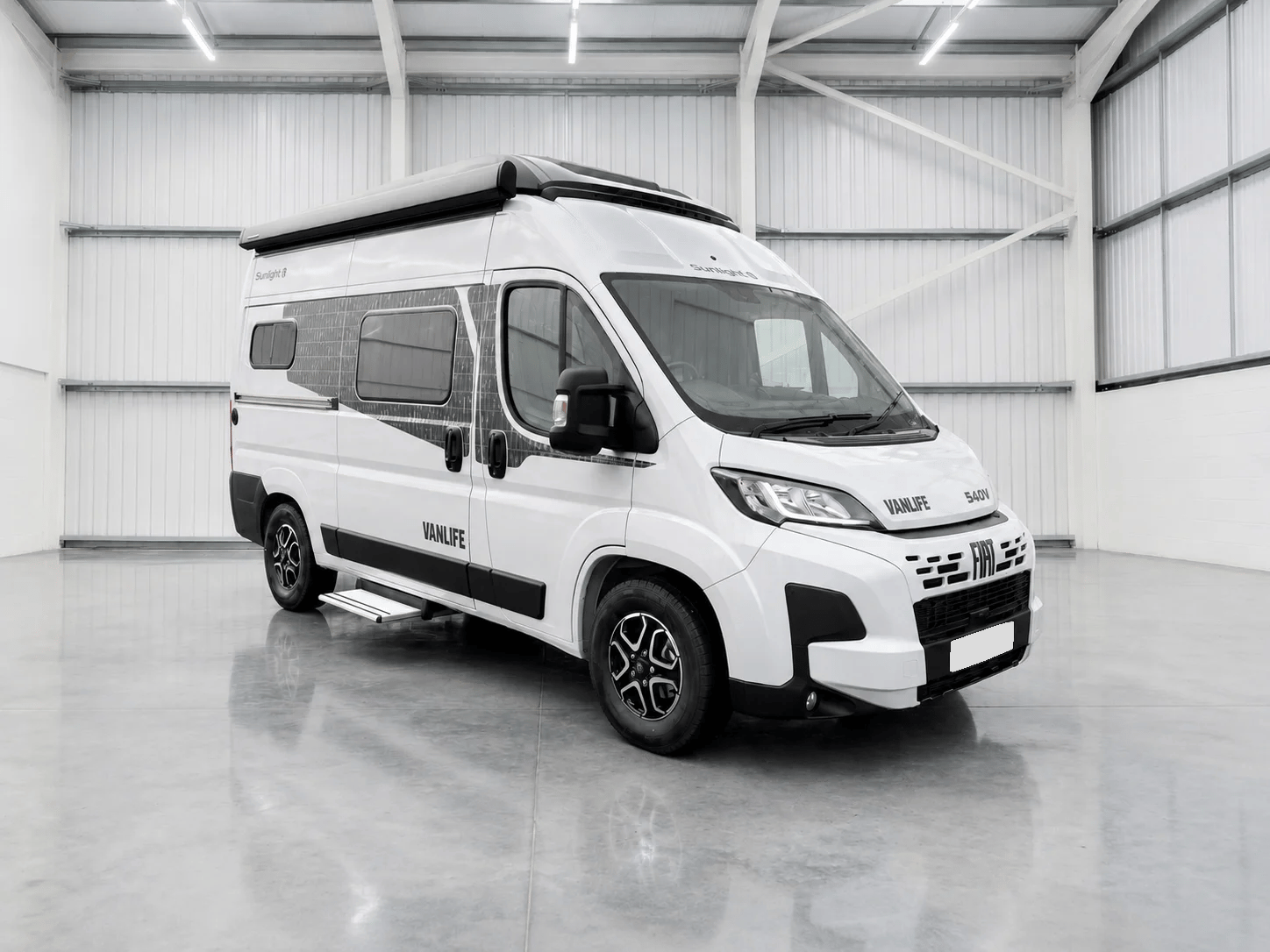
The camper you fall for is rarely the one you can afford. That gap is the whole reason Campervan.win exists. Right now we’re giving away the Sunlight Vanlife, worth around £65,000, and closing that gap is the point: capped entries so the odds stay honest, £10 a ticket, a maximum of five per person, £500 to a UK charity from every full draw, the winner picked by a public randomness beacon anyone can re-check, and one person driving away in the van itself.
Enjoyed this post?
Get more honest campervan guides like this one in your inbox.
You’re in!
Check your inbox. We’ve just sent you a welcome email.

About the author
Oliver
Oliver is the founder of Campervan.win and writes about campervans, travel, and the life-changing freedom that comes with getting out on the road.
Keep Reading
Related Reading
Thoughtful articles that build on what you’ve just read.
Campervan Buying Guides
13 min read
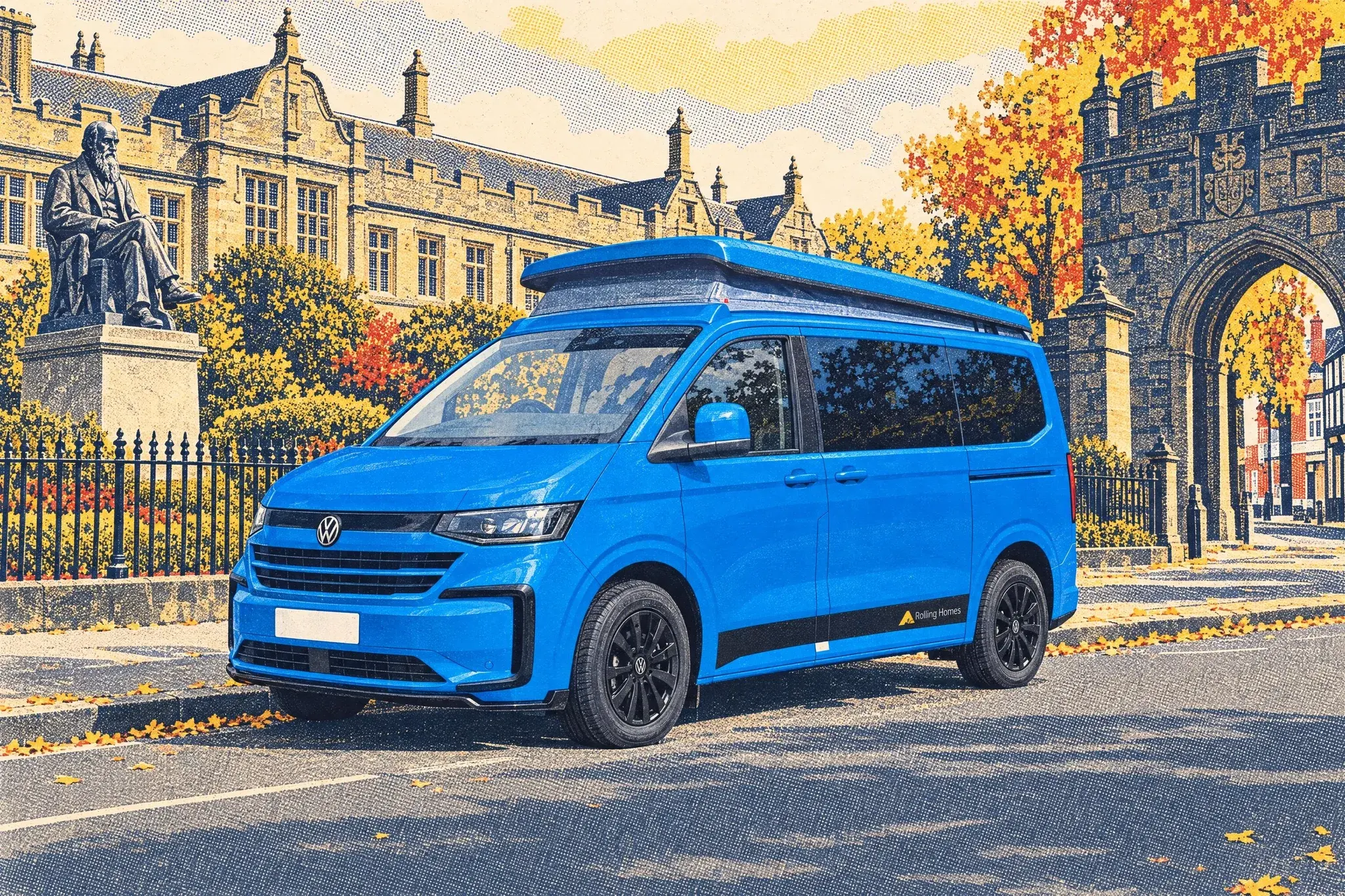
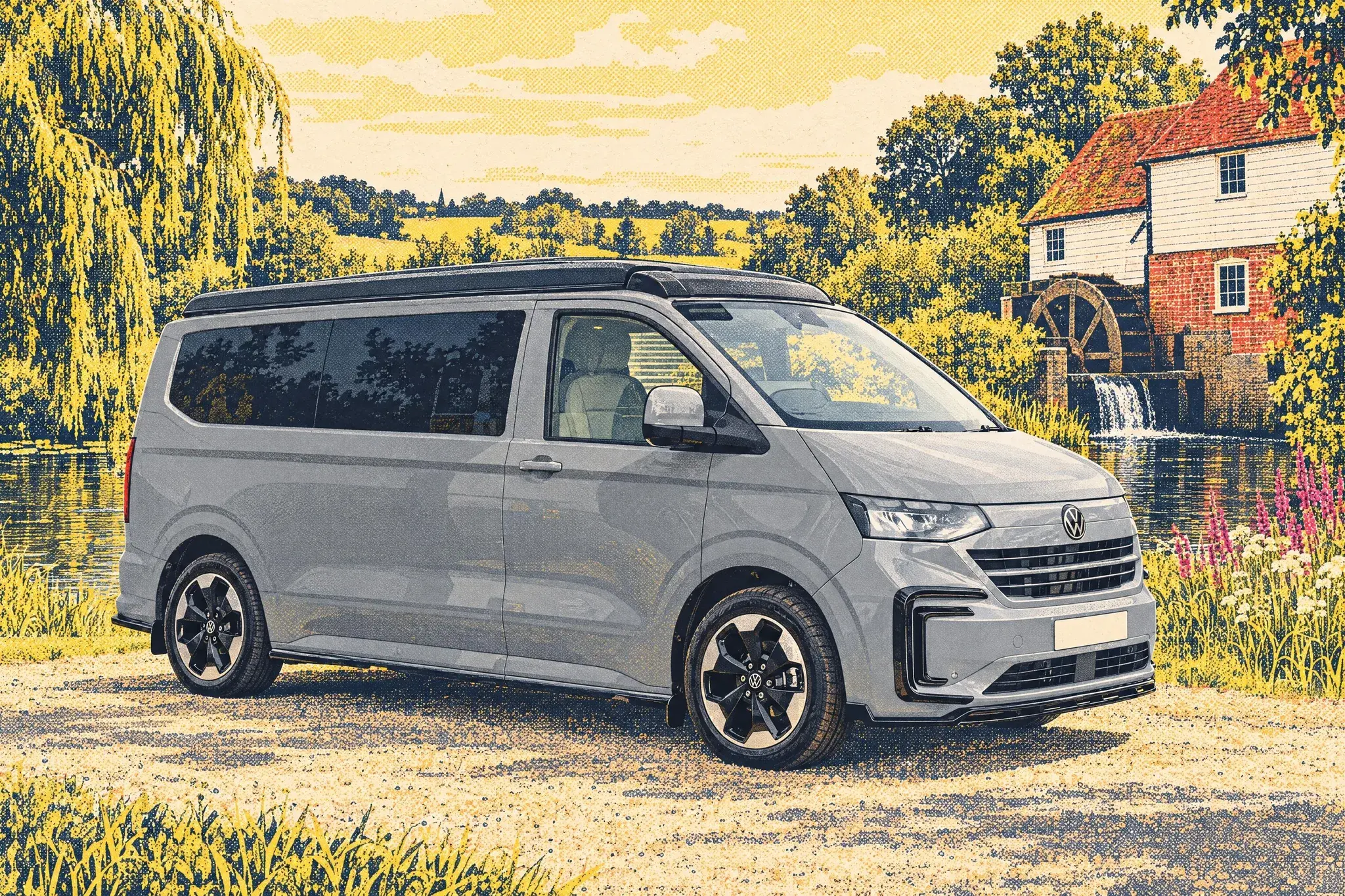
Rolling Homes of Shrewsbury: VW-qualified campers from the Columbus to the Crafter Darwin
A plain-English profile of Rolling Homes, the Shrewsbury family converter with Volkswagen's Motorhome Qualified Converter status: what it builds on, what each model in the range is for, the 13 October 2026 prices, and what to ask before you put a deposit down.
Campervan Buying Guides
11 min read
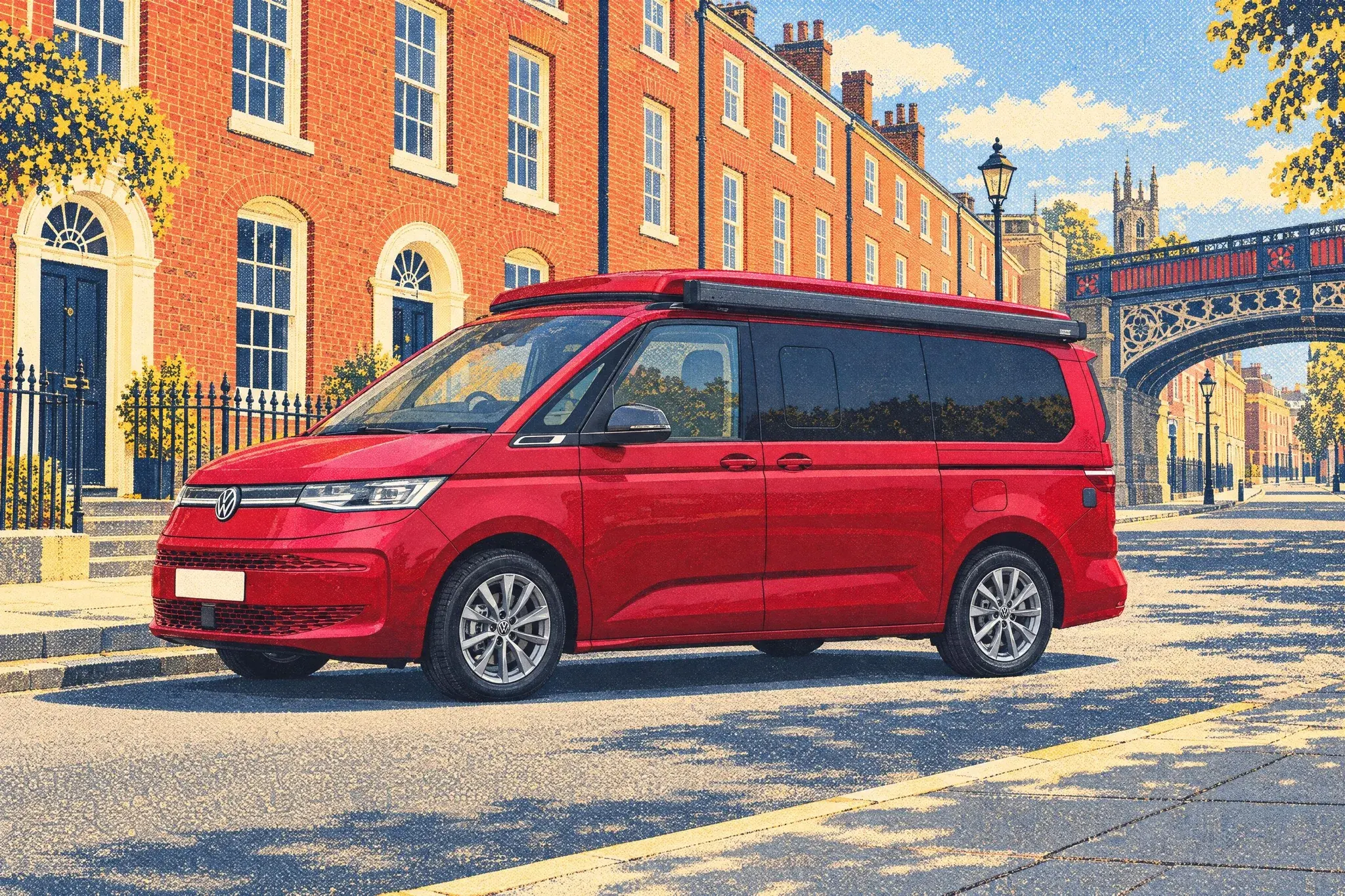
Bilbo's explained: the Surrey VW converter since 1977, now on the T7 and Transit Custom
A plain profile of Bilbo's, the Surrey converter that has been putting raising roofs on Volkswagen Transporters since 1977 and now builds its Celex layout on both the T7 and the Ford Transit Custom. The range, the in-stock prices on 13 October 2026, the warranty, the owner-voted awards, and what to ask before you order.
Campervan Buying Guides
12 min read
Hillside Leisure explained: Derby's type-approved VW converter with a hybrid Multivan
A plain profile of Hillside Leisure of Derby: what the company builds on, every model with its published from-price, the approvals most buyers never ask about, and who it suits.
Campervan Buying Guides
10 min read
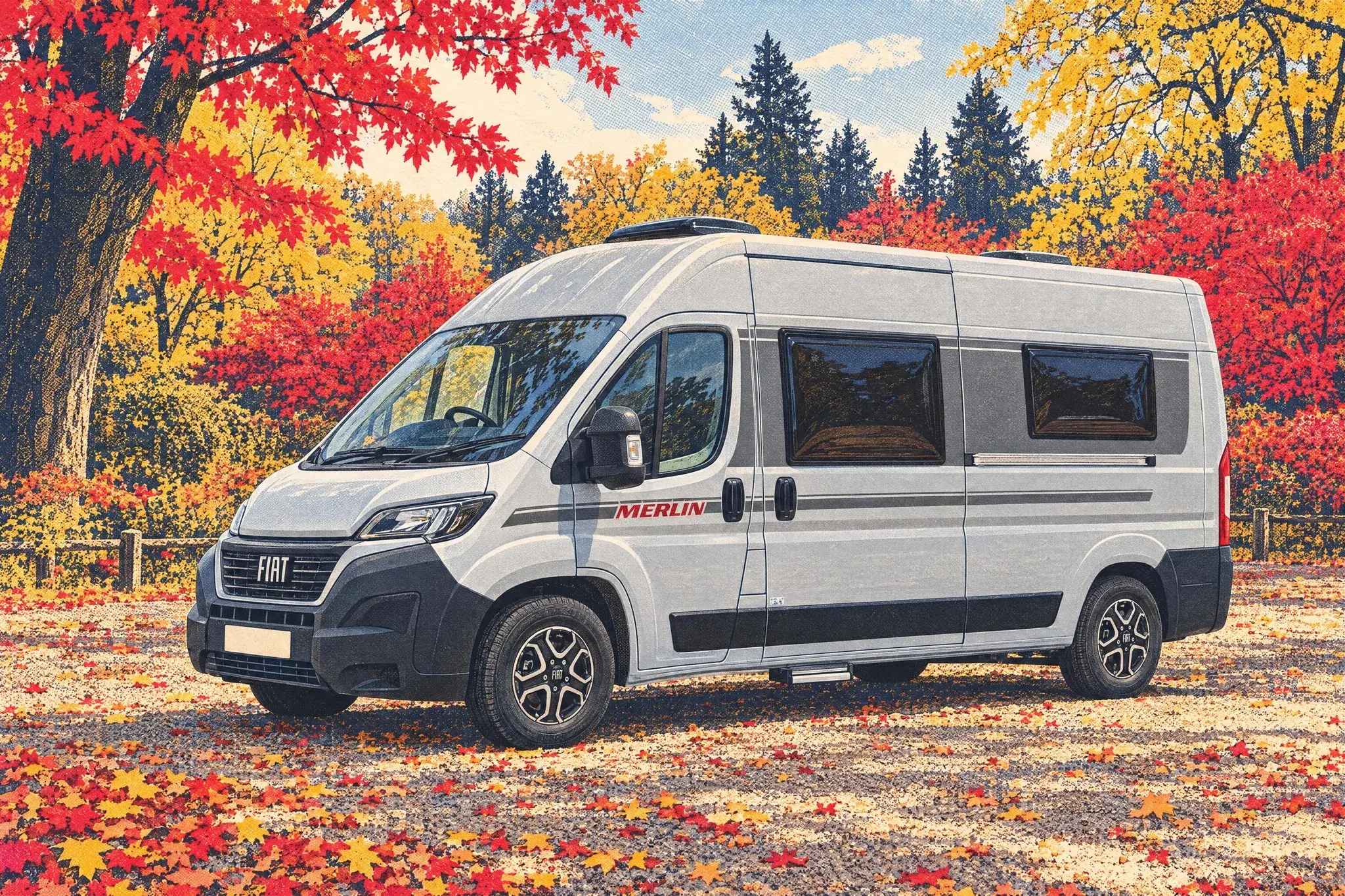
Swift Merlin 2027: nine layouts from £64,190 and how to pick the right one
Swift's all-new Merlin campervan arrives for 2027 with nine layouts on the Fiat Ducato panel van. We sort them into four families, work the payload sum on a four-seat version, and explain what the roof, the automatic and the prices mean for your choice.