
6m vs 7m campervans: why we need more well-designed 7m models

Written by
Arthur
Arthur writes buying guides, comparisons, and in-depth explainers to help readers choose the right campervan or motorhome with confidence.
The short answer
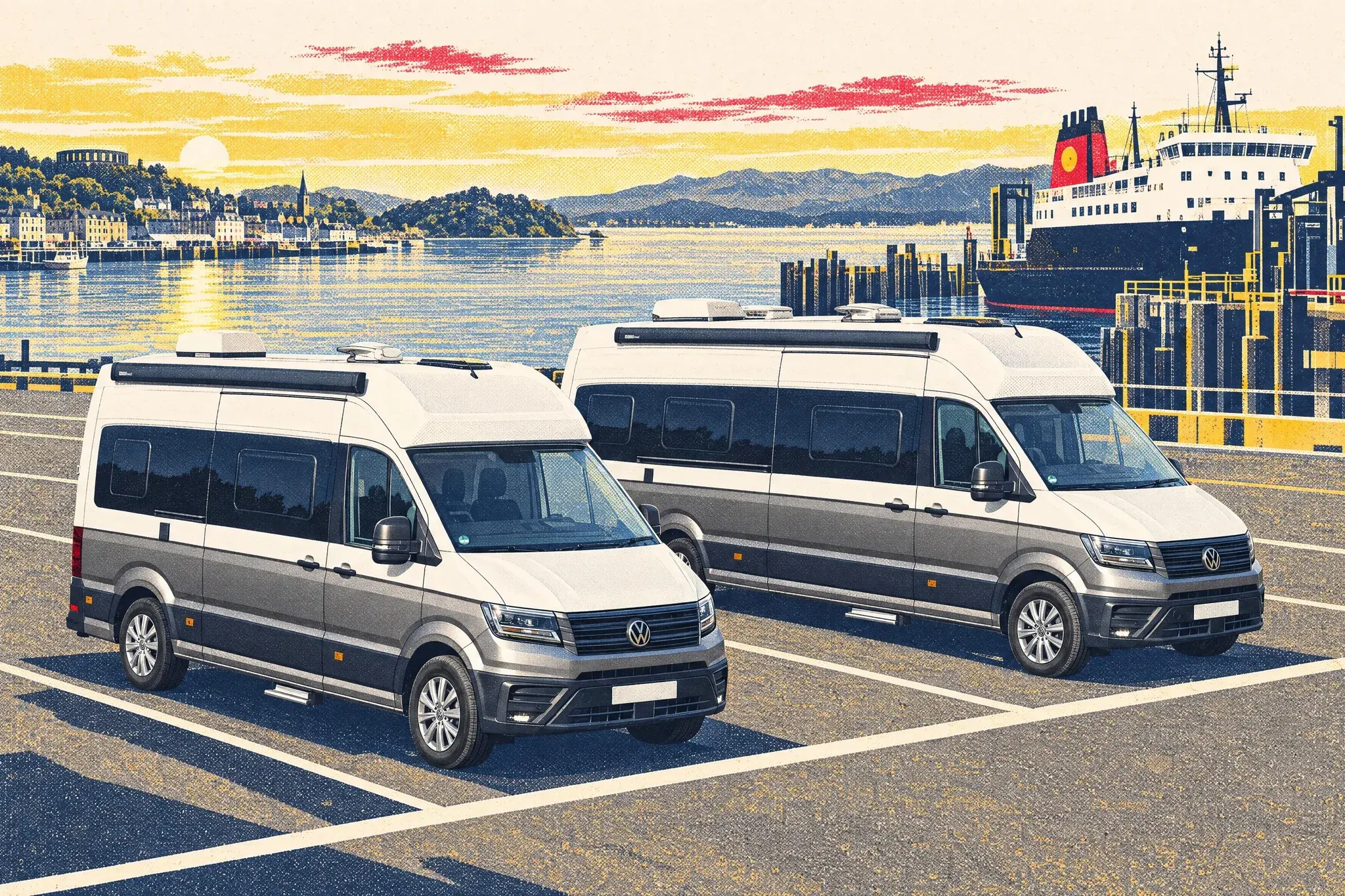
A 6m campervan is the easy all-rounder: it slips into most spaces, fits more ferry and toll brackets, and parks without drama. A 7m van trades some of that ease for a proper fixed bed, a separate lounge and far more storage, which suits longer trips and full-time touring. The honest gap is that fewer well-designed 7m layouts exist, so buyers who want living space often have to compromise more than they should.

An extra metre does not sound like much. On a campervan it changes almost everything. The difference between a 6m van and a 7m van is the difference between a vehicle you can drive anywhere without thinking and a home you can actually live in for weeks at a time. Most buyers are pushed towards 6m because that is what the market offers most of. Fewer people stop to ask whether they would be happier, and better served, with the extra space.
This is an honest look at both lengths: what each one genuinely gives you, where the trade-offs bite, and why we think the campervan world could do with more thoughtfully designed 7m models rather than fewer.
What we actually mean by 6m and 7m
These numbers are loose shorthand for the overall length of the vehicle, bumper to bumper, not the wheelbase or the floor length inside. A "6m" campervan is usually anywhere from about 5.4m to 6.4m. A "7m" van tends to sit between roughly 6.9m and 7.4m. The gap is rarely a clean 100cm, but the categories are useful because they line up with how people drive, park, and pay for these vans in the real world.
Most panel-van conversions on a long-wheelbase light-commercial base land near the 6m mark. Stretch to the extra-long, high-roof versions of the same vans and you creep towards 7m. Coachbuilt motorhomes go well beyond that, but here we are talking about van-shaped campervans, where the body is the original van and the length is set by the chassis you start with.
The case for 6m: the easy all-rounder
There is a reason 6m is the default. It is the length that asks the least of you.
Parking and town driving
A standard UK parking bay is around 4.8m long, so neither a 6m nor a 7m van fits neatly. But a 6m van overhangs by a manageable amount, tucks into the end of a row, and threads through narrow lanes and supermarket car parks with far less stress. In a busy town centre, every extra metre you are not steering is a relief. If you plan to use your van as a second vehicle, for the school run, the tip, the weekly shop, 6m is the sensible ceiling.
Ferries, tunnels and tolls
This is where length quietly costs you money. Ferry operators and some toll roads price by vehicle length, usually in brackets. Common cut-off points sit around 5m, 6m and 7m, though every operator sets its own. A van that stays under 6m often drops into a cheaper band than one that nudges over it. On a Channel crossing or a longer ferry to France, Spain or the islands, that difference adds up across a trip. Always check the exact brackets for your route before you book, because they vary and they change.
Buying and reselling
Because 6m is the popular size, there is simply more choice. More layouts, more price points, more vans on the used market, and more buyers when you come to sell. Liquidity matters. A 6m van in a sensible layout is one of the easier campervans to move on.
The honest downside
You pay for that ease in living space. In most 6m vans you cannot have everything at once. You either get a fixed bed or a big lounge, a proper washroom or generous storage, but rarely all of them without folding something away every night. For weekends and shorter trips, that is a fair trade. For long stints, the daily routine of making and unmaking the bed wears thin.
The case for 7m: a van you can live in
The extra metre is almost never about driving. It is about what happens when you stop.
A fixed bed that stays made
This is the single biggest reason to go longer. A 7m van can carry a permanent bed, often a rear transverse or twin-single arrangement, while still leaving a usable lounge and kitchen up front. You climb in at night and out in the morning without rebuilding furniture. After a fortnight on the road, the value of that becomes obvious. It is the feature people most often wish they had bought.
A separate living and sleeping zone
In a 6m van the bed and the seating are usually the same space, time-shared. In a 7m van you can have a genuine lounge at the front and a bedroom at the back. That means one person can read or cook while the other rests. On a wet afternoon, two people are not sitting on top of each other. The van stops feeling like a clever puzzle and starts feeling like a small flat.
Storage and the garage
Longer vans often gain a rear "garage" under a raised fixed bed, big enough for bikes, a barbecue, folding chairs, surfboards or muddy boots. For anyone with hobbies that involve kit, this is transformative. In a 6m van that gear ends up on the seats or under your feet.
A washroom you can use
The extra length lets designers fit a proper separate washroom with room to turn around, rather than the wet-room-where-the-loo-faces-the-shower compromise common in shorter vans. For longer trips and shoulder-season touring, a decent washroom is the difference between coping and being comfortable.
The honest rule of thumb: a 6m van is built around the journey, a 7m van is built around the stay.
The real trade-offs of going to 7m
None of this is free, and it would be dishonest to pretend otherwise.
- Weight. Longer vans carry more, and many tip towards or over 3,500kg as built. That matters for your licence (more on that below) and for your payload, the spare weight you can legally load. Always check the plated weights and the real remaining payload, not just the layout.
- Manoeuvring. Tight campsite pitches, rural lanes, and reversing onto a sloped pitch all take more care. It is not hard, but it is a skill you build, and a few sites and aires are simply too small.
- Cost. More van means a higher price new and used, more to insure in many cases, and slightly more to fuel.
- Ferry and toll brackets again. The same length that buys you space can push you into a pricier band. Worth weighing if you cross water often.
- Storage at home. A 7m van needs a longer driveway or a bigger storage bay. Check before you buy, not after.
The licence and weight question
This trips people up, so it is worth being precise. If you passed your car test in Great Britain on or after 1 January 1997, your standard category B licence normally lets you drive a vehicle up to 3,500kg maximum authorised mass. Many 7m van conversions are built right up against that limit, and some exceed it.
To drive a heavier motorhome, up to 7,500kg, you need category C1. People who passed their test before 1997 usually have C1 grandfathered onto their licence already, which is why some longer, heavier vans suit older buyers. If you are younger and want a 7m van that is plated above 3,500kg, you may need to take a C1 test. None of this is a reason to avoid 7m, but it is a reason to check your licence and the van's plate together before you commit.
So why do we want more 7m campervans?
Here is the heart of it. The market is heavily weighted towards 6m because that length sells to the widest audience and parks the most easily. That is reasonable. But it means the buyers who genuinely need living space, full-timers, retired couples touring for months, remote workers, people travelling with a dog and a pile of outdoor kit, are often squeezed into compromises a slightly longer van would solve outright.
The compromise nobody talks about
Plenty of people buy a 6m van, love the idea, then spend two seasons quietly frustrated that they make the bed up every night and have nowhere to put the chairs. They did not need a huge coachbuilt motorhome. They needed one more metre. The jump from a 6m van to a full A-class motorhome is enormous, in size, price and character, and a well-designed 7m van fills that gap beautifully. There simply are not enough of them.
Good design closes the gap
A clever 7m layout can keep almost all the driving ease of a smaller van while transforming the living experience. Rear lounge, island bed, twin singles that combine, a proper kitchen with worktop you can actually use: these are far easier to achieve with the extra length. When the design is right, the only real cost is parking and the storage bay at home, both of which many buyers can plan around.
Who genuinely benefits
- Long-trip and full-time tourers who live in the van for weeks and want a bed that stays made.
- Couples who want their own space, one reading, one resting, without negotiating every square foot.
- Active owners with bikes, boards, climbing or fishing kit who need a garage.
- Shoulder and winter season tourers who want a warm, separate washroom and a comfortable indoor lounge for rainy days.
How to decide which is right for you
Forget the badge and answer these honestly:
- How long are your typical trips? Weekends and the odd week favour 6m. Months at a time favour 7m.
- Will you make the bed up every night? If that thought already tires you, you want a fixed bed, which usually means more length.
- Is this your only vehicle? If it doubles as the daily car, 6m is far more practical.
- Where will it live? Measure your driveway or check your storage bay before you fall for a floorplan.
- What is your licence and payload? Confirm category B versus C1, and check the van's real spare load capacity with your gear, water and passengers on board.
- How often will you cross on ferries? If regularly, price the length brackets for your usual routes.
If most of your answers point towards staying put and living comfortably, do not let the fear of an extra metre talk you out of the van you actually need. The driving worry fades within a week. The daily comfort lasts the whole time you own it.
The bottom line
A 6m campervan is the better all-rounder, and for a huge number of people it is exactly the right choice: easy to park, cheaper to cross water with, easy to buy and sell, and perfectly comfortable for weekends and shorter tours. A 7m van asks a little more of you on the road and at home, and gives back a fixed bed, a separate lounge, real storage and a proper washroom.
The frustrating part is that genuinely well-designed 7m vans are harder to find than they should be, so buyers who want living space too often end up over-compromising in a shorter van or jumping all the way to a large motorhome. More thoughtful 7m models would serve a lot of people far better. If you are one of them, drive both lengths before you decide, and judge them parked up as much as on the move. That is where you will actually live.
Common questions
Can I drive a 7m campervan on a normal car licence?
Often yes, but it depends on weight, not length. A standard category B licence (for most people who passed on or after 1 January 1997) covers vehicles up to 3,500kg maximum authorised mass. Many 7m vans sit near or over that limit, so check the van's plate, and you may need category C1 for heavier ones.
Is a 7m campervan much harder to park than a 6m one?
Town parking and tight campsite pitches do take more care, and a few small aires won't suit a 7m van at all. But on the open road and motorways the difference is minor, and most people adapt within a week of ownership.
Will a 7m van cost more on ferries?
It can. Ferry and some toll prices are set in length brackets, with common cut-offs around 5m, 6m and 7m. A van that nudges over a threshold drops into a pricier band, so check the exact brackets for your route before booking, as they vary by operator.
What is the main practical advantage of a 7m campervan?
A fixed bed that stays made up, combined with a separate lounge. The extra metre usually lets you keep a permanent bed at the rear while retaining a usable front living area, plus more storage and often a rear garage, which suits longer trips and full-time touring.
Is 6m enough for full-time living?
It can be, but most people find it tight long term because the bed and seating usually share the same space. If you'll be making and unmaking the bed every night for months, a 7m van with a fixed bed is far more comfortable.
The reachable bit
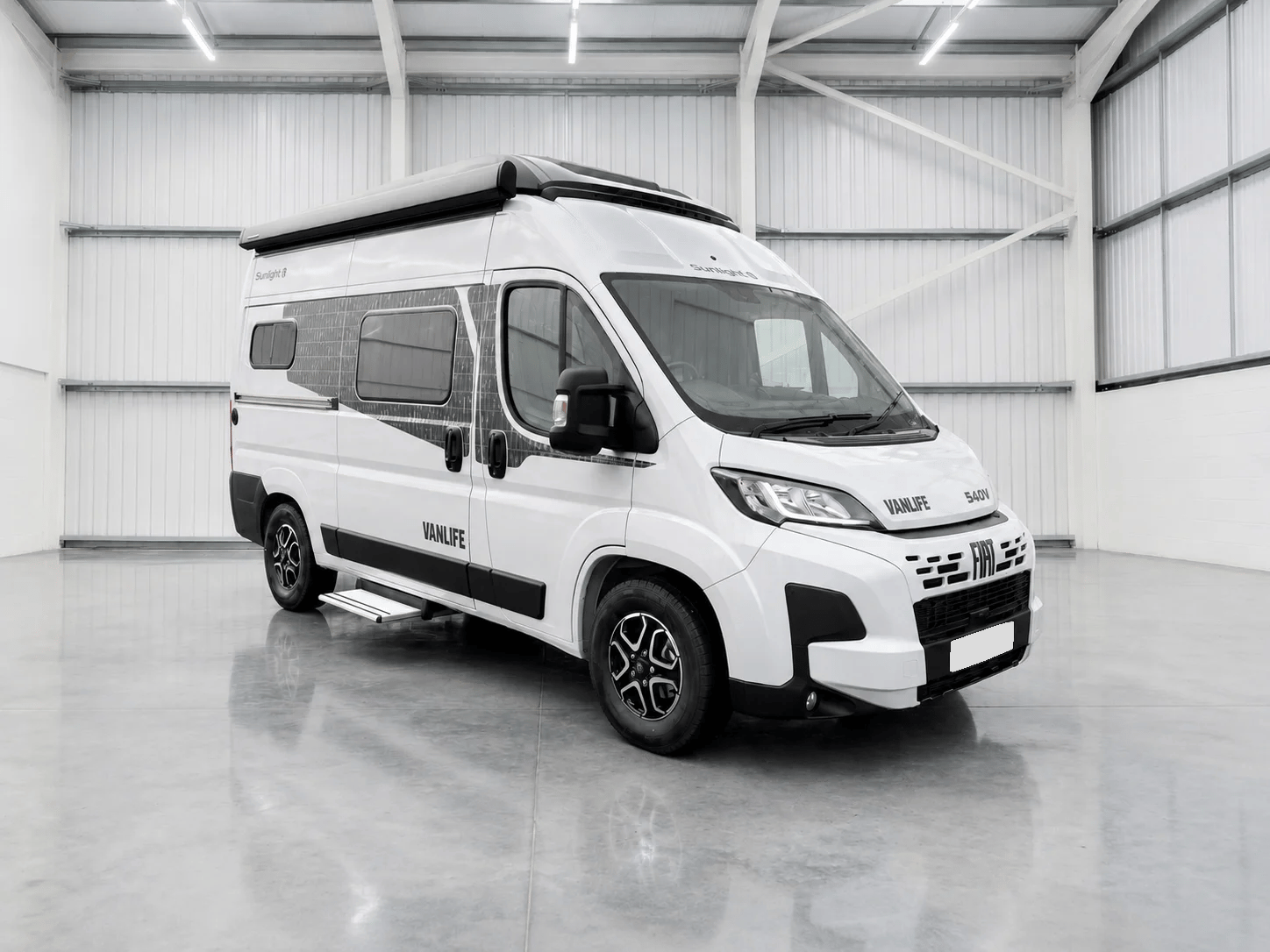
The camper you fall for is rarely the one you can afford. That gap is the whole reason Campervan.win exists. Right now we’re giving away the Sunlight Vanlife, worth around £65,000, and closing that gap is the point: capped entries so the odds stay honest, £10 a ticket, a maximum of five per person, £500 to a UK charity from every full draw, the winner picked by a public randomness beacon anyone can re-check, and one person driving away in the van itself.
Enjoyed this post?
Get more honest campervan guides like this one in your inbox.
You’re in!
Check your inbox. We’ve just sent you a welcome email.

About the author
Arthur
Arthur writes buying guides, comparisons, and in-depth explainers to help readers choose the right campervan or motorhome with confidence.
Keep Reading
Related Reading
Thoughtful articles that build on what you’ve just read.
Campervan Buying Guides
13 min read
Rolling Homes of Shrewsbury: VW-qualified campers from the Columbus to the Crafter Darwin
A plain-English profile of Rolling Homes, the Shrewsbury family converter with Volkswagen's Motorhome Qualified Converter status: what it builds on, what each model in the range is for, the 13 October 2026 prices, and what to ask before you put a deposit down.
Campervan Buying Guides
11 min read
Bilbo's explained: the Surrey VW converter since 1977, now on the T7 and Transit Custom
A plain profile of Bilbo's, the Surrey converter that has been putting raising roofs on Volkswagen Transporters since 1977 and now builds its Celex layout on both the T7 and the Ford Transit Custom. The range, the in-stock prices on 13 October 2026, the warranty, the owner-voted awards, and what to ask before you order.
Campervan Buying Guides
12 min read
Hillside Leisure explained: Derby's type-approved VW converter with a hybrid Multivan
A plain profile of Hillside Leisure of Derby: what the company builds on, every model with its published from-price, the approvals most buyers never ask about, and who it suits.
Campervan Buying Guides
10 min read
Swift Merlin 2027: nine layouts from £64,190 and how to pick the right one
Swift's all-new Merlin campervan arrives for 2027 with nine layouts on the Fiat Ducato panel van. We sort them into four families, work the payload sum on a four-seat version, and explain what the roof, the automatic and the prices mean for your choice.