
Auto-Sleepers history: the British marque behind the panel-van conversions

Written by
Rowan
Rowan writes editorial features, comparisons, and industry context pieces that help readers understand the campervan and motorhome landscape.
The short answer
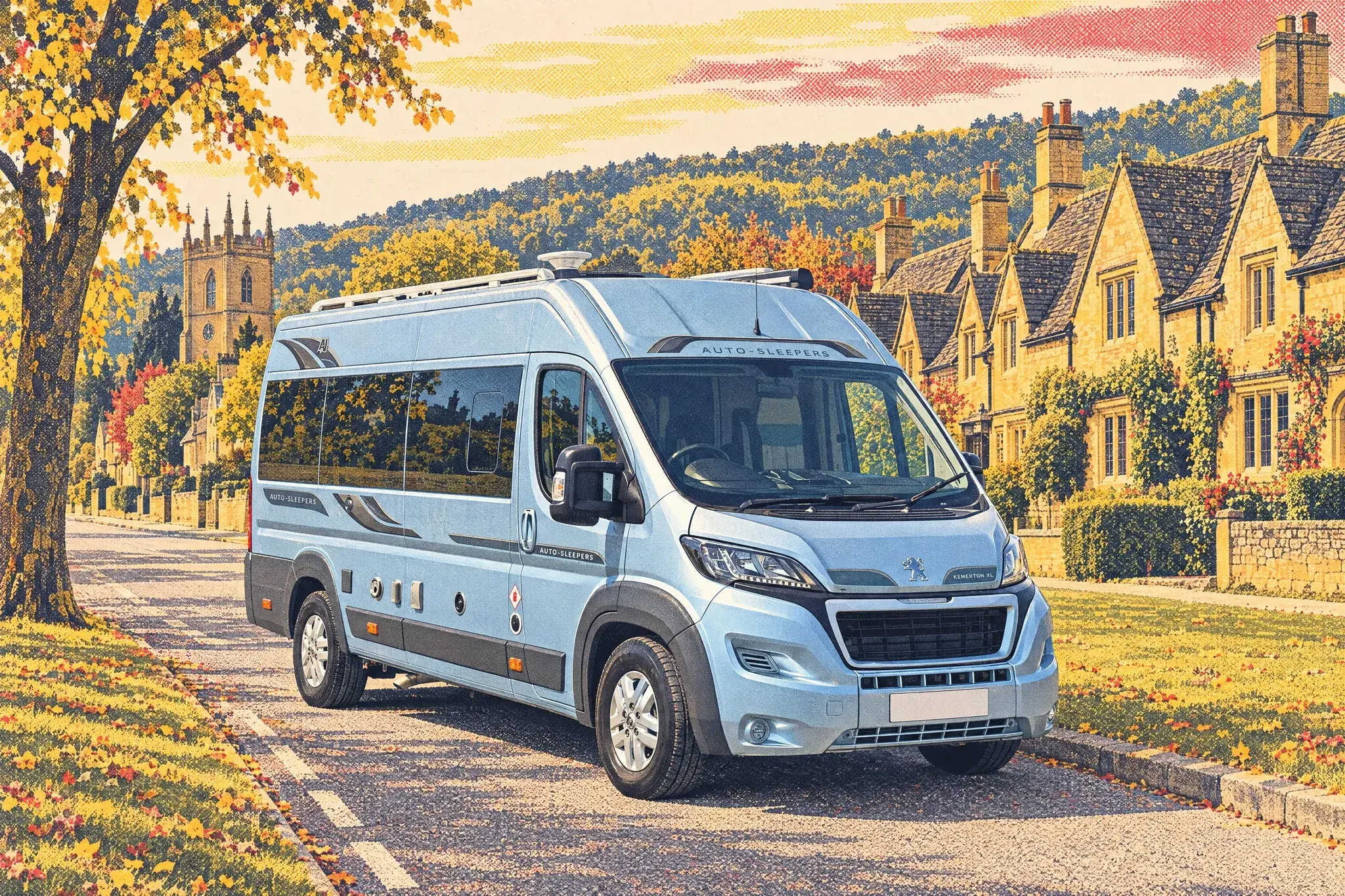
Auto-Sleepers is one of Britain's oldest leisure-vehicle makers, building campervans and motorhomes since the early 1960s in the Cotswold village of Willersey, where they are still made today. The marque is loved for quality timber joinery, rounded coachwork, sensible layouts and a homely British character, across both panel-van conversions and full coachbuilt motorhomes, using the best donor vans of each era from Bedfords to modern Mercedes and Peugeot. The heritage is real and genuinely reassuring, but the trick when shopping is to let it inform you rather than seduce you: judge any example on its condition, damp record, base vehicle, weight and how it fits your life. The badge has earned its place; your job is to find the right one. Here is the full story of the marque, and how to buy well.

If you have spent any time browsing British campervans, you have met an Auto-Sleeper. You may not have realised it. It is the one with the neat timber cabinets, the curved bodywork, and a model name borrowed from a sleepy Cotswold village. The badge has been on the road for more than sixty years, which makes it one of the oldest names still building leisure vehicles in this country. That alone is worth understanding before you spend money.
This is the long version of the story. Where the company came from, how it grew, what it actually builds, and why its vans look and feel the way they do. We will go through the base vehicles it has used over the decades, the difference between its panel-van conversions and its coachbuilt motorhomes, and what all of that means if you are weighing up a new or used example today. No sales pitch. Just the history, the context, and the honest practical detail.
Where it all began: a workshop in the Cotswolds
Auto-Sleepers started in the early 1960s in the village of Willersey, tucked into the hills near Broadway on the Gloucestershire and Worcestershire border. This is proper Cotswold country, all honey-coloured stone and narrow lanes, and the company has never really left. More than sixty years on, the vans are still built in the same corner of England, which is unusual in an industry where production has drifted and consolidated a great deal.
The business was founded by the Trevelyan family. The story most people in the trade tell is a simple one. There was a demand, growing through the 1960s, for vehicles that let ordinary families get away under their own steam. Caravanning was booming, the motorway network was being built, and the idea of a self-contained van you could sleep, cook and travel in had obvious appeal. A small joinery and engineering operation in a beautiful part of the country set out to meet that demand, and kept at it.
What matters here is the founding instinct, because it shaped everything that followed. Auto-Sleepers grew out of careful cabinet-making and coachwork rather than out of mass production. The early reputation was built on doing the woodwork properly, fitting things so they did not rattle loose after a season, and finishing a vehicle to a standard people would pay a premium for. That DNA is still visible in the products today, and it is a big part of why the badge carries the weight it does.
The short version: a family firm in the Cotswolds that learned to build campervans the way you build good furniture, and never lost the habit.
What a panel-van conversion actually is
Before we go further, it is worth being clear about the term in the headline, because it gets thrown around loosely and it genuinely changes what you are buying.
A panel-van conversion takes a standard commercial van, the kind a courier or a plumber would drive, and converts the inside into living space while keeping the original metal body and roofline. The outside still looks broadly like a van. The shape, the doors and the overall footprint are inherited from the base vehicle. Conversion work happens within that shell, although many gain a pop-top or a raised roof to add standing height and a second bed.
A coachbuilt motorhome is different. The converter takes a bare chassis cab, essentially the front of a van with a flat back, and builds an entirely new living body on top, usually in glass-reinforced plastic and timber or aluminium. That is the classic motorhome silhouette with the big box behind the cab and often a bed nook over the windscreen, known as a Luton.
Auto-Sleepers is notable because it has done both, and done both seriously, for a very long time. The headline calls it the marque behind the panel-van conversions, and that is fair, because its van-based models are among the most recognisable in Britain. But understanding the company means understanding both sides of its workshop. We will come to each.
Why the distinction matters to your wallet
Panel-van conversions tend to be easier to drive, easier to park, more car-like to live with day to day, and friendlier in town. They usually have less interior space for the money. Coachbuilt models give you far more room, often a proper fixed bed and a bigger washroom, but they are larger, heavier and more of a commitment in a multi-storey or a tight country lane. Neither is better. They suit different lives. Knowing which kind of vehicle a given Auto-Sleeper model is should be your first question, not your last.
The early decades and the base vehicles of the day
To understand a marque this old, you have to understand the vehicles it had to work with. A converter does not build the van from scratch. It buys whatever the commercial vehicle makers are producing and adapts it. So the history of Auto-Sleepers is partly a history of British and European vans.
In the 1960s and into the 1970s, the donor vehicles tended to be the workhorses of the era. Bedford was a dominant name, and its vans were a natural starting point for conversions. The Bedford CA and later the Bedford CF were everywhere on British roads, and many early leisure conversions, including Auto-Sleepers, were built on them. Commer vans also featured in the broader market of the time. These were simple, robust, rear-wheel-drive vehicles by modern standards, with modest power and basic comfort, but they were what the country drove.
The conversions of that era were correspondingly simple. A gas ring or two, a sink with a hand pump, a paraffin or gas heater, a folding bed, and cabinets to keep it all in place on the move. There was no leisure battery management, no diesel heating, no solar. People expected far less, and what they got was a self-built sense of freedom that had not been widely available before.
Through the 1970s and 1980s the base vehicles evolved. As the major manufacturers brought out more modern, more comfortable vans, Auto-Sleepers moved with them. The British Leyland and later Leyland DAF Sherpa range, for example, was a common base for conversions in this period, and that family of vans underpinned a lot of British leisure vehicles. The point is not to memorise every chassis. The point is that the company has always built on whatever the best available donor van of the day happened to be, and adapted its joinery to fit.
What stayed constant
Through all those changes of base vehicle, the constant was the standard of fit-out. Even as fashions and chassis came and went, the firm kept its reputation for solid timber furniture, sensible layouts and a finish that felt a cut above. That continuity of approach is the thread that runs from the 1960s workshop right through to the current range.
The move into coachbuilt motorhomes
While the panel-van conversions made the name, Auto-Sleepers also built a strong reputation for coachbuilt motorhomes. The logic is straightforward. Some buyers wanted more space than a van shell could offer, a permanent bed they did not have to make up each night, and a washroom you could actually turn around in. A coachbuilt body delivers that.
Over the years the company's coachbuilt models have largely been built on European chassis cabs, with the Peugeot Boxer becoming a long-standing favourite for the rear-wheel and front-wheel-drive bases. The Boxer, and its close relatives within the same family of vans, gives a converter a strong, well-supported platform with a wide dealer network for servicing, and a cab that is comfortable for long journeys. Auto-Sleepers has leaned on that platform for many of its larger models.
The coachbuilt range is where you find the classic motorhome layouts. Fixed rear beds, island beds, rear lounges, mid-kitchens, and the over-cab bed nook on some models. These are the vehicles for people who plan to live aboard for weeks at a time, tour widely, and want home comforts close to a small flat rather than a clever box on wheels.
The Mercedes-Benz era and the modern van conversions
One of the things that has set Auto-Sleepers apart in the modern market is its long association with Mercedes-Benz for premium panel-van conversions. For buyers who wanted a van-based camper with a more upmarket cab, a strong drivetrain and a particular badge on the nose, the Mercedes-based models became a signature.
The pairing makes sense. The Mercedes-Benz vans, whether the larger Sprinter or the mid-sized models, brought a level of cab refinement, safety equipment and driving manners that suited a higher-end conversion. Put careful Cotswold joinery inside a well-built German van and you have a product with genuine appeal. Over the years, Auto-Sleepers van conversions have also appeared on Peugeot and other European bases, so it is worth checking the exact donor vehicle of any specific model and year rather than assuming.
The modern van conversions reflect how much the category has grown up. Where a 1970s conversion offered a gas ring and a cold tap, a current Auto-Sleeper van conversion typically includes:
- Proper diesel or gas heating with hot water, so you can use the van year round.
- A leisure battery setup with a control panel, and increasingly the option of lithium and solar.
- A compartmented fridge, a multi-ring hob, often a combination oven and grill, and a sink with mixer tap.
- A washroom with a cassette toilet and a shower, packaged cleverly into a van footprint.
- Fixed or convertible beds depending on the model and roofline.
- Insulation, double-glazed windows and decent soundproofing for comfort in cold and warm weather.
All of that has to fit inside a body shape designed to carry parcels, which is the engineering challenge that makes a good van conversion genuinely impressive.
What makes an Auto-Sleeper recognisable
Walk around a campsite and you can usually spot the marque's products without reading the badge. A few traits have become signatures over the decades.
The joinery
This is the headline. The company built its name on real, solid-feeling cabinetwork, with proper catches, well-hung doors and a finish that holds up to years of bouncing down the road. Furniture is one of the first things to fail in a poorly built camper. Doors drop, hinges loosen, edges chip and drawers stop sliding. The marque's reputation rests heavily on getting this right, and on the whole it has.
The bodywork
On the coachbuilt models, Auto-Sleepers has long been associated with smooth, rounded GRP bodywork rather than flat, slab-sided boxes. The curved profiles are partly about looks and partly about aerodynamics and water shedding. They give the vehicles a distinctive, slightly softer appearance that many people find more appealing than a square box.
The layouts
The brand tends to favour sensible, liveable layouts over gimmicks. Galley kitchens that actually work, lounges you can relax in, washrooms designed to be usable rather than just present. There is a practicality to the floorplans that reflects decades of feedback from owners who actually tour.
The naming
Here is the charming part. For years the company has named models after Cotswold places and nearby villages and towns. Broadway, Bourton, Burford, Stanway, Corinium, Warwick, Winchcombe and others have all appeared as model names over time, alongside non-place names like Nuevo, Symbol and Topaz. If you ever wondered why so many British motorhomes are named after pretty villages, this is part of the reason. It roots the products in the landscape they are built in, and it is a quiet bit of branding that has aged well.
A walk through the kinds of models you will meet
Because the range has changed many times over the decades, it helps to think in categories rather than trying to track every single model year. When you go shopping, new or used, you will broadly meet these types.
Compact van conversions
These are based on mid-sized or large panel vans and aimed at buyers who want something they can use as a second vehicle, park in a normal bay and drive without anxiety. Pop-top or fixed-roof options, a compact kitchen, a small washroom on some models, and clever convertible beds. The appeal is everyday usability. The compromise is space.
Larger van conversions
Built on bigger long-wheelbase vans, often with a high roof for full standing height, these give you a proper washroom, a fixed bed in some layouts, and a kitchen you can cook a real meal in, all without leaving the van silhouette. For many buyers this is the sweet spot: most of the living space of a small motorhome with much of the drivability of a van.
Coachbuilt motorhomes
The full-size offering. Fixed beds, generous washrooms, big habitation areas, large fresh and waste water tanks, and the storage to tour for weeks. These are the models for people whose campervan is also, in effect, a holiday home. They demand more thought about driving, parking and weight, which we will come to.
Buying a used Auto-Sleeper: what the heritage means in practice
The long history is genuinely useful to a used buyer, and not just for sentimental reasons. A marque that has been building for decades has a deep pool of vehicles on the second-hand market, a community of owners who know the products, and a body of accumulated knowledge about what goes wrong and what lasts. That is worth a lot when you are buying something complicated and expensive.
Here is what to focus on when you view a used example.
Damp is the big one
For any motorhome or van conversion of any age and any badge, water ingress is the single most important thing to check. Coachbuilt bodies have many joints and seals, and over years they can let water in, which rots timber framing and ruins furniture from the inside. Even van conversions can suffer around roof fittings, windows and seams.
- Look and feel for soft spots in walls, floors and around windows.
- Check ceilings and corners for staining or a musty smell.
- Ask for the damp check history. Many converters and dealers carry out an annual habitation service that includes a damp report.
- If you can, take a moisture meter or have a professional habitation check done before you commit.
Service history and habitation checks
There are really two service histories to think about. The base vehicle needs normal mechanical servicing like any van. The habitation side, the living equipment, needs its own annual check covering gas, electrics, heating, water systems, the fridge and the ventilation and safety items. A vehicle with a full habitation history is far more reassuring than one with only the engine looked after.
The base vehicle itself
Because the marque has used several different donor vans over the years, the mechanical realities vary. A Mercedes-based conversion, a Peugeot Boxer coachbuilt and an older Bedford-based classic are completely different propositions for parts, servicing and running costs. Research the specific base vehicle of the model you are looking at. Check for the usual signs of a hard life: corrosion underneath, worn brakes, tired suspension, and any signs of high commercial mileage before conversion.
Age of the habitation equipment
An older van may have a perfectly sound body but ageing equipment. Heaters, fridges, control panels and batteries all have a service life. A leisure battery that is past its best, a fridge that no longer holds temperature or a heater that needs attention are not disasters, but they are costs you should factor in and use in negotiation.
Buying new: where it sits and what you are paying for
A new Auto-Sleeper is a premium product within the British market. You are paying for the heritage, the build quality, the joinery and the support network, and prices reflect that. As a rough guide, new British van conversions of this kind tend to sit in the broad range of the mid tens of thousands of pounds and up, while larger coachbuilt models climb higher, often well into the higher tens of thousands depending on size, base vehicle and specification. Always check current pricing directly, because it moves with the wider economy and with base vehicle costs.
What you are buying with a premium British marque, beyond the vehicle itself, includes:
- A dealer and service network that knows the products.
- Warranties on the conversion and, separately, on the base vehicle.
- The reassurance that parts and support are likely to be available for years.
- Stronger residual values than many cheaper alternatives, which softens the cost of ownership over time.
That last point matters more than people expect. A vehicle that holds its value well can cost less to own over five years than a cheaper one that depreciates hard, even though the cheaper one looked like a bargain on day one. We will return to this.
Living with one: the everyday reality
History and badges are all very well, but you buy one of these to use it. So here is the honest picture of life with an Auto-Sleeper, drawn from the realities of the categories it builds.
Driving
The van conversions are the easy ones. If you can drive a large estate car or a regular van, you can drive these. Visibility is good, they fit most parking, and the modern bases have car-like equipment. The coachbuilt models take more getting used to. They are longer, wider, taller and heavier, and you have to think about height barriers, overhanging trees, tight lanes and parking. None of it is hard, but it does require attention, especially in the first few outings.
Heating and year-round use
One of the genuine pleasures of a well-built British camper is that it is designed for a British climate. Proper heating, hot water and insulation mean you are not limited to a few warm weeks in summer. Plenty of owners tour through autumn and winter, and the marque's vehicles are generally well suited to it. A cold, damp weekend is exactly when good build quality earns its keep.
Storage and packing
This is where layout decisions show up. The bigger coachbuilt models swallow gear easily. Van conversions ask you to be more disciplined. Either way, the marque's cabinetwork tends to make the most of the space available, with sensible cupboards and lockers rather than awkward voids. Test this when you view. Open every door, imagine your own kit, and be honest about whether it fits your life.
Servicing rhythm
Owning one settles into an annual rhythm. The base vehicle gets its service and MOT like any vehicle. The habitation side gets its yearly check. Gas and electrical safety items get attention. You learn the vehicle, you keep on top of small jobs, and a well-maintained example rewards you with years of reliable use. Neglect, by contrast, is where motorhomes get expensive, because small leaks and faults compound.
Costs and depreciation: the honest numbers
Let us be straight about money, because that is where dreams meet reality. Owning a quality campervan or motorhome is not cheap, and pretending otherwise helps nobody. Here are the cost areas to plan for, framed as structural realities of the category rather than anyone's fault.
Purchase and depreciation
A premium British marque typically holds its value comparatively well, which is a real advantage. New vehicles still depreciate, especially in the first couple of years, but a strong badge with good demand on the used market loses value more gently than budget alternatives. Buy a few years old and you let someone else absorb the steepest part of the curve while still getting a well-supported, quality vehicle.
Insurance
Specialist motorhome and campervan insurance is its own world. Premiums depend on value, where you store the vehicle, your mileage, your security and your driving history. Secure storage and limited annual mileage usually bring premiums down. Always insure for the correct value, including any extras you have fitted, and read the cover for European travel limits and breakdown.
Running costs
Fuel economy varies by base vehicle and size. A van conversion will be noticeably more economical than a large coachbuilt. Real-world figures are always softer than the official numbers, especially loaded up and into a headwind. Budget realistically. Then add servicing, the annual habitation check, tyres, which are an often-forgotten cost on a heavy vehicle, and consumables like gas.
The annual ownership budget
As a rough planning figure, many owners find that beyond fuel, the fixed annual costs of insurance, servicing, the habitation check, storage if you use it, and a sensible allowance for repairs add up to a meaningful sum each year. Tyres and the occasional bigger repair sit on top of that. The point is not to scare you off. It is to make sure the budget is built on reality so that ownership stays a pleasure rather than a worry.
Weight and licensing: the bit people get wrong
This is one of the most common areas of confusion in the whole motorhome world, and it applies to any marque, including this one. It is worth getting right before you buy, because it can affect what you are legally allowed to drive.
The licence threshold
The key number for most drivers is 3,500kg. This is the maximum authorised mass, or MAM, of the vehicle, meaning the most it is allowed to weigh fully loaded. Many van conversions and smaller coachbuilt motorhomes are designed to sit at or under this figure precisely so that they can be driven on a standard car licence.
If you passed your car test in Great Britain on or after 1 January 1997, your ordinary category B licence generally allows you to drive a vehicle up to 3,500kg. If you want to drive something heavier, you typically need the additional C1 category, which involves further testing.
If you passed your test before 1 January 1997, you very likely have so-called grandfather rights that include the C1 category up to 7,500kg, which is why many older drivers can step into larger motorhomes without extra tests. Check your own licence categories. Do not assume.
Payload: the figure that catches people out
Here is the practical trap. A vehicle can be sold as under 3,500kg, but once you add water, gas, passengers, bikes, awnings, food and all the gear of a holiday, you can find yourself very close to the limit, or over it. The difference between the empty weight and the maximum allowed weight is your payload, and it is genuinely important.
- Ask for the actual unladen or mass in running order figure for the specific vehicle, not a brochure average.
- Work out your real payload after the things that are always aboard, like a full water tank and gas.
- If you tour with bikes, lots of kit, or several people, do the sums honestly before you buy.
- If in doubt, take the laden vehicle to a public weighbridge. It is cheap and it removes all guesswork.
Driving overweight is not a technicality. It affects handling, braking, tyres and your insurance, and it can land you with penalties. A well-designed vehicle with a generous payload is genuinely worth more to you than a cramped one, and this is a place where buying a quality, well-engineered conversion can pay off.
The marque in the wider British scene
It helps to understand where Auto-Sleepers sits in the broader landscape, without ranking it against anyone. Britain has a long tradition of leisure vehicle manufacturing, much of it clustered in the Midlands and the West Country, and the country has produced a number of long-lived marques with loyal followings. Auto-Sleepers is one of the senior names in that tradition, distinguished by its Cotswold base, its premium positioning and its dual identity as both a van converter and a coachbuilder.
Over its long life the company has, like most in the industry, seen changes of ownership and the ups and downs of the wider economy. The leisure vehicle market is cyclical. It does well when people feel confident and have money for holidays, and it feels the pinch when they do not. Manufacturers across the sector have weathered recessions, fuel price shocks and shifting tastes. What has kept the older names alive through all of that is a combination of brand loyalty, build quality and the steady appeal of touring under your own roof. Auto-Sleepers has been a survivor, and survival in this industry is itself a kind of achievement.
The shift in how people use these vehicles
It is also worth noting how the use case has broadened. In the early decades these were mostly family holiday vehicles. Today the same kinds of products serve a much wider mix of owners: retired couples touring for months at a time, younger buyers using a van conversion as a weekend escape and an everyday vehicle, remote workers, outdoor sports enthusiasts and people simply chasing a slower, freer way to travel. The marque's range has evolved to meet that broader audience, with more compact, drivable conversions sitting alongside the traditional larger motorhomes.
Common myths and misconceptions
A marque this old attracts a lot of received wisdom, some of it outdated. Here are a few things worth correcting.
Myth: older British vans are all rotten
Not true. Plenty of older conversions are sound, especially those that have been stored under cover, serviced properly and kept dry. Equally, a poorly maintained recent vehicle can be worse than a cherished older one. Condition and history matter far more than age alone. Judge the individual vehicle, not the year on the plate.
Myth: a van conversion is just a worse motorhome
Also not true. A van conversion is a different tool. For someone who wants one vehicle that handles the school run, the supermarket and a weekend away, a compact conversion can be far more useful than a big coachbuilt that lives on the drive most of the year. Match the vehicle to your actual life.
Myth: premium badges are just paying for the name
There is a kernel of truth in any premium, but with a long-established quality marque you are also paying for the joinery, the engineering, the support network and the residual value. A vehicle that holds its value and does not fall apart can be cheaper to own than a cut-price alternative over several years. Look at the whole-life cost, not just the sticker.
Myth: you need a special licence to drive any motorhome
Many of these vehicles, particularly van conversions and smaller coachbuilt models, are designed to be driven on an ordinary car licence because they sit at or below 3,500kg. Larger models may need C1. Check the specific vehicle and your own licence. Do not let the myth put you off, and do not let it lull you into ignoring the weight either.
A practical buying checklist
If you are seriously considering one, new or used, here is a condensed checklist to take with you.
- Decide on the category first. Van conversion or coachbuilt. Be honest about how you will use it and where you will park it.
- Identify the base vehicle. Mercedes, Peugeot or otherwise. Research that platform's parts, servicing and running costs.
- Check the weight and payload. Get the real unladen figure, work out usable payload, and consider a weighbridge visit.
- Confirm your licence covers it. Category B for up to 3,500kg, C1 for heavier, and check pre-1997 grandfather rights.
- Hunt for damp. Look, feel, smell, and ask for the damp and habitation history. Get a professional check if unsure.
- Review both service histories. Mechanical and habitation. A full habitation record is a strong sign of a cared-for vehicle.
- Test every fitting. Heater, fridge, hob, water system, lights, control panel, blinds, beds. Open every cupboard.
- Budget for ownership. Insurance, servicing, the annual check, tyres, storage and a repair buffer, not just the purchase price.
- Think about resale before you buy. A strong badge in good condition holds value, which softens the true cost of ownership.
Why the heritage genuinely matters
It would be easy to treat the history as a nice story and nothing more. But in a market this expensive and this complicated, heritage has practical value. A marque that has built vehicles for more than sixty years, in the same part of the country, with a consistent philosophy of doing the woodwork properly, gives a buyer several real advantages.
You get a deep used market to choose from. You get a community of owners who can tell you what to look for. You get a service network that understands the products. You get a reasonable expectation that parts and support will still be there in years to come. And you get the quiet confidence that comes from buying something built by people who have been refining the same craft for generations rather than chasing a trend.
That is not a reason to buy one blindly. Every vehicle must be judged on its own condition, its own history and how well it fits your life and your budget. But it is a reason to take the badge seriously, and to understand what you are looking at when you see those neat timber cabinets and a model named after a Cotswold village.
The bottom line
Auto-Sleepers is one of the senior names in British camper and motorhome building, a Cotswolds firm that grew out of careful joinery in the early 1960s and has been at it ever since. It built its reputation on quality fit-out, recognisable rounded coachwork, sensible layouts and a long line of well-supported products spanning both panel-van conversions and full coachbuilt motorhomes. Along the way it has used whatever the best donor vans of each era happened to be, from the Bedfords of the early decades to the Mercedes and Peugeot platforms of more recent times.
If you are shopping, let the heritage inform you rather than seduce you. Work out which category suits your life, identify the base vehicle, check the weight and your licence, hunt hard for damp, study both service histories and budget honestly for the realities of ownership. Do that, and a well-chosen Auto-Sleeper, new or used, can be a genuinely rewarding way to get out and see the country. The badge has earned its place. Your job is simply to find the right one, in the right condition, for the right money, and then go and use it.
Common questions
Who are Auto-Sleepers?
Auto-Sleepers is a long-established British campervan and motorhome builder based in Willersey, near Broadway in Gloucestershire, where it has built leisure vehicles since the early 1960s. More than sixty years on, the vans are still made in the same corner of the Cotswolds, which is unusual in an industry where production has drifted and consolidated.
What is Auto-Sleepers known for?
Quality fit-out and a recognisable house style: neat timber cabinets, rounded coachwork, sensible layouts and a comfortable, homely British feel rather than a stripped-back continental look. Models are often named after Cotswold villages, and it builds both panel-van conversions and full coachbuilt motorhomes.
What is the difference between a panel-van conversion and a coachbuilt?
A panel-van conversion keeps the original van's metal body and fits the living space inside it, so it stays the size and shape of the van. A coachbuilt has the converter build a larger habitation body on top of a base chassis cab. Auto-Sleepers makes both, and the distinction affects size, price, payload and how the van drives and parks.
What base vehicles do Auto-Sleepers use?
It has used the best donor vans of each era, from the Bedfords of the early decades through to modern Mercedes-Benz and Peugeot platforms. The base vehicle shapes the drive, the servicing and the running costs, so identify which one any given model uses when you shop.
What licence do I need for an Auto-Sleeper?
Many Auto-Sleepers, particularly van conversions and smaller coachbuilts, are designed to sit at or under 3,500kg so they can be driven on a standard category B licence. Larger coachbuilt models may be plated higher and need category C1, which drivers who passed before 1 January 1997 usually hold already, while those who passed later need an extra test.
What should I check when buying a used Auto-Sleeper?
Hunt hard for damp, which is the big one, and study both the base-vehicle and habitation service histories. Check the base vehicle's condition, the age of the habitation equipment, and do the payload sum, because a van sold as under 3,500kg can be close to the limit once you add water, gas, passengers and gear. Let the heritage inform you rather than seduce you.
The reachable bit
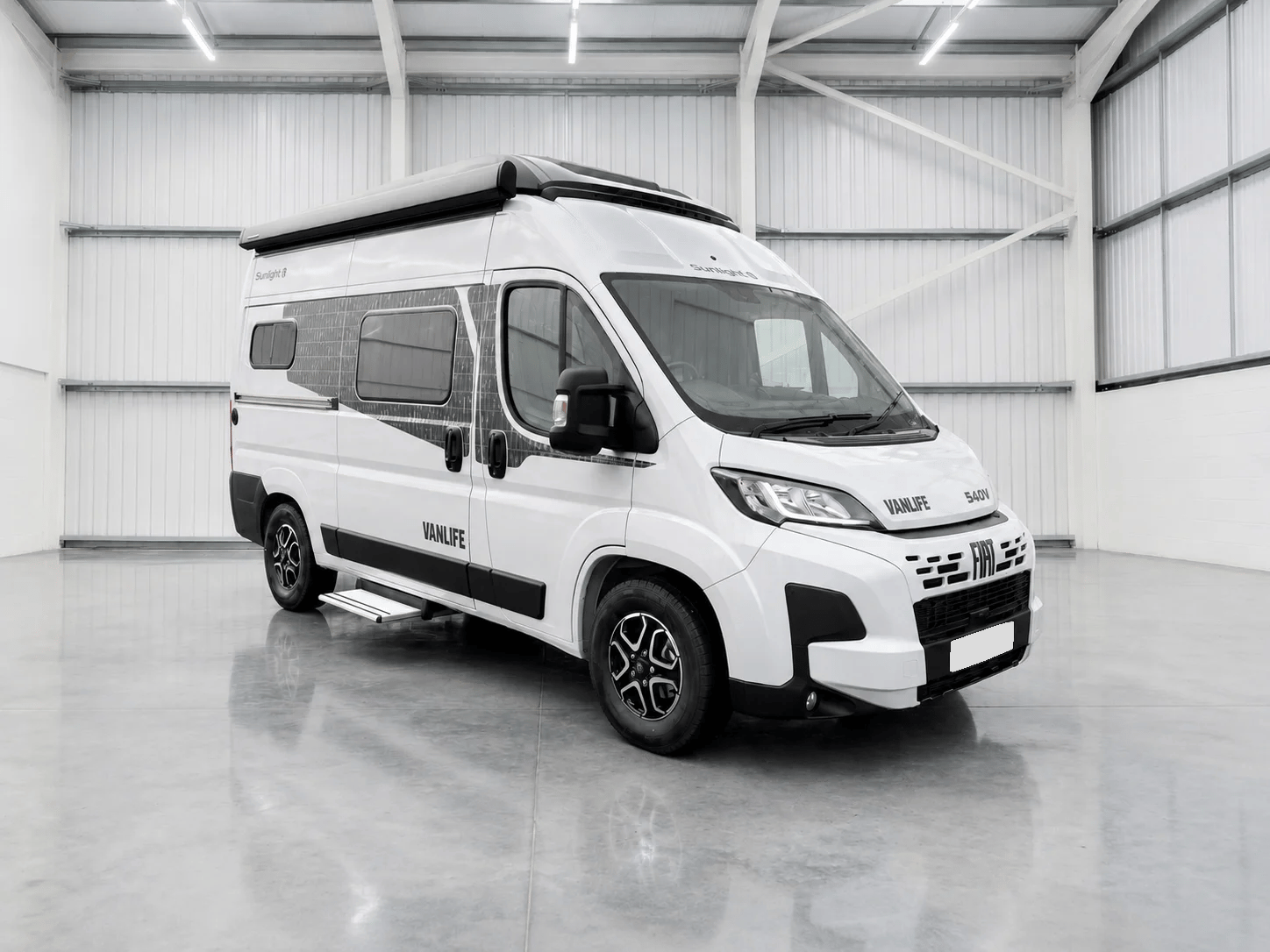
The camper you fall for is rarely the one you can afford. That gap is the whole reason Campervan.win exists. Right now we’re giving away the Sunlight Vanlife, worth around £65,000, and closing that gap is the point: capped entries so the odds stay honest, £10 a ticket, a maximum of five per person, £500 to a UK charity from every full draw, the winner picked by a public randomness beacon anyone can re-check, and one person driving away in the van itself.
Enjoyed this post?
Get more honest campervan guides like this one in your inbox.
You’re in!
Check your inbox. We’ve just sent you a welcome email.

About the author
Rowan
Rowan writes editorial features, comparisons, and industry context pieces that help readers understand the campervan and motorhome landscape.
Keep Reading
Related Reading
Thoughtful articles that build on what you’ve just read.
Campervan Buying Guides
10 min read
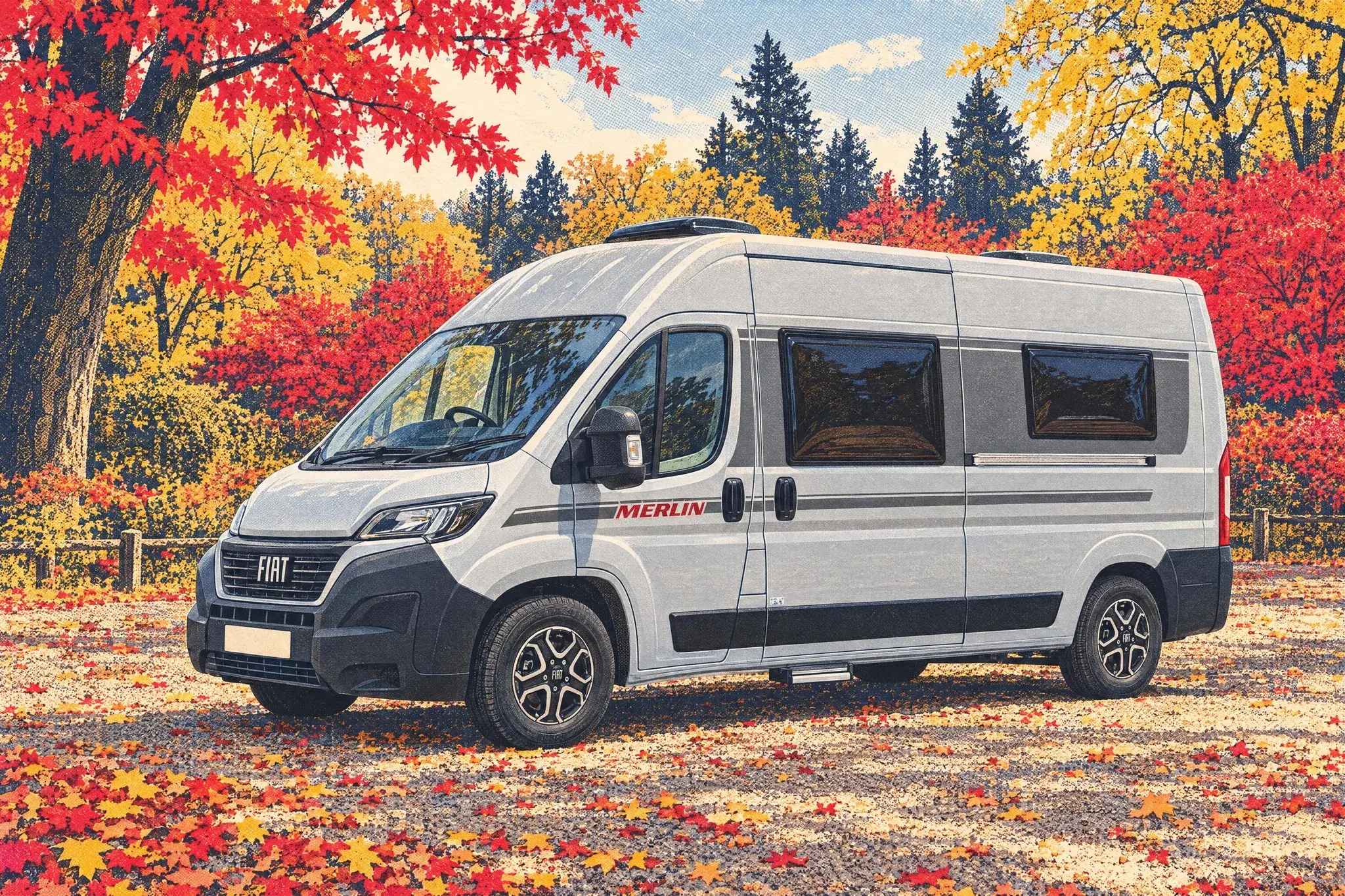
Swift Merlin 2027: nine layouts from £64,190 and how to pick the right one
Swift's all-new Merlin campervan arrives for 2027 with nine layouts on the Fiat Ducato panel van. We sort them into four families, work the payload sum on a four-seat version, and explain what the roof, the automatic and the prices mean for your choice.
Campervan Buying Guides
11 min read
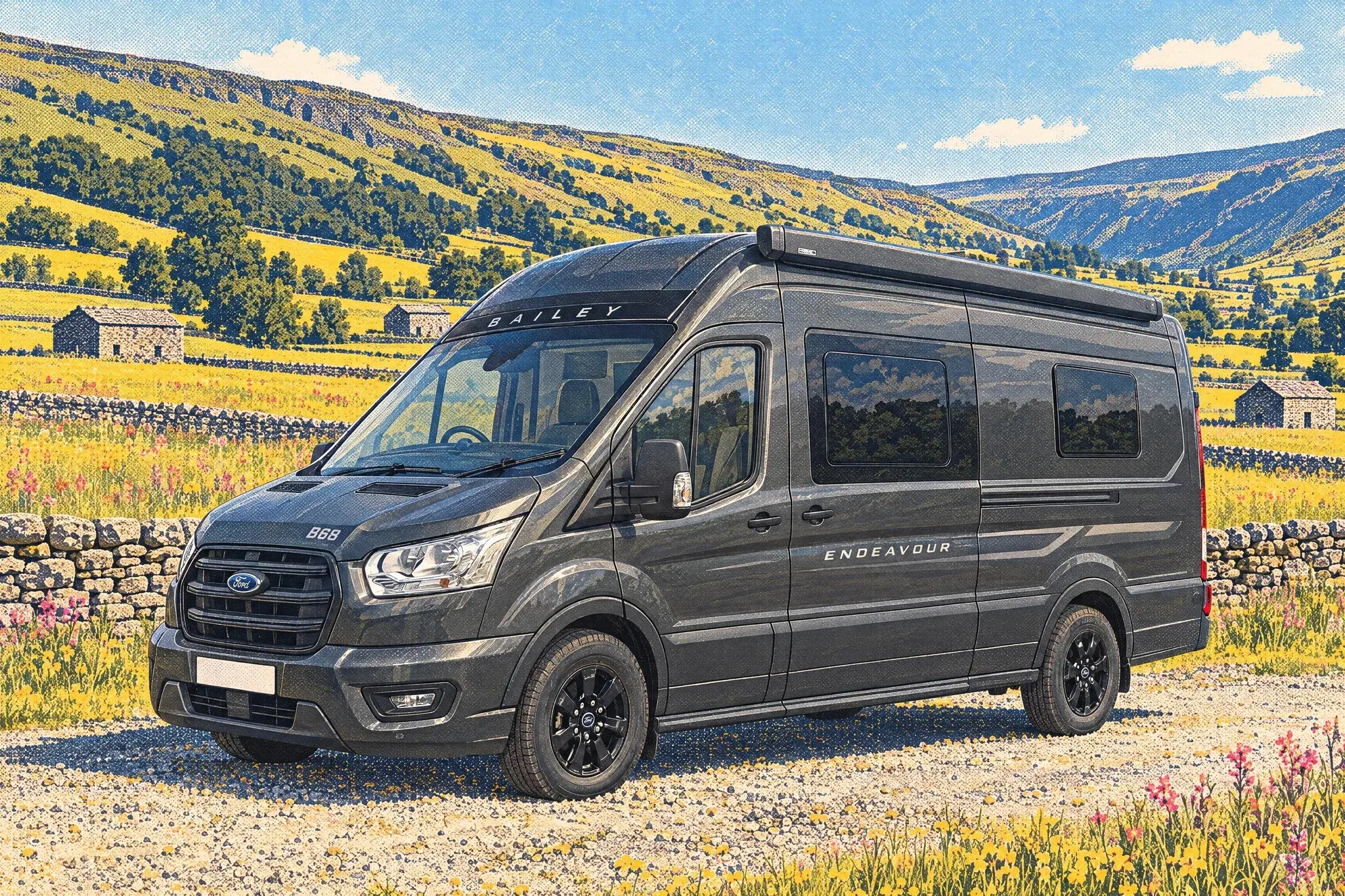
Bailey Endeavour B68: the end-lounge Transit campervan where the pop-top costs 143 kg
Bailey's new Endeavour B68 puts a rear lounge in a 5.98 m Ford Transit campervan. We compare it with the B65 and B62, check the 1.86 m bed, and do the payload sums if you add the £7,500 pop-top.
Campervan Buying Guides
12 min read
New campervans under £60,000 for 2027: what the NEC shows and what the price leaves out
A fair look at the new 2027 campervans listed under £60,000 ahead of the Motorhome and Caravan Show at the NEC, with each price given as its maker words it, and the differences between ex-works, delivered and German-retail-based figures explained so you can compare real on-the-road totals.
Campervan Buying Guides
14 min read
Eura Mobil Vancona 2027: a €57,400 campervan with just 84 to 118 kg left for options
Eura Mobil's new Vancona is a well-equipped Fiat Ducato campervan from €57,400, but its 84 to 118 kg options allowance means you need to order it with the weight sheet open. We explain what the figure means, what the 4.25 t uprate costs you in licence terms, and which options to prioritise.