
An in depth history of Westfalia: the firm that built the campervan we picture

Written by
Rowan
Rowan writes editorial features, comparisons, and industry context pieces that help readers understand the campervan and motorhome landscape.
The short answer
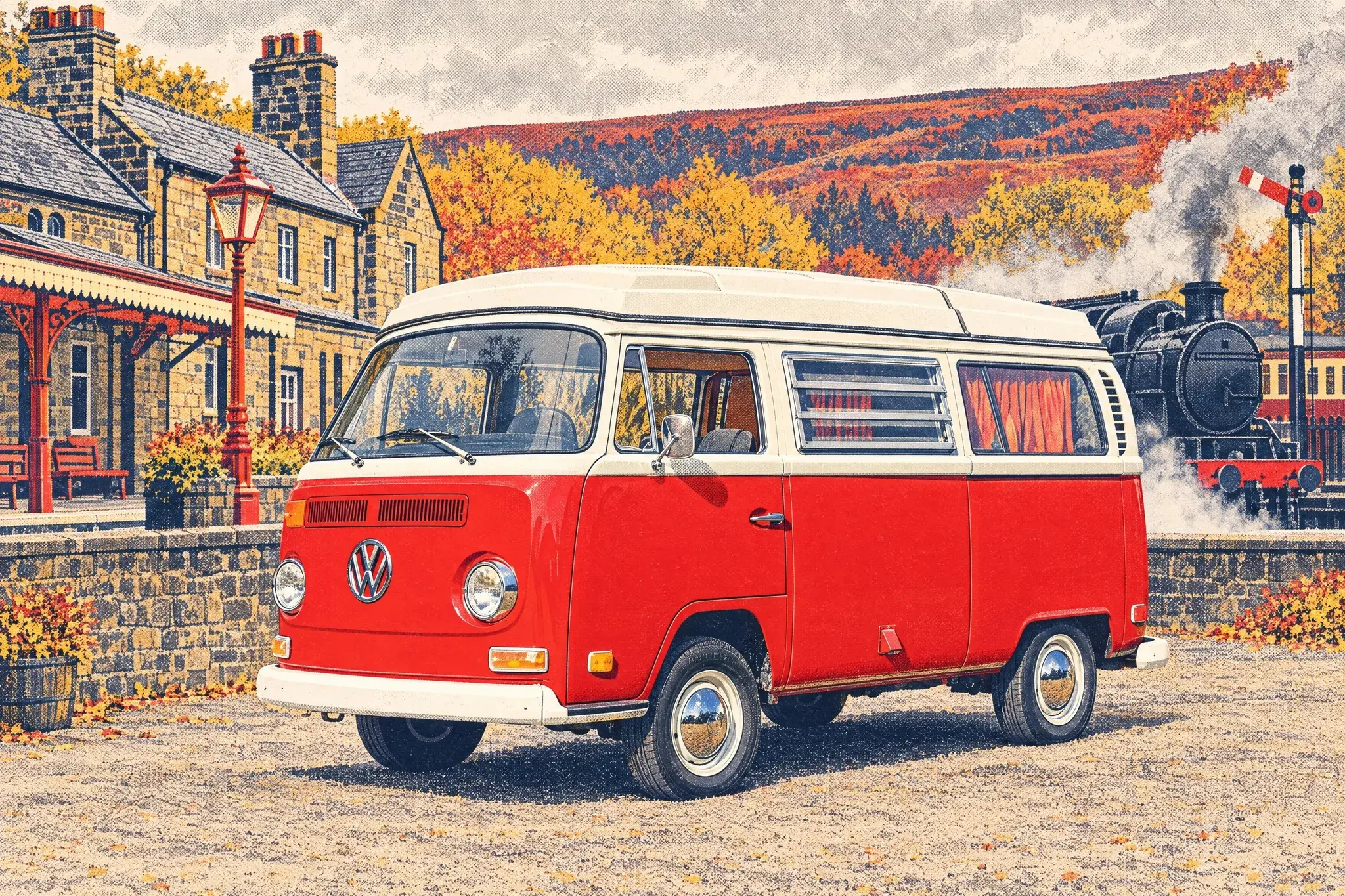
Westfalia is the German firm behind the campervan most of us picture: a VW with a pop-up roof, a kitchen by the sliding door and a fold-out bed. It began life as a forge in 1844 in the Westphalia region, started converting the VW Type 2 around 1951 with its Camping Box, and went on to define the Split, Bay, T3 Joker and California campers, even coining the California name that Volkswagen later took in-house from the T5 in 2003. It still converts other vans today, and a genuine classic is now a serious five-figure purchase, the kind you buy for love rather than thrift. It is a wonderful story, and a useful one: judge any van by how cleverly its space works and how well it fits your life. Here is the full history behind that lovely, familiar shape.

Close your eyes and picture a campervan. For a huge number of people, the image that arrives is a Volkswagen with a pop-up roof, a little kitchen by the sliding door and a bed that folds out of a bench. That picture exists largely because of one company in a quiet corner of north-west Germany. Its name is Westfalia, and it has been making things for a very long time, long before anyone dreamed of sleeping in a van for fun.
This is the full story. Not a tidy legend, but the real path: a blacksmith's forge, farm carts, a chance meeting after a war, decades of clever camping conversions, the birth of a name that became a noun, and the slow, complicated business of staying alive as the world changed around it. If you have ever wondered why a Westfalia means something to people who care about campervans, this is where that meaning comes from.
Where Westfalia begins: a forge in 1844
The company started in 1844 in Wiedenbrück, a small town in the Westphalia region of Germany. That region is where the name comes from. The founder was a craftsman named Johann Bernhard Knöbel, and the business began as a forge. In the middle of the nineteenth century a smith made the things a rural community needed: tools, fittings, ironwork, and the metal parts that held wagons and carts together.
That detail matters more than it first appears. Westfalia did not begin as a camping company or even as a vehicle company. It began as a maker of strong, practical, load-carrying things for people who worked outdoors and moved goods around. Carts and trailers were the natural next step, and over the following decades the firm grew into a serious manufacturer of horse-drawn vehicles and, later, trailers for motor vehicles.
By the early twentieth century Westfalia had built a reputation for two things that would define its whole future: towing equipment and coachbuilding. The towing side, the business of trailers and the hardware that attaches them, grew into a major operation in its own right. The coachbuilding side, the craft of building bodies and interiors onto a chassis, is the thread that eventually leads to the campervan.
Two skills that explain everything that followed
Hold on to those two skills, because they explain almost the entire Westfalia story:
- Towing and trailers. A century of making things that hitch to vehicles, carry weight safely and survive rough use.
- Coachbuilding and joinery. The ability to take a bare vehicle and turn it into a finished, liveable space with cabinetry, fittings and clever use of room.
A campervan is, in a sense, those two talents joined together: a load you carry with you, built with the care of a piece of furniture. When the right vehicle came along, Westfalia was unusually well prepared to do something special with it.
The vehicle that changed everything: the Volkswagen Type 2
In 1950 Volkswagen launched the Type 2, better known as the Transporter, and to most of the world simply as the VW bus or camper van. The first generation, built from 1950 to 1967, is the split-windscreen model that collectors call the Split. It was a simple, rear-engined van built on the bones of the Beetle, and it was designed to be a workhorse: a delivery van, a minibus, a builder's truck.
What made it perfect for camping was almost accidental. It had a flat floor, slab sides, a roomy interior for its size, and a body shape that was easy to modify. It was also affordable, mechanically simple and tough. People quickly realised you could live in one. The question was who would do the converting properly, with real craftsmanship rather than a few planks of wood.
1951 and the Camping Box
The widely told origin point is 1951. The story, repeated for decades, is that a customer asked Westfalia to fit out a Transporter so it could be used for travelling and sleeping. Whether the very first request came from a British officer stationed in post-war Germany or from a private German customer, the outcome is the same and well documented: Westfalia produced a removable camping interior known as the Camping Box.
The Camping Box was a brilliant idea precisely because it was not permanent. It was a self-contained unit of cabinetry that you could slide into the back of a Transporter, turning a working van into a holiday vehicle, and then remove again when you needed the van for work. It included sleeping provision, storage and a folding table. It was practical, reversible and clever, and it set the tone for everything Westfalia would do: thoughtful use of a small space, with furniture that earned its keep by doing more than one job.
From there, Westfalia moved from removable boxes to fully built-in conversions. The company became, for decades, the conversion partner most closely associated with Volkswagen. If you bought a VW camper through much of the twentieth century, there was a very good chance Westfalia had built the inside of it.
The SO models and the split-screen years
As demand grew, Westfalia organised its conversions into a system. The models were known by SO numbers. SO stood for Sonderausführung, which simply means special version or special model. Through the 1950s and 1960s the SO range expanded steadily, with different layouts and equipment levels: SO-23, SO-34, SO-42 and many others, each describing a particular configuration of beds, units, roof options and fittings.
This is where Westfalia developed the design language that the world now takes for granted. A great deal of what we think of as obvious campervan design was worked out in these vans:
- A compact kitchen unit, often near the sliding door or the rear, with a sink, a small cooker and a cool box.
- A seating area that converts into a bed, so the same square metre serves day and night.
- Cabinets and wardrobes built to make use of every awkward corner.
- A folding table that stows flat against a unit or the wall.
- Curtains, trim and finishes that made the inside feel like a room rather than a cargo hold.
It is worth pausing on how radical this quietly was. The idea that an ordinary working van could become a small, civilised home, beautifully fitted, and that ordinary families could afford it, was new. Westfalia did not invent the act of sleeping in a vehicle, but it did an enormous amount to turn it into a polished product that millions of people could buy and trust.
The roof that became an icon
One Westfalia contribution deserves its own mention: the pop-top roof. The challenge with a van is headroom. You can either build a tall vehicle, which is awkward to drive and park and store, or you can find a way to gain height only when you need it. The elevating roof, hinged at the front or arranged to lift up with a fabric concertina around the sides, solved that beautifully. Down, the van stayed compact and easy to live with. Up, you could stand, dress, and often sleep two people in an extra upstairs bunk.
Westfalia was central to popularising the pop-top, and its various roof designs over the years became a signature. The silhouette of a low van that lifts its lid in a quiet field is one of the most recognisable shapes in the whole world of travel.
The Bay window era: 1967 to 1979
In 1967 Volkswagen replaced the split-screen Transporter with the second-generation model, known as the T2 or, affectionately, the Bay because of its single curved windscreen. This is the van many people picture when they think of the 1970s: rounder, friendlier, more refined than the Split, and produced in huge numbers.
For Westfalia, the Bay years were a high point. The conversions matured. Layouts were named after cities, a Westfalia habit that lasted for decades. Buyers in different markets would encounter names like Continental, Berlin and Helsinki, each describing a slightly different arrangement of furniture, beds and equipment. The vans of this period are now deeply collectible, and a tidy, original Westfalia Bay is one of the most sought-after classic campers you can find.
What the Bay got right
The Bay-era Westfalia refined the formula rather than reinventing it. The kitchen units became more integrated. Upholstery and trim improved. Options multiplied, so a buyer could choose a layout and equipment to suit their travelling style. The result was a van that felt genuinely designed, with a sense that someone had thought about how a family would actually use it on a wet afternoon as well as a sunny one.
It also cemented the cultural place of the VW camper. By the 1970s the Volkswagen bus had become a symbol, tied up with travel, freedom, festivals and a relaxed way of living. Westfalia was the company turning a large share of those buses into the homes-on-wheels that carried the symbolism. The brand and the dream became hard to separate.
The T3 era and the birth of a name: California
In 1979 Volkswagen introduced the third-generation Transporter, known in Europe as the T3 and in North America as the Vanagon. It was boxier, roomier and, over its life, moved from air-cooled to water-cooled engines. It is a hugely capable van, with more interior space than its predecessors and a reputation for being a comfortable long-distance traveller.
Westfalia produced some of its best-loved conversions on this platform. The Joker became one of the defining campers of the 1980s, a full-house layout with kitchen, beds, storage and a pop-top, the kind of van that could take a family across a continent. The T3 generation also includes the rarer and more rugged variants that enthusiasts prize, including four-wheel-drive versions built for going further off the tarmac.
A name that outlived everything
Here is one of the most important facts in the whole story, and it surprises people. The name California, now used by Volkswagen for its own factory-built campervans and recognised across the world, began as a Westfalia model name. Westfalia used California as the name for a camper configuration, and the badge stuck so firmly to the idea of a VW camper that it eventually became the name of the entire product line.
The California badge that sits on the newest Volkswagen campervans is, in a real sense, an inheritance from Westfalia. The name travelled further than almost anything else the company created.
That is a neat illustration of Westfalia's influence. So much of what we consider standard, the layouts, the pop-top, even the name, traces back through this one company. It did the work that became the template, and the template outlived the partnership.
The T4 California and a turning point
In 1990 Volkswagen launched the T4, a major change because it moved the engine to the front and adopted a more modern, car-like driving layout. Westfalia continued as the conversion partner, and the T4 California is a much-loved van: more refined to drive than the older rear-engined models, with the practical, well-resolved interiors that were by now a Westfalia hallmark.
The T4 California, built through the 1990s and into the early 2000s, is often seen as the last of a long line. It represents the end of the original Volkswagen and Westfalia partnership on the flagship camper, an arrangement that had run, in one form or another, for half a century.
The relationship changes
When Volkswagen developed the next generation, the T5, launched in 2003, it made a decision that closed a chapter. Volkswagen took the California in-house. Rather than send vans to an external partner for conversion, Volkswagen built the camper itself, on its own line, as a factory product. From the T5 onward, the California you buy is a Volkswagen-built campervan.
This was a turning point for Westfalia. The long, defining relationship with Volkswagen on the flagship camper came to an end. It would have been easy to read that as the end of Westfalia itself. It was not. The company had always been more than one contract, and it adapted by doing what it had always done, building campervan interiors, but now on a wider range of base vehicles and for a wider range of partners.
Beyond Volkswagen: the conversions that kept Westfalia going
It is a mistake to think of Westfalia purely as a VW company. For decades it has built campers on other manufacturers' vans, and several of those conversions are well known in their own right. This breadth is a big part of why the name survived past the end of the VW California partnership.
Mercedes-based campers
Westfalia built campers on Mercedes vans, including the well-regarded James Cook, a coachbuilt-feeling campervan on a Mercedes base that offered more space and a more touring-oriented layout than the compact VW models. These vans appealed to buyers who wanted to travel further and live aboard for longer, with more generous kitchens, washrooms and beds.
Ford-based campers
Westfalia has a long and continuing association with Ford. The Nugget, built on the Ford Transit Custom and its larger relatives, is a campervan that Westfalia produces, and it sits in the market as a genuine alternative to the compact VW camper for buyers who want that kind of pop-top, kitchen-by-the-door van. The Nugget shows how Westfalia carried its design knowledge across to a different platform and a different partner.
Fiat Ducato-based campers
Westfalia has also built campers on the Fiat Ducato platform, the workhorse base that underpins a large share of Europe's coachbuilt motorhomes and panel-van conversions. Models in this part of the range cater to buyers who want a larger, more motorhome-like layout while keeping a manageable footprint.
The common thread is that Westfalia kept applying the same core craft, clever space, honest function, durable fittings, regardless of whose badge was on the front of the van. That adaptability is the quiet strength of the company. It was never only about one vehicle.
The two Westfalias: a name that split
Here is a point that confuses a lot of people, and it is worth getting straight. There is more than one business carrying the Westfalia name, and they do different things.
- The towing business. Remember that Westfalia made trailers and towing equipment from very early on. That towing operation grew into a major manufacturer of tow bars and towing technology, a name you will see on the back of countless cars across Europe. This is a separate business from the campervan side.
- The campervan business. The conversion and camper-building operation is the one that produced the VW conversions and the later Ford, Mercedes and Fiat-based campers.
So when you see the Westfalia name on a tow bar and on a campervan, you are seeing two branches of a story that share a heritage but have gone their separate ways as businesses. Both are descendants, in spirit, of that original forge that made strong things for people who needed to carry loads.
Changing ownership over the years
Like many long-lived manufacturers, the Westfalia campervan business has passed through different owners and corporate structures over the decades, especially as the European motorhome and campervan industry consolidated into larger groups. The details of who owned what and when are the sort of thing that changes, and corporate ownership is far less interesting to most buyers than the vans themselves. What matters for our purposes is the continuity of the product: Westfalia-branded campers continued to be designed and built, and the name continued to mean carefully made conversions.
If you are buying, it is always worth checking the current state of the brand, the warranty arrangements and the dealer and parts support at the time you buy, rather than relying on history. Companies evolve. The reputation is earned over many years, but your practical experience as an owner depends on the support that exists today.
Why Westfalia matters: the ideas it made normal
It is easy to list models and dates. It is more useful to understand why this company occupies such a large place in campervan culture. Westfalia matters because it made a set of ideas normal, ideas so widespread now that we forget anyone had to invent and refine them.
The convertible interior
The single most important idea is that a small space can do several jobs if the furniture is clever enough. A bench is a sofa by day and a bed by night. A worktop folds away. A roof rises for headroom and a second bed. Storage hides in every corner. This is the heart of campervan design, and Westfalia spent decades perfecting it through real production vans that ordinary people lived in.
The compact camper as a family product
Westfalia helped prove that you did not need a huge motorhome to travel and sleep comfortably. A van-sized vehicle, easy to drive and park, could carry a family on holiday. That insight underpins the entire compact campervan market that thrives today, where buyers actively choose something the size of a large car over something the size of a coach.
Craft over gimmick
Throughout its history the Westfalia approach leaned toward solid, sensible, well-made fittings rather than novelty. The vans were designed to be used, repaired and lived with. That is a big reason so many survive and why a well-kept classic still commands real interest and real money.
Buying a classic Westfalia today: an honest look
Because the history is so appealing, plenty of people end up wanting to own a piece of it. Buying a classic Westfalia, a Bay, a T3 Joker, an early T4 California, can be a wonderful thing to do. It can also be a money pit if you go in with rose-tinted glasses. Here is the honest picture.
Prices are not what they were
The romance of these vans has pushed values up a long way. A genuine, original, well-sorted classic Westfalia is now a serious purchase, often well into five figures for the most desirable split-screen and Bay models, and strong money for clean T3 conversions. Even tired examples that need work are rarely cheap, because the base vehicles themselves have become collectible. Go in expecting a bargain and you will be disappointed.
Rust is the real enemy
With any older van, the bodywork and structure matter far more than the engine. These vehicles can rot in places that are expensive and difficult to repair properly: the floor, the chassis sections, the sills, the area around the screens, the wheel arches, and on the older rear-engined vans the battery trays and engine bay. A van that looks lovely in photos can be hiding serious corrosion. The cost of a proper restoration can dwarf the purchase price.
What to check before you buy a classic
- Structure first. Get the van inspected by someone who knows these vehicles. Look underneath, not just at the shiny paint.
- Originality. Original Westfalia interiors and correct fittings add a lot of value. Replacements and home conversions are fine to live with but worth far less.
- History and paperwork. A documented history, receipts for work done and a clear ownership trail are worth a great deal and reduce risk.
- Mechanical condition. Engines and gearboxes on these vans are generally repairable, but a fresh rebuild is money you do not want to spend straight away.
- Damp inside. Pop-top canvas, seals and roof mechanisms can let water in. Check for damp, mould and soft timber in the units.
- Running costs. Older vans are slower, thirstier and need more maintenance than a modern camper. Insurance is often reasonable on a classic policy with limited mileage, but everyday use changes that.
The clean-air question
If you plan to use a classic van around UK cities, check the clean-air and low-emission zone rules for the places you will drive. Older diesel and petrol vehicles can face charges in some zones, although historic-vehicle exemptions may apply once a vehicle reaches the relevant age. The rules vary by city and change over time, so check the current position for the specific zones you will enter rather than assuming. For most owners of cherished classics, who use them for weekends and trips rather than daily city commuting, this is manageable, but it is worth knowing before you buy.
Should you buy classic or modern?
This is the honest fork in the road. A classic Westfalia gives you charm, history and a driving experience that newer vans cannot match, but it asks for patience, money and a tolerance for things going wrong. A modern campervan, whether a current Westfalia conversion or another well-built van, gives you reliability, safety equipment, better economy and the ability to just get in and go. Neither is wrong. Be honest about which one suits your life. Buying the dream and then resenting the maintenance helps no one.
The legacy in everyday vans you can buy now
Even if you never own a vintage Westfalia, the company's influence is all around you. Walk through any campervan show and you will see the Westfalia template repeated again and again: the pop-top roof, the kitchen by the sliding door, the rock-and-roll bed, the clever folding table, the compact van that drives like a large car. These are not accidents. They are the inherited result of decades of refinement, much of it pioneered or popularised by Westfalia.
The current Westfalia range continues that work on modern platforms, with campers built for today's buyers who want manageable size, real touring ability and the kind of fittings that survive years of use. The name still stands for the same things it always has: practical conversions, honest design and a long memory for how people actually travel.
A quick recap of the timeline
- 1844: Westfalia founded as a forge in Wiedenbrück, in the Westphalia region of Germany.
- Late 1800s to early 1900s: Growth into trailers, towing equipment and coachbuilding.
- 1951: The Camping Box, a removable camping interior for the VW Transporter, marks the start of the campervan story.
- 1950s to 1967: The split-screen years and the SO model system establish the design language.
- 1967 to 1979: The Bay window era, with city-named layouts and growing popularity.
- 1979 onward: The T3 era, the Joker, and the California name that would outlive everything.
- 1990: The T4 California, the refined last act of the long VW and Westfalia partnership.
- 2003: Volkswagen takes the California in-house with the T5, ending that flagship partnership.
- Since then: Westfalia continues with campers on Ford, Mercedes and Fiat platforms, while the separate Westfalia towing business carries the name in another direction.
Common myths and misunderstandings
Because the history is long and a lot of it is told around campfires, a few myths have grown up. Worth clearing them up.
Myth: Westfalia only ever made VW campers
Not true. Volkswagen was the most famous partnership, and the most culturally significant, but Westfalia has built campers on several other platforms, and continues to. The VW association is the most romantic part of the story, not the whole of it.
Myth: every old VW camper is a Westfalia
Also not true. Several companies converted Volkswagen vans over the years. Westfalia was the best-known and most closely tied to VW, but a vintage VW camper is not automatically a Westfalia. If originality and authenticity matter to you as a buyer, identify the actual converter and check the fittings, because it makes a real difference to value.
Myth: the California name came from Volkswagen
The California name has a Westfalia origin as a model name, and it became so strongly associated with the VW camper idea that it ended up as Volkswagen's own product name. It is one of the clearest examples of how far Westfalia's ideas travelled.
Myth: a classic is a cheap way into van life
The opposite is usually true. The cheapest way into van life is a sensible modern van or a well-bought used camper that you can actually rely on. A classic Westfalia is a passion purchase, with the costs that come with passion. Buy one because you love it, not because you think it will save money.
What the Westfalia story teaches anyone buying a camper
You do not need to be a historian to take something practical from all this. The Westfalia story carries a few lessons that apply to anyone choosing a campervan today, classic or modern.
Good design is design that does more than one thing
The whole genius of the campervan is multi-use space. When you look at any van you are considering, judge it on how well the furniture earns its keep. Does the bed deploy easily, or is it a wrestling match every night? Is the kitchen usable for real cooking, or just for show? Westfalia's enduring appeal comes from getting these everyday details right, and that is exactly the standard you should hold any van to.
Build quality outlasts fashion
The reason so many old Westfalia vans survive is that they were built to be used and repaired. When you buy, look past the colour and the styling and ask how the thing is actually made. Solid fittings, sensible materials and a layout that suits how you travel will matter far more, ten years in, than how clever the van looked in the brochure.
Honesty about how you will use it
The biggest, happiest campervan decisions come from being honest about your real travelling life. Weekends and festivals, or months on the road? Two of you, or a family? UK lanes, or long European trips? Westfalia thrived for decades by building vans that fitted real lives. Borrow that thinking. Buy the van that fits the trips you will actually take, not the trips you imagine in a daydream.
The bottom line
Westfalia is not famous because of marketing. It is famous because, over more than a century and a half, it quietly worked out how to turn a van into a home and did it again and again until the answers became the standard the rest of the world copied. From a forge in 1844 to the Camping Box in 1951, through the split-screen and Bay years, the Joker and the California, and on to modern conversions on a range of vans, the through-line is craft, practicality and a deep understanding of how people travel.
If you fall in love with a classic Westfalia, go in with your eyes open: check the structure, value originality, budget for the reality of an older vehicle, and buy it for love rather than for thrift. If you buy a modern camper instead, take Westfalia's lessons with you anyway. Judge a van by how cleverly its space works, how honestly it is built and how well it fits the life you actually live. That is the real Westfalia inheritance, and it is available to every campervan buyer, whatever badge is on the front.
The next time you see a low van in a quiet field lift its roof to the evening sky, you will know the long, stubborn, practical history behind that simple, lovely shape. It started with a blacksmith, and it ended up shaping the way a whole world dreams about the open road.
Common questions
What is Westfalia?
Westfalia is a German company, founded as a blacksmith's forge in 1844 in Wiedenbruck in the Westphalia region, which became the most famous name in campervan conversions. It turned Volkswagen vans into homes from the early 1950s and effectively invented the layout people picture when they imagine a campervan: a pop-up roof, a little kitchen by the sliding door and a fold-out bed.
When did Westfalia start making campervans?
The widely told origin point is 1951, with the Camping Box for the Volkswagen Type 2, the year after VW launched the Transporter. Through the 1950s and 60s its SO range expanded with many layouts, and the pop-top roof it developed became an icon. The lineage runs through the Split, the Bay window, the T3 Joker and the California.
Where did the VW California name come from?
From Westfalia, not Volkswagen. Westfalia introduced the California name on its T3-era conversions and it outlived everything, becoming the name VW itself used. When Volkswagen developed the T5, launched in 2003, it brought the California in-house, so from the T5 onward the California you buy is a Volkswagen-built campervan rather than a Westfalia conversion.
Did Westfalia only convert Volkswagen vans?
No, that is a common myth. While it is most famous for its VW campers, Westfalia has also built conversions on Mercedes, Ford and Fiat Ducato bases over the years, and it continues converting a range of vans. Equally, not every old VW camper is a Westfalia, since other companies converted them too.
Is a classic Westfalia a cheap way into van life?
No. A genuine, original, well-sorted classic Westfalia is now a serious purchase, often well into five figures for the most desirable split-screen and Bay models, with strong money for clean T3 conversions. Rust is the real enemy, so check the structure, value originality, budget for the realities of an older vehicle and the clean-air question, and buy for love rather than thrift.
Why does Westfalia matter to campervans?
Because over more than a century and a half it quietly worked out how to turn a van into a home and did it so well that its answers became the standard the rest of the world copied: the convertible interior, the compact camper as a family product, and craft over gimmick. Its real lesson for any buyer is to judge a van by how cleverly its space works and how honestly it is built.
The reachable bit
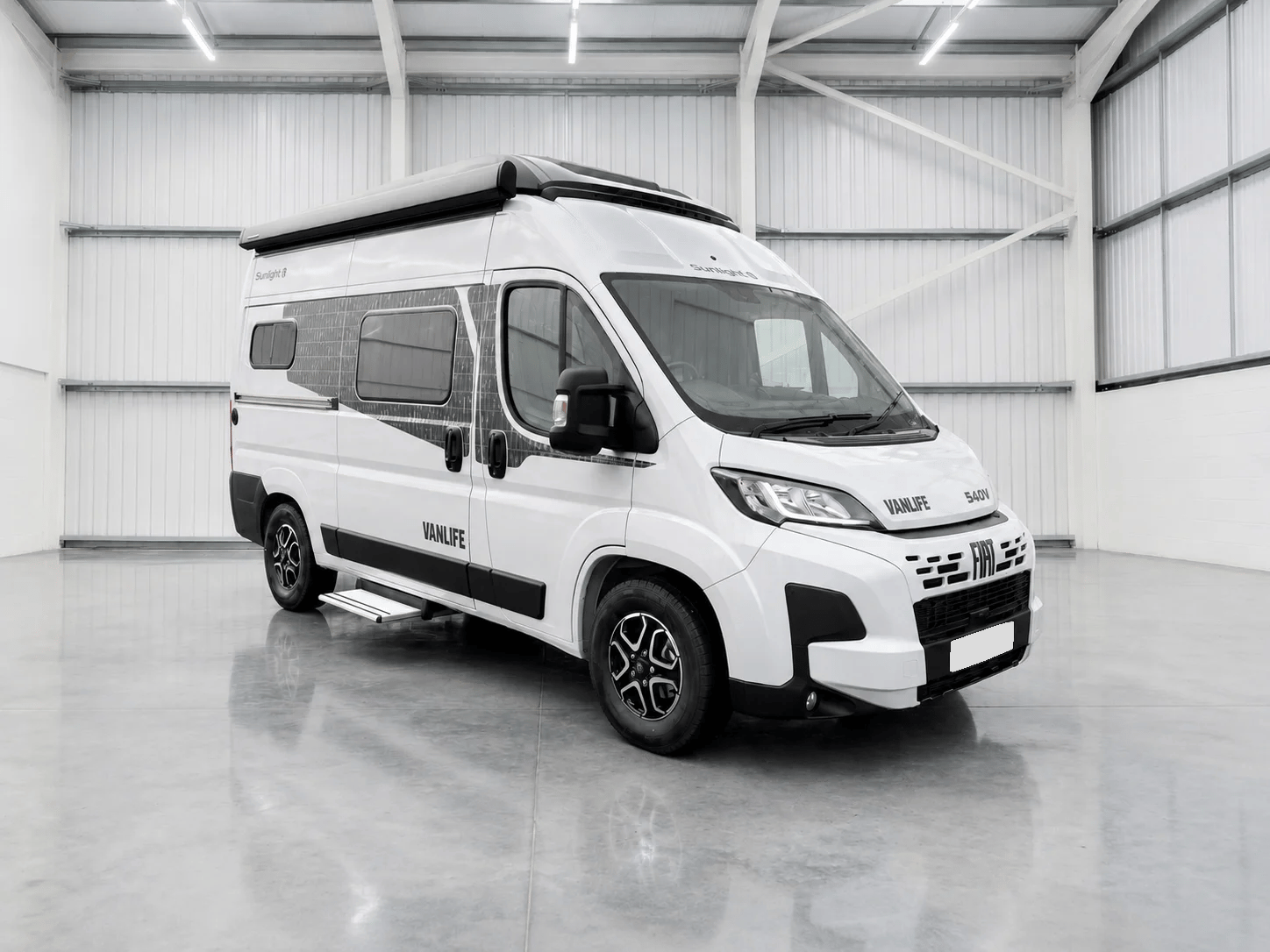
The camper you fall for is rarely the one you can afford. That gap is the whole reason Campervan.win exists. Right now we’re giving away the Sunlight Vanlife, worth around £65,000, and closing that gap is the point: capped entries so the odds stay honest, £10 a ticket, a maximum of five per person, £500 to a UK charity from every full draw, the winner picked by a public randomness beacon anyone can re-check, and one person driving away in the van itself.
Enjoyed this post?
Get more honest campervan guides like this one in your inbox.
You’re in!
Check your inbox. We’ve just sent you a welcome email.

About the author
Rowan
Rowan writes editorial features, comparisons, and industry context pieces that help readers understand the campervan and motorhome landscape.
Keep Reading
Related Reading
Thoughtful articles that build on what you’ve just read.
Campervan Buying Guides
10 min read
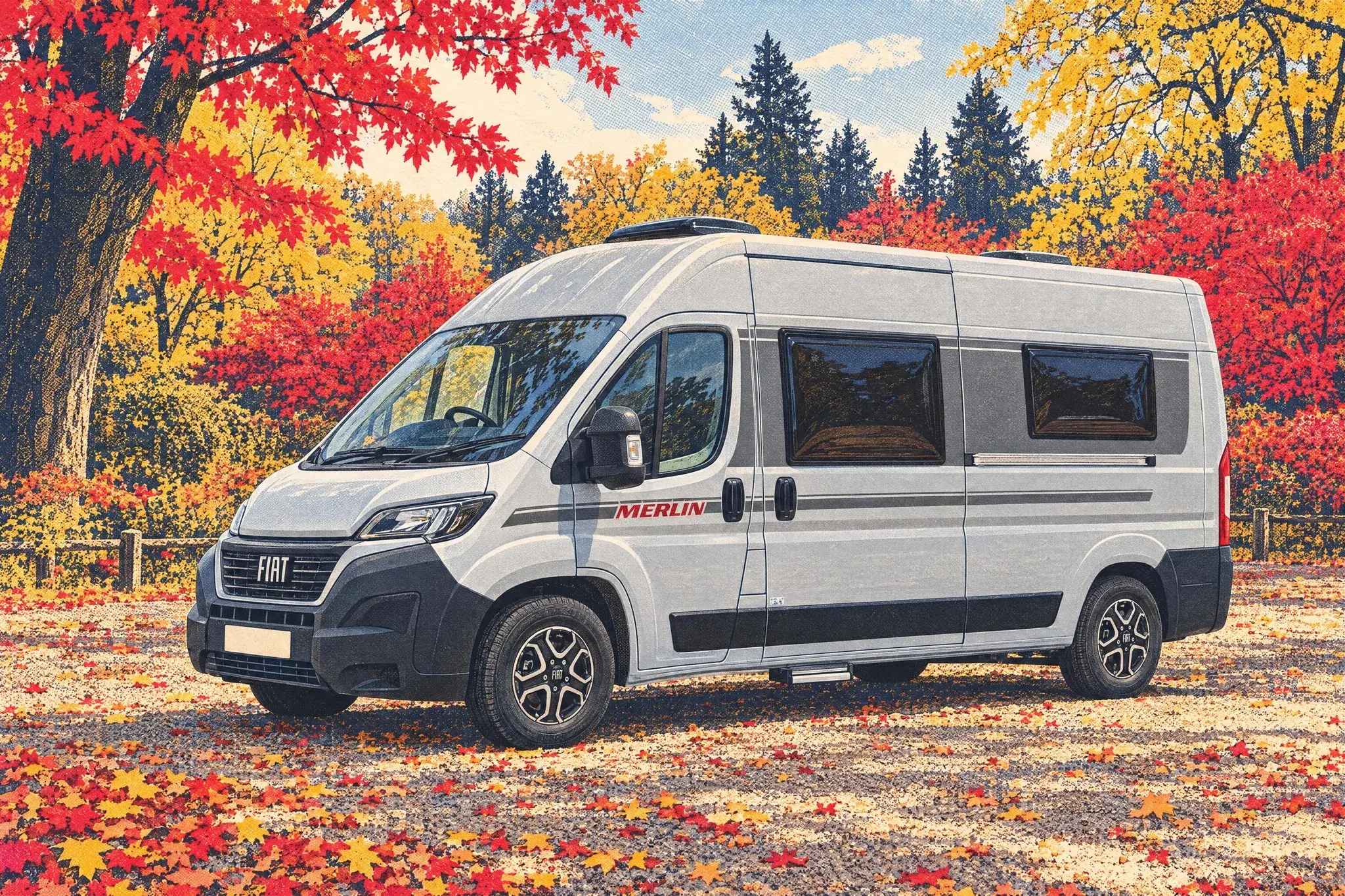
Swift Merlin 2027: nine layouts from £64,190 and how to pick the right one
Swift's all-new Merlin campervan arrives for 2027 with nine layouts on the Fiat Ducato panel van. We sort them into four families, work the payload sum on a four-seat version, and explain what the roof, the automatic and the prices mean for your choice.
Campervan Buying Guides
11 min read
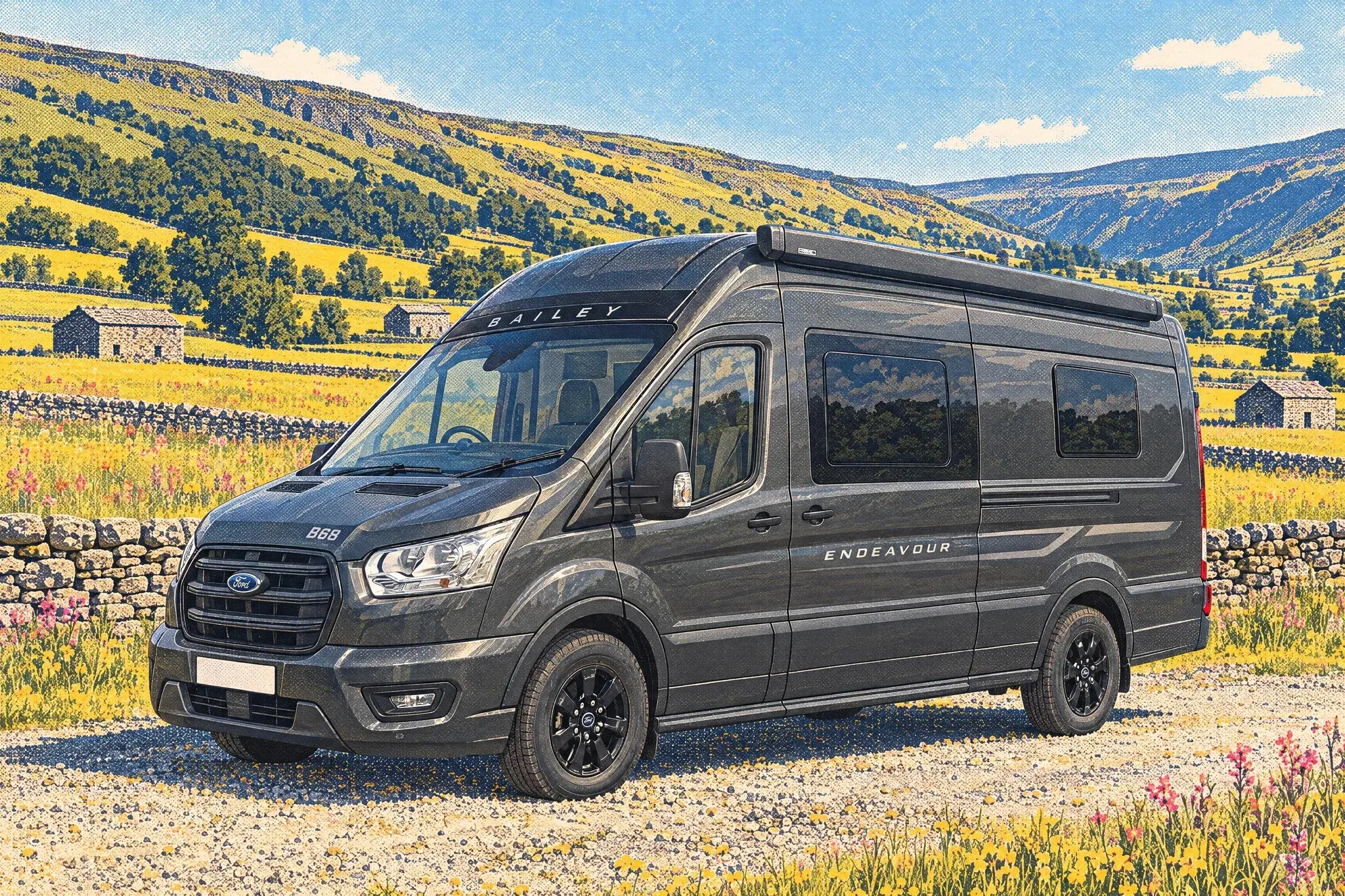
Bailey Endeavour B68: the end-lounge Transit campervan where the pop-top costs 143 kg
Bailey's new Endeavour B68 puts a rear lounge in a 5.98 m Ford Transit campervan. We compare it with the B65 and B62, check the 1.86 m bed, and do the payload sums if you add the £7,500 pop-top.
Campervan Buying Guides
12 min read
New campervans under £60,000 for 2027: what the NEC shows and what the price leaves out
A fair look at the new 2027 campervans listed under £60,000 ahead of the Motorhome and Caravan Show at the NEC, with each price given as its maker words it, and the differences between ex-works, delivered and German-retail-based figures explained so you can compare real on-the-road totals.
Campervan Buying Guides
14 min read
Eura Mobil Vancona 2027: a €57,400 campervan with just 84 to 118 kg left for options
Eura Mobil's new Vancona is a well-equipped Fiat Ducato campervan from €57,400, but its 84 to 118 kg options allowance means you need to order it with the weight sheet open. We explain what the figure means, what the 4.25 t uprate costs you in licence terms, and which options to prioritise.