
Adria Supertwin 600 SPB review: the winter camping question, and the truth about diesel Alde heating

Written by
Leo
Leo covers campervan technology, maintenance, kit, and ownership advice, with a clear, practical focus on how things work in real life.
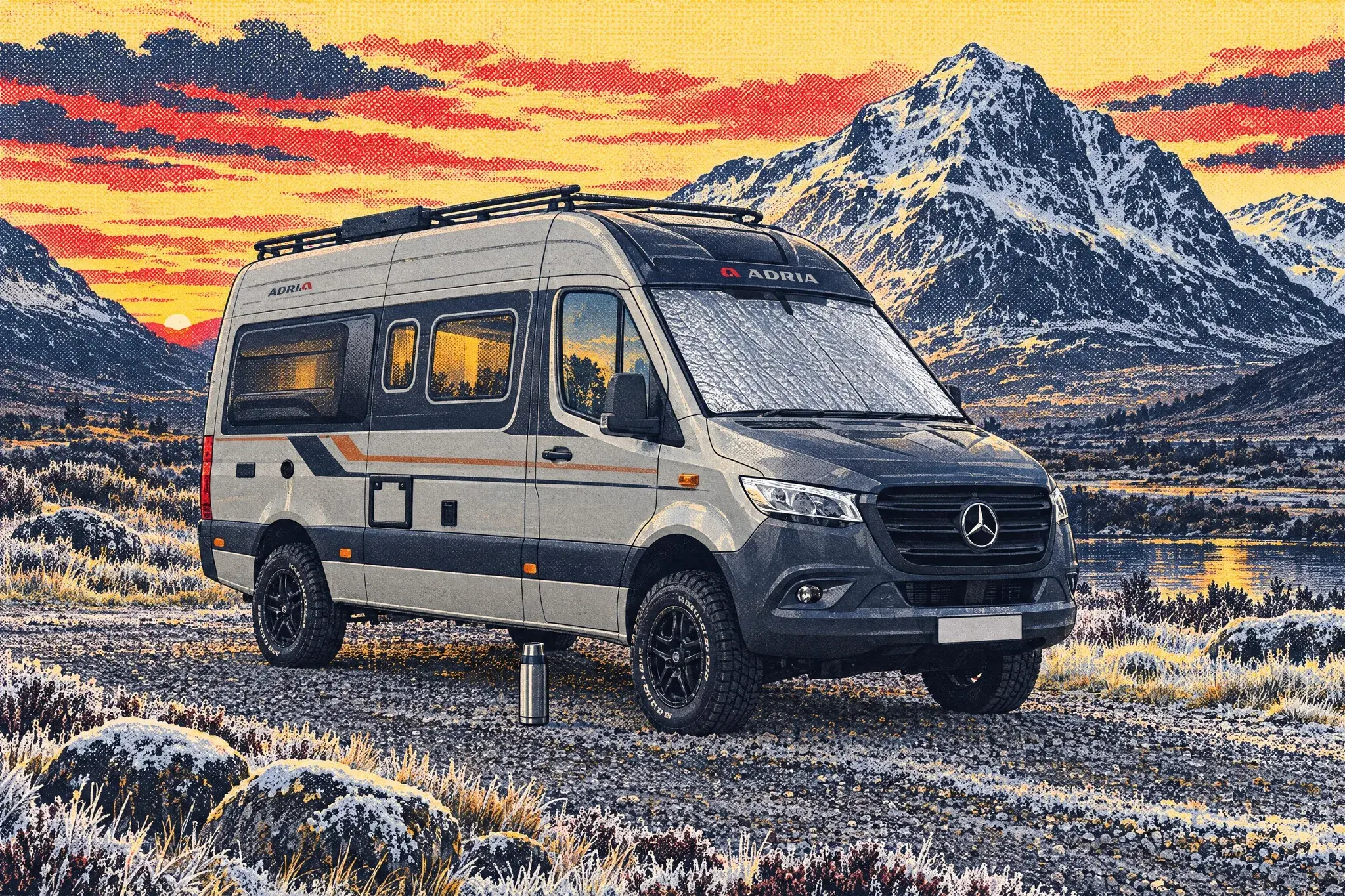
The short answer
The Adria Supertwin 600 SPB is a large panel van conversion aimed at couples who want a genuine winter-capable van. Its strongest card is Alde wet central heating, which circulates warm fluid through radiators for quiet, even heat and hot water. Diesel-fired Alde, drawing from the van's own fuel tank, is a real advantage in winter, but Adria are not the only brand who fit it.

If you only camp in summer, almost any van keeps you comfortable. The honest test of a campervan is a damp February night, when the windows want to stream with condensation and you need warmth that lasts until morning without you nursing a gas bottle. That is exactly the corner of the market the Adria Supertwin 600 SPB is built for, and it is why so many people ask about its heating before anything else.
This is a focused review of the Supertwin 600 SPB as a four-season van, with a clear, honest answer to the question the heating spec keeps raising: is diesel-powered Alde really unique to Adria? Short version, it is a genuinely good system, but no, Adria are not the only ones who fit it. Here is the full picture so you can decide whether this van earns your money.
What the Supertwin 600 SPB actually is
The Supertwin sits at the larger end of Adria's panel van range. It is a high-roof, long-wheelbase conversion built inside a light-commercial panel van body, so you get the practicality of a van you can park in most spaces, with a full motorhome's worth of kit inside. The "600" tells you roughly how long it is, close to six metres, which is the sweet spot where a couple gets a proper washroom and a fixed sleeping setup without stepping up to a coachbuilt body.
The SPB code refers to the specific floorplan. Adria use these letters to separate the different rear layouts in the range, so before you commit, look at the exact published floorplan for the SPB and walk through it in your head: where you sleep, where you sit to eat, and how you reach the washroom in the night. Layout suits are personal, and the only way to judge it is to spend twenty unhurried minutes in the actual van at a dealer.
What matters more for this review is how the van is set up to be used in cold weather, because that is where the Supertwin spends real money rather than just adding gloss.
Why the heating is the headline
Most panel vans in the UK use blown-air heating, typically a combined gas and electric unit that pushes warm air through ducts to floor-level vents. It works, it heats fast, and it is light. The downside is that blown air can feel like it dries the cabin, the fan is audible, and the warmth pools unevenly, toasty by the vent, cool by the bed.
The Supertwin takes a different route with Alde wet central heating. Instead of blowing hot air, an Alde system heats a water and glycol mix in a boiler, then circulates that warm fluid through slim convectors and pipework around the van, much like a domestic central heating system shrunk to fit. The same boiler heats your domestic hot water.
What that feels like in practice
- Even, gentle warmth. Heat radiates from the convectors around the living space rather than firing from one point, so the temperature is more consistent from the bed to the cab step.
- Quiet running. There is no constant fan roar. For light sleepers, that alone can be the difference between using a van in winter and leaving it on the drive.
- Heat that lingers. The fluid holds warmth, so the cabin coasts gently rather than swinging hot and cold as a fan cycles on and off.
- Hot water on tap. The integrated boiler gives you a sensible volume of hot water for washing up and showering.
The trade-offs are real and worth saying plainly. A wet system carries the weight of the fluid and pipework, so it is heavier than blown air. It also warms up more slowly from cold, because you are heating a body of liquid before you feel the benefit. If you want instant heat the second you step in from a wet walk, blown air wins that first ten minutes. If you want comfortable, stable warmth through a long night, the wet system is lovely.
The simplest way to think about it: blown air is a hairdryer, Alde is a radiator. Both heat the room. They just feel completely different to live with.
The diesel Alde question, answered honestly
Here is the part the spec sheet gets people excited about. An Alde boiler can be powered different ways. The familiar setup runs on LPG gas and 230V mains electric. The version that turns heads is the diesel-fired Alde, where the boiler burns diesel drawn from the vehicle's own fuel tank rather than from a gas bottle.
The appeal is obvious once you have spent a winter chasing gas. With diesel heating you carry one fuel, the same one that moves the van. You are not rationing a bottle, hunting for a refill on a bank holiday, or carrying spares. You simply keep the fuel tank topped up and the heating draws what it needs. For long, cold trips and for people who hate the faff of LPG, that is a genuine quality-of-life upgrade.
So are Adria the only ones who offer it?
No, and it is worth being straight about this because the claim gets repeated a lot. Adria fit Alde across parts of their range and have offered diesel-powered Alde configurations, and they do it well. But Alde is an independent heating manufacturer that supplies many brands, and diesel-fired Alde boilers and diesel-linked options have appeared in vans and motorhomes from more than one maker, particularly at the premium, winter-focused end.
What is fair to say is this:
- Diesel Alde is not common across the mass market, so finding it at all narrows your shortlist considerably.
- Adria are one of the more visible brands offering Alde heating in panel vans, which is why the association is strong.
- The exact heating configuration varies by model, model year and country spec, so two vans wearing the same badge can be fitted differently.
The practical takeaway: do not buy on the assumption that this feature is found nowhere else, and do not assume every Supertwin has the identical setup. Check the heating specification on the specific van in front of you, ask whether it is gas, diesel, electric or a combination, and confirm it in writing before you sign anything.
How well does it actually cope with a UK winter?
A wet heating system with a generous boiler is a strong foundation for cold-weather touring, but heating is only half the battle. The other half is the body around it. A van that holds heat needs decent insulation, sealed cab curtains or thermal screens, and a plan for condensation.
The realities to keep in mind on any winter trip in a van like this:
- The cab is the weak spot. The driving cab has a lot of glass and thin metal. Internal thermal blinds or external silver screens make a far bigger difference than people expect.
- Ventilation beats moisture. Two adults breathing overnight put a surprising amount of water into the air. Crack a roof vent and keep airflow moving, or you will fight condensation no matter how good the heater is.
- Water systems need protecting. In a hard frost you have to manage the fresh and waste tanks and pipework. Alde systems can keep the plumbing warm while running, but know where your drain-downs are if the van will sit unused in freezing weather.
- Power and fuel planning. Diesel heating sips diesel and a little battery power for the controls and pump. Off-grid for several days, your leisure battery and how you recharge it matter as much as the heater itself.
With those handled, a van set up like the Supertwin is the kind you can genuinely use in January, not just look at longingly until April.
Living with it day to day
Heating aside, the Supertwin 600 SPB is meant to be a comfortable two-person tourer you can also use as everyday transport. At around six metres it is long for a panel van but still drives like a van, not a bus, and it will fit in a standard parking bay lengthways far more easily than a coachbuilt of similar internal space.
Things to weigh up when you view one:
- Payload. Larger, well-equipped panel vans can eat into their weight allowance quickly once you add water, gear, bikes and a passenger. Ask for the actual plated weights and the real available payload of the specific van, not the brochure ideal. This is the single most overlooked number in van buying.
- Licence. A van plated at 3,500kg or under is drivable on a standard category B car licence. If a van is plated higher, or chassis-upgraded, check what your licence covers, especially if you passed your test after 1997.
- Storage. Wet heating frees up some of the floor and wall space that ducting would otherwise use, but every panel van trades living space for body width. Check there is room for what you actually carry.
- Washroom. In a six-metre van the washroom is a clever compromise. Stand in it, sit in it, and picture using it half asleep before you fall for the photos.
Who the Supertwin 600 SPB is really for
This is not the cheapest way to get two people down the road, and it is not pretending to be. It is aimed squarely at couples who want one well-built van they can use across the whole year, who value quiet, even warmth over instant blast heat, and who would rather keep the van's fuel tank topped up than juggle gas bottles in the dark.
It is probably not the right van if you only ever camp May to September, if you need to sleep more than two regularly, or if your priority is the absolute lowest purchase price. In those cases you are paying for winter capability you will not use.
What to check before you buy
- Confirm the exact heating spec. Gas, diesel, electric, or a combination. Get it in writing for that specific van.
- Get the real payload figure. Plated MTPLM minus actual kerb weight as built, including any factory options fitted.
- Walk the SPB layout in person. Bed access, seating, washroom and the route between them at night.
- Ask about winter readiness. Thermal screens, insulation, frost protection for the water system and how the heating behaves when running off-grid.
- Check service history and the heating boiler. Alde systems need periodic fluid checks and servicing, so confirm it has been looked after.
- Drive it. Six metres of panel van still needs to suit your roads, your driveway and your confidence.
The bottom line
The Adria Supertwin 600 SPB is a serious, well-judged four-season panel van, and its Alde wet heating is the right tool for comfortable winter touring: quiet, even and easy to live with through a long cold night. The diesel-fired option is a real convenience that removes the gas-bottle dance, and it is rare enough that it should sit high on your list of reasons to consider this van.
What it is not is a one-off feature available nowhere else on earth. Diesel Alde turns up in more than one premium, winter-focused range, so buy the Supertwin because it is the right van for how you travel, not because you have been told the heating is unique. Check the spec on the actual vehicle, confirm the weights, and judge the layout with your own backside on the seat. Do that, and you will know within an afternoon whether this is the van that finally gets you out in the months everyone else parks up.
Common questions
What is Alde heating and how is it different from blown air?
Alde is a wet central heating system. A boiler warms a water and glycol mix that circulates through radiators and pipework, giving quiet, even heat and hot water. Blown air instead pushes heated air through vents, which warms the van faster but is noisier and less even.
Are Adria the only brand offering diesel-powered Alde heating?
No. Alde is an independent heating maker that supplies many manufacturers, and diesel-fired Alde has appeared in vans and motorhomes from more than one brand. Adria are simply one of the more visible names fitting Alde in panel vans. Always confirm the heating spec on the specific vehicle.
Why would I want diesel heating instead of gas?
Diesel heating draws from the van's own fuel tank, so you carry one fuel and never have to chase LPG bottle refills. For long winter trips that is a real convenience, and it removes the worry of running out of gas in cold weather away from a refill point.
Can the Supertwin 600 SPB be driven on a normal car licence?
If the van is plated at 3,500kg or under, yes, a standard category B car licence covers it. If a particular van has been chassis-upgraded above that, check what your licence permits, especially if you passed your test after 1997.
Is the Supertwin 600 SPB genuinely usable in a UK winter?
With its wet heating it has a strong foundation for cold-weather camping. To get the best of it you still need thermal cab screens, good ventilation to manage condensation, and frost protection for the water system. Handle those and it is a genuine year-round van.
The reachable bit
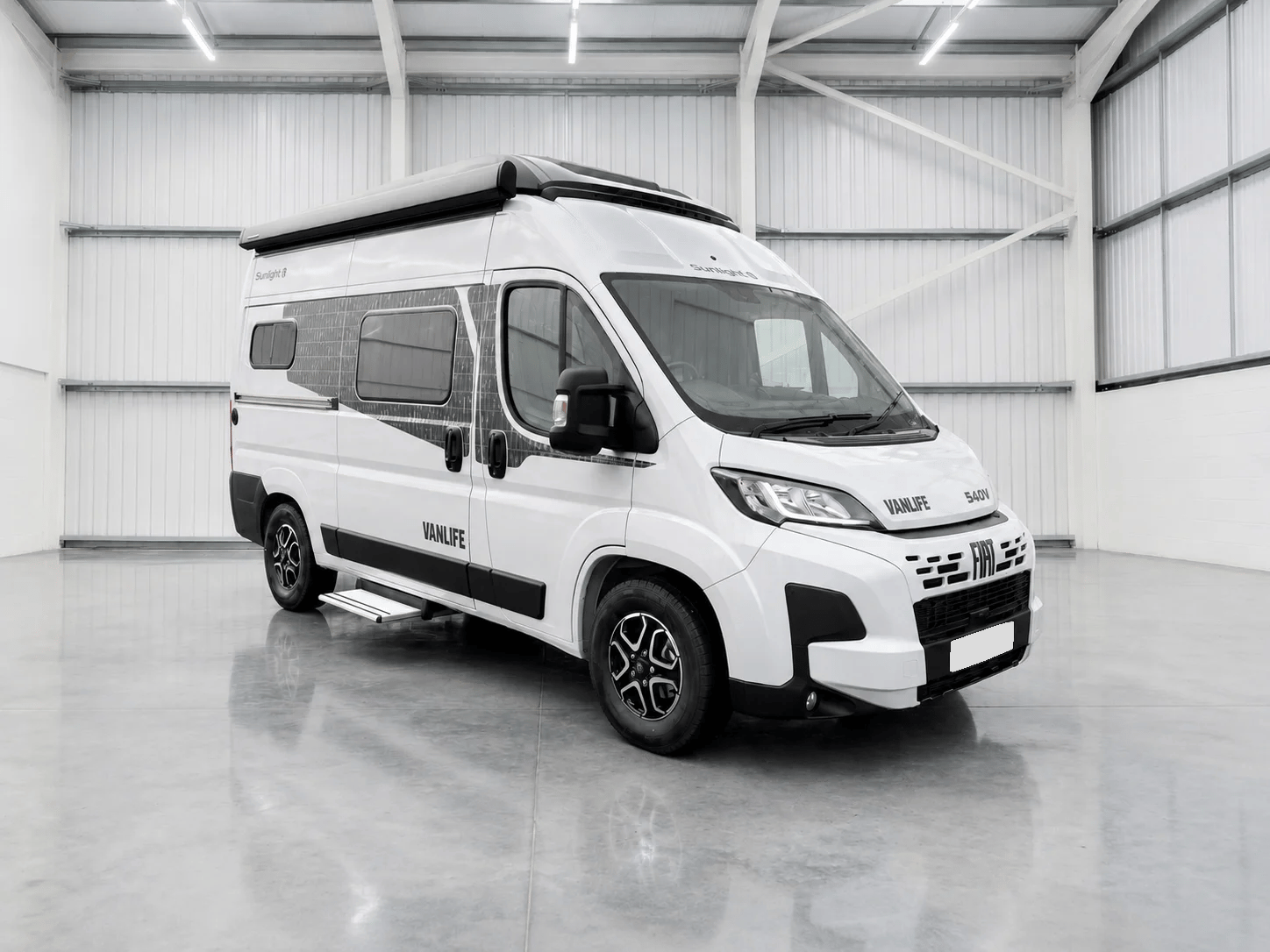
The camper you fall for is rarely the one you can afford. That gap is the whole reason Campervan.win exists. Right now we’re giving away the Sunlight Vanlife, worth around £65,000, and closing that gap is the point: capped entries so the odds stay honest, £10 a ticket, a maximum of five per person, £500 to a UK charity from every full draw, the winner picked by a public randomness beacon anyone can re-check, and one person driving away in the van itself.
Enjoyed this post?
Get more honest campervan guides like this one in your inbox.
You’re in!
Check your inbox. We’ve just sent you a welcome email.

About the author
Leo
Leo covers campervan technology, maintenance, kit, and ownership advice, with a clear, practical focus on how things work in real life.
Keep Reading
Related Reading
Thoughtful articles that build on what you’ve just read.
Campervan Reviews
12 min read
Rolling Homes Darwin review: the long Crafter camper with a proper washroom
The Darwin is Rolling Homes' step up from the Transporter: a long-wheelbase VW Crafter two-berth with an enclosed washroom. We set out what is published, what the price does, and who it suits.
Campervan Reviews
13 min read
Jerba Cromarty review: the long-wheelbase five-seater with two double beds
The Jerba Cromarty is a 5.45 m Scottish-built camper on a VW T7 or Ford Transit Custom that seats five in belts and sleeps two as standard, or four with the optional roof bed. We look at how it lives, what the from-price buys, the published weights and who it suits.
Campervan Reviews
12 min read
Bilbo's Nexa+ T7 review: a rear kitchen, a cassette toilet and the new Low-Lie roof
The Nexa+ is the Bilbo's for people who want a fitted toilet in a Volkswagen Transporter. We go through the rear-kitchen layout, the beds, the power and heating as published, the T7 base, the £77,930 in-stock price and who it suits.
Campervan Reviews
13 min read
Hillside MVX review: the Multivan camper from £70,995, or £78,995 as an eHybrid 4MOTION
Hillside's MVX puts a four-berth pop-top conversion on the Volkswagen Multivan, with a plug-in hybrid and all-wheel drive at the top of the range. Here is what it offers, what it leaves to the Transporter-based Cromford, and where the 2026 Club judges placed it.