
The new Hymer Grand Canyon S 600 Xperience: an honest, in-depth look

Written by
Jasper
Jasper writes campervan reviews, travel guides, and practical advice, with a focus on everyday use and relaxed touring around the UK.
The short answer
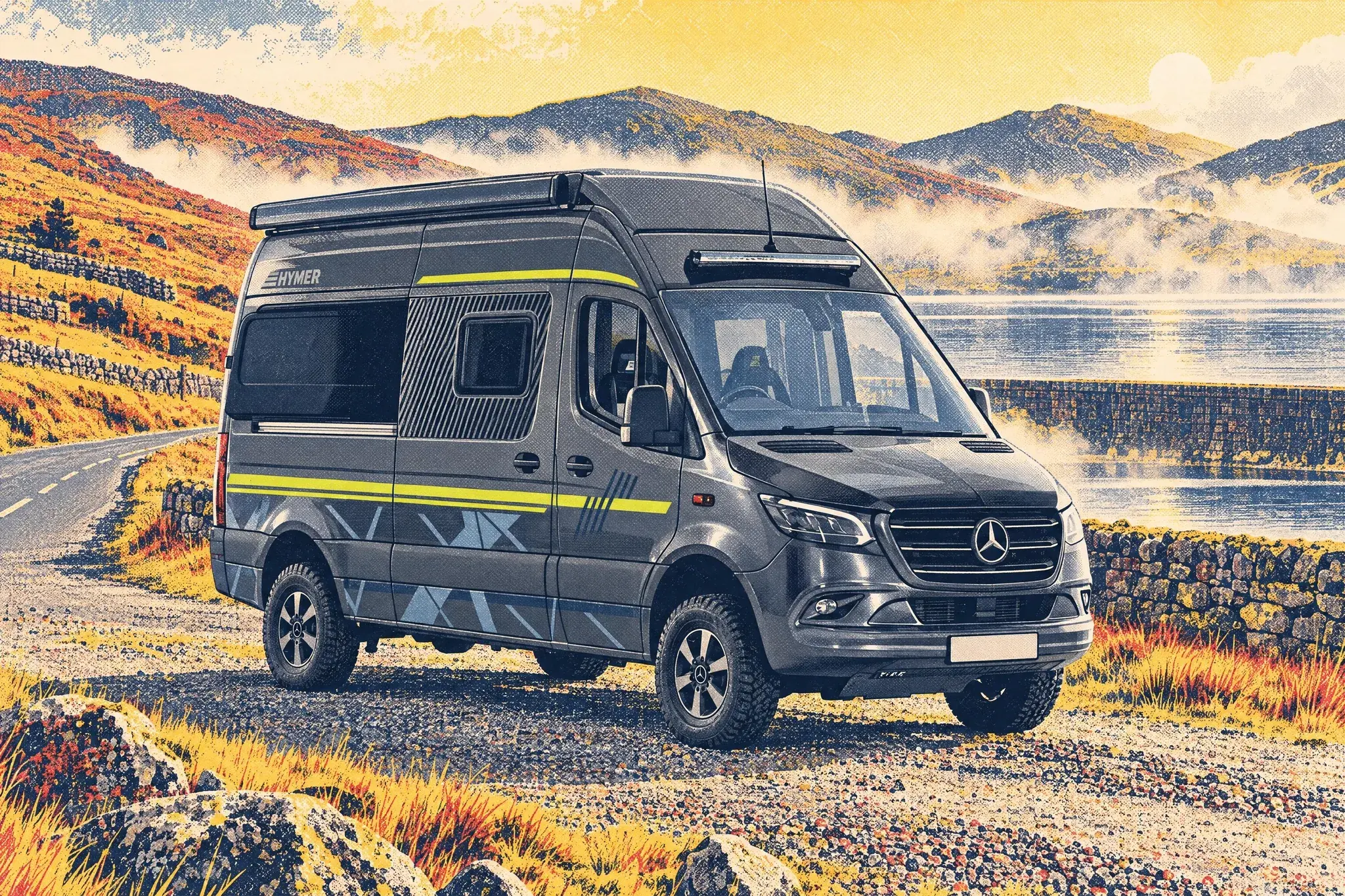
The Hymer Grand Canyon S 600 Xperience is a premium six-metre campervan on the Mercedes Sprinter, built for couples who want a fixed rear bed, a proper washroom and genuine all-season ability in a van they can still thread down a narrow lane. The Xperience trim adds styling, comfort and tech, and the Sprinter drivetrain with its nine-speed automatic is much of why it is such a pleasure to drive. It is not cheap, and a big family needing lots of berths should look elsewhere, but for two it is one of the most satisfying vans on the road. The smart-buyer details are simple: check the rear bed against your height, do the payload sums on a 3,500kg build, and know your licence category. Here is the full, honest look.

If you have spent any time looking at premium campervans, you will have bumped into the Hymer Grand Canyon S. It is one of those vans that turns heads in a campsite car park, and the new Xperience version sharpens the look even further. But a campervan is not a poster on a wall. It is a vehicle you have to drive, park, sleep in, heat, fuel, insure and live alongside for years. This guide takes the Grand Canyon S 600 Xperience apart calmly and honestly, so you can decide whether it earns its place on your driveway.
We will cover what the van actually is, the Mercedes base it sits on, the layout and living space, the kit you get with the Xperience trim, how it really drives, what it weighs and why that matters for your licence, and the running costs you should budget for in the UK. No hype, no sales pitch. Just the small print, explained.
What the Grand Canyon S 600 Xperience actually is
Start with the name, because it tells you a lot once you decode it. "Grand Canyon S" is Hymer's compact, premium camper built on a van base. The "S" matters: it signals that the van sits on a Mercedes-Benz Sprinter, rather than a Fiat or another chassis. "600" refers to the length, roughly six metres. And "Xperience" is a special-edition trim that bundles together a set of styling and equipment upgrades into one package, usually at a price that works out cheaper than ticking every box individually.
So in plain terms, this is a Mercedes Sprinter that has been turned into a fully self-contained campervan, around six metres long, with a fixed bed at the back, a kitchen, a washroom with a proper shower and toilet, and a living and driving area up front. It is a panel-van conversion, which means it keeps the footprint and width of a large van rather than growing into a coachbuilt motorhome with overhangs and a luton bed over the cab.
That is the key character of the whole thing. It is designed to feel like a van you can use every day, slot into a normal parking space at a push, and take down a narrow Cornish lane without sweating, while still giving you the comfort of a fixed bed and a real bathroom inside.
Where it sits in the range
Hymer makes the Grand Canyon S in a couple of layouts and lengths, and the brand also offers vans on other base vehicles further down the range. The 600 Xperience is squarely a premium product. It is not the cheapest way into van life, and it does not pretend to be. It is aimed at buyers who want the Mercedes drivetrain, a high-quality interior, and a long list of standard equipment, and who are willing to pay for it.
The Mercedes Sprinter base, and why people care about it
A huge part of the appeal here is the badge on the front. The Grand Canyon S is built on the Mercedes-Benz Sprinter, and that base vehicle shapes how the van drives, how it is serviced, and how it feels behind the wheel.
Engine and gearbox
The Sprinter uses Mercedes' 2.0-litre four-cylinder turbodiesel, the OM654 family. Depending on the build, you will see power outputs in the region of 150, 170 or 190 PS. For a van of this size and weight, the mid or higher output is the sweet spot, because a fully loaded camper with water, gas, gear and passengers is a heavy thing to haul up a motorway incline.
The headline feature for most buyers is the optional 9G-Tronic nine-speed automatic gearbox. This is one of the genuinely lovely things about the van. It shifts smoothly, keeps the engine in its comfort zone, and takes the strain out of long motorway runs and stop-start traffic. If you have only ever driven a manual van, the difference on a long touring day is significant. Your left leg gets a holiday and your shoulders relax.
Front-wheel drive, rear-wheel drive and 4x4
The modern Sprinter is offered in different drive configurations, and Hymer has used the rear-wheel-drive and four-wheel-drive versions to good effect over the years. Rear-wheel drive helps with traction when the van is loaded heavily over the back axle, which a camper always is, thanks to the bed, water tank and storage at the rear.
There is also a four-wheel-drive option on some builds. For most UK buyers this is genuinely optional. If you plan to spend winters chasing snow in the Alps or you regularly park up on wet grass and muddy farm pitches, it can earn its keep. If you mostly tour tarmac and the occasional gravel site, it adds weight, cost and a small fuel penalty for a capability you may rarely use. Be honest with yourself about how you will actually travel.
Driver assistance and safety kit
One of the strongest arguments for the Sprinter base is the level of standard safety and assistance technology. Depending on specification you can expect features such as active brake assist, lane keeping assist, crosswind assist, attention assist, and adaptive cruise control. Crosswind assist in particular is worth its weight on an exposed motorway bridge, where a tall van can get shoved around by a gust. These systems do not make the van drive itself, but they take the edge off fatigue on a long day and add a real margin of safety.
The base vehicle is the part you cannot change after you buy. Furniture can be lived with, but you will feel the engine, gearbox and driving aids every single mile. This is where the Sprinter earns its premium.
The exterior and the Xperience styling
The Xperience trim is mostly about how the van looks and the equipment it carries, so let us deal with the styling first, then the substance.
Visually, the Xperience versions tend to arrive with a darker, more purposeful look. Think a metallic or darker body colour, contrasting detailing, distinctive alloy wheels, and badging that marks it out from the standard van. Hymer has leaned into a sportier, more modern aesthetic with these editions, and it works. The Sprinter front end already looks smart, and the Xperience treatment makes the whole van feel cohesive rather than like a white van with a camper bolted on.
The body construction
Underneath the styling, the important thing is that this is a steel panel van with an insulated, fitted-out interior. That has real consequences for ownership. A panel van shrugs off knocks better than a coachbuilt body, it does not have the seams and joins that coachbuilt motorhomes need to keep watertight, and it generally holds together well over years of use. The trade-off is that you have a fixed metal shell, so you cannot grow the living space outward the way a coachbuilt body can. What you see is what you get for interior width.
Awning and outdoor living
Most of these vans come prepared for, or fitted with, a wind-out awning along the side. It transforms the van on a sunny pitch, giving you shaded outdoor space and somewhere to keep the worst of a shower off while you cook or relax. It is one of the most-used accessories on any camper of this type, so it is worth confirming whether it is included in the trim or an extra on the build you are looking at.
Inside: the layout and how it lives
The 600 in the name points to the layout, and this is where you need to picture how you will actually use the space day to day.
The rear bed
The Grand Canyon S 600 typically uses the rear of the van for sleeping. Depending on the exact build, that is either a large transverse double bed across the back or a pair of single beds with the option to fill the gap between them. The fixed rear bed is the heart of the appeal. You can leave it made up, climb in at the end of a long driving day without converting any furniture, and wake up without having to rebuild the lounge into a bed every morning.
Underneath the rear bed is the garage, a large storage area accessible from outside through the rear doors and often from inside too. This is where bikes, camping chairs, a barbecue, levelling ramps and the inevitable bag of "we might need it" go. On a van of this length, garage space is precious, and the rear-bed layout is generous with it.
The honest caveat: a transverse rear bed in a van of this width can be a little short for taller sleepers. If you or your partner are over six foot, lie on the actual van at a show before you buy. Measure it. Some layouts allow the bed to extend, but you want to know that before you commit, not after.
The kitchen
The kitchen sits along one side, usually with a gas hob, a sink, a compressor fridge and a surprising amount of storage given the footprint. Compressor fridges are a real plus because they run efficiently off the leisure battery and keep food properly cold even in summer heat, rather than relying on absorption fridges that struggle when it is warm.
Worktop space in any six-metre van is limited, that is simply physics. The Grand Canyon S manages it sensibly with covers over the sink and hob that double as extra surface when you are not cooking. You learn to cook in a tidy, one-thing-at-a-time rhythm, and it works fine for real meals, not just beans on toast.
The washroom
This is a strong point. The Grand Canyon S includes a proper washroom with a separate shower, a toilet and a basin, packed cleverly into the available space. For touring without relying on campsite facilities, an onboard shower changes everything. You can park up away from crowds, wild-camp where it is permitted, and still wash properly.
The washroom in a van this size is compact, naturally. You will not be doing yoga in there. But it is functional, the shower works, and the design keeps water where it belongs. The toilet is the usual cassette type, emptied at a service point, which is standard across campers and nothing to fear once you have done it once.
The living and seating area
Up front, the swivelling cab seats join the lounge to create a sociable seating area around a table. This is where the Sprinter cab pays off again, because the seats themselves are comfortable and supportive, and turning them around gives you proper places to sit and eat or relax in the evening.
Seatbelted travel seats are an important detail. The number of people the van can legally carry while moving is set by the number of belted seats, and that is usually fewer than the number it can sleep. If you intend to travel as a family, check the belted seat count carefully and make sure it matches your needs, because it is not something you can easily add later.
The Xperience equipment, in detail
The whole point of a special edition is that it bundles desirable kit. While exact contents vary by model year, the Xperience package generally leans into comfort, ambience and technology. Here is the kind of thing you should expect to find, and why each item matters in real use.
- Upgraded upholstery and trim: better materials and a more cohesive interior look. This is the bit you touch every day, so it genuinely improves the experience.
- Ambient and LED lighting: indirect lighting that makes the van feel calm and warm in the evening, plus practical task lighting in the kitchen and washroom. It sounds like a gimmick until you spend a dark autumn evening inside and appreciate it.
- Distinctive paint and alloy wheels: the styling that sets the Xperience apart. Cosmetic, but it is also part of what protects resale appeal.
- Heating and comfort upgrades: a capable heating system is essential for UK and shoulder-season touring. We will come back to heating in detail.
- Infotainment and connectivity: the Mercedes MBUX system on the Sprinter is genuinely good, with clear navigation, voice control and smartphone integration. For a touring vehicle that doubles as your daily transport, this matters.
The thing to remember is that special editions are designed to make buying simpler and the standard car look generous. That is a fair deal for most buyers, because the bundled items are the ones people tend to want anyway. Just go through the actual spec sheet for the year you are buying, line by line, and confirm what is included rather than assuming.
Heating, power and living off-grid
How well a campervan copes away from a campsite hook-up determines how freely you can travel. This is where the technical kit either sets you free or holds you back.
Heating
Expect a diesel or gas-powered heating system with blown-air ducting and hot water. Diesel heaters are popular because they draw from the same tank as the engine, so you are not constantly juggling gas bottles, and they are efficient. The system warms the living space and provides hot water for the shower and sink. For year-round UK use, a strong heating setup is not a luxury, it is the difference between a van you use in October and one that hibernates from September to May.
If you intend to use the van in genuinely cold conditions, ask specifically about water tank and pipe protection. Frozen water systems are the classic winter headache. Insulated or heated tanks and well-routed pipework make winter touring practical rather than miserable.
Leisure batteries and electrics
The van runs its lights, fridge, water pump, heating controls and USB sockets from a leisure battery system, charged by the engine alternator while driving, by mains hook-up on a site, and often by solar on the roof. The size and type of battery matters enormously for how long you can stay put without plugging in.
Lithium leisure batteries, where fitted or offered, are worth understanding. They hold more usable energy for their weight, charge faster, and tolerate being run down further than traditional lead-acid batteries. They cost more, but for off-grid touring they are transformative. If the build you are looking at offers a lithium upgrade and you plan to wild-camp or use the van away from hook-up, it is one of the better places to spend money.
Solar
A roof-mounted solar panel keeps the leisure battery topped up while you are parked, which extends how long you can stay off-grid, especially in summer. Solar is not magic in a British winter, when daylight is short and often grey, but across spring, summer and autumn it does real work and reduces how often you need a hook-up.
Fresh and waste water
Check the fresh water tank capacity and the waste tank capacity. These numbers set how long you can be self-sufficient before you need to refill and empty. A larger fresh tank means fewer stops, but it also means more weight when full, and weight is the recurring theme of this whole guide.
Weight, payload and your driving licence
This is the single most important section for many buyers, and it is the one people most often skim. Please do not skim it. Weight rules in the UK can turn a dream van into a legal and practical headache if you get them wrong.
The 3,500kg line
Most versions of the Grand Canyon S are built to a maximum authorised mass, often called the gross vehicle weight, of 3,500kg. That figure is not random. In the UK, a standard car licence, the category B licence held by most drivers who passed their test recently, allows you to drive a vehicle up to 3,500kg. Stay at or under that line and almost any adult driver can legally get behind the wheel.
The C1 question for older and heavier vans
Some builds, particularly if you uprate the chassis or add a lot of equipment, can be plated above 3,500kg, up to around 4,250kg or more. To drive a vehicle over 3,500kg you generally need category C1 on your licence. Here is the wrinkle that trips people up: if you passed your car test in the UK before 1 January 1997, you very likely already have C1 grandfathered onto your licence. If you passed after that date, you do not have it automatically, and you would need to take an additional medical and test to gain it.
So before you fall in love with a heavier-plated version, check your own licence. Look at the categories on the back of your photocard. If you only have category B, you are limited to 3,500kg, and that shapes which version of the van you can drive.
Why payload matters more than the showroom suggests
Payload is the difference between the van's empty kerb weight and its maximum permitted weight. It is the budget you have for everything you add: passengers, water, gas, food, clothes, bikes, awning, the kitchen kit, the bedding, and all the bits and pieces that accumulate.
A heavily equipped premium van uses up a lot of its weight allowance before you put a single sock in it. On a 3,500kg van, the payload can be tighter than buyers expect, especially once you add options. It is genuinely possible to load a van over its legal limit without realising, simply by filling the water tank, loading two adults, two bikes and a week's worth of gear.
An overloaded van is a real problem. It affects braking, handling and tyre safety, it can invalidate your insurance, and it can land you with a fine and points if you are weighed at a roadside check. Do the sums honestly before you buy. Ask for the actual kerb weight of the specific build with its options, work out the payload, and tally up what you will realistically carry. If the numbers are tight, that is a reason to choose a lighter specification or to be disciplined about what you pack.
The most common mistake with premium vans is not mechanical. It is loading. Know your payload, weigh the van fully loaded at a public weighbridge once, and you will never have to guess again.
How it drives
This is where the Grand Canyon S genuinely shines, and where the money goes that you cannot see in the brochure photos.
The Sprinter base, the automatic gearbox and the modern driver aids combine to make the van feel far smaller and more manageable than its size suggests on paper. The 9G-Tronic automatic is the star. It makes town driving relaxed, motorway cruising effortless, and steep hills undramatic. You point the van, you steer, and the gearbox sorts out the rest.
Visibility from the high cab is good, the mirrors are large and useful, and the optional reversing camera and parking sensors take the fear out of backing into a tight pitch. At motorway speed the van is stable and quiet for its class, and the crosswind assist quietly intervenes when a gust tries to push you across the lane.
It is still a six-metre, two-metre-wide, nearly-three-metre-tall vehicle. You feel its height in strong side winds, you plan ahead for height-restricted car parks and barriers, and you take roundabouts and tight village lanes with respect. But the learning curve is gentle. Most drivers settle into it within a day or two and stop thinking about the size at all.
Parking and everyday usability
One of the real-world strengths of the panel-van format is that you can, at a push, use it as everyday transport. It fits in many standard parking spaces lengthwise, though you will hang into the aisle a little, and it slots down lanes that would make a coachbuilt motorhome flinch. Height is the main thing to watch: many multi-storey car parks and some supermarket car parks have height barriers around two metres, and this van is taller than that. Plan your stops with height in mind and you will be fine.
What it costs to buy and own in the UK
Let us talk money plainly, because this is a premium van and the numbers are significant.
Purchase price
A new Grand Canyon S 600 Xperience sits firmly in the premium bracket, typically well into the high tens of thousands of pounds, and a generously optioned example can approach or pass six figures depending on the build, the drivetrain and the year. The Mercedes base, the equipment level and the brand all factor into that. You are paying for the drivetrain, the build quality and the badge, and the price reflects it.
Used examples cost less, of course, and premium campers on a Mercedes base tend to hold their value comparatively well, which softens the depreciation sting over time. If a new one is out of reach, a well-kept used example a few years old can be a sensible route in, provided you check its history and condition carefully.
Fuel and real-world economy
Diesel economy for a van of this size and weight realistically lands somewhere in the region of the high twenties to high thirties of miles per gallon, depending on how it is loaded, how it is driven and the terrain. Loaded for a tour and driven gently on a motorway run, you can do reasonably well. Driven hard up and down hills fully laden, expect the figure to drop. Budget on real-world numbers, not optimistic ones, and you will not be caught out at the pump.
Insurance
Campervan insurance is generally cheaper than you might fear, because campers tend to be cared for, driven fewer miles than a daily car, and parked sensibly. Specialist motorhome and campervan insurers understand the type of vehicle and price it sensibly. Premiums vary with your age, location, no-claims history, the van's value and your annual mileage. For a premium van, expect a higher premium than a small camper purely because the replacement value is higher, but it is rarely the eye-watering figure people assume. Get quotes from specialist insurers rather than mainstream van insurers, because the specialists understand the leisure use and value the contents and conversion properly.
Servicing and maintenance
Servicing the Sprinter base is straightforward through the Mercedes commercial vehicle network, which is large and well established across the UK. Diesel servicing intervals are generous, and the running gear is proven and durable. The habitation side, the living area, also benefits from a periodic habitation service to check the gas, electrics, water system, damp and safety equipment. An annual habitation check is a sensible discipline that protects both your safety and the van's value.
Road tax and tolls
Vehicle excise duty on campervans depends on how the vehicle is classified and when it was registered, and the rules have shifted over recent years, so check the current position for the specific van. Factor in the usual touring costs too: campsite fees, ferry surcharges for the van's length and height, and toll charges abroad that often place vans of this height into a higher band.
Clean air and low emission zones
This matters more every year. UK cities have introduced clean air zones and low emission zones, and the rules vary by city. A modern Euro 6 diesel like the Sprinter base generally meets the current standards in most zones, which means you can usually drive into the relevant areas without a daily charge. Always check the specific zone and the specific van's emissions standard before you drive into a city, because the rules and boundaries change, and a wrong assumption gets expensive quickly.
Who the Grand Canyon S 600 Xperience is really for
No van is right for everyone. Here is an honest read on who this one suits and who might be better served elsewhere.
It suits you if
- You want a premium driving experience and value the Mercedes base, the automatic gearbox and the safety kit.
- You travel as a couple, or a couple plus occasional guests, and want a fixed bed and a proper washroom without going up to a large coachbuilt motorhome.
- You plan to use the van across the seasons, not just in high summer, and you want capable heating and good off-grid ability.
- You value being able to use the van as everyday transport and to get down narrow lanes and into tighter spaces than a big motorhome allows.
- You have the budget for a premium product and want something that holds its value reasonably well.
It is less ideal if
- You need to carry a large family with lots of belted travel seats and lots of sleeping berths. A bigger coachbuilt layout may serve you better.
- Your budget is tight. There are more affordable ways into van life, and stretching financially to the limit of a premium van rarely ends happily.
- You are over six foot and the rear bed feels short to you. Always lie on the actual bed before buying.
- You only ever tour in peak summer on full-facility sites and never go off-grid. You would be paying for capability you will not use.
What to check before you buy
Whether you are buying new or used, run through this list. It will save you from the most common and most expensive regrets.
- Check your licence. Confirm whether you have only category B (3,500kg limit) or also C1. This dictates which version you can legally drive.
- Do the payload sums. Get the actual kerb weight of the specific build with its options, work out the payload, and tally what you will carry. If it is tight, rethink the spec.
- Lie on the bed. Measure it against your height. A bed that is two inches too short ruins every night.
- Sit in the lounge and pretend to live there. Can two people pass each other? Is the seating comfortable for an evening, not just a showroom minute?
- Confirm the belted travel seats. Count them and check they match how many people you will carry on the move.
- Go through the spec sheet line by line. Confirm exactly what the Xperience trim includes for that model year, and what is an extra-cost option.
- Ask about the heating and water protection. Especially if you plan winter or shoulder-season touring.
- Understand the electrics. Battery type and capacity, solar, charging, and whether a lithium upgrade is available and worth it for your travel style.
- Check clean air zone compliance. Confirm the emissions standard meets the zones you intend to visit.
- On a used van, check the history. Service records, habitation service history, evidence of any damp, and the condition of the conversion as well as the base vehicle.
Living with it day to day
Beyond the spec sheet, what is the van actually like to live with over a week, a fortnight, a season? This is where the design choices reveal themselves.
The fixed rear bed is the single biggest quality-of-life feature. Not having to build and rebuild your bed every day sounds minor until you have done it for a week in the rain. With the Grand Canyon S you arrive, level up, and the bed is already there. That alone changes the rhythm of touring from a chore to a pleasure.
The compressor fridge and capable heating mean food stays fresh and the van stays warm, which extends your usable season well beyond summer. The washroom means you can park where you like rather than chasing facilities. And the garage at the back swallows the bulky outdoor gear that otherwise clutters the living space.
The compromises are the ones inherent to a six-metre van. Storage is generous for the size but finite, so you learn to pack light and tidy as you go. Cooking is a one-pan-at-a-time affair. Two people moving around the interior at once requires a little choreography. None of this is a flaw, it is simply the nature of a vehicle that has to be both a home and something you can drive down a lane and park in town. The Grand Canyon S manages those competing demands as well as anything in its class.
The everyday-vehicle question
Many buyers tell themselves the van will double as the family car. Be realistic. It can do supermarket runs and day trips, and the Sprinter is pleasant to drive, but it is tall, it does not fit under height barriers, and a premium camper full of fitted furniture is not something you want to ding in a tight car park. Most owners settle into using it as a leisure vehicle that occasionally runs errands, rather than a true everyday car. If you genuinely need one vehicle to do everything, think hard about whether that is realistic.
Reliability and the long view
Buying a premium van is a long-term decision, so it is worth thinking past the first season. The Sprinter base has a strong reputation for durability and a vast service network, which matters when you are touring far from home and something needs attention. The diesel drivetrain is well proven, and the automatic gearbox is a known, reliable unit.
On the habitation side, the things that age a camper are damp, worn seals, tired upholstery and neglected gas and electrical systems. A van that has had its annual habitation checks, been stored sensibly, and not been left to sit damp will last well and look after your money. The build quality of a premium camper is generally high, and the materials are chosen to wear gracefully, which helps both your enjoyment and the resale value down the line.
Premium campers on a Mercedes base tend to be sought after on the used market, which softens depreciation. That is not a reason to buy, but it is a genuine comfort. If your circumstances change and you need to sell, a well-kept example of a desirable van finds a buyer more easily than something obscure.
The honest bottom line
The Hymer Grand Canyon S 600 Xperience is a genuinely accomplished campervan. It pairs one of the best driving experiences in the class, courtesy of the Mercedes Sprinter base and its automatic gearbox, with a well-designed, well-equipped interior that does the important things properly: a fixed bed you can fall into, a real washroom, a capable kitchen, strong heating and sensible off-grid ability. The Xperience trim adds styling and comfort that make it feel special without changing the fundamentals.
It is not cheap, and it is not the right answer for a large family who need many seats and berths. The rear bed length is worth checking against your height, the payload on a 3,500kg build deserves careful sums, and you must know your own licence category before you choose a version. But for a couple, or a couple plus the occasional guest, who want a premium van they can drive anywhere and use across the seasons, it is one of the most satisfying choices on the road.
Do the homework laid out above. Check your licence, work out your payload, lie on the bed, read the spec sheet line by line, and confirm the clean air zone position for where you travel. Get those right, and the Grand Canyon S 600 Xperience rewards you with something rare: a van that is a pleasure to drive, a comfortable place to live, and a sound thing to own over the long haul. That is exactly what a premium campervan should be, and this one delivers it honestly.
Common questions
What is the Hymer Grand Canyon S 600 Xperience built on?
It is built on the Mercedes-Benz Sprinter, which is what the 'S' in the name signals. The Sprinter brings Mercedes' 2.0-litre diesel (around 150 to 190 PS), the optional 9G-Tronic nine-speed automatic, and a strong set of driver aids like crosswind assist and adaptive cruise. The base vehicle is the part you cannot change later, which is much of why the van commands a premium.
What driving licence do I need for the Grand Canyon S 600?
Most versions are plated at 3,500kg, so a standard category B car licence covers them. Heavier-plated builds above 3,500kg need category C1, which UK drivers who passed before 1 January 1997 usually have automatically, while those who passed later would have to take an extra test. Check the categories on your licence before choosing a version.
Is the rear bed long enough for tall people?
It can be tight. A transverse rear bed in a van of this width can be a little short for anyone over six foot, so lie on the actual van at a show and measure it before you buy. Some layouts let the bed extend, but confirm that rather than assuming it.
How much does a Hymer Grand Canyon S 600 Xperience cost to run?
It is a premium van, typically well into the high tens of thousands new and approaching six figures when heavily optioned. Real-world diesel economy lands in the high twenties to high thirties of miles per gallon depending on load and terrain. Specialist campervan insurance is usually more reasonable than people expect, and the Sprinter base is serviced through Mercedes' large commercial network.
Can you use the Grand Canyon S as an everyday vehicle?
Up to a point. The panel-van format fits many standard parking spaces and goes down lanes a coachbuilt would avoid, and the Sprinter is pleasant to drive. But at nearly three metres tall it will not clear the roughly two-metre height barriers in many multi-storey and supermarket car parks, so most owners use it as a leisure vehicle that occasionally runs errands rather than a daily car.
Who is the Grand Canyon S 600 Xperience best for?
A couple, or a couple plus the occasional guest, who want a premium van they can drive anywhere and use across the seasons, with a fixed bed and a real washroom without going up to a large coachbuilt. It suits less well if you need lots of belted travel seats and berths for a family, or if the budget is tight.
The reachable bit
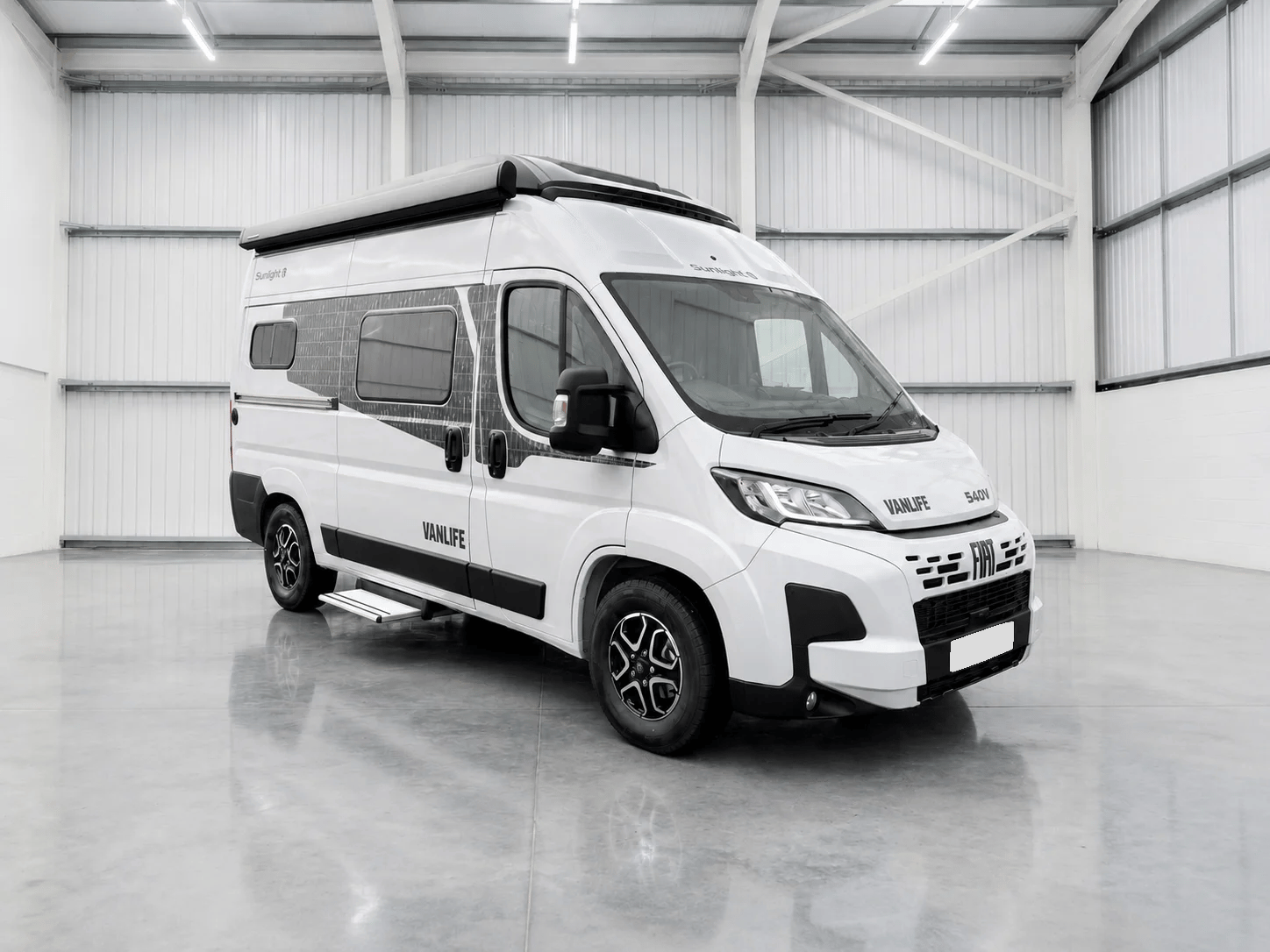
The camper you fall for is rarely the one you can afford. That gap is the whole reason Campervan.win exists. Right now we’re giving away the Sunlight Vanlife, worth around £65,000, and closing that gap is the point: capped entries so the odds stay honest, £10 a ticket, a maximum of five per person, £500 to a UK charity from every full draw, the winner picked by a public randomness beacon anyone can re-check, and one person driving away in the van itself.
Enjoyed this post?
Get more honest campervan guides like this one in your inbox.
You’re in!
Check your inbox. We’ve just sent you a welcome email.

About the author
Jasper
Jasper writes campervan reviews, travel guides, and practical advice, with a focus on everyday use and relaxed touring around the UK.
Keep Reading
Related Reading
Thoughtful articles that build on what you’ve just read.
Campervan Reviews
10 min read
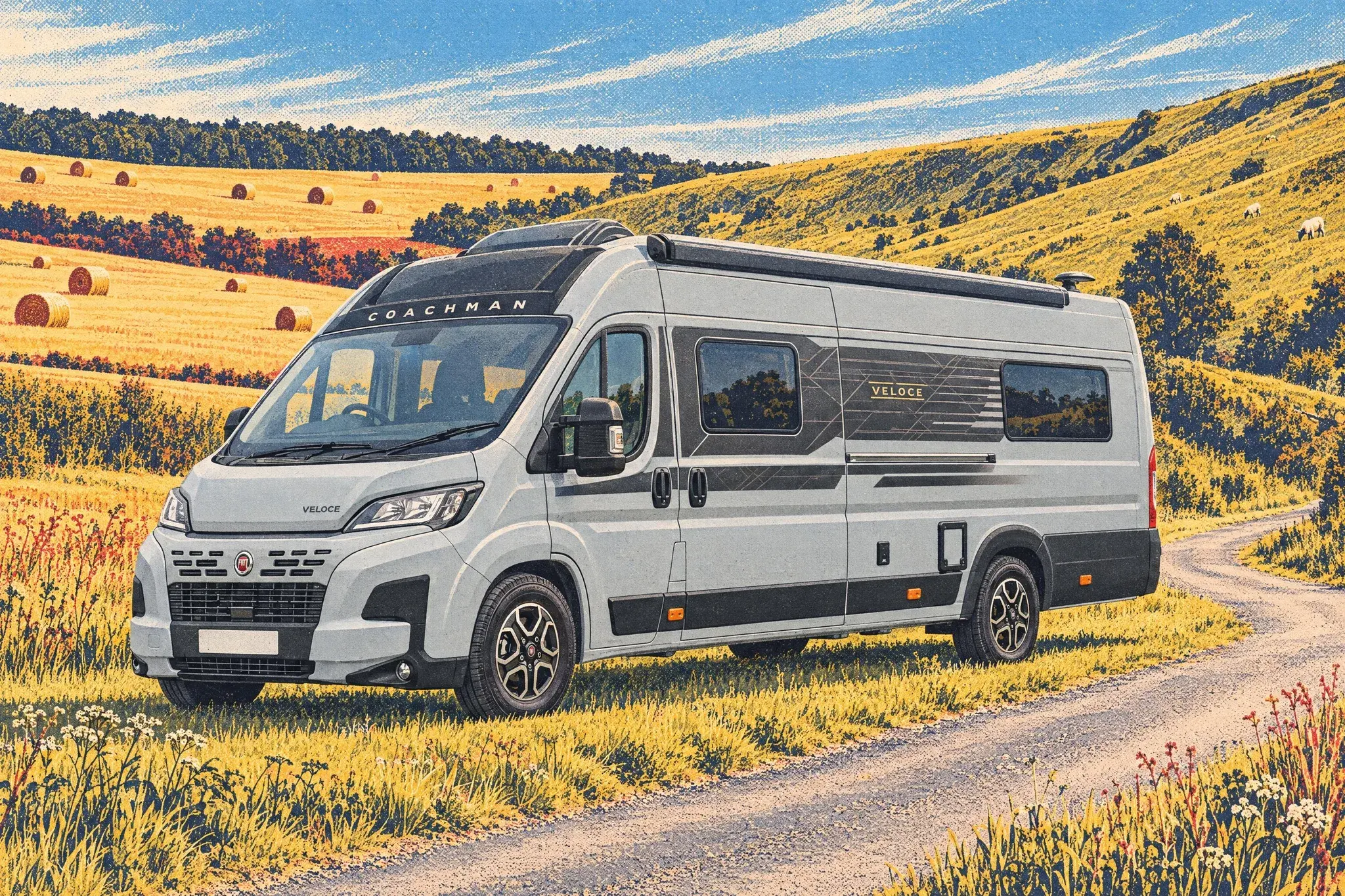
Coachman Veloce (2027): a UK-built Fiat Ducato campervan at £86,500, and who it is for
Coachman has built its first Fiat Ducato campervans in the UK, the Veloce VL65 and VR65, at £86,500 each. We go through what that price includes, the payload sums for four seats, the heating and power kit, and who a premium British panel van like this suits.
Campervan Reviews
27 min read
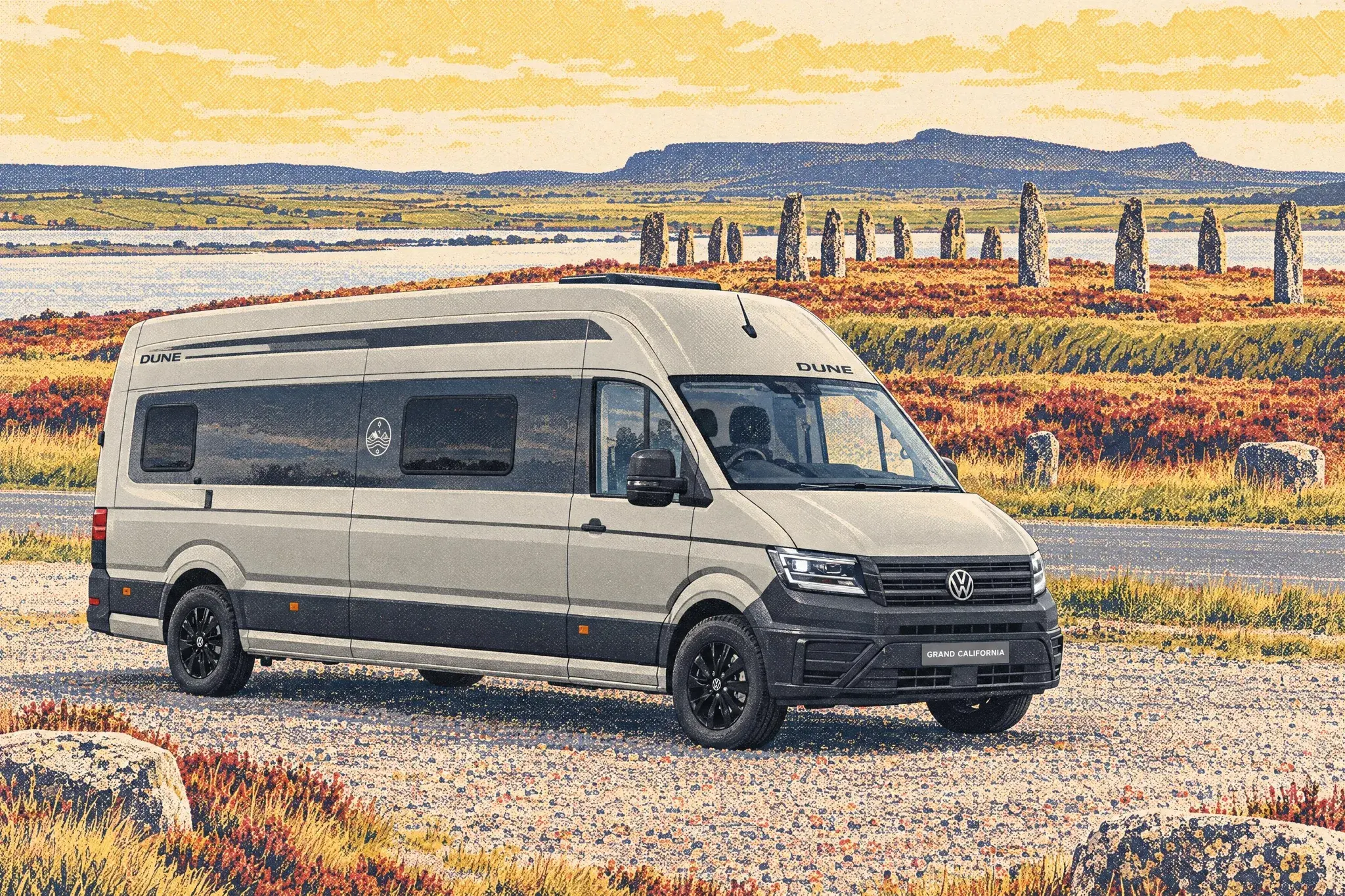
VW Grand California 680 Dune deep dive: the long two-berth tourer, the C1 licence, and FWD or 4MOTION
A full look at the Volkswagen Grand California 680 Dune as a two-person long-distance tourer: dated UK prices, why the 3,880 kg weight means a C1 licence for many drivers, the real payload sums for front-wheel drive against 4MOTION, the lengthways bed, four-season kit and a viewing checklist.
Campervan Reviews
35 min read
Carado CV595 X-Edition explained: the £87,890 4x4 VW Crafter campervan, for UK buyers
A long, honest look at Carado's first VW Crafter campervan: what 4MOTION and the off-road pack really do, how the 3,500 kg payload works out, what the 200 cm transverse bed and no-solar spec mean for British touring, and what to confirm before you order one at £87,890.
Campervan Reviews
13 min read
Coachman Affinity One explained: who the Polish-built 6.36 m Fiat Ducato campervan really suits
The Coachman Affinity One is a long, tall Fiat Ducato campervan built in Poland and sold in the UK under the Coachman name. Here is what the fixed French bed, front bunk, washroom, 3,500 kg weight and 6.36 m length really mean for the people who might buy one.