
Campervan air conditioning: the honest UK guide for motorhomes and vans

Written by
Leo
Leo covers campervan technology, maintenance, kit, and ownership advice, with a clear, practical focus on how things work in real life.
The short answer
Air conditioning is increasingly worth fitting to a UK campervan or motorhome as summers warm up, especially if you tour in July and August or sleep with the van parked in the sun. Rooftop units cool well but add weight and height, built-in systems are tidy but pricey, and portable units like the EcoFlow Wave 3 suit anyone short on roof space, payload or budget. Running any of them off-grid needs a strong lithium battery, a capable inverter and solar.

For years, air conditioning in a campervan felt like a bit of an indulgence in Britain. We bought heaters, not coolers. But anyone who has tried to sleep in a metal box during a recent July heatwave knows the conversation has changed. UK summers are getting hotter and more humid, and a van parked in full sun can become genuinely uncomfortable long after the outside temperature has dropped.
So is air conditioning worth it now? For a growing number of people, yes. But the right answer depends on how you travel, how much weight and roof space you have spare, your budget, and whether you mostly use hookup or live off-grid. This guide walks through the honest pros and cons, the three main types of system, the power reality nobody likes to talk about, and how electric and hybrid vans are starting to change the whole picture.
Do you actually need air conditioning?
Start with how you really use your van, not how you imagine using it. Air conditioning earns its keep if any of these sound like you:
- You tour through the hottest weeks of summer, when daytime temperatures regularly push past the mid-twenties.
- You park up in open, sunny spots rather than shaded woodland pitches.
- You sleep badly in the heat, or travel with anyone who finds high temperatures genuinely hard to cope with.
- You spend long days inside the van working, cooking or relaxing rather than just sleeping in it.
- You travel to warmer parts of Europe, where a UK summer feels mild by comparison.
If you only ever van in spring and autumn, or you chase shade and a sea breeze, you may get by with good ventilation: a roof fan, opening windows with insect screens, a windscreen cover and a reflective shade. Ventilation is cheap, light and uses almost no power. Air conditioning is the next step up, and it is the only thing that actually lowers the temperature and pulls humidity out of the air.
A roof fan moves hot air around. Air conditioning removes the heat. That is the core difference, and it is why a fan stops being enough above a certain temperature.
The three main types, clearly explained
There are three broad ways to cool a leisure vehicle: rooftop units, built-in systems, and portable units. Each suits a different kind of van and owner.
1. Rooftop units
A rooftop air conditioner sits on the roof, usually over an existing skylight aperture, and blows cooled air down into the living space. This is the classic motorhome solution and, for many people, still the best balance of cooling power and tidiness inside.
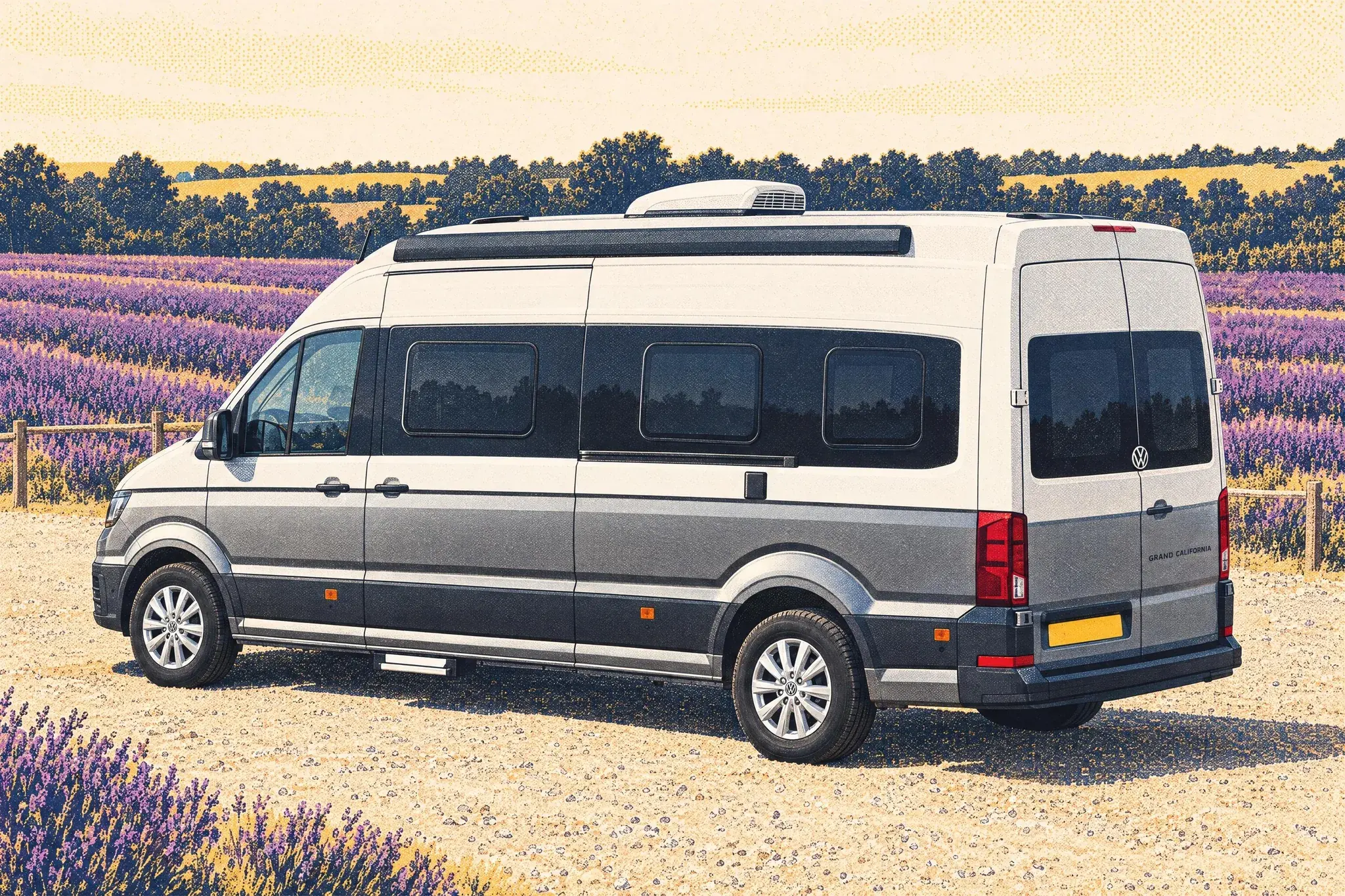
The big perception problem is the bulky white box people picture from older vans. That image is out of date. Modern rooftop units, including the latest Dometic systems, are noticeably slimmer and more streamlined than the tall boxes of a decade ago. They sit lower, look cleaner and have less impact on your overall height and aerodynamics. They are not invisible, but they are far less of an eyesore than many owners expect.
The honest trade-offs:
- Weight. A rooftop unit typically adds somewhere around 25 to 40kg high up on the roof. On a tightly loaded van that can eat into your payload and raise the centre of gravity.
- Height. Even a slim unit adds a few centimetres. Worth checking against your garage, ferry deck or any low barriers you use.
- Install. It is a proper fit, often using the existing rooflight opening, and is best done by someone who knows leisure vehicles to keep it watertight.
2. Built-in under-bench and split systems
The second type lives inside the vehicle rather than on the roof, usually tucked under a bench seat, in a wardrobe base or in an underfloor locker, with discreet vents distributing the cool air. Some are dedicated leisure units; others borrow the split-system idea from buildings, with the noisy components kept away from the sleeping area.
The appeal is obvious: nothing on the roof, so no added height, better aerodynamics and a cleaner exterior. The cool air can be ducted neatly to where you want it.
The catches are space and money. You sacrifice a chunk of storage to the unit, installation is more involved, and these systems tend to cost more once fitted. They make most sense in larger motorhomes where losing one locker is no great hardship, or in high-end conversions designed around them from the start.
3. Portable units
The third option needs no permanent install at all. Portable air conditioners have come a long way, and the standout for vans is the battery-powered type rather than the old wheeled household boxes.
The EcoFlow Wave 3 is the obvious example. It is a self-contained portable unit that can run from its own battery, your leisure system or mains, offers both cooling and heating, and can be moved or even taken out of the van when you do not need it. For anyone without the roof space, the weight allowance or the budget for a fixed install, it is a genuinely strong choice. Smaller campervans and pop-top vans, where a rooftop unit is impractical, are exactly where portables shine.
Be realistic about the downsides. Portable units have to manage hot exhaust air and condensation, so they usually need a hose or vent routed to the outside through a window or a fitted port. They take up floor or seat space when running, and a single portable unit cools a modest area rather than a whole large motorhome. But for the size of van most people sleep in, a well-placed portable can make a real difference on a hot night.
The power reality: this is the part that matters
Here is the honest truth that any good guide has to lead with. Air conditioning is one of the heaviest electrical loads you will ever ask a van to handle. Heating water or running a fridge is small change by comparison. Cooling air takes real, sustained power, and that single fact decides what is and is not possible in your van.
Running on hookup
If you are on a campsite with a mains electric hookup, life is easy. The site supply does the heavy lifting and your batteries are spared. This is why fixed rooftop and built-in systems have always been popular with motorhome owners who mostly tour campsite to campsite. The main thing to watch is the site's amp limit. Many UK pitches supply around 10 to 16 amps, and air conditioning plus a kettle plus a heater all at once can trip the bollard. Stagger your big loads and you will be fine.
Running off-grid
Off-grid is where it gets serious. To run air conditioning away from hookup, you genuinely need three things working together:
- A decent lithium battery bank. Air conditioning can draw several hundred watts continuously, so you are looking at a substantial lithium (LiFePO4) capacity if you want more than a short burst. A modest single battery will run a portable unit for an hour or two; running cooling through a hot night needs far more.
- A capable inverter. Mains-powered units need an inverter big enough to handle both the running load and the surge when the compressor kicks in. That usually means a pure sine wave inverter rated well above the unit's stated running wattage. Battery-native portables like the Wave 3 sidestep some of this because they can run on DC, which is part of their appeal.
- Solar to claw power back. Solar panels will not usually run air conditioning directly in real time, but they top your batteries back up through the day so you have headroom for the evening. The more roof you can cover, the better.
The simple summary: if you cool on hookup, almost any system works. If you want to cool off-grid for hours at a time, you need to design the whole electrical system around it, and that is a meaningful investment. Many owners settle on a sensible middle ground: a portable unit and a battery big enough for a few hours of relief at bedtime, plus solar to recover overnight.
Noise, condensation and the small print
A few practical points that get overlooked until you live with a system:
- Noise. All air conditioning makes noise. Rooftop units sit right above your head, which some people find intrusive at night. Many have an eco or night mode that runs quieter and gentler. Try before you commit if you can.
- Condensation and drainage. Pulling humidity from the air produces water, which has to go somewhere. Fixed units drain outside; portables collect or evaporate it. Check how yours handles it so you are not surprised by a puddle.
- Cooling capacity vs van size. Cooling output is rated in BTU or watts. A small portable that transforms a compact campervan will struggle in a large coachbuilt motorhome. Match the unit to the cubic space you actually need to cool.
- Insulation does half the work. A well-insulated van with good window covers holds onto cool air far better, so your system cycles less and uses less power. Reflective screens on the windscreen and cab windows make a genuine difference.
How EV and hybrid vans change the picture
The biggest shift in this whole subject is on the horizon, and it comes from the move to electric and hybrid drivetrains. The problem with air conditioning has always been the battery. Electrified vans arrive with a large traction battery on board, and that changes the maths entirely.
The clearest example is the next-generation Volkswagen California eHybrid. It has been reported to run its climate control for an extended stretch, day or overnight, without being plugged in, by drawing on the vehicle's own high-voltage battery. Treat any specific figure as a manufacturer claim until it is proven in real use, but the principle is sound: an electrified van quietly solves the single hardest part of van air conditioning, which is keeping it running through a hot night, off-grid, without a giant leisure battery bank and inverter bolted in.
This is the direction of travel for the whole sector. As more vans arrive with serious onboard battery capacity, climate control stops being a luxury that drains your leisure system and becomes something the vehicle can simply do. We are not fully there yet, and most vans on the road today still rely on the hookup-or-big-battery reality above. But it is worth knowing, especially if you are buying a van you intend to keep for the next decade.
So who should fit air conditioning, and which type?
Here is the straightforward recommendation, by the kind of van and budget you have.
Large motorhomes, mostly campsite touring
Fit a slim rooftop unit, or a built-in system if you have the storage to spare and the budget for it. You have the payload, the roof space and usually a hookup, so the heavy lifting is solved. A modern slim rooftop unit gives strong, whole-vehicle cooling without the bulky look people fear.
Mid-size campervans and coachbuilts that go off-grid
Decide honestly how much off-grid cooling you want. For occasional relief, a battery-powered portable like the EcoFlow Wave 3 paired with a good lithium battery and solar is the flexible, lower-commitment answer. For frequent off-grid cooling, only a properly designed lithium and inverter system will keep a fixed unit running, and that is a bigger spend.
Small campervans, pop-tops and tight budgets
Go portable. A fixed rooftop or built-in unit rarely makes sense where roof space and payload are scarce. A portable unit you can run when needed and store away the rest of the time is the sensible, affordable route, and it can come with you if you change vans.
Anyone buying new for the long term
Keep an eye on electric and hybrid options. If cooling off-grid matters to you, a van with a large onboard battery that can run climate control for hours, like the coming California eHybrid, may make every other approach look like hard work.
The bottom line
Air conditioning is no longer an odd luxury on a British van. Our summers have warmed enough that, for a lot of owners, it is the difference between enjoying July and enduring it. The technology is better and tidier than its reputation, with slim rooftop units and capable portables both available.
The deciding factor is power, not cooling. On hookup, almost anything works. Off-grid, you are designing an electrical system, or buying a portable and accepting its limits, or waiting for the electrified vans that will make the whole question easier. Be honest about how you travel, match the system to your van and your budget, and you will sleep a great deal better when the next heatwave arrives.
Common questions
Is air conditioning worth fitting to a UK campervan?
Increasingly, yes. UK summers are getting hotter and more humid, and a van parked in the sun can stay uncomfortable long after dark. If you tour in peak summer, park in open sun, or sleep badly in heat, air conditioning is worth it. If you only travel in spring and autumn and chase shade, good ventilation may be enough.
Can you run campervan air conditioning off-grid without hookup?
Yes, but it takes a properly designed setup. Air conditioning is a heavy electrical load, so off-grid running needs a substantial lithium battery bank, a capable pure sine wave inverter, and solar to recover the power during the day. A single small battery will only run a portable unit for an hour or two.
What is the difference between rooftop, built-in and portable air conditioning?
Rooftop units sit on the roof and cool the whole van well, but add weight and a little height. Built-in under-bench systems keep the roof clean but cost more and use storage space. Portable units like the EcoFlow Wave 3 need no permanent install, suit small vans and tight budgets, and can be moved or removed when not needed.
Are modern rooftop air conditioners still big ugly boxes?
No. The tall white boxes people picture are out of date. The latest rooftop systems, including Dometic's current units, are noticeably slimmer and more streamlined, sitting lower with less impact on height, aerodynamics and looks. They are not invisible, but far tidier than older designs.
Will electric and hybrid campervans make air conditioning easier to run?
They should. Electrified vans carry a large onboard battery, which solves the main hurdle of powering cooling off-grid. The next-generation VW California eHybrid, due around 2027, is reported to run its climate control for roughly eight hours straight without being plugged in, which would remove the need for a big separate leisure battery bank.
The reachable bit
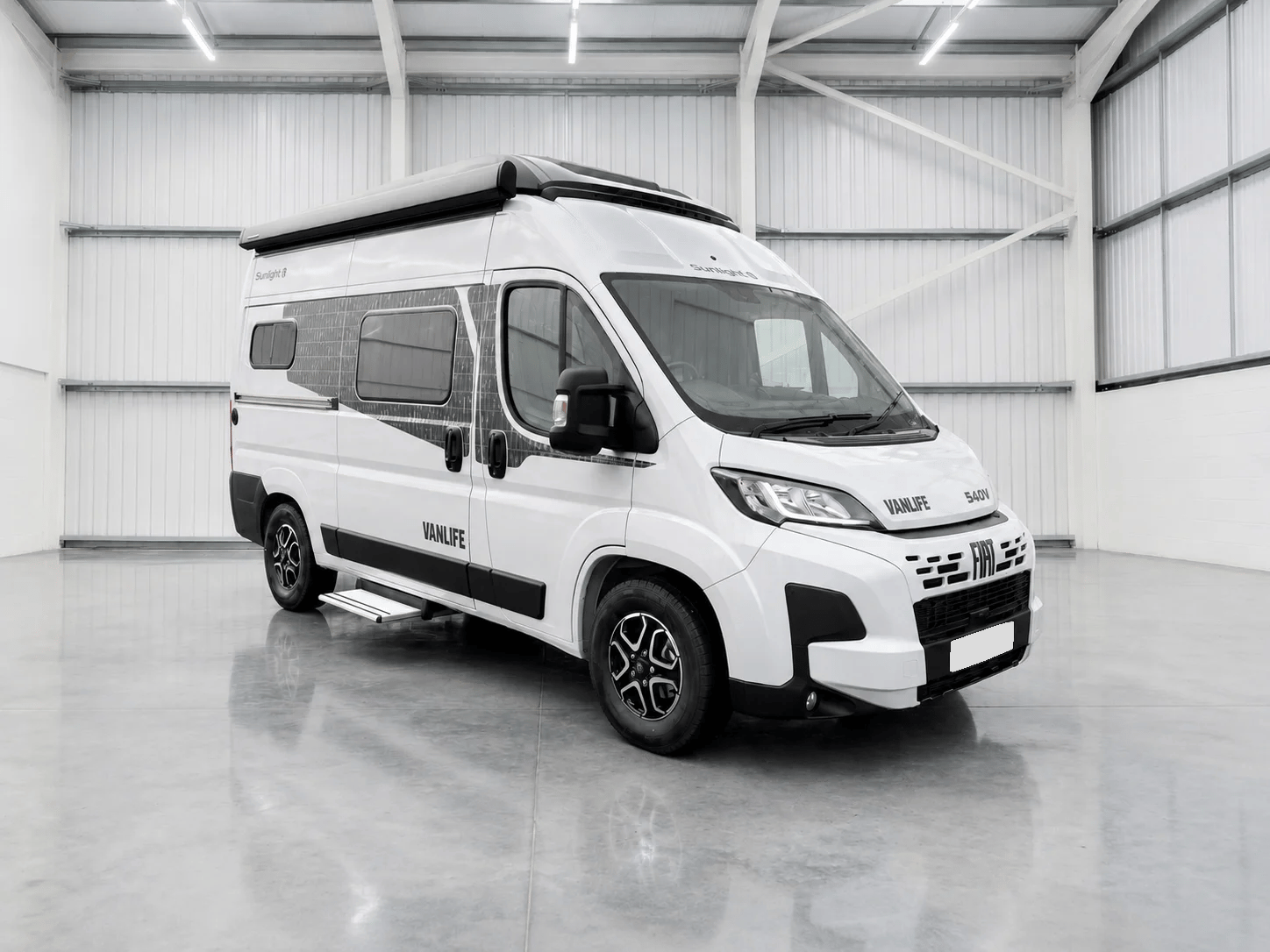
The camper you fall for is rarely the one you can afford. That gap is the whole reason Campervan.win exists. Right now we’re giving away the Sunlight Vanlife, worth around £65,000, and closing that gap is the point: capped entries so the odds stay honest, £10 a ticket, a maximum of five per person, £500 to a UK charity from every full draw, the winner picked by a public randomness beacon anyone can re-check, and one person driving away in the van itself.
Enjoyed this post?
Get more honest campervan guides like this one in your inbox.
You’re in!
Check your inbox. We’ve just sent you a welcome email.

About the author
Leo
Leo covers campervan technology, maintenance, kit, and ownership advice, with a clear, practical focus on how things work in real life.
Keep Reading
Related Reading
Thoughtful articles that build on what you’ve just read.

Campervan Tech & Electrics
10 min read
Campervan electric systems: how to judge a good one
A plain-English guide to reading and reviewing a campervan's electrical setup, from leisure batteries and solar to DC-DC chargers and inverters, so you can tell a genuinely good system from a flashy spec sheet.
Campervan Tech & Electrics
10 min read
The best campervan electrical systems, explained honestly
A plain-English guide to what makes a campervan electrical system genuinely good, from leisure batteries and charging to inverters and safety, with honest setups for different ways of travelling.

Campervan Tech & Electrics
26 min read
Off-grid for real: what 100Ah lithium and Alde heating get you in a 4x4 van
An honest, detailed look at what a single 100Ah lithium battery and an Alde wet heating system actually deliver in a 4x4 campervan, with real UK figures, day counts, and the mistakes that catch people out.
Campervan Tech & Electrics
7 min read
Are electric campervans ready yet? The honest 2026 picture
A clear, no-spin look at where electric campervans actually stand in 2026: real range, charging, weight, cost, and who they suit right now.