
Are electric campervans ready yet? The honest 2026 picture

Written by
Felix
Felix covers campervan technology, layouts, and modern conversions, with a focus on design-led thinking and practical performance
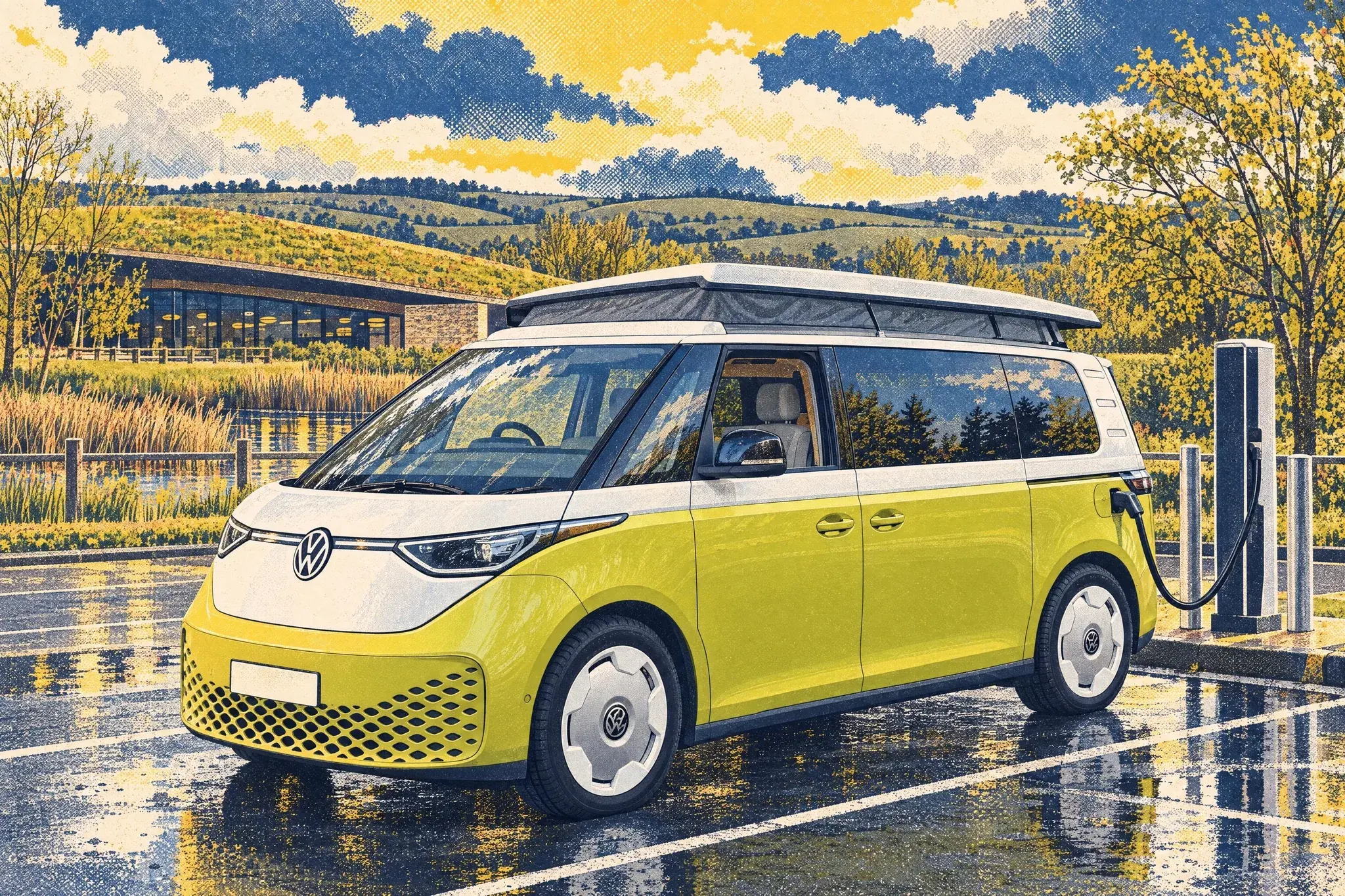
The short answer
Whether an electric campervan is ready in 2026 depends entirely on how you travel, and the honest answer is genuinely encouraging: for the right traveller they already work beautifully, and they are no longer a novelty or a science project. For long-haul, all-season, big-mileage touring on a budget, diesel still wins on practicality for now, but the gap is closing year on year, and faster than many expected. The one trap to avoid is the brochure WLTP range, measured with an empty, aerodynamic van, so knock off a good chunk for the bed, kitchen, gear and high top a camper carries. Before buying, ask three honest questions: where will I charge most nights, what is the real payload, and how does it heat in winter? Here is the honest 2026 picture, and who should buy one now.

The short answer is: it depends on how you travel. For some people an electric campervan already makes brilliant sense. For others it would mean changing their whole trip just to suit the van. This is the honest 2026 picture, with real numbers and no hand-waving.
Let's start with the thing everyone worries about, then work through cost, weight, charging, and who actually benefits today.
Range: the numbers that matter
The headline figure on a brochure is the WLTP range. It is measured in a lab, with an empty, aerodynamic van. A campervan is none of those things. It carries a bed, a kitchen, water, gear, and often a roof box or a high top that pushes air aside like a wall.
As a rough rule for 2026, take the WLTP figure for an electric van and knock off a chunk for real conditions:
- A mid-size electric van platform might claim 200 to 250 miles WLTP.
- Converted into a camper, loaded, at motorway speed in cold weather, plan for closer to 120 to 160 real miles.
- Larger panel vans with bigger batteries are creeping toward 230 real miles in good conditions, but they cost more and weigh more.
Cold weather is the honest sting. A battery works harder in winter, and you will want the heating on. December range can be a third lower than a mild May day. If you tour mostly in summer, this matters less. If you chase the off-season for quiet pitches in the Highlands, it matters a lot.
Charging: the part that shapes your day
Range is only half the story. The other half is how you put the miles back.
On the move
Rapid chargers on the motorway network have improved a great deal. A capable electric van can often take a useful charge in 30 to 45 minutes, enough to get you to the next stop. The catch is the practical one: many older rapid bays were designed around cars, with tight spacing and low canopies. A tall camper with a pop-top or a fixed high roof does not always fit cleanly, and you cannot always reverse a long wheelbase van into a bay built for a hatchback.
It is getting better. More sites now have pull-through bays and taller clearances. But before a big trip, it is worth checking a charging app and reading the comments from other van drivers about which sites actually take a large vehicle.
At camp
This is where electric campervans quietly shine. A standard campsite hook-up is 16 amps, which trickles charge slowly overnight but is genuinely useful. Park up, plug in, wake up with more in the battery than you went to bed with. Some sites are now fitting proper higher-power points. If your touring style is one base for a few nights with day trips out, the charging problem mostly disappears.
At home
If you have a home charger and a driveway, you start most trips with a full battery for the price of overnight electricity. That is the cheapest, easiest charging you will ever do, and it changes the maths in your favour.
Weight and your driving licence
This is the part too few people mention, and it can catch you out. Batteries are heavy. A big battery pack can add several hundred kilograms compared with a diesel equivalent.
That weight eats into your payload, the amount of stuff you are legally allowed to carry. It also pushes some larger electric campers over the 3,500kg threshold.
- If you passed your car test after 1 January 1997, your standard category B licence covers vehicles up to 3,500kg.
- Heavier vehicles need the C1 entitlement, which means extra training and a medical.
- Drivers who passed before 1997 often have C1 grandfathered in, but it is worth checking your licence rather than assuming.
So before you fall for a spacious electric conversion, find the maximum authorised mass and the real payload. A van that looks perfect can leave you almost no margin once you add water, two adults, and a weekend of kit.
The cost reality
Let's be straight: electric campervans cost more to buy today than diesel ones, often noticeably so. The battery is expensive, and the conversion sits on top of an already pricier base vehicle. That is a structural fact about where the technology is, not a criticism of anyone making them.
Where the picture brightens is running costs, and only for the right user:
- Home and campsite charging can be dramatically cheaper per mile than diesel, especially on an overnight electricity rate.
- Relying on rapid chargers closes that gap a lot. Public rapid charging can cost as much per mile as fuel, sometimes more.
- Maintenance is often simpler. No oil changes, fewer moving parts, less to go wrong with the drivetrain.
- Clean-air zones are a real win. An electric camper sails into city low-emission and clean-air zones without charges, which matters if your trips start or end in places like London, Birmingham, or Bristol.
The honest summary: buy electric to save money and it may not add up yet. Buy it because it fits how you travel and the running costs reward you, and the sums look far friendlier.
Living in it: the everyday experience
Driving an electric van is genuinely lovely. It is quiet, smooth, and relaxing, which is exactly the mood you want on a touring trip. Pulling away from a junction with no clatter, gliding through a village in near silence, arriving at a pitch without that diesel rattle: it suits van life.
There is a practical bonus too. A big traction battery can power your living space, so you may rely less on a separate leisure battery and gas. Some electric campers run the hob, lights, and even heating from the same energy system, and a few can send power back out to run an awning light or a kettle. The kitchen-and-bedroom side of electric camping is, in many ways, more elegant than the old setup.
The trade-off is winter heating. Resistive heating drinks range. The smarter conversions use a heat pump or a diesel air heater for warmth so the driving battery is not drained just keeping you cosy. If you plan to use a van in cold months, ask exactly how it heats and what that does to your range.
So, who should buy one in 2026?
Electric campervans are ready, today, for a specific and growing group of people. They are a strong fit if:
- You have home charging and start most trips full.
- Your typical day is under 150 miles, then a few nights in one place.
- You tour mostly spring to autumn.
- You value quiet, simple driving and easy access to clean-air zones.
- You enjoy a slower pace and do not mind planning a charging stop into a long day.
They are not the right call yet if:
- You routinely drive 300-plus miles in a day and want to keep rolling.
- You tour deep into rural Scotland or Wales in winter, where chargers are sparser and the cold is real.
- You need maximum payload and a tight budget.
- You rely entirely on public rapid charging, where the cost saving largely vanishes.
Where it is heading
The trend lines are all pointing the right way. Batteries are getting denser, which means more range for less weight. The charging network is expanding and, slowly, becoming friendlier to tall vehicles. More converters are building electric campers from the ground up rather than adapting diesel layouts, and that shows in cleverer power systems and better heating.
The honest verdict for 2026: electric campervans are no longer a novelty or a science project. For the right traveller they already work beautifully. For long-haul, all-season, big-mileage touring on a budget, diesel still wins on practicality for now. The gap is closing year on year, and faster than many expected.
If you are weighing one up, ignore the brochure range and ask three questions: where will I charge most nights, what is the real payload, and how does it heat in winter. Answer those honestly and you will know quickly whether an electric campervan is ready for you, which is the only readiness that actually matters.
Common questions
Are electric campervans ready in 2026?
It depends on how you travel. For the right traveller, electric campervans already work beautifully and are no longer a novelty. For long-haul, all-season, big-mileage touring on a budget, diesel still wins on practicality for now. The gap is closing year on year, faster than many expected, so the only readiness that matters is whether one is ready for your kind of trips.
What is the real range of an electric campervan?
Less than the brochure WLTP figure, which is measured in a lab with an empty, aerodynamic van. A campervan carries a bed, kitchen, water, gear and often a high top that pushes air aside like a wall, so as a rough rule for 2026 you take the WLTP range and knock off a meaningful chunk for real conditions, more in cold weather.
How do you charge an electric campervan?
Three ways. On the move at a rapid charger, a capable electric van can often take a useful charge in 30 to 45 minutes, enough to reach the next stop. At camp, a standard 16-amp hook-up trickles charge slowly overnight but is genuinely useful. At home, charging overnight is cheapest. Where you will charge most nights is the question that shapes everything.
Does an electric campervan affect your driving licence?
It can. The heavy battery pushes some larger electric campers over the 3,500kg threshold, above which you need a category C1 licence rather than a standard category B. So check the plated weight and the real payload, because the battery weight eats into what you can carry as well as which licence you need.
Who should buy an electric campervan in 2026?
Travellers who can charge reliably most nights, who do shorter, lower-mileage trips, and who do not depend on long all-season dashes. For them an electric camper already works well. If you do long-haul, big-mileage, all-season touring on a budget, or cannot count on charging, a diesel still makes more practical sense today.
How do electric campervans heat in winter?
Heating is one of the three questions to ask before buying, because running a cabin heater off the traction battery in winter eats into range. Converters building electric campers from the ground up increasingly fit cleverer power systems and better heating rather than adapting diesel layouts, so ask specifically how a given van heats and what that does to its winter range.
The reachable bit
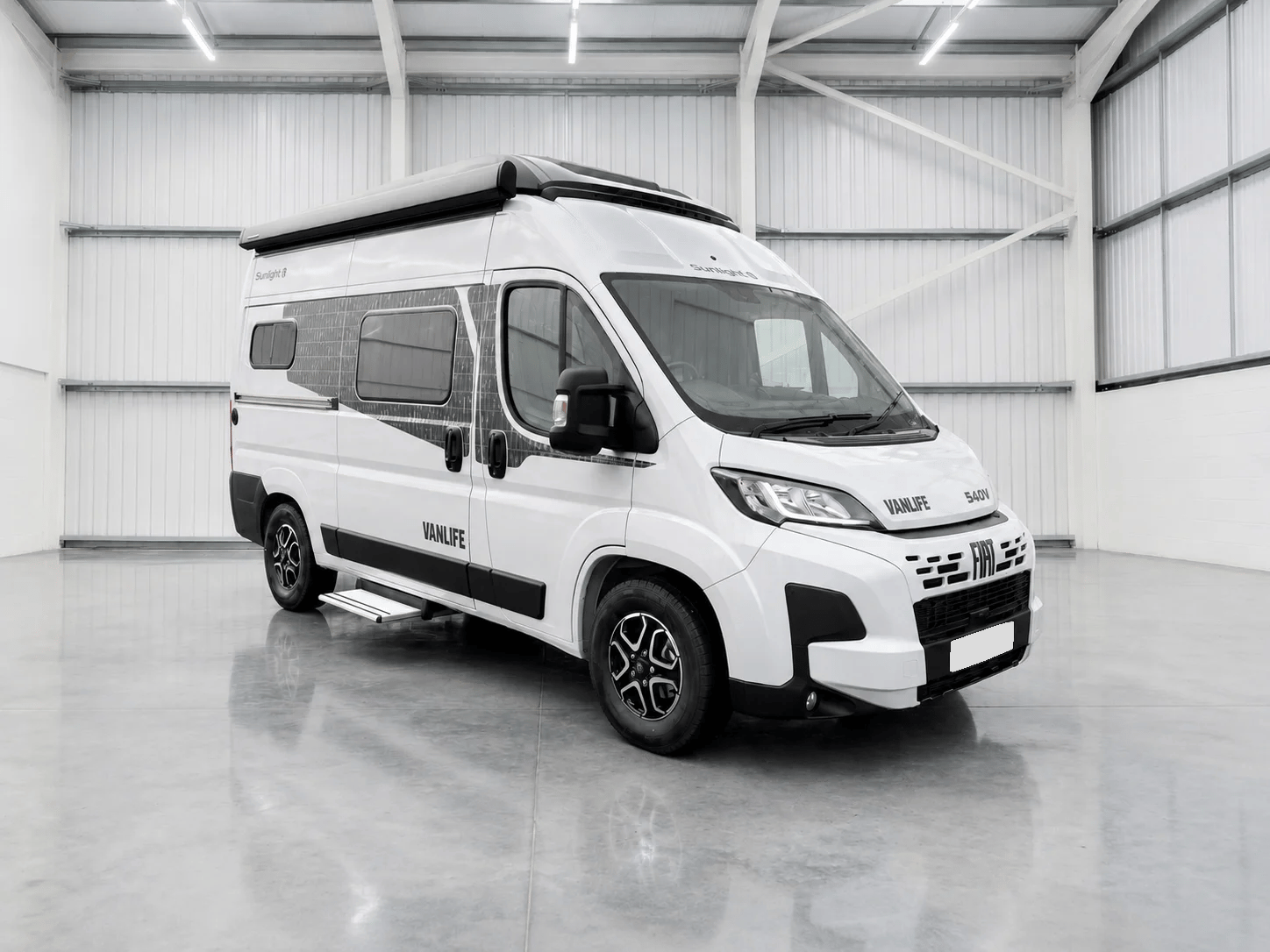
The camper you fall for is rarely the one you can afford. That gap is the whole reason Campervan.win exists. Right now we’re giving away the Sunlight Vanlife, worth around £65,000, and closing that gap is the point: capped entries so the odds stay honest, £10 a ticket, a maximum of five per person, £500 to a UK charity from every full draw, the winner picked by a public randomness beacon anyone can re-check, and one person driving away in the van itself.
Enjoyed this post?
Get more honest campervan guides like this one in your inbox.
You’re in!
Check your inbox. We’ve just sent you a welcome email.

About the author
Felix
Felix covers campervan technology, layouts, and modern conversions, with a focus on design-led thinking and practical performance
Keep Reading
Related Reading
Thoughtful articles that build on what you’ve just read.
Campervan Tech & Electrics
10 min read
Campervan electric systems: how to judge a good one
A plain-English guide to reading and reviewing a campervan's electrical setup, from leisure batteries and solar to DC-DC chargers and inverters, so you can tell a genuinely good system from a flashy spec sheet.
Campervan Tech & Electrics
10 min read
The best campervan electrical systems, explained honestly
A plain-English guide to what makes a campervan electrical system genuinely good, from leisure batteries and charging to inverters and safety, with honest setups for different ways of travelling.
Campervan Tech & Electrics
11 min read
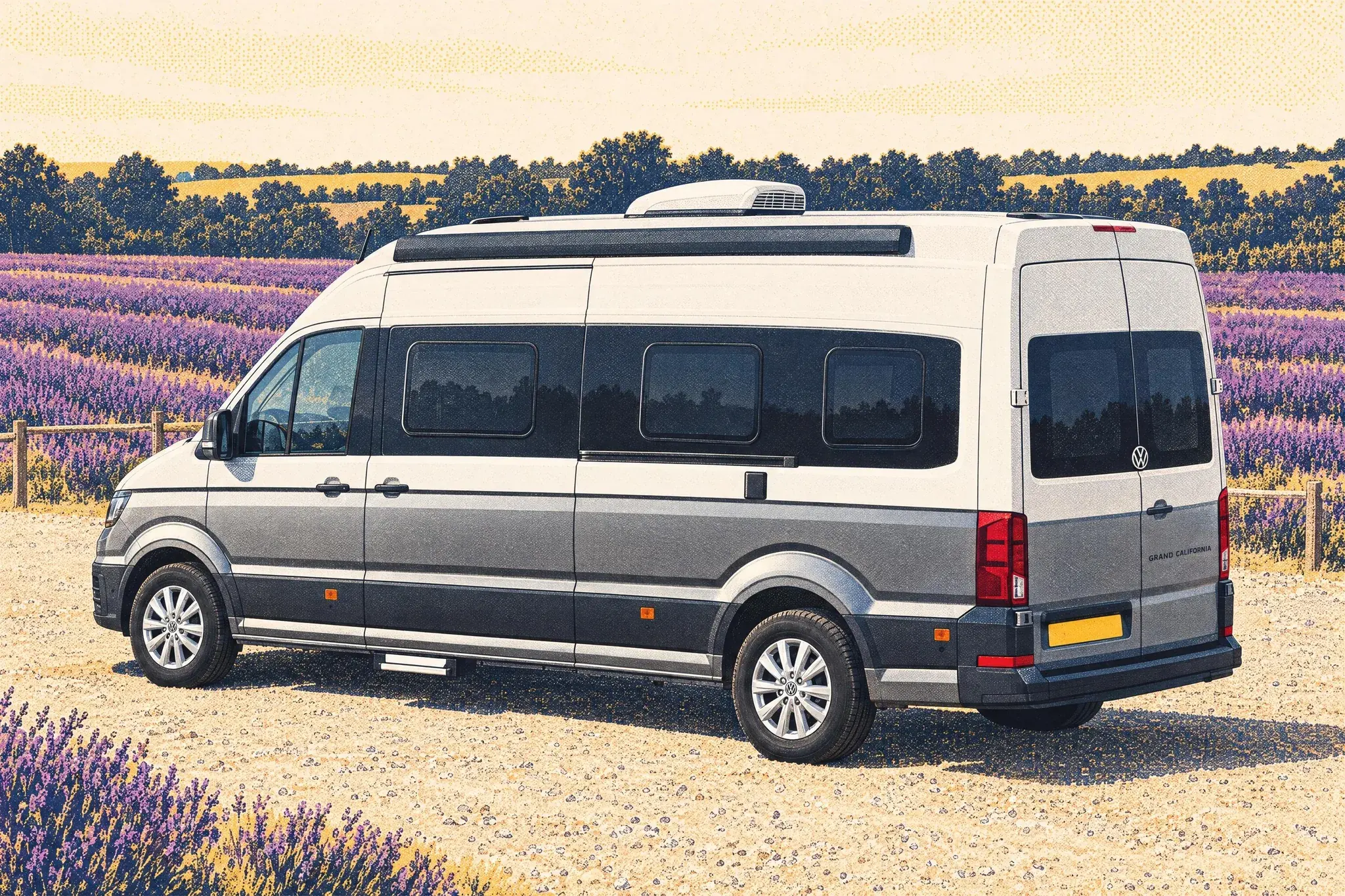
Campervan air conditioning: the honest UK guide for motorhomes and vans
A practical look at whether air conditioning is worth fitting to your van, the real pros and cons, the main types, what it takes to run off-grid, and which system suits which budget.
Campervan Tech & Electrics
26 min read
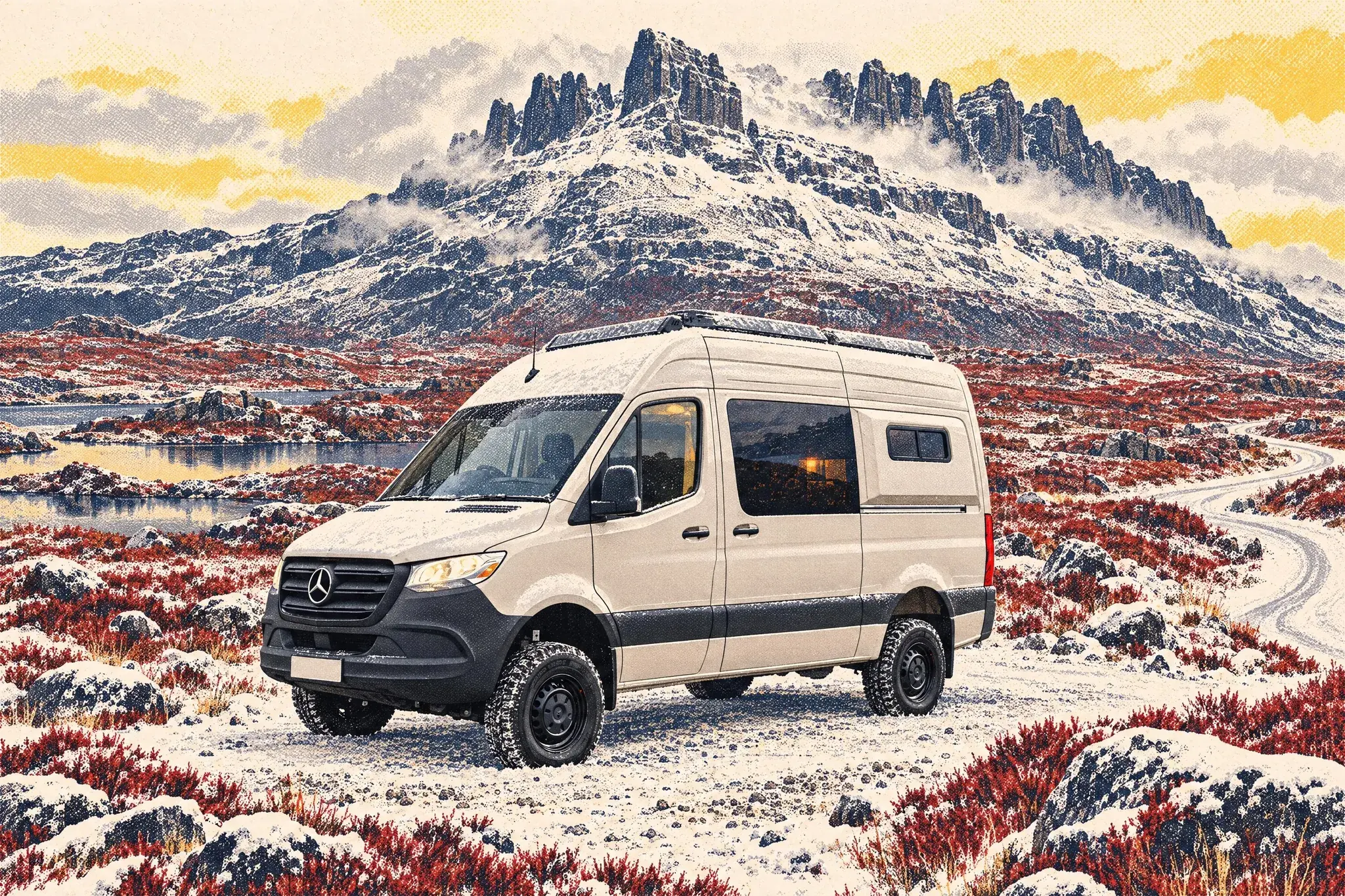
Off-grid for real: what 100Ah lithium and Alde heating get you in a 4x4 van
An honest, detailed look at what a single 100Ah lithium battery and an Alde wet heating system actually deliver in a 4x4 campervan, with real UK figures, day counts, and the mistakes that catch people out.