
Auto-Sleepers buyer's guide: which model suits which kind of trip

Written by
Arthur
Arthur writes buying guides, comparisons, and in-depth explainers to help readers choose the right campervan or motorhome with confidence.
The short answer
There is no single best Auto-Sleeper, only the one that fits how you travel, where you park, who comes along and how long you stay, and that is good news, because it means there is very likely one that suits you beautifully. The range spans compact panel vans like the Symbol for everyday freedom, compact and mid-size coachbuilts like the Nuevo and Broadway, and a premium A-class end. The trick is to ignore the model names at first and settle three things: the body type that fits your life, the layout you will live in happily, and the weight you can legally and comfortably carry. Do that and the right model tends to pick itself. The best one is simply the van you reach for without hesitation on a free Friday. Here is how to match the model to your trips.

Auto-Sleepers make a lot of vans, and from the outside the range can look like a wall of similar names. Broadway, Bourton, Nuevo, Kemerton, Corinium, Symbol. If you do not already know the difference, it is easy to feel lost. This guide fixes that. It walks through what the company actually builds, what each shape is good at, and which model tends to suit which kind of trip.
The honest starting point is this: there is no single best Auto-Sleeper. There is only the one that fits how you travel, where you park, who comes with you, and how long you stay. A couple doing two long European tours a year wants a very different van from a retired pair pottering around the West Country, and both want something different again from a single traveller who needs an everyday vehicle that happens to sleep. So rather than crown a winner, this guide helps you find your match.
Who Auto-Sleepers are, and why it matters to a buyer
Auto-Sleepers are a long-established British motorhome and campervan builder based in Willersey, near Broadway in Worcestershire. That British base matters more than badge pride. It shapes the layouts, the materials, and the way the vans are sold and serviced. The interiors lean towards a traditional, comfortable, homely feel rather than a stripped-back continental look. Soft furnishings, wood-effect cabinetry, proper upholstery, and a focus on cosy living are the house style.
For a buyer, the practical points are these. Auto-Sleepers build on two main base vehicles: the Fiat Ducato for most of the range, and Mercedes-Benz for a smaller premium line. They build both panel van conversions (where the van keeps its original metal body) and coachbuilt motorhomes (where a box-shaped living area is built onto a cab and chassis). At the top sits a small number of A-class models, where the whole front including the cab is part of the bespoke body.
That spread means the range covers genuinely different vehicles under one name. A compact two-berth panel van and a six-metre coachbuilt with a fixed bed are both Auto-Sleepers, but they live completely different lives. Understanding the body type first, before you get lost in model names, is the single most useful thing you can do.
The three body types in one minute
- Panel van conversion: built inside a standard van shell. Easiest to drive and park, most car-like, best for everyday use and stealthier overnight stops. Usually a little tighter on living space and storage.
- Coachbuilt: a purpose-built living box on a cab and chassis, often with an overcab area. More space, more fixed furniture, bigger payload, but wider, taller and longer to handle.
- A-class: a fully bespoke body including the cab and a huge wraparound windscreen. The most space, the most luxurious feel, the largest to drive and store, and the highest price.
Get the body type right and you have already made the biggest decision. Everything after that is detail.
The first questions that decide everything
Before any model name, answer these. They quietly settle most of the choice for you.
How many people travel, and how many sleep?
Travel seats with proper three-point belts and sleeping berths are not the same number. A two-berth might have two belted travel seats. A four-berth might still only have four belts, which matters if you ever want to take grandchildren or friends. Be honest about who realistically comes along. Most people who buy a four-berth for occasional guests end up touring as two, and a two-berth would have served them better and driven more easily.
How long do you stay in one place?
This is the question people underrate. If you move most days, a compact van with a bed you make up each night is fine, because you are out and about anyway. If you settle for several nights at a time, a fixed bed you never have to build, and a layout you can live in during bad weather, becomes worth a great deal. Weather you cannot escape is the real test of a layout.
Where do you park, at home and away?
A van that does not fit your driveway, or that you dread reversing onto a pitch, gets used less. Measure your access. Note any height barriers at car parks you use, any width limits on lanes you love, and whether you will keep it at home or in storage. A longer coachbuilt may be perfect on a French aire and a constant low-level worry on a narrow Cornish lane.
What is your driving licence?
If you passed your car test on or after 1 January 1997, your standard category B licence covers vehicles up to 3,500kg maximum authorised mass. Many panel vans and smaller coachbuilts sit at or just under that figure. Larger coachbuilts and A-class models can be plated higher, which needs the older grandfather rights or a C1 entitlement. We will come back to weight, because it is where buyers most often get caught out.
The compact panel vans: everyday freedom
Auto-Sleepers' panel van conversions are the place to start if you want a vehicle you can use like a car as well as a camper. They are based on the Peugeot Boxer, with a couple of premium options on Mercedes. The appeal is simple. You can pop to the shops, park in a normal-ish space, drive down a lane without flinching, and still have a proper little home inside.
Symbol and the two-berth panel vans
The Symbol family represents the classic compact two-berth idea. You get a kitchen, a washroom, a lounge that converts, and a bed, all inside a standard van footprint. The trade-off is that the bed is usually made up from the seating, so there is a small nightly ritual. For people who travel light and move often, that ritual is no hardship.
This kind of van suits the solo traveller or the couple who want spontaneity above all. Weekend escapes, surf trips, festivals, visiting family with somewhere to sleep on the drive, a base for walking or cycling. The compact length means height barriers in city car parks are less of a problem on the shorter versions, and you can take it places a coachbuilt simply will not go.
The longer panel vans with a fixed bed
Some panel van layouts squeeze a fixed bed across the rear, usually a transverse double, with a washroom and kitchen ahead of it. The advantage is no nightly bed-making. The trade-off is bed length: a transverse bed in a van body limits how tall the sleeper can be, so taller people should lie in one in the showroom before deciding. There is no substitute for actually getting in.
These longer vans suit couples who want everyday usability but also do trips of a week or more, where never making the bed is a real comfort. They are the sweet spot for a lot of buyers who think they want a coachbuilt but realise they would rather keep the easier driving.
What panel vans are genuinely good at
- Everyday driving and parking, including as a second car or sole vehicle.
- Quieter, more discreet overnight stops where a big white box would feel out of place.
- Fuel economy, which is generally better than the bigger coachbuilts because the shape is more aerodynamic.
- Lanes, ferries, tunnels and tight aires.
Where panel vans ask you to compromise
- Storage is tighter. You carry less gear and pack more carefully.
- Living space is cosy, which is lovely in good weather and close quarters in a wet week.
- Headroom and washroom size are more modest than a coachbuilt of the same price.
If you want one vehicle that does the school run and the Scottish Highlands, a panel van is usually the honest answer. If you want a holiday home on wheels, look further up the range.
The compact coachbuilts: more home, still manageable
Step up to a coachbuilt and the living space opens out. The body is wider than the cab, so you get more elbow room, bigger furniture, taller washrooms, and more storage. Auto-Sleepers build several compact coachbuilts that aim to keep the length and height sensible while giving you that extra space.
Nuevo and the low-profile compacts
The Nuevo is one of Auto-Sleepers' best-known compact coachbuilts. Low-profile means there is no big bed pod over the cab, which keeps the height and the wind resistance down while giving a sleeker look. Inside, you typically get a proper lounge, a decent kitchen, a separate washroom, and a bed arrangement that varies by layout.
This is a strong all-rounder for a touring couple. It is big enough to live in comfortably for weeks, small enough that most people adapt to the driving quickly, and the low-profile shape is friendlier on fuel and in wind than a tall overcab van. If your trips are a mix of weekends and longer tours, and you mostly travel as two, this category deserves a long look.
Broadway and the mid-size coachbuilts
The Broadway name has been an Auto-Sleepers staple for years and covers a range of mid-size coachbuilt layouts. Here you get into the territory of fixed beds, larger washrooms, and more generous lounges. Layouts include rear fixed beds, rear washrooms with front lounges, and the popular island or French bed arrangements where you can walk around the bed.
These suit couples who settle for several nights at a time and want the comfort of a home base. A fixed rear bed with storage underneath, a washroom you can actually move in, and a lounge that stays a lounge all evening change how a wet day feels. The cost is size: you are now committed to motorhome-sized driving and parking, and you need to think about height barriers and pitch sizes.
Bourton, Kemerton, Corinium and the layout families
Auto-Sleepers use different model names partly to signal different layouts and base vehicle choices within the coachbuilt range. The Bourton, Kemerton and Corinium names, among others, cover variations on length, bed type and seating. Rather than memorise every name, focus on the layout descriptors that actually affect your trip:
- Rear fixed bed: ready to sleep at all times, storage beneath, but the bed eats the back of the van.
- Rear washroom: a larger, more comfortable bathroom across the back, with the bed elsewhere, often made up or an island.
- Island or French bed: access from both sides or a clever corner cut, easier for two people getting in and out at night.
- Rear lounge: a big sociable seating area at the back, lovely for living and entertaining, with a made-up bed at night.
When a salesperson reels off model names, gently steer the conversation back to the layout. The name matters less than where the bed, the bathroom and the seating sit, because that is what you live with every single day.
The premium and A-class end: living space and luxury
At the top of the range, Auto-Sleepers build a smaller number of higher-specification vehicles, including A-class models and Mercedes-based options. These are for buyers who tour long, tour often, and want their van to feel like a proper home.
What you get for the money
- The largest, most usable living space, with room to pass each other and not feel on top of one another.
- A panoramic A-class windscreen on the top models, which transforms the view and the feeling of light inside.
- Higher payloads on the larger chassis, so you can carry more without weight worry.
- Generally more powerful engines and a more refined drive on the bigger base vehicles.
- Premium fittings, better insulation for shoulder-season and winter use, and more sophisticated heating.
What you take on in return
- Size. These are big vehicles. Storage at home often means a dedicated site. Some lanes and small car parks are off the menu.
- Cost, both to buy and to run. Fuel, tyres, servicing and habitation work all scale with size.
- Licence and weight. Many sit above 3,500kg, which can require C1 entitlement depending on when you passed your test.
These models suit the buyer whose lifestyle is the van: long European tours, months on the road, or simply a strong preference for space and comfort over compactness. If that is you, the extra size pays you back every day. If your trips are mostly short UK weekends, a premium A-class is a lot of vehicle to own and park for a few nights a month.
Matching the model to the trip: real scenarios
Let us make this concrete. Here are common ways people travel and the Auto-Sleeper shape that tends to fit.
The weekend escaper and everyday driver
You want spontaneity. You will use the van for work runs, day trips and the odd surf or hill weekend. You need it to fit your life and your driveway. A compact two-berth panel van is your match. The nightly bed-making is a non-issue because you are out doing things, and the car-like usability means it gets used constantly rather than sitting on a drive.
The touring couple who like a mix
You do a handful of weekends and one or two longer tours a year, mostly as two. You want comfort without committing to a bus. A low-profile compact coachbuilt like the Nuevo, or a longer panel van with a fixed bed, hits the sweet spot. You get living space and, in many layouts, a bed you never make up, while keeping the driving friendly.
The settled-in tourers
You pick a site, stay several nights, and treat the van as a holiday home. Weather does not change your plans, it changes your indoor day. A mid-size coachbuilt with a fixed bed and a proper washroom, such as a Broadway-type layout, suits you. The lounge stays a lounge, the bed stays a bed, and a wet afternoon is comfortable rather than cramped.
The long-tour, big-mileage pair
You spend months on the road, often abroad, and space and refinement matter more than squeezing down a Cornish lane. A premium coachbuilt or A-class earns its keep. The payload, the comfort, the heating and the panoramic view all add up over weeks away.
The occasional-guests family
You travel as two but sometimes take grandchildren or friends. Be careful here. Check belted travel seats, not just berths. A coachbuilt with the right number of belts and a separate child-friendly sleeping area is the honest answer, but only if you genuinely take passengers often. If guests are rare, a two-berth plus an awning or a drive-away tent may serve better than carrying a four-berth around empty.
The single traveller
One person, often, wanting freedom and easy ownership. A compact panel van is usually ideal: easy to drive alone, easy to park, cheaper to run, and discreet. Some prefer a small coachbuilt for the extra living space if they do long solo trips, but for most solo travellers, smaller is better.
Weight and licence: the bit people get wrong
This is where excitement meets reality. Every van has a maximum authorised mass, the most it is legally allowed to weigh fully loaded. It also has a mass in running order, roughly what it weighs empty but ready to go with fluids and a notional driver. The difference between the two is your payload: everything you can add, including passengers, water, gas, bikes, awnings, food, clothes and kit.
Why payload matters more than people expect
It is genuinely easy to overload a motorhome without realising. A full fresh water tank alone can be 70 to 100kg or more. Two adults are perhaps 140 to 160kg. Add gas bottles, a couple of bikes on a rack, a full wardrobe, an awning, levelling ramps, food and a few comforts, and a modest payload disappears fast. Overloading is unsafe, can invalidate insurance, and is an offence if you are weighed at a roadside check.
Before you buy, ask for the specific weights of the actual van, in the actual specification, with the options fitted. Optional extras add weight. A bike rack, a larger battery, a tow bar, a motor-mover and extra equipment all eat into payload. The brochure figure for a base model is not the figure for the van in front of you.
The 3,500kg line and your licence
- If you passed your car test on or after 1 January 1997, your standard category B licence covers up to 3,500kg MAM. Many panel vans and smaller coachbuilts are plated at or below this, sometimes deliberately.
- If you passed before 1 January 1997, you usually have C1 grandfather rights up to 7,500kg, which covers larger coachbuilts and A-class models, until that entitlement expires at age 70 unless renewed with a medical.
- Some heavier vans can be ordered at a higher plated weight to give more payload, but that pushes you over 3,500kg and into needing C1.
The practical advice: decide early whether you are staying under 3,500kg. If you are, choose a model and specification that gives you a realistic, comfortable payload at that weight, not one that only works if you travel almost empty. A van that is technically under 3,500kg but has only 250kg of payload is a constant headache. Aim for breathing room.
Base vehicles: Peugeot Boxer and Mercedes
Most current Auto-Sleepers are built on the Fiat Ducato. It is a familiar, widely serviced van platform with a known engine range and good parts availability across Europe. For the buyer, that means servicing is straightforward and a breakdown abroad is less likely to leave you stranded waiting for an obscure part.
The premium Mercedes-based models offer a more refined drive and a different feel, with the trade-off of higher cost. Whether that is worth it depends on how much driving you do and how much you value the experience behind the wheel. For a van that mostly sits on a site, the base vehicle matters less. For one that crosses continents, it matters more.
Engine, gearbox and the drive
On the Boxer-based vans you will see different power outputs and the choice between manual and automated gearboxes on some models. A more powerful engine helps on long climbs and when loaded, especially in the heavier coachbuilts. An automatic, where available, makes town driving and stop-start traffic far less tiring, which many older buyers come to value above almost anything else. If you can, test drive both. The gearbox is something you live with on every journey.
Heating, insulation and the seasons you will travel
When you travel decides how much you should care about heating and insulation. A summer-only tourer can get away with less. Anyone who wants spring, autumn or winter use should pay close attention.
The heating question
Most Auto-Sleepers come with a blown-air heating system that warms the living space and provides hot water. The key things to understand are what fuel it uses and how well the van holds the heat. Gas systems are common and simple. Diesel-fired systems draw from the vehicle tank, which avoids carrying as much gas, useful on long trips. Some setups combine sources. Whatever the system, ask how it is controlled, how quiet it is at night, and how the hot water is produced.
Insulation and shoulder seasons
British weather means that even summer trips can turn cold and wet. Good insulation, double-glazed windows and a heating system that keeps up are what separate a van you can enjoy in October from one you put away in September. The premium and A-class models generally insulate better, which is part of what you pay for. If shoulder-season touring appeals, factor this into the choice rather than assuming any van copes with a frosty morning.
Living with the layout: the details that decide daily comfort
Two vans of the same length can feel completely different to live in. The layout is what you actually inhabit. Spend your showroom time here, not on the cup holders.
The washroom
Washrooms range from a compact combined unit, where the shower and toilet share a space, to a separate shower and toilet in the bigger coachbuilts. If you site-hop and use campsite facilities, a small washroom is fine. If you wild camp, tour off-grid, or simply value privacy and a proper shower, a larger separate washroom is worth real money to you. Stand in it. Sit on the toilet with the door shut. Reach for the shower. Comfort is in the doing, not the photo.
The kitchen
Look at worktop space, hob size, the fridge, and whether there is an oven and grill. Cooks who actually cook need somewhere to put things down and a fridge that holds a few days of food. People who eat out or keep it simple can accept a more modest galley and gain space elsewhere. There is no right answer, only your honest cooking habits.
The lounge and the dining
Where do you sit in the evening, and can two people both be comfortable at once? A front lounge using swivelled cab seats can be sociable and bright. A rear lounge can be a lovely place to read and watch the world. Make sure the dining arrangement works for the way you eat, and that there is a comfortable seat for each of you that is not the bed.
Storage that actually holds your life
Wardrobe space, the garage or under-bed area, kitchen cupboards, and somewhere for outdoor gear all matter. Bring a mental list of what you carry: walking boots, an awning, chairs, a table, bikes, food, clothes for changeable weather. Then look for where each of those lives. A beautiful van with nowhere to put your boots quickly becomes a cluttered one.
New versus used Auto-Sleepers
Auto-Sleepers hold their value reasonably well, which is good news when you sell and a cost when you buy used. Both routes are valid.
Buying new
- You get the latest layout, full warranty, and the chance to specify options to suit you.
- You take the first and steepest depreciation.
- Lead times can be long, so order well ahead of the season you want to travel in.
Buying used
- Someone else has absorbed the early depreciation, so your pound buys more van.
- You may find a layout no longer made that suits you perfectly.
- You must check condition carefully, especially for damp, and confirm habitation servicing history.
The damp check that matters most
The single most important used check on any coachbuilt or panel van is for water ingress. Water that gets into the structure can cause expensive, sometimes terminal, damage. Ask for the habitation service history, which usually includes a damp report. Look and smell for any signs in corners, around windows and rooflights, along the floor edges, and in cupboards. Soft spongy panels, staining, a musty smell or bubbling are all warnings. A professional damp check before purchase is money well spent. Auto-Sleepers' construction is well regarded, but no van is immune to age, accident damage or missed maintenance.
Running costs: the honest reality
A motorhome is a holiday home you tax, insure, service and store all year for the weeks you use it. None of this is anyone's fault, it is simply how owning a large specialist vehicle works. Going in with eyes open prevents nasty surprises.
Fuel
The bigger and taller the van, the more it drinks. A compact panel van is meaningfully more economical than a large coachbuilt or A-class, both because it weighs less and because it pushes less air. Real-world figures vary with how you drive and how loaded you are, but as a rough guide, expect a panel van to be noticeably kinder at the pump than the larger coachbuilts.
Insurance
Specialist motorhome insurance is generally reasonable compared with a car of similar value, partly because vans are used seasonally and driven carefully. Premiums depend on value, where you store it, your mileage, and security features. Storing on a secured site or fitting a tracker and approved alarm can help. Always declare the correct value and any modifications.
Servicing and habitation checks
You have two service streams. The base vehicle needs normal mechanical servicing and an MOT once it is old enough. The habitation side, the living area, needs an annual habitation service that checks gas, electrics, water, ventilation, the heating and, crucially, for damp. Keeping both up to date protects safety, warranty and resale value. Budget for both every year.
Storage
If you cannot keep the van at home, you need storage. Secured storage sites charge a regular fee and may be needed for insurance terms. A bigger van costs more to store and is harder to find space for. This is a quiet but real reason many buyers choose a more compact model: it lives at home and costs nothing extra to park.
Depreciation and consumables
Vans lose value over time, fastest when new. They also need tyres, which are not cheap in motorhome sizes and which age out on date even if the tread is fine, leisure batteries, and the occasional habitation repair. None of this is dramatic, but it all adds up across a year of ownership, so factor it in alongside the headline price.
The test you should do before you buy
Reading about layouts only gets you so far. Before committing real money, do this.
- Sit in it for an hour. Make a cup of tea. Sit where you would sit each evening. Lie on the bed. Use the washroom with the door shut. Comfort reveals itself slowly.
- Make the bed up, if it is a make-up layout. Time yourself. Decide honestly whether you will do that every night happily.
- Load it in your head. Walk through where your real kit goes. Boots, awning, bikes, food, clothes for a wet week.
- Drive it. On a dual carriageway, through a town, and reverse it into a space. If it makes you tense now, it will make you tense on holiday.
- Check the weights. Confirm the payload of the exact specification, and make sure it leaves comfortable headroom for how you load.
- Park it at home in your mind. Will it fit your drive, your storage, the car parks and lanes you love? If not, the dream van is the wrong van.
Common mistakes Auto-Sleeper buyers make
Buying for the rare trip, not the usual one
People buy a four-berth for the grandchildren who come twice a year, then tour as two in a van that is bigger and harder to park than they need for fifty weeks. Buy for your normal trip. Solve the rare trip with an awning, a tent, or a different plan.
Ignoring payload
The most common shock is discovering a beloved van has barely any spare carrying capacity once options are fitted. Always check the real payload before you fall in love, not after.
Underrating the driving and parking
A van that intimidates you gets used less. Be honest about what size you are comfortable with. A smaller van you use often beats a bigger one you avoid.
Overlooking the seasons you will actually travel
Buying a summer-spec mindset and then wanting autumn trips leaves you cold. If you want shoulder-season use, choose heating and insulation accordingly from the start.
Skipping the damp check on a used van
It is the one check that can save you from a very expensive mistake. Never skip it, however lovely the van looks.
A quick decision framework
If you want a single thread to pull, use this.
- Everyday use and easy driving above all: compact panel van.
- Mixed weekends and tours as two, with easier driving: low-profile compact coachbuilt or a longer panel van with a fixed bed.
- Settled stays and home comfort: mid-size coachbuilt with a fixed bed and proper washroom.
- Long, frequent, often European touring: premium coachbuilt or A-class.
- Occasional passengers: count belted seats, not berths, and only size up if guests are genuinely frequent.
The bottom line
Auto-Sleepers make a wide, well-built range with a comfortable, homely character. The trick to buying well is to ignore the model names at first and decide three things: the body type that fits your life, the layout you will live in happily, and the weight you can legally and comfortably carry. Once those are settled, the right model usually picks itself.
Be honest about your normal trip rather than your dream trip, and about the driving and parking you will actually do. A van that fits your driveway, your licence and your weekends gets used and loved. A van that looks magnificent in the brochure but never fits your life sits idle. The best Auto-Sleeper is not the biggest or the most expensive. It is the one you reach for without hesitation on a free Friday afternoon, knowing exactly where everything goes and exactly where you are going to park it.
Take your time, sit in plenty of them, do the weight maths, and let the trips you really take guide the choice. Get that right and any van in the range can be the start of years of easy, happy travelling.
Common questions
Which Auto-Sleeper model is best?
There is no single best one; the right Auto-Sleeper is the one that fits how you travel, where you park, who comes with you and how long you stay. Rather than crown a winner, decide your body type, your layout and your weight limit first, and the model usually picks itself. A weekend escaper needs a very different van from a long-tour, big-mileage couple.
What body types do Auto-Sleepers offer?
Three broad shapes: compact panel-van conversions like the Symbol that keep the van's footprint and double as everyday vehicles, compact and mid-size coachbuilts like the Nuevo and Broadway that give more home while staying manageable, and a premium and A-class end with the most living space and luxury. Each suits a different kind of trip and parking situation.
Are Auto-Sleeper panel vans or coachbuilts better?
It depends on your trips. Panel vans are easier to drive, park and use daily, but ask you to compromise on interior space and storage. Coachbuilts give more room, a bigger washroom and more storage, at the cost of size, parking and often weight. Match the body type to your normal trip rather than your dream trip.
What licence and payload should I check on an Auto-Sleeper?
A standard category B licence covers up to 3,500kg, and larger coachbuilt or A-class models can be plated higher, needing grandfather rights or C1. Decide early whether you are staying under 3,500kg, and check the payload, because a full fresh water tank alone can be 70 to 100kg and two adults 140 to 160kg. A van with only 250kg of payload is a constant headache.
What base vehicles do Auto-Sleepers use, and how do they drive?
Modern Auto-Sleepers mainly use the Fiat Ducato, with the Mercedes-Benz Sprinter for the premium line. The base vehicle shapes the engine, gearbox and drive, so choose it deliberately alongside the layout. Consider too the heating and insulation for the seasons you will actually travel, as that decides how usable the van is outside summer.
What is the most common mistake Auto-Sleeper buyers make?
Buying for the rare dream trip instead of the usual one, then finding the van too big or heavy for everyday use. Other traps are ignoring payload, underrating the driving and parking you will actually do, overlooking the seasons you really travel in, and skipping the damp check on a used van. Be honest about your normal weekend and the right van gets used and loved.
The reachable bit
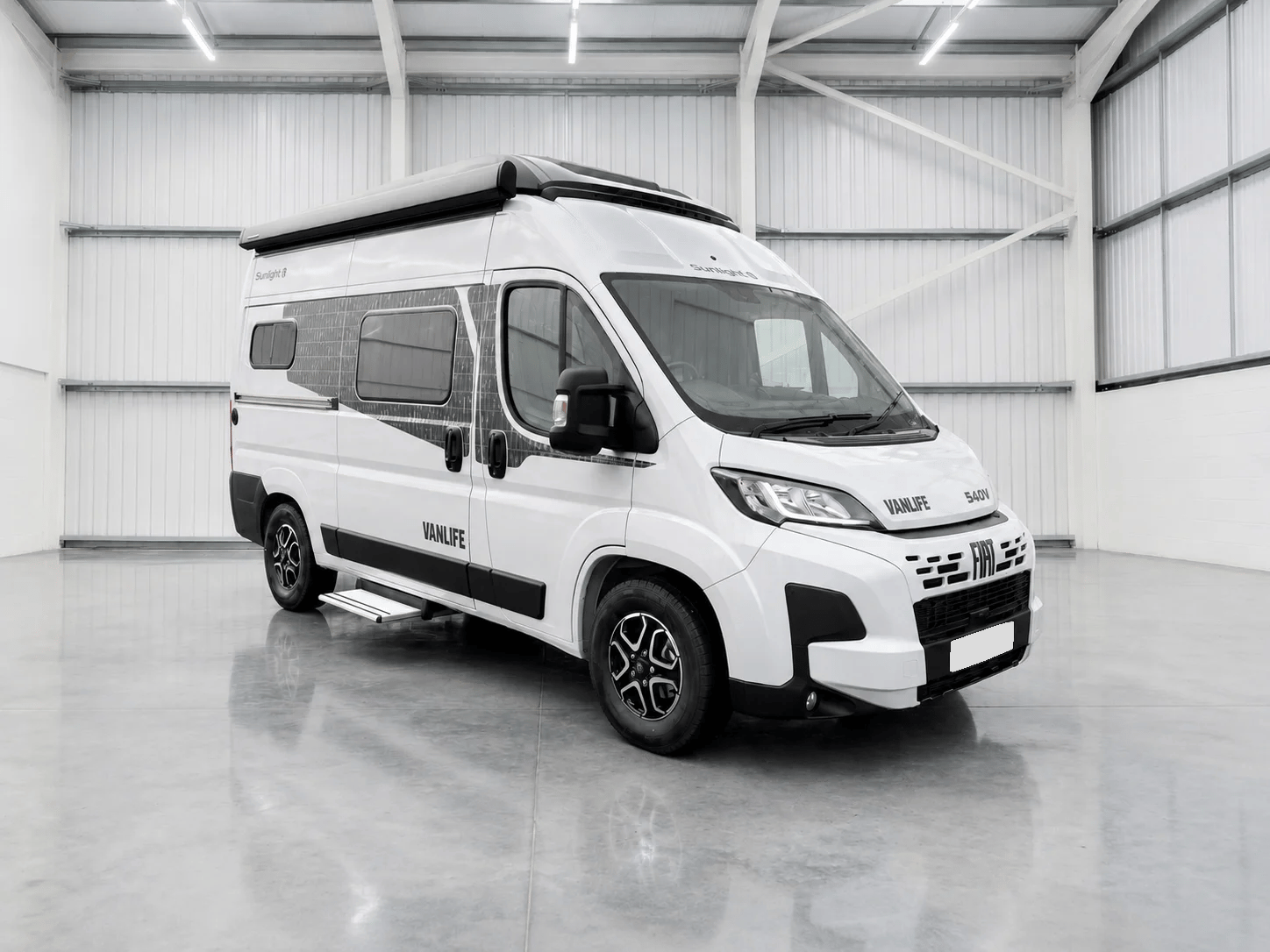
The camper you fall for is rarely the one you can afford. That gap is the whole reason Campervan.win exists. Right now we’re giving away the Sunlight Vanlife, worth around £65,000, and closing that gap is the point: capped entries so the odds stay honest, £10 a ticket, a maximum of five per person, £500 to a UK charity from every full draw, the winner picked by a public randomness beacon anyone can re-check, and one person driving away in the van itself.
Enjoyed this post?
Get more honest campervan guides like this one in your inbox.
You’re in!
Check your inbox. We’ve just sent you a welcome email.

About the author
Arthur
Arthur writes buying guides, comparisons, and in-depth explainers to help readers choose the right campervan or motorhome with confidence.
Keep Reading
Related Reading
Thoughtful articles that build on what you’ve just read.
Motorhome Buying Guides
12 min read
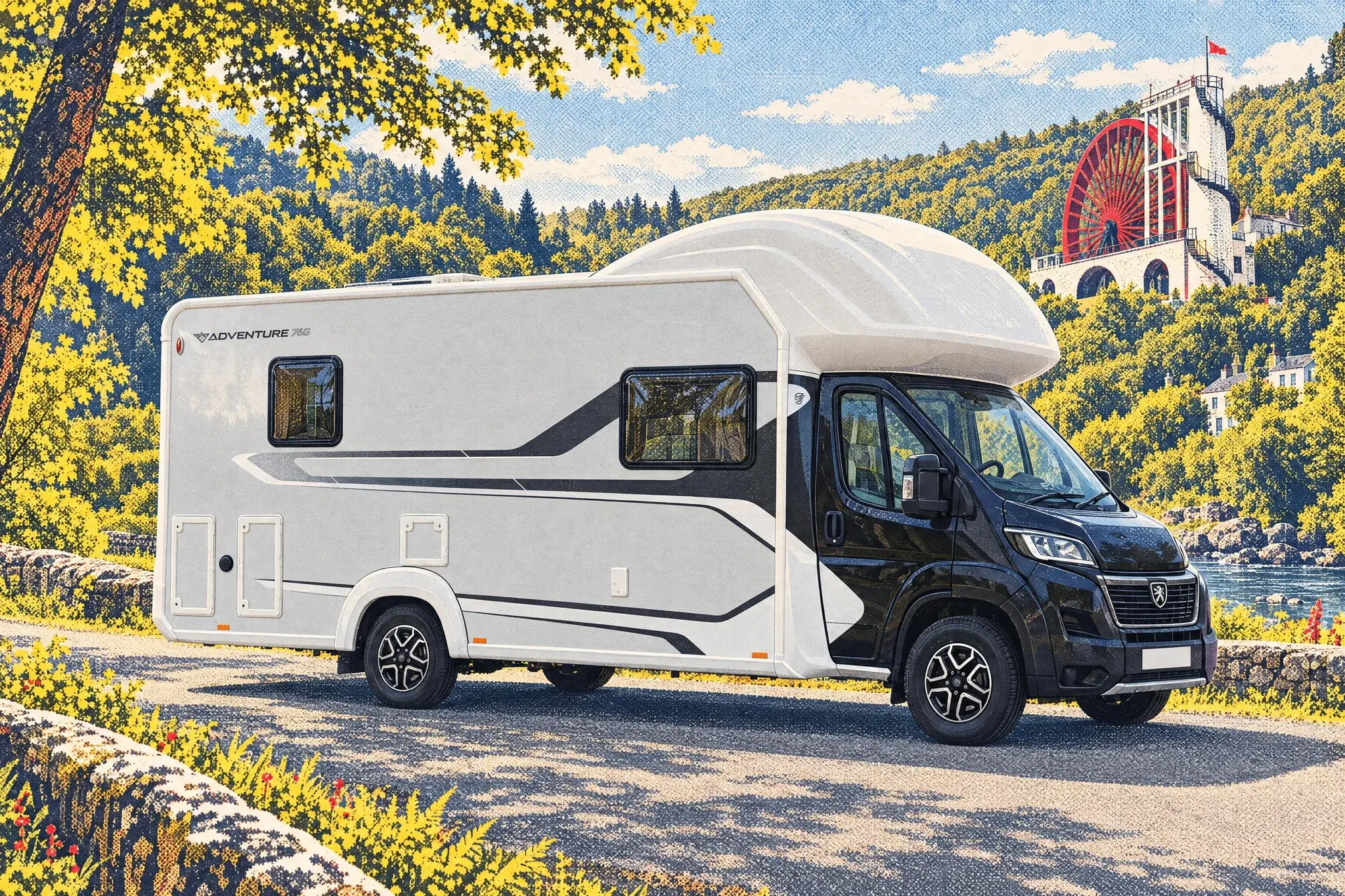
Auto-Trail Adventure 2027: the overcab is back, and two options change your licence
Auto-Trail's new Adventure coachbuilt puts a permanent bed over the cab of a Peugeot Boxer and prices the long models at £71,000 ex-works. Here is why that layout suits a family of four, and the weight, licence and payload questions to settle before you sign.
Motorhome Buying Guides
14 min read
Family motorhomes at the NEC for 2027: belts, beds and the payload sum that decides them
The 2027 family layouts at the NEC sleep four to seven, but the numbers that decide whether they work for your family are the belted seats, the Isofix points and the weight left once everyone is aboard. We do the sums model by model.
Motorhome Buying Guides
10 min read
Buying a motorhome at the NEC: what you commit to when you sign on the stand
A plain-English explainer on what a signature on a show stand at the NEC commits you to: cancellation rights that are not as clear as people think, what happens to a deposit, why withdrawing from finance does not cancel the van, why Section 75 rarely covers a motorhome deposit, and your rights if the van arrives faulty.
Motorhome Buying Guides
9 min read
NEC show offers 2026: how to judge the Auto-Sleepers, Auto-Trail and Marquis deals
The October 2026 NEC show offers from Auto-Sleepers, Auto-Trail dealers and Marquis Leisure, decoded: what each free pack is worth to you, what it weighs, what a heavier plate means for your licence and tax, and the questions to settle before you sign.