
McLouis explained: the Italian budget A-class and whether it suits UK buyers

Written by
Arthur
Arthur writes buying guides, comparisons, and in-depth explainers to help readers choose the right campervan or motorhome with confidence.
The short answer
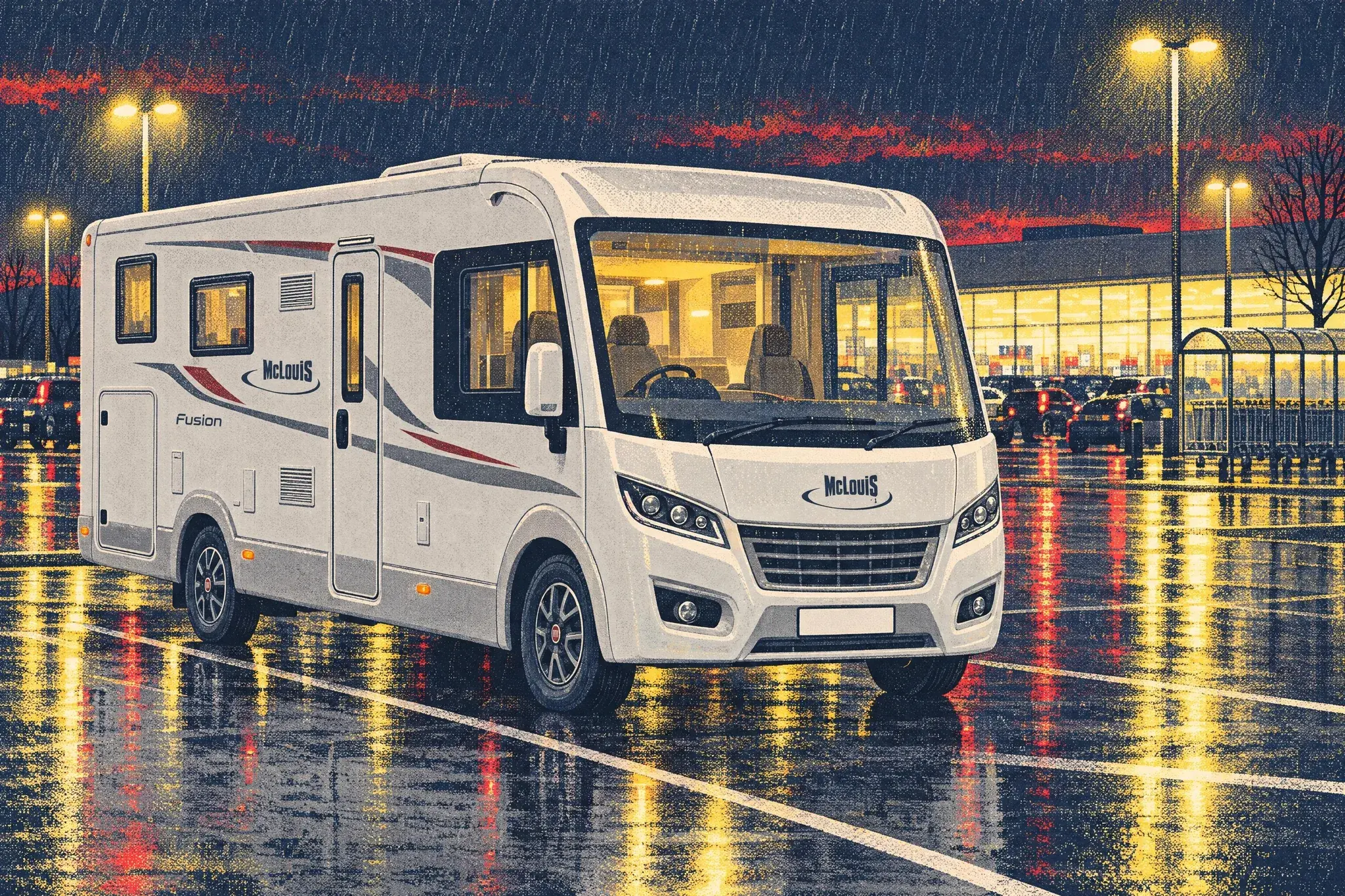
McLouis is an Italian motorhome brand, part of the big Trigano group, that does something genuinely useful: it puts the spacious A-class body style within reach of a lower budget by sharing components across the group and building on the familiar Fiat chassis. The catches for UK buyers are not mechanical but British, most are left-hand drive, which often puts the habitation door on the road side, payload can be tight at 3,500kg, and a heavier-plated van brings the C1 licence into play. None of that is a dealbreaker if you tour the way it suits, and it can be one of the best-value routes into a full A-class on the UK scene. Do the payload sum, a damp test and a test drive, and here is how to tell if it fits your life.

If you have ever browsed a UK motorhome forecourt and spotted a smart-looking A-class with a price that made you do a double take, there is a fair chance it carried a McLouis badge. McLouis is an Italian brand that has built a reputation on one simple promise: give buyers a lot of motorhome for the money. That promise is real, but it comes with a set of trade-offs that matter a great deal more in Britain than they do on the open roads of southern Europe.
This guide explains who McLouis actually is, how the ranges fit together, what an A-class even means, and the specific things a UK buyer should weigh up before signing anything. We will talk about layouts, base vehicles, payload, left-hand drive, habitation doors, parts, servicing, gas, damp, depreciation and the long game of living with a continental motorhome on British roads. The aim is to leave you able to judge whether a McLouis is the right call for you, not to nudge you one way or the other.
Who McLouis actually is
McLouis is an Italian motorhome maker based in central Italy, and it sits within the Trigano group, one of the largest leisure-vehicle businesses in Europe. That ownership matters more than it might sound. Being part of a big group means McLouis shares engineering, supply chains and components with a wide family of brands. Furniture systems, windows, roof lights, water tanks and heating units are often common parts rather than bespoke pieces, which is one of the reasons the prices can be kept sensible.
The brand has been around for decades and has gone through several phases. Older McLouis models, going back fifteen or twenty years, turn up regularly on the UK used market, often as well-travelled A-class vans at tempting money. The more recent ranges have been tidied up considerably in terms of styling and build, and the brand now positions itself clearly as a value choice. That is the honest headline. McLouis is not trying to be the most luxurious name on the field, and it does not pretend to be. It aims to deliver a complete, usable motorhome at a keener price than many alternatives, and on that measure it largely succeeds.
It helps to understand the Italian motorhome tradition more broadly. Italy is a powerhouse of motorhome manufacturing, partly because the Fiat Ducato, the base vehicle under the vast majority of European motorhomes, is built in Italy. Italian builders have decades of experience packaging living space onto that chassis, and they tend to favour airy, light interiors with generous garages and a relaxed, holiday feel. McLouis fits squarely into that culture.
What an A-class actually is
Before going further, it is worth being clear about terms, because they get used loosely and they change what you are buying.
Coachbuilt
A coachbuilt motorhome keeps the original cab of the base vehicle, the metal cab you would recognise from a Fiat Ducato or similar van, and builds a wider, taller living body behind it. You can usually spot a coachbuilt by the overcab area, which is often either a fixed double bed pod above the cab or a smoother aerodynamic moulding. These are the most common motorhomes on UK roads because they balance cost, space and ease of driving.
Semi-integrated, or low-profile
A semi-integrated, also called low-profile, is a coachbuilt without the bulky overcab pod. The roofline sweeps down over the cab in a low, neat profile. You keep the original metal cab and windscreen, but you lose the overcab bed, gaining better aerodynamics and a more car-like look. Many buyers prefer these for the cleaner styling and slightly easier handling.
A-class
An A-class throws away the original van cab entirely. The whole front of the vehicle, including the windscreen, dashboard and bodywork, is built fresh by the motorhome manufacturer. You sit behind a huge, panoramic windscreen, the body is full width all the way to the front, and the result feels far more like a small motorhome built from scratch than a converted van.
A-class motorhomes are usually the premium body style. They give a commanding view, the largest interior volume, often a drop-down bed over the cab that disappears into the ceiling during the day, and a sense of being in a proper home on wheels. Historically they have also been the most expensive body style, which is exactly why McLouis is interesting. The brand has long offered A-class layouts at prices that bring that body style within reach of buyers who assumed it was out of their range.
The simple way to remember it: a coachbuilt and a low-profile keep the van's own cab. An A-class replaces the cab completely with a purpose-built front end and a giant windscreen.
The McLouis ranges, in plain English
McLouis ranges have shifted names over the years, so the exact badge you see will depend on the model year. Rather than pretend a single line-up is fixed forever, it is more useful to understand the tiers, because the brand tends to organise its products by ambition and price.
The value coachbuilt and low-profile range
At the accessible end, McLouis offers coachbuilt and low-profile models that aim to be a complete touring motorhome without frills. Expect a fixed layout, a workable kitchen, a washroom, and either a rear bedroom or a rear garage with beds above. These are the models that most directly compete on price, and they are where the brand's value reputation is built. The Nevis name has been used for this kind of practical, well-priced coachbuilt and low-profile family.
The flagship A-class range
Higher up, McLouis offers A-class models with the full panoramic cab, the drop-down bed, and more generous living space. The Fusion name has been associated with a smarter, more contemporary range that includes both low-profile and A-class shapes. When people talk about the McLouis budget A-class, this is usually the territory they mean: a full A-class body with a drop-down bed and a proper garage, but priced to undercut a chunk of the market.
Compact and crossover models
McLouis has also offered more compact models aimed at buyers who want something easier to drive and park, sometimes badged with names like MC4. These sit between a panel-van conversion and a full coachbuilt in feel, giving family-friendly space in a body that is a little less intimidating on a narrow lane.
Whatever the badge on the van you are looking at, the principle holds. Work out the body style first, A-class, low-profile or coachbuilt, then work out the layout, then judge the value. The name on the side matters less than those three things.
The base vehicle under it all
Almost every European motorhome, McLouis included, is built on one of a small number of commercial chassis. The dominant one is the Fiat Ducato, sold in motorhome-specific form as a chassis cab with a wide track and a low-line frame designed for habitation bodies. You will also find Citroen and Peugeot versions of essentially the same vehicle, and some builders use Ford or Mercedes chassis on certain models.
This is good news for owners in several ways. The Ducato motorhome chassis is one of the most common base vehicles in Europe, which means independent specialists understand it, parts are widely available, and the mechanicals are well proven. Engines are typically a 2.2 or 2.3 litre turbo diesel in a range of power outputs, from around 120 horsepower up to 180 or so, paired with either a manual gearbox or an automated manual.
Why the chassis choice matters for you
- Servicing. A common chassis means servicing is straightforward at commercial-vehicle specialists and many independent garages, not only at a single dealer.
- Parts. Wear items, filters, brakes and common sensors are easy to source, which keeps running costs sane.
- Driving feel. These chassis drive much like a large van. If you are comfortable in a big estate car or a small van, the transition is manageable, though an A-class feels wider and taller than a low-profile.
- Engine and gearbox choice. If you can, look for the more powerful engines and the automated gearbox on heavier A-class models. A fully loaded A-class is a substantial weight to haul up a long motorway climb, and the extra torque is welcome.
One practical note. The automated gearboxes fitted to these chassis are not conventional torque-converter automatics. They shift a single clutch automatically, which is smooth enough most of the time but can feel hesitant on steep starts. Many owners love them for relaxed touring. Test one before you decide, because the feel divides opinion.
The single biggest UK issue: left-hand drive
Here is the point that matters most for British buyers, and it is the reason so many people research McLouis carefully before committing. Most McLouis motorhomes were built for the European market and are therefore left-hand drive. That is not a fault, and it is not unusual for a continental brand. But it changes daily life in Britain in ways you should think through honestly.
What left-hand drive actually means day to day
- Overtaking. On single carriageway roads, the driver sits on the kerb side, so your view past the vehicle in front is reduced. Overtaking a tractor or a slow lorry needs more patience and a passenger who can help, or you simply wait for a dual carriageway.
- Toll booths, car parks and drive-throughs. Anything designed for a driver on the right side of the vehicle becomes awkward. You learn to keep a window down and a long arm ready, or you accept that the passenger handles tickets.
- Roundabouts and junctions. Judging the nearside kerb is easy, but judging gaps to your right takes adjustment. Most drivers adapt within a few hundred miles, but it is a real learning curve.
- Continental touring. The flip side is genuinely positive. If you spend serious time touring France, Spain, Italy or beyond, a left-hand drive vehicle is actually safer and easier over there, because you are on the correct side for the local roads.
Some McLouis models have been brought to the UK in right-hand drive, either built that way for the British market or converted. A factory right-hand drive vehicle is the cleaner option because the dashboard, controls and wiper sweep are all designed for it. Always confirm which you are looking at, and never assume from the photos.
The habitation door problem
This one catches people out. On a left-hand drive European motorhome, the habitation door, the door you actually live through, is usually on the right-hand side of the vehicle. That is the kerb side in mainland Europe, but it is the road side in Britain.
Think about what that means on a typical UK pitch or a layby. You park up, and the door that lets you and the children and the dog in and out opens towards passing traffic rather than onto the grass. On a campsite with angled pitches it can be a minor nuisance. On a roadside stop it is a genuine safety consideration. Some UK-market McLouis vans were configured with the habitation door on the left to suit British roads, and those are worth seeking out if door position matters to you, which for many families it should.
None of this is a reason to rule McLouis out. Plenty of happy owners drive left-hand drive continental motorhomes around Britain every year. But you should go in with your eyes open, and ideally drive one before you buy so the layout and the door side are real to you rather than theoretical.
Layouts: what you actually live in
The body style sets the shape, but the layout decides whether the van suits your life. McLouis offers the familiar continental floor plans, and the same logic applies to almost any motorhome, so it is worth working through the main types.
The drop-down bed A-class with a rear lounge or beds
A classic A-class trick is the electric drop-down bed that lowers from the ceiling above the cab at night and rises out of sight during the day. This is brilliant for space, because it gives you a permanent double bed without sacrificing a fixed bed elsewhere. Combine it with a rear lounge and you get a sociable, flexible van that sleeps several. The trade-off is that you make the bed up each night, and the lowered bed sits over the cab seats, so the front is out of use while you sleep.
Fixed rear bed with a garage beneath
Hugely popular for couples. A permanent transverse or French bed sits at the back, with a large external storage garage underneath accessed by a side hatch. The garage swallows bikes, chairs, an awning and all the bulky kit that otherwise clutters the living space. The fixed bed means no nightly making up, which is a quiet luxury after a long day.
Twin single beds at the rear
Two single beds across the back, often convertible into a large double with an infill. Great if you and your travelling partner prefer your own space, or if you want easy access without climbing over anyone. The washroom usually sits between the beds and the living area, which makes night-time trips simple.
Island bed
A walk-around double bed at the rear, like a bedroom at home. Comfortable and grown-up, but it eats length, so island-bed vans tend to be longer and therefore harder to park and pitch. Lovely for two people touring at a relaxed pace.
Rear lounge
A horseshoe or L-shaped seating area at the back, giving a sociable space and a view. Good for daytime living and entertaining, and it usually converts to beds at night. The compromise is the nightly conversion and slightly less dedicated storage.
When you assess a McLouis layout, sit in it for real. Lie on the bed with your shoes off. Sit on the loo with the door closed to check knee room. Stand at the hob and pretend to cook. Open the wardrobe and imagine a fortnight of clothes in it. A floor plan that looks generous in a brochure can feel cramped in person, and the reverse is also true.
Payload: the number that quietly decides everything
If there is one technical figure that should keep you honest, it is payload. Payload is the difference between what the motorhome weighs empty and what it is legally allowed to weigh fully loaded. Everything you add eats into it: water, gas, food, clothes, bikes, an awning, levelling ramps, a generator, the dog and the people.
How the weights work
- MTPLM is the maximum technically permissible laden mass, the legal ceiling for the loaded vehicle. For many motorhomes this is 3,500kg, which keeps the vehicle drivable on a standard car licence for many drivers.
- MIRO is the mass in running order, roughly the empty weight including driver, some fuel and a portion of water and gas, depending on how the manufacturer defines it.
- Payload is the gap between the two. It must cover passengers beyond the driver, all your belongings, and any extras fitted.
Italian A-class motorhomes can be heavier to start with than a simple low-profile, because the bespoke cab, the larger body and the extra fittings add mass. That can leave a tight payload on a 3,500kg model once it is loaded for a family holiday. Read the actual plated weights for the specific van, not the brochure average, because options and extras change the number. A bike rack, a satellite dish, a tow bar and a full water tank can disappear hundreds of kilograms before you have packed a single bag.
The 3,500kg versus uprating question
Many McLouis A-class models can be ordered or plated at a higher gross weight, often up to 3,850kg or even higher with a chassis upgrade. A higher plate gives you breathing room on payload, which is genuinely valuable on a heavier A-class. The catch is the licence.
If you passed your car test before 1 January 1997, you almost certainly hold grandfather rights that let you drive vehicles up to 7,500kg. If you passed after that date, your standard car licence covers vehicles up to 3,500kg only. To drive heavier, you need the C1 category, which means an additional test and a medical. So a heavier-plated McLouis can solve the payload problem for an older driver with grandfather rights, while for a younger driver it can create a licensing problem instead. Work out which camp you are in before you fall for a van you cannot legally drive loaded.
Bottom line on weight: find the real payload on the actual van, then mentally load it with your real kit and your real passengers. If the sum does not work at 3,500kg and you do not hold a C1, walk away or look at a lighter layout.
Build quality and the things that age
McLouis sits at the value end, and you can feel that in places. The furniture and finishes are decent rather than plush, the fittings are functional, and the brand uses common components rather than bespoke luxury parts. That is exactly why it is affordable, and for many buyers it is a fair trade. What matters more is how the structure holds up over years of British weather, because that is what protects the value and your comfort.
Damp is the enemy
Water ingress is the single biggest long-term threat to any coachbuilt or A-class motorhome, regardless of badge. British weather is relentless, and a leak that starts small can rot a floor or a wall over a couple of winters. The risk areas are the same on almost every motorhome:
- Roof seams and the joints around roof lights and aerials.
- The seal around the habitation door and service hatches.
- Window surrounds, especially the large ones.
- The join between the cab and the habitation body on coachbuilt vans, and around the bonded front end on an A-class.
- The rear panel and light clusters.
The defence is simple and non-negotiable. Get a professional damp check before you buy any used motorhome, and keep up annual habitation servicing afterwards. A damp report with low, consistent readings is worth far more than a shiny interior. Modern bonded construction methods used on newer models resist water better than older timber-framed bodies, so a more recent van is generally a safer bet here.
Fit, finish and the small stuff
On a budget build you may notice catches that feel light, trim that is plain, and the occasional rattle on rough roads. These are cosmetic rather than structural, and many owners simply tighten, tweak and live happily with them. What you should not accept is anything that affects watertightness, gas safety or the chassis. Be relaxed about a slightly basic cupboard hinge. Be ruthless about a soft floor or a suspect seal.
Heating, gas and the continental quirks
Continental motorhomes are usually well set up for warm climates and long summer touring, and the systems reflect that. Most McLouis vans use a blown-air heating system running on gas, sometimes with the option of a diesel heater. Hot water is typically gas-fired, and there is a fridge that runs on gas or electricity.
The gas bottle question
This is a quirk that trips up British owners. Many continental motorhomes are built around the gas systems common in mainland Europe, which can differ from the UK standard bottles and regulators. You may find the gas locker sized for European bottles, or fitted with a regulator and connections set up for the continent. Sorting this for British use is usually straightforward, with a UK-pattern regulator and the right hoses or an adaptor, but it is a job to confirm rather than assume. If you tour Europe a lot, a refillable LPG system is worth considering, because it lets you fill up at the pump across most of the continent and avoids the whole bottle-compatibility headache.
Cold-weather readiness
A van designed mainly for the Mediterranean may have water pipes and tanks that are less protected against hard frost than a van designed for Scandinavian winters. If you plan to use a McLouis through a British winter, check where the fresh and waste tanks sit, whether they are insulated or heated, and how exposed the pipework is. Many owners tour spring to autumn and put the van away for the worst of winter, in which case this matters less. If you want to ski or chase frosty weekends, look closely at the winterisation.
Buying new in the UK
Buying a continental brand new in Britain works through importing dealers who bring vehicles in and prepare them for the UK market. The good ones handle registration, fit a UK-pattern gas system if needed, sort out the habitation door and lighting requirements, and give you a proper handover. The right-hand drive question is central here, so establish early whether the model and layout you want is available in right-hand drive or only left-hand drive.
What to nail down before you order new
- Drive side. Right-hand drive if you want it, confirmed in writing.
- Habitation door side. Left side for UK kerbside access if that matters to you.
- Plated weight and payload. The real numbers for your spec, with the options you want fitted.
- Gas system. UK regulator and bottle compatibility, or a refillable LPG fit.
- Warranty. Both the base vehicle warranty and the habitation warranty, including who honours them and where you take the van for warranty work.
- Servicing. Where habitation servicing will be done and what it costs, because skipping it can void the body warranty.
The appeal of buying a value brand new is that you get a fresh, dry, warranted van for a price that can sit well below the premium names. The risk is the support network. A common chassis means mechanical servicing is easy anywhere, but habitation parts for a continental brand can take longer to arrive than for a brand with a dense UK dealer presence. Ask the dealer directly how they handle parts and how long a typical habitation repair takes. A straight answer tells you a lot.
Buying used in the UK
The used market is where McLouis often makes the most sense, because the value proposition compounds. A used continental A-class can offer a remarkable amount of motorhome for the money, especially if it is left-hand drive, because left-hand drive vehicles tend to sell for less in Britain than the equivalent right-hand drive.
The left-hand drive discount
That discount is a double-edged sword. You buy in at a lower price, which is great. But when you sell, the same discount applies, so you will likely sell at a lower price too. If you keep the van for many years and use it heavily, especially in Europe, the lower entry price can be a genuine win. If you expect to chop and change every couple of years, the narrower buyer pool for left-hand drive can make resale slower. Think about your likely ownership length honestly.
The used inspection checklist
- Damp test. Non-negotiable. Get a meter on every wall, the floor, around windows and roof lights, and around the door. Low and consistent readings only.
- Habitation service history. A folder of annual habitation checks is gold. It shows the van has been looked after where it counts.
- Base vehicle history. MOT record, mileage consistency, cambelt history if applicable, and evidence of regular servicing.
- Gas safety. A current gas safety report, or budget to get one done. Check the regulator and bottle setup for UK use.
- Electrics. Test the leisure battery, the charger, the lighting, the water pump, the fridge on all power sources, and the heating. Run them for long enough to be sure they actually work, not just light up.
- Seals and seams. Walk around looking for cracked sealant, lifting trims and any sign of past water repair. Look inside lockers and lift cushions.
- Tyres. Motorhome tyres age out before they wear out. Check the date codes. Tyres older than around five to seven years should be on your radar regardless of tread, because the rubber degrades while the van sits.
- Underneath. Check the chassis for corrosion, especially on a van that has wintered in Britain with road salt.
- Payload plate. Confirm the plated weights and do your loading sum.
If a seller resists a damp test or cannot produce habitation history, treat that as the answer to your question and keep looking. There are plenty of well-kept examples about, and patience pays.
Running costs and the real picture
A motorhome costs money to own even when it is parked. None of this is unique to McLouis, but the value buyer often comes to motorhoming for the first time, so it is worth laying out plainly.
The recurring costs
- Insurance. Specialist motorhome insurance is sensible. Left-hand drive can affect premiums and the pool of insurers, so get quotes before you buy, not after.
- Servicing. Budget for both the base vehicle service and the annual habitation service. The habitation check is the one that protects your damp warranty and catches problems early.
- Storage. Unless you have a long driveway, secure storage is a real annual cost. CaSSOA-rated sites give peace of mind and can help with insurance.
- Fuel. A heavy A-class will not sip diesel. Expect mid-to-high twenties to the gallon depending on engine, weight and how you drive. Going gently makes a real difference.
- Tyres and consumables. Age-related tyre replacement, habitation battery, and the slow drip of small parts.
- Tolls, ferries and pitches. The fun costs, but costs nonetheless, especially for continental touring.
Depreciation
This is where the value argument gets interesting. A van that costs less to buy has less value to lose in cash terms, even if the percentage drop is similar. Continental and left-hand drive vehicles can hold a steadier line in later years precisely because they entered the market at a lower price. The biggest depreciation hits any motorhome in its early life, so buying a few years old lets someone else absorb that first drop. For a budget-minded buyer, a well-kept used McLouis a few years old can be one of the more sensible ways into a full A-class.
Who a McLouis suits, and who it does not
Let us be direct, because that is more useful than a fence-sitting summary.
A McLouis tends to suit
- Buyers who want A-class space for less. If the panoramic cab and drop-down bed appeal but the premium prices do not, this brand brings that body style closer.
- Keen continental tourers. If you spend long stretches in France, Spain, Italy or beyond, a left-hand drive continental van is an advantage, not a drawback.
- Long-term keepers. If you buy to keep and use for many years, the lower entry price and steady later-life value work in your favour.
- Practical buyers. If you care about layout, garage space and usable systems more than plush trim and a prestige badge, the value lands well.
A McLouis is less likely to suit
- Drivers nervous about left-hand drive. If you cannot find a right-hand drive example and the idea of overtaking from the kerb side worries you, be honest with yourself.
- Frequent traders. If you change vans every couple of years, the narrower resale pool for left-hand drive can slow you down.
- Hard winter users. If you want serious cold-weather touring, check the winterisation carefully or look at a van built specifically for it.
- Buyers who want a dense local dealer network. If you value a manufacturer service point on your doorstep, a continental brand asks a little more planning of you.
Common mistakes buyers make
Having read around the subject and watched plenty of people go through the process, the same avoidable errors come up again and again.
Falling for the price before the payload
The price grabs you. The payload decides whether the van actually works for your family. Always do the loading sum before you fall in love.
Ignoring the door side
People look at the kitchen and the bed and forget to check which side the habitation door is on. On a UK pitch with the door opening to the road, that oversight becomes a daily irritation and a safety question. Check it early.
Skipping the damp test on a used van
A clean interior tells you nothing about what is happening inside the walls. The meter tells you the truth. Never skip it.
Assuming left-hand drive will be fine without trying it
Some people adapt to left-hand drive in an afternoon and never look back. Others find it stressful on British lanes. You will not know which you are until you drive one, so drive one before you commit.
Forgetting the gas and the licence
The gas system may need a UK tweak, and a heavier-plated van may need a C1 licence. Both are simple to check and expensive to discover too late.
How a McLouis compares in feel
Without naming or knocking any rival, it helps to describe the general flavour of an Italian value A-class against the wider market, so you know what to expect when you step inside.
The interiors tend to feel light and holiday-bright, with pale woods and large windows that flood the space with sun. The mood is relaxed Mediterranean rather than cosy alpine. Storage is usually generous, the garages are a strong point, and the layouts are designed for sociable touring. Against more expensive brands you will notice plainer materials and simpler fittings, and against the very heaviest-built winter vans you will notice lighter insulation and construction. None of that is a flaw. It is the deliberate result of building a complete, capable motorhome at a price that more people can reach.
The honest summary is that you are trading a little plushness and a little prestige for a lot of usable van per pound. Whether that trade is right for you depends entirely on what you value. There is no wrong answer, only the answer that fits your touring.
Living with one: the realistic week
Picture a fortnight away in a McLouis A-class. You load the garage with two bikes, the chairs and the awning, leaving the living space clear. You fill the water to half, because a full tank is a lot of weight to carry on a long drive and you can top up on site. You set off, and the first hour reminds you that the van is wide and tall, so you give yourself room and you take it steady.
On the motorway it settles into a relaxed cruise. The panoramic windscreen gives a view that a coachbuilt cannot match, and the drop-down bed sits tucked into the ceiling so the front feels open and airy. You stop at services, and you remember that the habitation door is on the right, so you park with care and use the passenger to manage the kerb. At the campsite you pitch, drop the bed at bedtime, and enjoy a proper double without having moved a single cushion in the lounge.
The fridge keeps the milk cold on gas while you drive and on hook-up when you arrive. The heating warms the van quickly on a cool evening. The garage means the bikes and the wet awning live outside the living space, which keeps the inside civilised. None of this is dramatic. It is just easy, comfortable touring, which is exactly the point.
The friction points are the ones we have already named. The kerbside door on a roadside stop. The patience needed to overtake on a single carriageway. The loading sum that keeps you under the plate. Manage those, and the van rewards you with space and comfort that punch well above its price.
A note on the used market and patience
Because left-hand drive continental A-class vans appeal to a narrower group of UK buyers, you will sometimes find a genuinely well-kept example sitting on a forecourt at sensible money while right-hand drive equivalents sell quickly. For the buyer who is relaxed about drive side and plans to keep the van, that is an opportunity. Set your search wide, be ready to travel to view, and let the damp report and the service history make the decision for you rather than the photos.
If you are buying privately, the same rules apply with extra caution. Take a knowledgeable friend, a torch, a damp meter if you can, and a calm willingness to walk away. The van that is right for you will still be there next week, or another one will, and the worst purchases are the rushed ones.
The bottom line for UK buyers
McLouis does exactly what it sets out to do. It puts the A-class body style, with its panoramic cab, drop-down bed and generous garage, within reach of buyers who assumed that shape was beyond their budget. The brand sits within a large European group, builds on the common and well-supported chassis that underpins most motorhomes, and delivers a complete, usable van for keen money. For practical buyers, long-term keepers and committed continental tourers, it can be a smart, sensible choice.
The catches are real and they are British in nature. Left-hand drive changes daily driving and, on most models, puts the habitation door on the road side rather than the kerb. Payload can be tight on a heavier A-class at 3,500kg, and uprating brings the C1 licence question into play. The gas system may need a UK tweak, winter readiness deserves a look, and the support network asks a little more planning than a brand with a dealer on every ring road. Used left-hand drive value cuts both ways, cheaper to buy and cheaper to sell.
So weigh it honestly against how you actually tour. If you want maximum space and comfort per pound, you are happy to adapt to left-hand drive or you can find a right-hand drive example, and you plan to keep and use the van rather than trade it often, a McLouis can be one of the better value routes into a full A-class on the UK scene. If left-hand drive worries you, you change vans frequently, or you want a prestige badge and a dealer next door, look elsewhere with a clear conscience. The right motorhome is the one that fits your life, your licence and your loading sum. Get those three right, do the damp test, drive it before you buy, and the badge on the side will matter a great deal less than the freedom it gives you.
Common questions
Who makes McLouis motorhomes?
McLouis is an Italian motorhome maker based in central Italy and part of the Trigano group, one of Europe's largest leisure-vehicle businesses. That group ownership lets it share furniture systems, windows, rooflights, tanks and heating units across many brands, which is a big reason its A-class motorhomes can be priced sensibly.
What is an A-class motorhome?
An A-class is the body style where the whole front of the vehicle, including a large panoramic windscreen, is built by the converter rather than using the original van cab. It usually gives a drop-down bed over the cab, a light and airy living space and a generous garage. It is the shape McLouis makes accessible at a lower price than most.
Is left-hand drive a problem on a McLouis in the UK?
It is the single biggest thing to weigh. Most McLouis vans are left-hand drive, which changes overtaking and junctions on British roads and, on many models, puts the habitation door on the road side rather than the kerb. Some buyers adapt happily, others should seek a right-hand-drive example or look elsewhere. Try one before you commit.
What licence do I need to drive a McLouis A-class?
A standard category B licence covers vehicles up to 3,500kg. Many McLouis A-class models can be plated higher, often 3,850kg or more with a chassis upgrade, which needs category C1. Drivers who passed before 1 January 1997 usually hold C1 automatically, while those who passed later need an extra test and medical.
Who does a McLouis suit, and who should avoid it?
It suits practical buyers who want maximum space and comfort per pound, are happy to adapt to left-hand drive or can find a right-hand-drive example, and plan to keep the van rather than trade often. It suits less well if left-hand drive worries you, you change vans frequently, or you want a prestige badge with a dealer on every ring road.
What should I check before buying a used McLouis?
Do the payload sum at the van's plated weight against what you will actually carry, insist on a damp test, confirm whether the gas system needs a UK adaptation, and take a proper test drive to be sure left-hand drive suits you. Left-hand-drive value cuts both ways: cheaper to buy and cheaper to sell.
The reachable bit
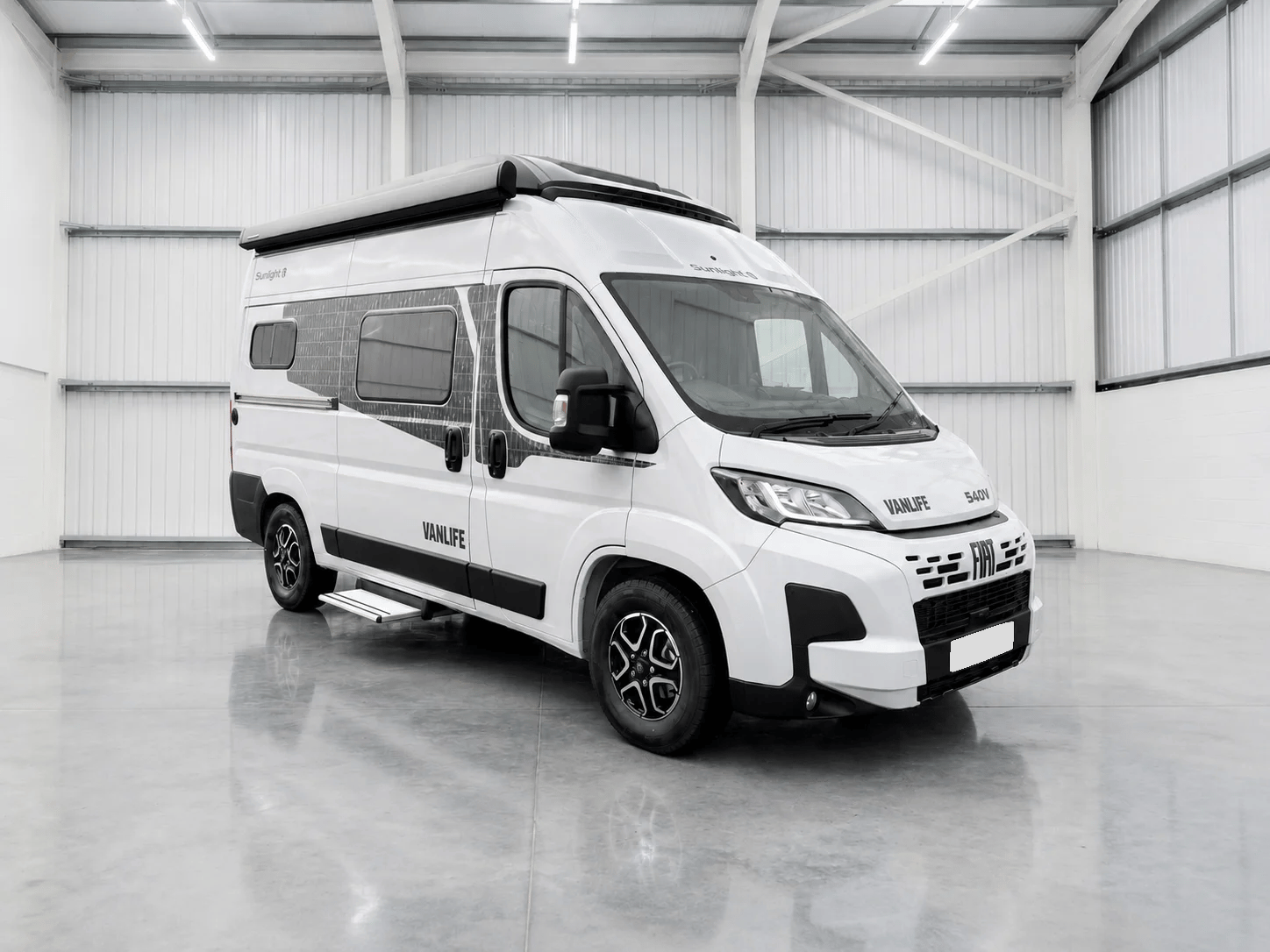
The camper you fall for is rarely the one you can afford. That gap is the whole reason Campervan.win exists. Right now we’re giving away the Sunlight Vanlife, worth around £65,000, and closing that gap is the point: capped entries so the odds stay honest, £10 a ticket, a maximum of five per person, £500 to a UK charity from every full draw, the winner picked by a public randomness beacon anyone can re-check, and one person driving away in the van itself.
Enjoyed this post?
Get more honest campervan guides like this one in your inbox.
You’re in!
Check your inbox. We’ve just sent you a welcome email.

About the author
Arthur
Arthur writes buying guides, comparisons, and in-depth explainers to help readers choose the right campervan or motorhome with confidence.
Keep Reading
Related Reading
Thoughtful articles that build on what you’ve just read.
Motorhome Buying Guides
12 min read
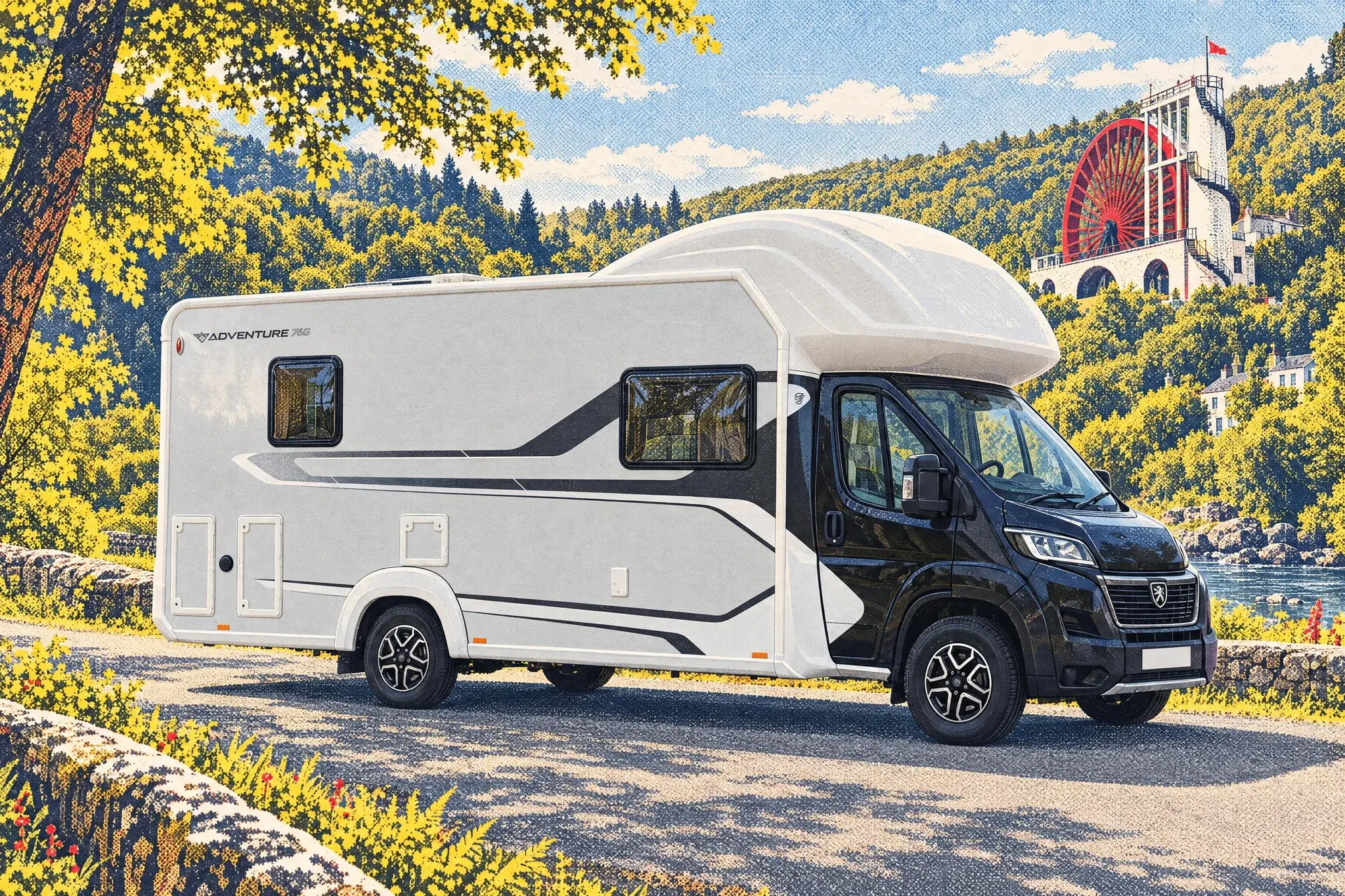
Auto-Trail Adventure 2027: the overcab is back, and two options change your licence
Auto-Trail's new Adventure coachbuilt puts a permanent bed over the cab of a Peugeot Boxer and prices the long models at £71,000 ex-works. Here is why that layout suits a family of four, and the weight, licence and payload questions to settle before you sign.
Motorhome Buying Guides
14 min read
Family motorhomes at the NEC for 2027: belts, beds and the payload sum that decides them
The 2027 family layouts at the NEC sleep four to seven, but the numbers that decide whether they work for your family are the belted seats, the Isofix points and the weight left once everyone is aboard. We do the sums model by model.
Motorhome Buying Guides
10 min read
Buying a motorhome at the NEC: what you commit to when you sign on the stand
A plain-English explainer on what a signature on a show stand at the NEC commits you to: cancellation rights that are not as clear as people think, what happens to a deposit, why withdrawing from finance does not cancel the van, why Section 75 rarely covers a motorhome deposit, and your rights if the van arrives faulty.
Motorhome Buying Guides
9 min read
NEC show offers 2026: how to judge the Auto-Sleepers, Auto-Trail and Marquis deals
The October 2026 NEC show offers from Auto-Sleepers, Auto-Trail dealers and Marquis Leisure, decoded: what each free pack is worth to you, what it weighs, what a heavier plate means for your licence and tax, and the questions to settle before you sign.