
Motorhome Tech, Heating & Systems
Built-in WiFi and Alde heating: are connected, winterised motorhomes worth the premium?

Written by
Leo
Leo covers campervan technology, maintenance, kit, and ownership advice, with a clear, practical focus on how things work in real life.
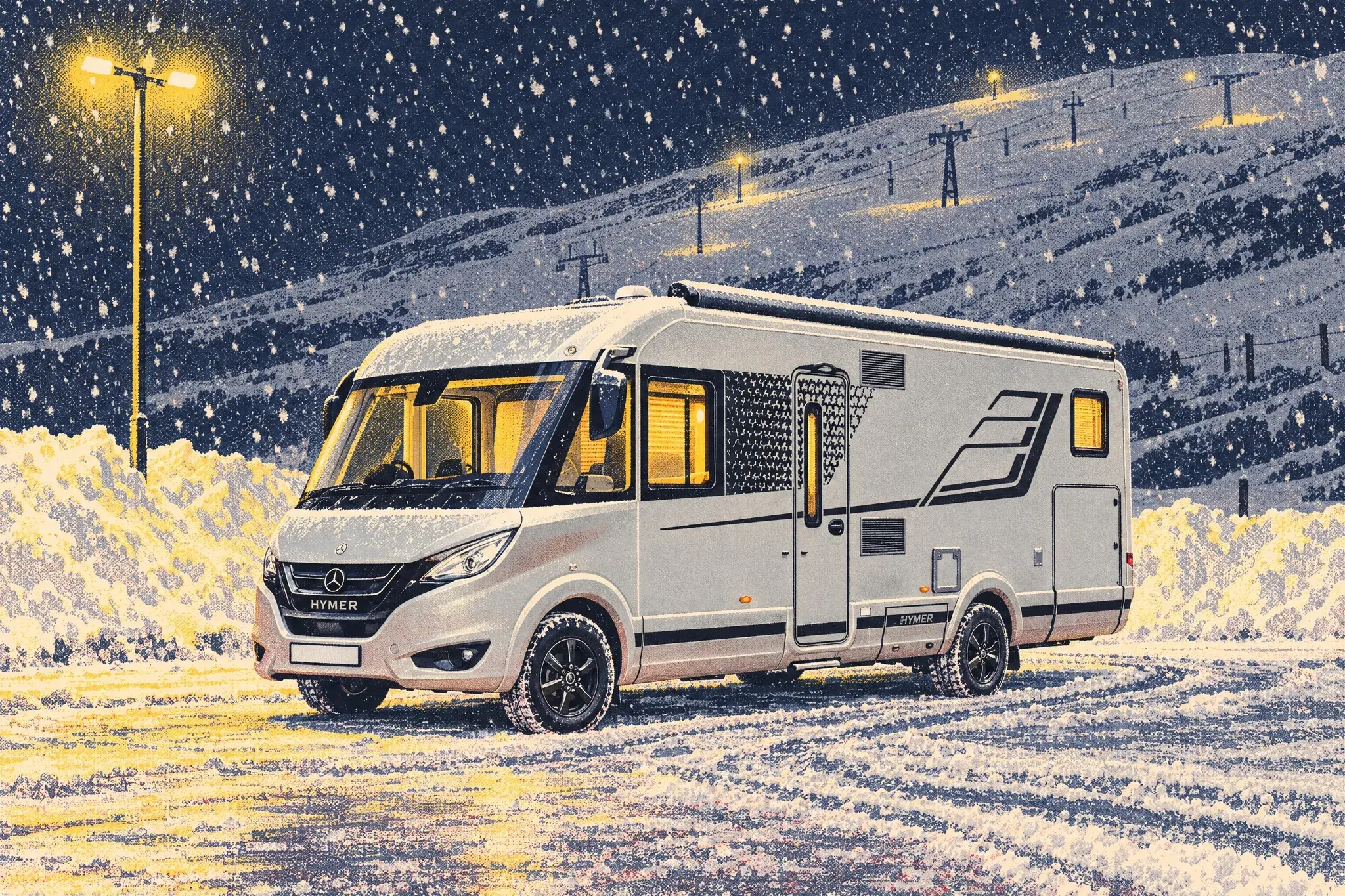
The short answer
Whether built-in Alde heating and WiFi are worth the premium comes down entirely to how you travel, and the honest answer is a freeing one: there is no shame in matching the spec to the life. Alde wet heating gives gentle, even, house-like warmth and typically adds around £1,500 to £3,500 over a blown-air van; factory connectivity adds roughly £500 to £1,500. If you chase the cold, live aboard for weeks or work from the road, both earn their keep every day and help resale. If you are a fair-weather weekender or tight on payload, a well-insulated blown-air van and a cheap aftermarket router make just as much sense, with the saved thousands going on solar, battery or simply more trips. Here are the real numbers, and how to pick the features you will actually use.

You are standing in a showroom or scrolling listings late at night, and two phrases keep appearing on the higher-priced vans: Alde central heating and built-in WiFi. They sound grown-up. They sound like the difference between a holiday toy and a proper home on wheels. But they also add thousands of pounds to the price, and nobody in a brochure tells you what that money truly buys or whether you will feel the benefit.
This guide cuts through it. We will explain exactly how Alde wet heating works and how it differs from the blown-air systems most vans use, what "connected" really means in a motorhome, what each costs to buy and to run, and how they behave in a cold British winter. Then we will give you an honest answer to the only question that matters: for the way you actually travel, are these features worth the premium, or are you paying for a spec sheet you will rarely use?
What we mean by a connected, winterised motorhome
Two separate ideas get bundled together in marketing, so let us pull them apart before we go further.
Winterised describes a van built to stay warm and usable when it is cold outside, and to survive frost without damage. In practice that means good insulation, heated and protected water systems, double glazing, and a heating system strong enough to keep the living space comfortable when it is below freezing. Alde central heating is the feature most associated with serious winterisation, though it is not the only path to it.
Connected describes a van with its own internet and, increasingly, app control over heating, lighting, battery levels and security. A built-in WiFi router with a roof antenna and a SIM card is the headline item, but connectivity now reaches into the heating panel, the leisure battery monitor and even the fridge.
You can have one without the other. A summer-only campervan can have brilliant WiFi and a basic heater. A hardcore winter van can be fully Alde-heated with no connectivity at all. The premium vans tend to combine both, which is why they get talked about together, but you should judge them separately because they solve completely different problems.
How Alde central heating actually works
Most motorhomes and campervans in the UK use blown-air heating, usually a diesel or gas heater that warms air and pushes it around the van through ducts. Alde is different. It is a wet central heating system, and it works much like the radiators in a house.
A boiler heats a mix of water and glycol (the same family of fluid as engine coolant). A small pump circulates that warm fluid through a closed loop of pipes that run around the van, usually behind the furniture at floor and skirting level, feeding slim convectors. The convectors give off a gentle, even heat. The same boiler also heats your domestic hot water through a heat exchanger, so one unit does both jobs.
The boiler can be powered by gas, by electric immersion when you are plugged into a campsite hook-up, or by both at once for a faster warm-up. That flexibility is one of Alde's quiet strengths. On a cold site with electric included in the pitch fee, you can run it largely on mains power and barely touch your gas.
Why people love the heat itself
The thing owners rave about is the quality of the warmth. Blown air heats the cabin quickly but unevenly, with warm gusts near the vents and cold patches further away, and it moves dust around. Alde is closer to the feeling of a centrally heated house: quiet, steady, and even from floor to ceiling. There is no fan roar at night, which matters more than you would think when you are trying to sleep in a tin box in January.
The single most common thing winter owners say about Alde is not about temperature at all. It is about silence. No fan cycling on and off through the night is a genuine comfort upgrade.
The trade-offs nobody mentions in the brochure
Alde is not magic, and it has real downsides you should weigh honestly.
- It is slow to warm up. Because you are heating a volume of fluid and then waiting for that to warm the air, an Alde system takes longer to bring a cold van up to temperature than blown air does. From freezing you might wait 30 to 45 minutes for real comfort, where blown air feels warm in 10. This matters if you arrive late and cold and want heat now.
- It is heavier. A boiler, pipework full of fluid, convectors and a header tank add weight, and weight is the currency you are always short of in a motorhome. More on payload later, because it is a bigger deal than most buyers realise.
- It needs servicing and maintenance. The glycol fluid needs checking and periodically changing, and the system has more parts than a simple heater. It is reliable, but it is not fit-and-forget.
- It costs more to buy and to repair. The premium is real, and we will put numbers on it shortly.
None of this makes Alde bad. It makes it a system with a clear purpose: comfortable, quiet, even heat for people who spend real time in cold conditions. If that is you, the trade-offs are worth swallowing. If it is not, you are paying for engineering you will not exploit.
Blown-air heating, the everyday alternative
It is only fair to describe what Alde is competing against, because for most UK buyers blown air is the default and it is genuinely good.
The common diesel and gas blown-air systems found in the majority of vans are compact, light, and very quick to heat a space. They draw fuel directly, which on a diesel system means you are using the same tank that drives the van, so there is no separate gas bottle to manage for heat. They are also cheaper to buy, lighter to carry, and simpler to fix.
The downsides are the uneven heat, the fan noise, and the dryness of forced warm air. Modern units are quieter than older ones, but a fan is a fan. For weekend and three-season use in the UK, a well-specified blown-air van keeps you perfectly warm. The gap only really opens up in sustained cold, where Alde's even, silent heat and stronger whole-van warmth pull ahead.
Hot water differences
Blown-air setups usually pair with a separate water heater, often a combined unit that does space heat and hot water in one box. These are excellent and produce plenty of hot water for a couple or a small family. Alde's advantage is that hot water and space heating come from the same boiler and the same heat store, so the integration is neater and the hot water tends to be generous. It is a refinement, not a revolution.
What "built-in WiFi" really means in a motorhome
WiFi in a van does not create internet out of thin air. It captures a mobile signal and shares it. A factory connectivity package usually includes three things working together:
- A roof-mounted antenna. This is the part that matters most. A good external 4G or 5G antenna mounted high on the roof pulls in far more signal than your phone sitting on the dashboard. In marginal-signal areas, which is most of the scenic UK, this is the difference between a usable connection and nothing.
- A router with a SIM slot. Inside the van, a router takes the antenna's signal and broadcasts a local WiFi network that your phones, tablets and laptops connect to. You insert a data SIM, just like a phone, and pay for data.
- Sometimes a WiFi repeater function. Many routers can also grab an external WiFi network, say a campsite's, and rebroadcast it more strongly inside the van. Useful, though site WiFi is often poor anyway.
The key point: built-in WiFi does not include free internet. You still pay for data through a SIM, the same as your phone. What you are buying is better signal capture, a stable network for multiple devices, and the convenience of having it all installed and tidy rather than a tangle of personal hotspots and window-stuck dongles.
Is it actually better than a phone hotspot?
For a casual weekend, a phone hotspot is fine. For longer trips, remote pitches, working from the van, or keeping several devices online at once, a proper roof antenna and router are noticeably better. Your phone's internal antenna is small and sits inside a metal box (the van), which blocks signal. A roof antenna sits in clear air and is tuned for the job. In a valley in mid-Wales or a glen in the Highlands, that can be the difference between two bars and none.
So the honest framing is: built-in WiFi is a convenience and a signal upgrade, not a source of internet. Whether it is worth paying for depends entirely on how much you rely on a connection when you are away.
The growing world of app control and connected systems
Connectivity has crept well beyond internet access. Newer vans increasingly offer app control over the van's systems, and this is where "connected" gets genuinely useful.
- Heating preheat. Turn the Alde or blown-air heating on from your phone before you walk back from the pub or the beach, so the van is warm when you arrive. In winter this is a small luxury that feels enormous.
- Battery and power monitoring. See your leisure battery state of charge, solar input and consumption on your phone, rather than squinting at a panel. Useful for off-grid trips where you are managing power carefully.
- Tank levels and temperatures. Fresh and waste water levels, fridge temperature, interior and exterior temperature, all on an app.
- Security and tracking. Some systems alert you to movement, door opening, or low battery, and a few integrate GPS tracking, which can please your insurer.
These features genuinely change how you use a van day to day. The heating preheat alone converts many sceptics. But remember that most of this depends on the van having a data connection, which loops back to the WiFi and SIM question. Connectivity is an ecosystem, and the pieces reinforce each other.
Real numbers: what the premium actually costs
Let us put pounds on the table, because "worth the premium" is meaningless without knowing the size of the premium. These are realistic UK ballpark figures for 2025 and 2026. Exact numbers vary by manufacturer, model and the way features are bundled, but the orders of magnitude are sound.
Alde heating premium
On a new motorhome, choosing a model that comes with Alde wet heating typically adds somewhere in the region of £1,500 to £3,500 over an equivalent blown-air model, depending on how the manufacturer packages it. Often Alde is not a tick-box option but a feature of higher trim levels or particular ranges, so you may be buying it as part of a more expensive van rather than as a standalone add-on. On the used market the difference is harder to isolate, but Alde-equipped vans hold their value well and command a premium that reflects this.
Connectivity premium
A factory-fitted roof antenna and router package usually adds £500 to £1,500 depending on whether it is 4G or 5G capable and how integrated it is. A full connected-systems package with app control over heating, power and tanks can push the figure higher, sometimes bundled into a technology pack worth a couple of thousand pounds that also includes other gadgets.
The aftermarket alternative
Here is the part the brochures skip. You can add both of these yourself, after purchase, often for less.
- A quality aftermarket 4G/5G router with an external roof antenna, professionally fitted, typically costs £250 to £600 all in. Self-fitted it can be less.
- A standalone diesel heater (the common compact type) fitted to a van without proper heating costs roughly £800 to £1,500 fitted, though this is blown air, not wet heat. You cannot easily retrofit a full Alde system to a van not designed for it; that is genuinely a factory decision.
This matters. Connectivity is easy and cheap to add later, so paying a big factory premium purely for WiFi rarely makes sense unless it is bundled with app control you genuinely want. Alde, by contrast, is essentially a buy-it-now-or-never decision, because retrofitting wet central heating into a van that was not built for it is impractical and not something the market really does.
Running costs: what each system costs to keep going
Buying is one thing. Living with it is another. Let us look at the ongoing reality.
Alde running and servicing
Fuel cost depends on how you run it. On gas, a winter weekend of heavy heating might get through a meaningful chunk of a gas bottle, but if you run on a campsite electric hook-up where power is included or cheap, your gas use drops to almost nothing for heating. That flexibility is a real money saver for people who use sites in winter.
Servicing is the cost to plan for. The glycol fluid should be checked regularly and changed periodically (manufacturers typically suggest every couple of years, and a professional fluid change with a service might cost £100 to £250 depending on who does it and what else is checked). Budget for this as part of ownership. A neglected Alde system can develop problems that are more expensive to fix than a simple heater, so the servicing is not optional if you want longevity.
Connectivity running costs
The unavoidable cost here is data. A dedicated data SIM for a van router runs roughly £10 to £25 a month depending on the allowance, and you can get pay-as-you-go or rolling deals so you only pay in the months you travel. Some networks offer large data bundles aimed at exactly this use. If you only travel a few weekends a year, a flexible SIM you top up as needed is far cheaper than a year-round contract.
The hardware itself has no real running cost beyond the modest electricity to power the router, which is trivial. So the connectivity question is mostly about whether you will use enough data, often enough, to justify both the hardware premium and the SIM.
Winterisation is bigger than the heater
Here is a crucial point that gets lost in the Alde-versus-blown-air debate. The heater is only one part of a winterised van. A brilliant heating system in a poorly insulated van with exposed pipework will still struggle, freeze and disappoint. When you assess whether a van is genuinely winter-capable, look at the whole package.
Insulation and the grade rating
European motorhomes are often classified by a heating and insulation standard that rates how well they hold heat. The top grade indicates the van can maintain a comfortable interior temperature in sustained sub-zero conditions. If you plan winter or alpine use, this rating tells you more than the heater brand alone. A van with a top insulation grade and good blown air will often outperform a poorly insulated van with Alde.
Protected and heated water systems
The most common winter failure is not being cold, it is frozen and burst water systems. A properly winterised van keeps the fresh water tank, the pipework and ideally the waste tank inside the heated envelope of the van, or fits them with heating elements. Alde systems often route warm pipes near vulnerable areas as a side benefit. Check where the tanks live: underslung tanks hanging in the cold airflow freeze far more readily than insulated, heated, internal ones.
Double glazing and thermal screens
Acrylic double-glazed windows are standard on European-style coachbuilt vans and make a huge difference to heat retention and condensation. The cab is the weak point on van conversions and coachbuilts alike, because the windscreen and cab windows are single-glazed automotive glass. Good external thermal screens over the cab are one of the cheapest and most effective winter upgrades you can make, regardless of which heater you have.
Condensation management
Warm, occupied vans produce a lot of moisture from breathing, cooking and damp gear. Ventilation matters as much as heat. The even, dry warmth of a wet system and a van designed to manage airflow keeps condensation down. This is a genuine quality-of-life issue in winter, when a poorly managed van turns into a damp, dripping box by morning.
Judge a winter van by the whole envelope, not the heater badge. Insulation grade, water protection, glazing and ventilation decide whether you are comfortable or miserable at minus five.
The payload problem you cannot ignore
We mentioned weight earlier. It deserves its own section because it is the most overlooked downside of a fully loaded winter van, and it can quietly ruin your plans.
Many motorhomes are built on a chassis with a maximum weight of 3,500kg, which is the limit most drivers can use on a standard car licence (more on licensing below). Every kilo of factory equipment eats into the payload, which is the weight left over for you, your passengers, water, gas, food, bikes, awnings and everything else you carry.
An Alde system with its boiler, fluid and pipework adds weight. A big leisure battery bank for off-grid connected living adds more. Solar panels, a heavier specification, extra furniture, a larger water tank: it all stacks up. It is entirely possible to buy a beautifully equipped, fully winterised, connected motorhome and discover that once you have filled the water tank and loaded two people's gear, you are over the legal limit before you have packed the bikes.
How to check before you buy
- Find the MIRO (mass in running order) and the maximum technically permissible laden mass on the van's plate or spec sheet.
- Subtract MIRO from the maximum. That is your payload.
- Remember the manufacturer's MIRO often assumes a partial fuel tank, a fixed allowance for the driver, and may not include all fitted options. Real-world payload is often less than the headline figure.
- Water is heavy: a full 100-litre fresh tank is 100kg. Two adults and their gear can easily be 200kg. A full gas bottle, awning and bikes add more.
If a heavily specified van leaves you with only 300 to 400kg of payload, you will be managing weight constantly. Some buyers solve this by paying to have the chassis uprated to 3,650kg or higher, but that can take you over the threshold where licensing and speed limits change. The lesson: when you add winter and connectivity kit, always check what payload you have left. A van you cannot legally load is not worth any premium.
The licensing angle, briefly but importantly
Weight ties directly to your driving licence, so a quick clear explanation. If you passed your car test in Great Britain after 1 January 1997, your standard licence (category B) lets you drive a vehicle up to 3,500kg maximum authorised mass. To drive heavier motorhomes up to 7,500kg you need the older grandfather rights (category C1), which people who passed before 1997 generally have automatically, or you must take an additional test.
Why this matters for the winterisation conversation: piling on heavy equipment and then uprating the chassis to carry it can push a van past 3,500kg. If you only hold a category B licence, you cannot legally drive it. Always confirm that the fully specified, loaded weight of the van you want sits within your licence entitlement. A connected, winterised dream van you are not allowed to drive helps nobody.
Insurance and connectivity
One small upside of connected systems worth knowing: integrated tracking and security features can sometimes reduce insurance premiums or be a condition that insurers like, particularly on higher-value vans. A factory-approved tracker that the insurer recognises may earn a discount. It is not dramatic, but if you are weighing a connectivity package, factor any insurance benefit into the sums. Always check with your insurer rather than assuming, because terms vary widely and a feature that helps one insurer means nothing to another.
Who genuinely benefits from Alde heating
Let us get practical about who should pay for wet central heating, because it is not everyone.
You will probably love Alde if
- You travel in winter, in the shoulder seasons, or to cold places like the Scottish Highlands, the Alps, or Scandinavia.
- You live in the van for extended periods rather than weekends, so the comfort compounds.
- You are a light sleeper who hates fan noise at night.
- You use campsites with electric hook-up, so you can run the heating cheaply on mains and save your gas.
- You value even, house-like warmth and are happy to wait a little longer for it.
- You are buying new or nearly new and intend to keep the van a long time, so the resale strength and the daily comfort both work in your favour.
You probably do not need Alde if
- You are a fair-weather, spring-to-autumn traveller who packs up before the real cold arrives.
- You take short trips and want heat fast when you arrive, valuing speed over evenness.
- You are tight on payload and every kilo counts for bikes, kit or family gear.
- You are on a budget and would rather spend the premium on solar, a bigger battery, or simply travelling more.
- You are buying an older or simpler van where good blown air does the job perfectly well.
Who genuinely benefits from built-in connectivity
Connectivity earns its place if
- You work from the van, even occasionally, and need a reliable connection for calls and uploads.
- You travel for long stretches and rely on the internet for navigation, weather, bookings and staying in touch.
- You visit remote, scenic areas where phone signal is marginal and a roof antenna makes the difference.
- You have several people and devices that all need to be online at once.
- You want the genuine convenience of app control: preheating the van, monitoring battery and tanks, getting security alerts.
You can skip the factory package if
- You mostly use the van for weekends and switch off when you are away anyway.
- A phone hotspot covers your light, occasional needs.
- You are happy to add a router and antenna yourself later, often for less than the factory premium.
- You travel mainly in well-served areas where signal is strong and a roof antenna adds little.
How to make the decision: a practical framework
Forget the brochure. Answer these questions honestly and the right call usually becomes obvious.
- When will you actually travel? Be honest, not aspirational. If your real pattern is Easter to October, the winter premium is largely wasted. If you genuinely chase the cold or want year-round use, it earns its keep.
- How long are your trips? Comfort features pay back over time. A fortnight in a van rewards Alde far more than a series of single nights.
- Where do you stay? Hook-up sites make Alde cheap to run and reduce your dependence on off-grid power. Wild camping shifts the priorities toward battery and solar.
- Do you need to be online? If your living or your sanity depends on a connection, invest in good signal capture. If not, do not pay for it.
- What is your payload? Work out the real number with water and people aboard. If heavy kit pushes you near the limit, that decides several things at once.
- New or used, and for how long? Alde is a now-or-never new-van choice that holds value. Connectivity can be added anytime, so it rarely needs to drive a new purchase.
- What does the premium cost you elsewhere? Money spent on features you will not use is money not spent on trips, fuel, sites or simpler upgrades you will use every day.
Common mistakes buyers make
Buying winter spec for a summer life
The most frequent error. People imagine themselves toasting marshmallows in a frozen forest, pay thousands for full winterisation, and then never travel between November and March. Buy for the life you actually live, not the one in the photographs.
Treating WiFi as free internet
As covered, built-in WiFi still needs a paid SIM. Buyers sometimes pay a hardware premium expecting connection to be included and are surprised by the running cost. Understand the data bill before you commit.
Ignoring payload until it is too late
Stacking every option without checking the weight left over is the classic way to end up with a beautiful van you cannot legally load. Do the payload sum before you sign, not after you have packed for the first trip.
Assuming Alde alone makes a van warm
A premium heater in a poorly insulated van with exposed water pipes will still let you down. Judge the whole winter package, not the badge.
Paying the factory connectivity premium when aftermarket is cheaper and better
Unless the factory package includes app control over the van's systems that you genuinely want, a well-chosen aftermarket router and roof antenna often outperform the built-in option for less money, and you can upgrade it as technology moves on.
Forgetting servicing in the cost of ownership
Alde's glycol changes and servicing are part of the deal. Factor them in. A system that is never serviced is a future repair bill waiting to happen.
What to check on a viewing or test drive
If you are looking at a van that claims to be connected and winterised, here is a checklist to take with you.
- Fire the heating up cold. Ask to run the heating and time how long it takes to feel genuinely warm. Listen for noise. Decide whether the warm-up time suits how you arrive at pitches.
- Check the hot water. Run a tap and confirm you get plenty of hot water at a comfortable temperature.
- Find the water tanks. Are they internal and protected, or underslung and exposed? Ask specifically about freeze protection.
- Look at the glazing. Confirm double-glazed habitation windows and ask what cab thermal protection is included or available.
- Test the connectivity properly. Connect a device to the router. Check signal in a marginal spot if you can. Confirm what SIM and data arrangement the van uses and the realistic monthly cost.
- Try the app. If app control is a selling point, get it working on your phone and test preheat, battery monitoring and any other features. Confirm whether it needs a subscription.
- Read the weight plate. Note MIRO and maximum mass, work out payload, and sanity-check it against your real loading.
- Ask for the service history. On a used van, confirm the Alde fluid has been changed and the heating serviced. Ask when the next service is due.
- Confirm your licence covers it. Check the maximum weight against your entitlement before you fall in love.
A balanced verdict on Alde
Alde central heating is genuinely excellent at what it does. The even, quiet, house-like warmth is a real and lasting pleasure, the dual fuel flexibility saves money on hook-up sites, and the integration of heating and hot water is neat. For people who travel in the cold, live in their vans for long stretches, and value comfort over speed, the premium is money well spent and the van will hold its value.
But it is not a universal upgrade. It is slower to heat, heavier, more expensive to maintain, and overkill for fair-weather travellers and short-trip weekenders. If your real pattern is spring to autumn with the occasional crisp morning, a well-insulated van with good blown-air heating will keep you perfectly comfortable for far less money and far less weight. The cleverest buyers match the heating to their genuine travel habits rather than to an imagined winter epic.
A balanced verdict on connectivity
Built-in WiFi and connected systems are quietly transforming how vans are used. For remote workers, long-trip travellers and anyone who values app control, the convenience is real and worth having. The roof antenna in particular is a genuine signal upgrade that a phone cannot match in marginal areas.
The honest caveat is that connectivity is the easiest feature to add after purchase, and often more cheaply, so it rarely justifies a big factory premium on its own. Where the factory package includes app control over heating, power and security that you actually want, the integration can be worth paying for. Where it is just a router you could fit yourself, save your money and add it later when you know your real needs and the technology has moved on again.
The bottom line
Connected, winterised motorhomes are not a con. The engineering is real and the comfort is real. But the premium is only worth it when it matches how you genuinely travel, not how you imagine you might.
If you chase the cold, live in the van for weeks at a time, work from the road, or stay on hook-up sites through winter, the combination of Alde wet heating and proper connectivity will reward you every single day you are away, and the van will hold its value into the bargain. The money buys comfort you will actually feel.
If you are a fair-weather weekender on a budget, or you are tight on payload, the smarter move is a well-insulated van with good blown-air heating, a sensible aftermarket router if you need signal, and the saved thousands spent on solar, a bigger battery, or simply more trips. There is no shame in matching the spec to the life. The best van is the one you can afford to use, can legally load, and actually enjoy, whatever badges are on the heating panel.
Work out your real travel pattern, do the payload sum, understand the running costs, and then decide. Buy the features you will use, skip the ones you will not, and you will end up with a van that feels like exactly the right amount of clever.
Common questions
Is Alde heating worth the extra money over blown air?
It depends how you travel. Alde wet heating gives gentle, even, draught-free warmth that feels far more like a house and suits long stays and winter touring, but it typically adds around 1,500 to 3,500 pounds over an equivalent blown-air van and adds weight. If you are a fair-weather weekender or tight on payload, good blown-air heating in a well-insulated van is the smarter spend.
How much does built-in WiFi add to a motorhome?
A factory roof antenna and router package usually adds around 500 to 1,500 pounds depending on whether it is 4G or 5G, plus a data SIM at roughly 10 to 25 pounds a month that you can pause in months you do not travel. A good aftermarket router is often cheaper and easily upgraded, so the factory premium mainly makes sense if you want it fully integrated.
Is a motorhome's built-in WiFi better than a phone hotspot?
For occasional use a phone hotspot is fine. A built-in system with a roof antenna pulls in a stronger, more stable signal and shares it across several devices, which matters if you work from the van or stream regularly. If you only need internet now and then, you can skip the factory package and save the money.
What does Alde heating cost to run and service?
Running on gas it uses very little electricity, just the circulation pump. The main upkeep is the glycol fluid, which manufacturers typically suggest changing every couple of years, with a professional fluid change costing roughly 100 to 250 pounds as part of a service. Factor that into the cost of ownership.
Does adding winterisation kit affect payload and your licence?
Yes, and people overlook it. Alde, extra insulation and connectivity all add weight, and on a 3,500kg van that can leave only 300 to 400kg of payload. Uprating the chassis to claw back capacity can push the van over 3,500kg, which needs a category C1 licence unless you passed your test before 1 January 1997. Do the payload sum before you add kit.
Who should pay for Alde and built-in connectivity?
Buyers who chase the cold, live in the van for weeks at a time, work from the road or stay on hook-up through winter will feel the benefit every day, and the van tends to hold its value. Fair-weather weekenders on a budget, or anyone tight on payload, are usually better off with a well-insulated blown-air van and a sensible aftermarket router.
The reachable bit
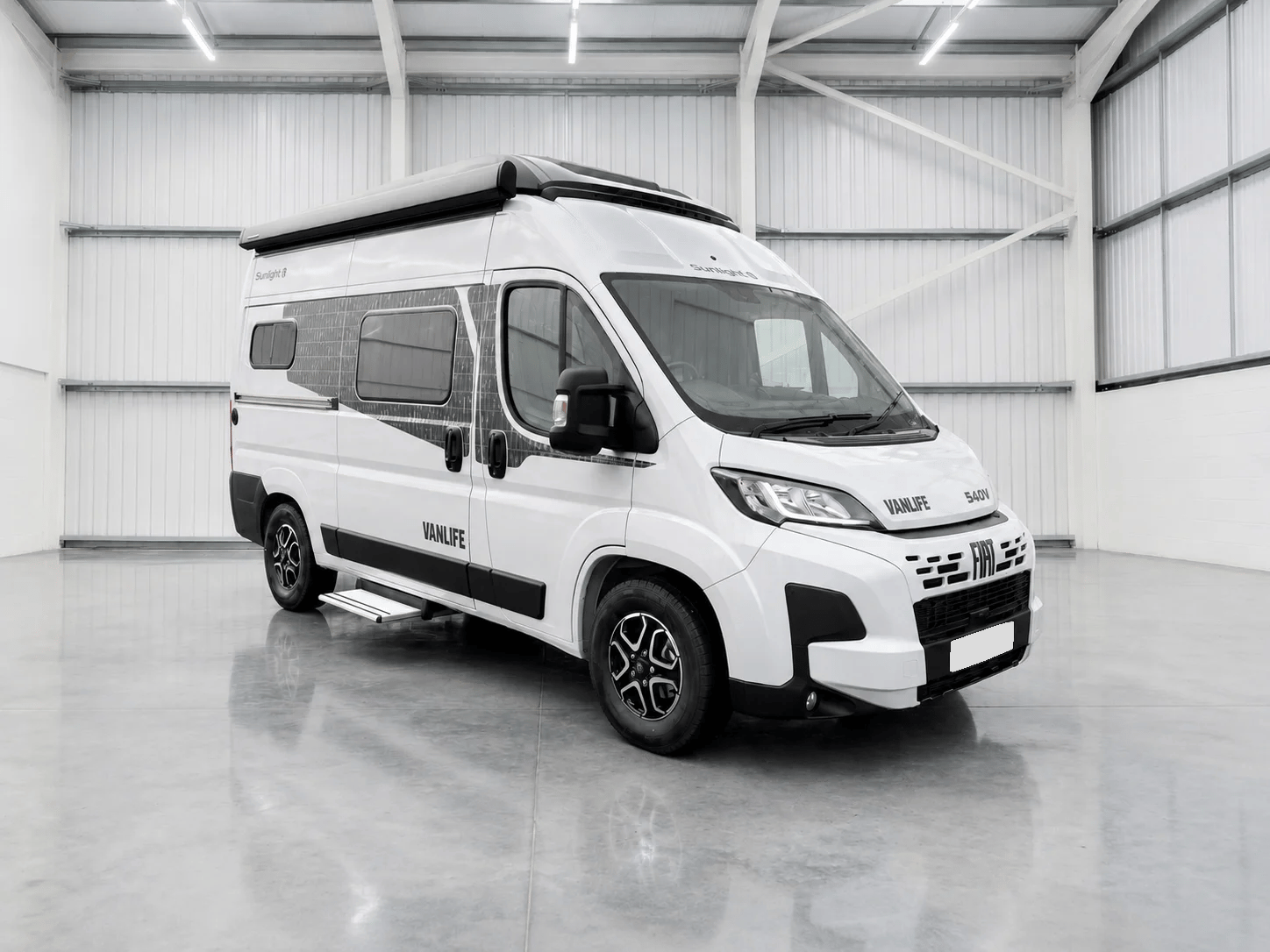
The camper you fall for is rarely the one you can afford. That gap is the whole reason Campervan.win exists. Right now we’re giving away the Sunlight Vanlife, worth around £65,000, and closing that gap is the point: capped entries so the odds stay honest, £10 a ticket, a maximum of five per person, £500 to a UK charity from every full draw, the winner picked by a public randomness beacon anyone can re-check, and one person driving away in the van itself.
Enjoyed this post?
Get more honest campervan guides like this one in your inbox.
You’re in!
Check your inbox. We’ve just sent you a welcome email.

About the author
Leo
Leo covers campervan technology, maintenance, kit, and ownership advice, with a clear, practical focus on how things work in real life.
Keep Reading
Related Reading
Thoughtful articles that build on what you’ve just read.
Motorhome Tech, Heating & Systems
15 min read
Gas-free motorhomes: living without LPG through a UK winter is possible but not simple
A growing list of motorhomes now leave the factory with no gas at all. We look at what gas does in a typical van, what replaces each job, and whether diesel heating, induction cooking and a big lithium bank can cope with short British days, weak winter solar and campsite hook-up.
Motorhome Tech, Heating & Systems
13 min read
Thetford's £420 separating kit changes the cassette chore, and a microwave toilet is next
Thetford now sells a kit that turns its C220 and C260 cassette toilets into separating toilets, Dometic has shown rival kits, and a microwave toilet that burns waste to ash has appeared in Germany. Each one changes the least-loved job in the van in its own way, and each suits a different kind of owner.
Motorhome Tech, Heating & Systems
29 min read
Heated storage and double floors: the cold-weather feature checklist for motorhome buyers
A clear, honest guide to the features that actually keep a motorhome usable in a British winter, from double floors and heated storage to insulation, freeze protection and the standards worth checking before you buy.
Motorhome Tech, Heating & Systems
24 min read
The Hymer SLC chassis explained: what the Super Light Chassis changes for ride and handling
SLC is Hymer's Super Light Chassis, built on a front-wheel-drive Mercedes Sprinter with a lowered double floor and independent suspension. The piece explains the low centre of gravity, payload and handling benefits, and the front-drive traction trade-off versus rear-wheel-drive Sprinter conversions.