
Motorhome Tech, Heating & Systems
Heated storage and double floors: the cold-weather feature checklist for motorhome buyers

Written by
Leo
Leo covers campervan technology, maintenance, kit, and ownership advice, with a clear, practical focus on how things work in real life.
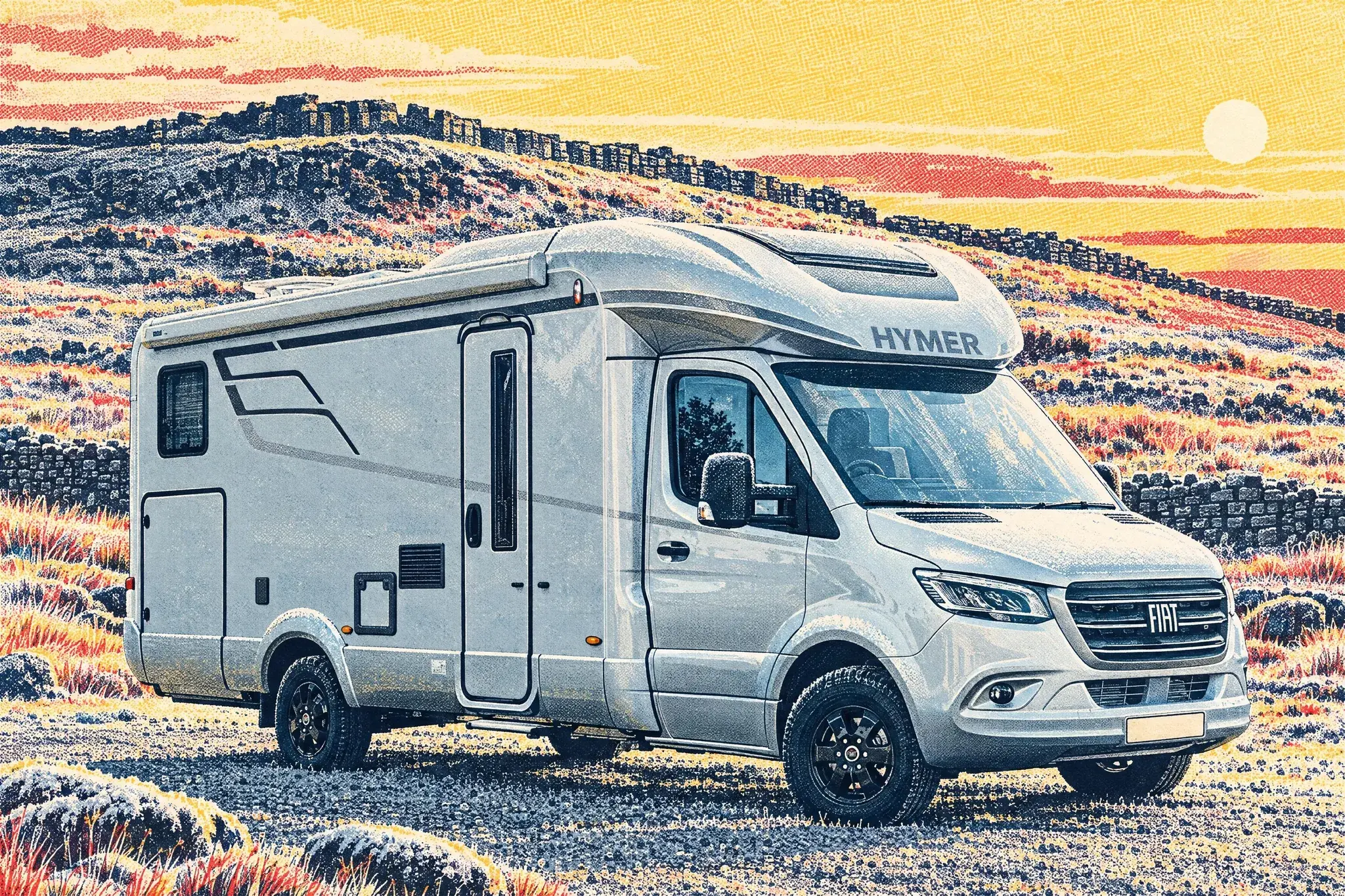
The short answer
A motorhome's cold-weather ability comes down to keeping the whole living space, the floor included, inside one insulated, heated envelope, and the two features that do most of the work are a true double floor and heated storage. They keep your water and waste systems from freezing, and crucially you cannot bolt them on later, so they are decisions to make before you buy rather than after. Add a heater with enough output, ideally an EN 1646 Grade 3 rating, battery capacity for cold nights and good ventilation, and a British winter stops being a reason to leave the van on the drive. It becomes some of the best, quietest touring of the year. Here is the full checklist, and how to tell real winter engineering from marketing language.

A motorhome that copes with a cold British night feels completely different to one that does not. The first feels like a warm little flat on wheels. The second feels like camping with extra steps. The gap between them is mostly down to a handful of design features that you cannot easily add later, which is exactly why they matter when you are buying.
This guide is about those features. We will look at what a double floor really does, what heated storage actually means, and how to read the winter spec of a motorhome without taking a brochure at face value. We will use real UK conditions, real temperatures and the standards the industry already uses to grade winter readiness. By the end you should be able to walk around any motorhome, summer or winter, and work out how it will behave when it is two degrees and raining sideways outside.
Why cold-weather spec matters more than people expect
Plenty of buyers think about winter as a niche concern. You buy the van for July, you imagine warm evenings and the side door open. Then reality arrives. The UK touring season for many owners runs from March to November, and both of those shoulder months can deliver frosty nights. Easter weekends regularly dip below freezing. A November stopover in the Lake District or the Cairngorms can sit at minus five overnight without anyone batting an eyelid.
Even if you never intend to ski, three things make winter capability worth caring about. First, shoulder-season touring is when sites are quietest and prettiest, so a van that handles the cold opens up the best months. Second, the same features that fight frost also fight condensation and damp, which are the slow killers of motorhome resale value. Third, if you ever store the van with water in it, or use it as occasional accommodation in your driveway, freeze protection stops expensive plumbing failures.
Here is the honest part. Cold-weather features are not magic. They will not make a poorly built van comfortable, and they do add weight and cost. But the right combination genuinely changes what your van can do, and most of them are structural decisions made at the factory. You buy them or you do not. Retrofitting is usually awkward, partial, or impossible.
The single most useful concept: where does the cold get in
Before we talk about individual features, it helps to think like heat. Warmth leaves a motorhome through any path of least resistance, and cold finds its way in through the same gaps. The big losses are the windows, the floor, thin walls, rooflights, the habitation door and any service pipe that runs through an unheated space.
A well-designed winter van does two simple things. It surrounds the living space with insulation on every side, including underneath, and it keeps the water and waste systems inside that warm envelope rather than dangling in the cold air below. Almost everything that follows is a variation on those two ideas. Once you see a van that way, the marketing language becomes much easier to decode.
What a double floor actually is, and why it changes everything
The double floor is the headline winter feature, and it is the one most misunderstood. In a standard motorhome, the living area sits on a single insulated floor laid over the chassis. Pipes, tanks and cables often hang below that floor in the open air, protected by a plastic underbody tray at best. When the air under the van drops below freezing, those pipes are exposed.
A double floor adds a second, sealed floor structure between the chassis and the living-area floor you walk on. That creates an enclosed cavity, usually somewhere between roughly 8cm and 20cm deep depending on the model, that sits inside the heated envelope of the van. Manufacturers route the fresh water tank, waste pipes, valves and often the heating ducts through that cavity. Because warm air from the habitation heating circulates into it, the contents stay above freezing even when the outside air does not.
The real benefits of a double floor
- Freeze protection for the plumbing. Tanks and pipes sit in warmed space rather than open air, so you can keep water on board and usable in genuine frost.
- Flat, level floors throughout. The cavity hides the wheel arches and chassis intrusions, so many double-floor vans have a single level surface from the cab step to the rear, with no trip hazards.
- Huge, dry, accessible storage. The cavity is not just for pipes. Manufacturers turn it into long, heated lockers accessed through floor hatches, ideal for chairs, levelling ramps, hoses and the things you would rather not keep in the wardrobe.
- Warmer feet. A heated cavity under the living-area floor means the surface you stand on is not freezing, which makes a real difference to how warm the van feels even when the air is the same temperature.
- Protection from road spray and grit. Services tucked into a sealed floor are far better protected from salt, stones and water thrown up by the wheels.
The honest downsides
Double floors are not free. They add weight, typically in the region of 80kg to 150kg depending on construction, which eats into your payload before you have packed a single thing. They raise the floor height, so the interior either feels a little lower or the whole van gets taller, which affects access and sometimes overall height for low bridges and car parks. And they cost money, both to buy and, on the used market, because they tend to appear on higher-specification vehicles that hold their value.
There is also a partial version worth knowing about. Some vans are described as having a double floor when in reality it is a shallow service duct rather than a full structural cavity. The pipes are protected but you do not get the deep storage or the fully flat floor. Neither is wrong, but they are different things, so it pays to ask what the floor actually contains and how deep it is.
A true double floor is one of the very few motorhome features you genuinely cannot retrofit. If winter touring matters to you, decide on it before you buy, because changing your mind later means changing the van.
Heated storage: what the words really mean
"Heated storage" sounds reassuring, but it covers a wide range of reality. At its best it means lockers that sit inside the warm envelope of the van and receive a deliberate flow of warm air. At its most marketing-led it can mean a single garage with one small heating outlet that takes the edge off the chill near the duct and nothing more.
The locker that matters most is the rear garage on coachbuilt and A-class motorhomes. This is the big external storage box, often big enough for bikes, a small scooter, or all your outdoor kit. In a winter-capable van this garage is insulated on all sides, including the door, and has a heating outlet so the contents and, crucially, anything plumbed through it stay above freezing.
Why heated lockers are not just a luxury
Two practical reasons. First, the gas locker and parts of the water system sometimes pass through or near the garage area, so keeping it warm protects them. Second, if you store anything that does not like freezing, from drinking water bottles to certain medications to the spare leisure battery, a heated garage keeps it safe. In genuine cold, an unheated external locker is effectively a fridge with the door shut, and a deep freeze overnight.
When you assess heated storage, look for the heating outlet inside the locker, feel whether the door itself is insulated rather than a thin single skin, and check the seals around the door for a snug, unbroken rubber. A heated locker with a poor door seal leaks warmth as fast as you add it.
The winter grading system: EN 1646 and what "fully winterised" should mean
The motorhome industry already has a standard for thermal performance, and learning it cuts through a lot of brochure noise. The European standard EN 1646-1 defines three grades of heating and insulation capability, based on how the vehicle performs in a controlled cold-chamber test.
- Grade 1. The heating can raise the interior to a comfortable temperature in cool conditions. This is the basic level, fine for summer and mild shoulder seasons.
- Grade 2. The heating maintains a comfortable interior in colder conditions, an intermediate level suitable for most spring and autumn touring.
- Grade 3. The full winterisation grade. The vehicle can maintain a comfortable interior, typically taken as around 20 degrees inside, when the outside temperature is well below freezing, and it does so within a defined time. Grade 3 vans are the ones genuinely built for winter use.
The test broadly involves cold-soaking the vehicle and measuring how quickly and how well the heating brings it up to and holds a target temperature across the living space. A Grade 3 result is a meaningful indicator that the insulation, heating output and air circulation all work together rather than one strong heater fighting thin walls.
Not every manufacturer publishes the grade prominently, and some vans are excellent without quoting it, but if winter use is a priority, ask the question directly. A van confidently marketed as Grade 3 winterised has been engineered to meet a real standard, not just fitted with a bigger heater.
Insulation: the quiet feature that does most of the work
Heating gets the attention, but insulation does more of the work, because every watt of heat you keep inside is a watt you do not have to generate. Motorhome bodies are built in a few different ways and the construction directly affects how warm and how dry the van stays.
Body construction and why it matters
Most modern coachbuilt and A-class motorhomes use bonded sandwich-panel construction. The walls, roof and floor are made of an insulating foam core sandwiched between an outer skin and an inner lining, bonded together without a metal frame running through the panel. This matters for two reasons. The foam core provides consistent insulation, and the lack of a through-frame removes cold bridges, which are paths where cold metal or timber crosses from outside to inside and creates a cold spot where condensation forms.
Older or budget construction sometimes uses a timber frame within the walls. Timber-framed bodies can be perfectly good, but they are more prone to water ingress over time and the frame itself can act as a cold bridge. When you look at a van, ask what the walls are made of and how thick the insulation is. A typical well-insulated wall might be in the region of 30mm to 45mm of foam core, with the roof and floor often thicker because that is where heat is lost fastest.
The roof and the floor are the priorities
Heat rises, so the roof is the biggest single loss area, especially around rooflights. The floor is the second, because cold air pools under the van and the floor is in direct contact with it through the chassis. This is exactly why the double floor is such an effective winter feature, and why a van with a thin single floor and a generous heater can still feel cold underfoot. Good winter vans put their thickest insulation top and bottom.
Windows and rooflights: the weakest points in any van
You can have the best insulation in the world and still lose heat through glass and plastic. Motorhome windows are double-glazed acrylic units, which are far better than single glazing but still much weaker thermally than the surrounding walls. Rooflights are worse, because they sit at the top where heat collects and they are usually a single or thin double layer of acrylic.
What to look for
- Double-glazed acrylic windows as standard. Almost all proper motorhomes have these. They also come with integrated blinds and flyscreens, and the blinds matter for warmth because a closed thermal blind at night reduces heat loss noticeably.
- Insulated cab area. The cab of a van-based motorhome is the coldest zone because it has automotive single-skin doors, a big windscreen and metal everywhere. Look for thermal screens that fit inside or outside the cab glass. External silver screens are the most effective because they stop the glass getting cold in the first place and prevent condensation forming on the inside.
- Quality rooflights with insulated covers. Better rooflights have a thicker double-skin dome and a blackout blind with insulating properties. Some winter vans fit smaller or fewer rooflights deliberately to reduce loss.
- A draught-sealed habitation door. The door is a common weak point. Look for a double seal, a deep frame, and ideally a door with its own insulation and a window that is double glazed. A flimsy door with a single seal will whistle on a windy night.
None of these are deal-breakers on their own, but they stack up. A van with thin blinds, basic rooflights and no cab screens will feel colder and damper than one with thermal blinds, insulated rooflights and a proper external cab screen, even if the heating and walls are identical.
Heating systems: the engine of winter comfort
The heater is what turns a well-insulated box into a warm home. There are a few common systems and they behave quite differently in real cold, so this is worth understanding properly rather than just noting that the van "has heating".
Blown-air heating with a combi unit
The most common setup in UK and European motorhomes is a combination unit that heats both the air and the hot water from one appliance, distributing warm air through ducting to outlets around the van. These run on gas, diesel, or a combination of fuel and electric hook-up.
- Gas blown-air. Quick to heat, widely fitted, and effective. The limitation is that you carry a finite amount of gas, and in deep cold your gas consumption climbs. A pair of standard cylinders can disappear surprisingly fast if the heater runs all night at minus five.
- Diesel blown-air. Draws fuel from the vehicle tank, so you are not juggling gas bottles, and a big diesel tank gives long autonomy. Diesel heaters are excellent for sustained cold-weather and off-grid use. They do use a little battery power to run the fan and glow plug, and they can be slightly noisier outside.
- Dual-fuel and electric assist. Many combi units can run on electric when you are on hook-up, which is cheap and silent on a serviced pitch, then switch to gas or diesel off-grid. This flexibility is genuinely useful in winter when you might be hooked up on a site one night and free-camping the next.
Underfloor and wet (water-based) heating
Higher-end and many A-class motorhomes use a wet central heating system, where a boiler heats water or fluid that circulates through radiators or convectors and sometimes through the floor. This gives a gentle, even warmth that feels much more like a house and avoids the dry, fan-driven feel of blown air. It also tends to heat the floor and the double-floor cavity effectively. The trade-offs are cost, weight and complexity, and a slightly slower warm-up from cold.
What matters more than the brand
For winter capability, three things matter beyond which system is fitted. First, output: does the heater have enough power to hold temperature in real cold, not just take the chill off. Second, distribution: are there outlets in every important zone, including the bathroom, the bed area and the floor lockers, so warmth reaches the pipes and the far corners. Third, fuel autonomy: can you actually keep it running through several cold nights without constant refuelling or running out of gas.
A van with a strong heater and poor distribution will have a warm lounge and a freezing bedroom and bathroom, which is exactly where frozen pipes and cold mornings come from. Ask to see where the outlets are and check that warm air is fed into the storage and double-floor areas, not just the seating.
Water systems and freeze protection: where winter trips fail
If a winter trip goes wrong, the water system is usually the culprit. Water expands as it freezes, and a frozen pipe or valve can crack and then leak the moment it thaws. This is the most common cold-weather failure and the one the double floor exists to prevent.
Internal versus external tanks
The fresh water tank is the key item. In a basic van it may be slung under the floor in the open air. In a winter van it sits inside the heated envelope, either in the double floor or in an insulated, heated locker. An internal heated tank keeps water liquid in serious frost. An external tank will freeze, and even with a small tank heater fitted it can struggle in sustained cold.
The waste (grey) tank is harder to protect because it is usually under the van by necessity. Better vans fit an insulated grey tank with a small heating pad or duct, or position it within a heated underfloor area. If the grey tank is fully exposed, the practical workaround in hard frost is to leave the grey valve open over an insulated bucket so waste does not sit and freeze in the tank, though that is a workaround rather than a feature.
Pipes, pumps and the boiler drain
- Routing. Pipes that run through heated space stay liquid. Pipes that cross an unheated locker or run under the floor in the open are the ones that freeze. The double floor solves most of this in one move.
- The frost drain valve. Most water heaters have an automatic frost protection valve that dumps the boiler contents if the temperature falls near freezing, to stop the boiler cracking. This is great for protecting the appliance but it means you can wake up to an empty hot-water tank if the heating failed overnight. A heated van keeps the valve warm enough to stay shut.
- The pump. Submersible and inline pumps can freeze if the tank or pipework freezes around them. Keeping the whole system warm protects the pump too.
The realistic winter water routine
Even in a fully winterised van, sensible owners do a few things in hard frost. They keep the heating on a low background setting overnight rather than off, they keep internal cupboard doors near pipework ajar so warm air circulates, and they top up rather than carry a full tank in case of a long freeze. If you are storing the van over winter, the safe approach is to fully drain the entire system, open every tap and the boiler drain, and leave it empty, because no amount of insulation protects an unheated parked van indefinitely.
The habitation battery and electrics in the cold
Cold weather is hard on batteries and on your electrical budget, and this catches a lot of people out. Two separate issues are at play.
Batteries lose capacity when cold
All batteries deliver less of their rated capacity in the cold. A lead-acid leisure battery can lose a meaningful chunk of its usable capacity at low temperatures, and at the same time your demand goes up because the heater fan, the water pump and the lights all run more. Lithium (LiFePO4) batteries hold their capacity far better in the cold for discharging, but they have an important catch: most lithium batteries must not be charged below freezing, because charging a frozen lithium cell damages it permanently. Quality motorhome lithium systems include a low-temperature cut-off and often a self-heating function to manage this, so if a van has lithium, check how charging is protected in the cold.
Solar does very little in deep winter
Be realistic about solar. A roof panel that comfortably runs your van in June produces a small fraction of that in late December, because the days are short, the sun is low, and the panel is often partly shaded or covered in frost or leaves. In winter you will lean far more on hook-up or on running the engine, so a van set up for genuine off-grid winter use benefits from a larger battery bank and an efficient charger, not just solar.
The diesel heater draws power
A diesel air heater is wonderful for fuel autonomy, but it runs an electric fan and glow plug continuously. Over a long, cold night that is a steady drain on the leisure battery. If you free-camp in winter with diesel heating, size your battery for it, because flattening the leisure battery means the heater stops, which means a cold van and possibly a frost drain dumping your hot water.
Condensation and ventilation: the hidden winter battle
The thing that quietly does the most long-term damage in winter is not frost, it is condensation. Four people breathing, cooking and drying clothes inside a sealed warm box on a cold night produce a surprising amount of water vapour. When that warm, moist air meets a cold surface, it condenses into water. Do that repeatedly and you get damp, mould, and eventually rot in the body structure.
Why good insulation reduces condensation
This is the link people miss. The better the insulation, the warmer the internal surfaces stay, and warm surfaces do not condense moisture out of the air. A cold-bridged van with thin walls will stream with condensation on a cold morning no matter how much you heat it, because the heat is escaping and the inner surfaces are cold. A well-insulated van with no cold bridges stays much drier. So insulation is doing double duty: keeping you warm and keeping you dry.
Ventilation is not optional
The instinct in winter is to seal everything shut, but a motorhome needs controlled ventilation to carry moisture out. Motorhomes are built with permanent low-level vents and rooflight vents precisely so that humid air can escape and fresh air can enter. Never block these. The right approach is gentle background heat plus a little ventilation, so that warm, moist air is constantly being replaced with cooler, drier air that the heating then warms. A cracked rooflight and a low background heat setting overnight will keep a van far drier than sealing it tight.
- Cook with the rooflight open and a window cracked, and use lids on pans.
- Dry wet clothes outside or in the cab with a screen up, not draped across the living area.
- Wipe down cold spots like cab glass and window frames in the morning.
- Use a small hygrometer to keep an eye on humidity, aiming to keep it comfortable rather than tropical.
- Consider a moisture absorber in lockers and the wardrobe for parked storage.
The cold-weather feature checklist
Here is the practical list to take with you when you view a motorhome. You will not find every box ticked on every van, and that is fine. Use it to understand what level of winter capability you are actually looking at, and to ask the seller the right questions.
Structure and insulation
- Bonded sandwich-panel construction with a foam core, ideally frame-free to avoid cold bridges.
- Thicker insulation in the roof and floor, where most heat is lost.
- A true double floor with a heated cavity, if winter use is a priority, and confirmation of how deep it is and what runs through it.
- A stated EN 1646 Grade 3 winterisation rating, or a clear explanation of the van's cold-weather capability if no grade is quoted.
Storage and tanks
- Heated, insulated rear garage with a warm-air outlet and a well-sealed, insulated door.
- Fresh water tank mounted inside the heated envelope, not slung in open air underneath.
- Insulated and ideally heated grey waste tank, or at least a plan for managing it in frost.
- Water pipes routed through heated spaces rather than crossing cold lockers or open underfloor.
Heating and fuel
- A heater with enough output to hold around 20 degrees in real frost, not just take the chill off.
- Warm-air outlets in every zone: lounge, bed area, bathroom, and the storage and double-floor spaces.
- Sensible fuel autonomy for several cold nights, whether that is diesel from the main tank, adequate gas capacity, or dual-fuel with electric assist on hook-up.
- Frost protection valve on the water heater, with the system kept warm enough to keep it shut in use.
Glass and openings
- Double-glazed acrylic windows with thermal blinds throughout.
- Insulated rooflights with blackout, insulating blinds.
- External thermal cab screens available for the windscreen and cab doors.
- A well-sealed, insulated habitation door with a double seal and double-glazed window.
Electrics
- A leisure battery sized for winter loads, remembering capacity drops in the cold and demand rises.
- If lithium is fitted, a low-temperature charge cut-off or self-heating function to protect the cells.
- Realistic expectations of solar in winter, with hook-up or engine charging as the main support.
- An efficient mains charger for serviced pitches.
Moisture management
- Permanent low-level and rooflight ventilation that you can leave open without blocking.
- Surfaces and construction that stay warm enough to limit condensation.
- Easy-to-wipe cold spots and somewhere sensible to dry wet kit.
Common mistakes buyers make about winter capability
Knowing the traps is half the battle. These are the ones that come up again and again.
Assuming a big heater means a warm van
A powerful heater in a poorly insulated van is like a strong tap on a leaky bucket. It will run constantly, burn through fuel, and still leave cold corners and condensation. Insulation and heat distribution matter at least as much as raw output. Always ask where the heat goes, not just how big the heater is.
Confusing a service duct with a true double floor
Some vans advertise a double floor that is really a shallow channel protecting the pipes, without the deep heated storage or fully flat floor of a genuine double floor. Both protect plumbing, but they are different propositions in terms of storage, weight and price. Ask how deep the cavity is and whether you can store gear in it.
Ignoring payload
Winter features add weight. The double floor, extra insulation, a wet heating system and a bigger battery bank all add kilograms before you load a single bag. On a van with a tight payload, that can leave you very little headroom, and an overloaded motorhome is both illegal and unsafe. Check the actual payload figure, ideally with a weighbridge ticket, not just the brochure number, because options and dealer extras eat into it.
Forgetting the cab
The habitation area can be beautifully warm while the cab stays icy, because the cab is automotive-grade single skin with a huge windscreen. Without thermal screens and a way to close the cab off from the living area, that cold cab pulls heat out of the van and breeds condensation on the glass. A simple set of external cab screens and an insulated cab divider transform a van's winter behaviour.
Overestimating winter solar
People install solar in summer, see it cover everything, and assume winter will be similar. It will not. Short days and a low sun mean a fraction of the output, often not enough to run a diesel heater fan and the basics overnight. Plan winter electrics around hook-up and battery capacity, with solar as a welcome bonus rather than the foundation.
Leaving water in a stored van
Even a Grade 3 van will freeze and crack its plumbing if it is parked, unheated, in a hard frost with water on board. Winter capability is about using the van with the heating on. For storage, drain everything: the fresh tank, the water heater via its drain valve, the pipes by opening all taps, and the waste tank. A cracked boiler or split pipe is an expensive lesson.
Buying used: how to check winter capability on an older van
If you are buying second-hand, the same features apply, but you also need to check that they still work and that years of winters have not caused hidden damage. This is where a careful viewing pays for itself.
Damp is the single most important check
Water ingress is the great destroyer of motorhomes, and winter condensation accelerates it. A damp meter survey, which many specialists offer, is the best money you can spend on a used van. Without one, look and smell for trouble.
- A musty smell when you first open the door is a warning sign.
- Soft or spongy areas in the floor, walls or around windows and rooflights.
- Staining, bubbling wallpaper, or discolouration in corners, around windows and along the bottom of walls.
- Lifting or rippled exterior panels, which can indicate the bonding has failed and let water in.
- Mould spots in lockers, around seals and behind cushions.
Test the systems
- Run the heater on every fuel mode it supports and check that warm air actually reaches every outlet, including the far end of the van.
- Fill and run the water system, check the pump, and confirm the water heater heats and that its frost valve is not stuck open.
- Open every rooflight and window, work the blinds and screens, and inspect the seals for perishing or gaps.
- Check the habitation battery's age and condition, and ask how it is charged. An old, tired battery will struggle badly in winter.
- Inspect the rear garage and any double-floor hatches for water staining, which suggests a leak or condensation problem.
Service history and seals
Motorhome body seals and roof sealant have a service life and need periodic resealing to stay watertight. Ask for a habitation service history. A van that has been serviced regularly, with seals checked and damp readings recorded, is far more likely to have come through its winters intact than one with no paperwork. The habitation service is to a motorhome what the cambelt and oil are to the engine: skip it for years and problems build up out of sight.
Matching the spec to how you will actually use the van
It is easy to want every winter feature, but the right answer depends on how you tour. Be honest with yourself about this, because winter features cost weight, money and sometimes interior space.
The summer-and-shoulder tourer
If you mostly tour from spring to autumn and store the van drained over winter, you do not need full Grade 3 spec. Good double glazing, decent insulation, a competent combi heater, thermal cab screens and sensible ventilation will keep you comfortable through frosty Easter mornings and crisp October nights. You can skip the deep double floor and the heated grey tank without missing them, and you save weight and money.
The serious shoulder-and-winter tourer
If you want to use the van in genuine winter, on hillsides in February or for a quiet New Year by the coast, the full package earns its keep. A true double floor, heated tanks, strong well-distributed heating with good fuel autonomy, an insulated heated garage and a battery bank sized for cold nights will let you stay out in conditions that would defeat a basic van. Here the extra weight and cost buy real capability.
The all-season liveaboard
If you plan to live in the van for long stretches across all seasons, treat winter capability as essential rather than optional, and add condensation management to the top of your list. Living in a van means producing moisture every day, so insulation quality, ventilation and a heating system you can run economically for long periods matter more than headline features. A Grade 3 van with a wet or dual-fuel heating system, good battery capacity and disciplined ventilation habits is the comfortable choice for the long haul.
A realistic picture of running a van through a British winter
To bring it together, here is what a capable winter van actually feels like to use, so you know what you are buying into. On a frosty night you set the heating to a comfortable evening temperature, then drop it to a low background setting overnight, warm enough to keep the pipes and the boiler frost valve happy and to keep condensation at bay. You crack a rooflight for ventilation. In the morning the floor is warm underfoot because of the double floor, the water runs because the tank sat in heated space, and the cab glass is dry because you fitted external screens.
You manage your fuel and power deliberately. If you are on a serviced pitch you run the heating on electric and barely touch your gas or diesel. Off-grid you watch your battery and your gas or diesel level, knowing cold nights cost more of both. You wipe down the few cold spots, dry your wet coats sensibly, and keep an eye on the humidity. None of this is hard, but it is a routine, and a well-specified van makes that routine easy rather than a daily fight against the cold.
That is the real value of cold-weather features. They do not just add comfort, they reduce the effort of staying comfortable. A van that handles winter well lets you stop thinking about the weather and start enjoying the quiet sites, the empty roads and the months when the rest of the country has put its outdoor plans away.
The bottom line
Cold-weather capability in a motorhome comes down to a logical chain. Insulate the whole envelope, including the floor, so heat stays in and surfaces stay warm and dry. Keep the water and waste systems inside that warm envelope, which is exactly what a double floor and heated storage achieve. Fit a heater with enough output, sensible distribution and real fuel autonomy. Protect the battery and be realistic about winter solar. Manage moisture with insulation plus ventilation, not by sealing the van shut.
The two headline features, the double floor and heated storage, matter most because they are structural and you cannot bolt them on afterwards. If genuine winter touring is your aim, decide on them before you buy, look for an EN 1646 Grade 3 rating or a clear explanation of capability, and use the checklist above to separate marketing language from engineering. Match the spec honestly to how you will actually use the van, because there is no sense carrying the weight and cost of full winterisation if you store the van drained from November to March.
Get this right and a British winter stops being a reason to leave the van on the drive. It becomes some of the best touring of the year, on your own terms, warm, dry and unbothered by the frost on the windscreen outside.
Common questions
What is a double floor in a motorhome, and why does it matter for winter?
A double floor is a sealed second floor structure between the chassis and the floor you walk on, creating a heated cavity (roughly 8 to 20cm deep) that the habitation heating warms. It keeps the water tank, pipes and valves above freezing, gives a flat floor and adds large heated storage. It is one of the very few features you cannot retrofit, so decide on it before you buy.
What does an EN 1646 Grade 3 rating mean?
EN 1646-1 grades a motorhome's heating and insulation from a controlled cold-chamber test. Grade 3 is the full winterisation level: the van can hold a comfortable interior, around 20 degrees, when it is well below freezing outside. If genuine winter use matters, ask whether a van is Grade 3 rather than trusting brochure wording.
Does a bigger heater make a motorhome warm in winter?
Not on its own. A powerful heater in a poorly insulated van runs constantly, burns fuel and still leaves cold corners and condensation. Insulation and even heat distribution to every zone, including the bathroom, bed area and floor lockers, matter at least as much as raw output.
Can you leave water in a motorhome over winter?
Only if it is kept heated. Even a Grade 3 van will freeze and crack its plumbing if it is parked unheated in hard frost with water on board. For storage, drain the fresh tank, drain the water heater through its frost valve, open every tap to clear the pipes, and empty the waste tank.
How does cold weather affect a motorhome's leisure battery?
Every battery delivers less of its rated capacity in the cold while your demand rises, so winter electrics need headroom. Lithium (LiFePO4) holds capacity better for discharge, but most types must not be charged below freezing, so check for a low-temperature cut-off or self-heating. Be realistic about solar too, as winter output is a small fraction of summer.
What is the most overlooked cold-weather feature when buying?
The cab. The habitation area can be warm while the cab stays icy, because it is automotive single-skin with a big windscreen, and that cold cab pulls heat out of the van and breeds condensation on the glass. External thermal cab screens and an insulated cab divider make a real difference for very little money.
The reachable bit
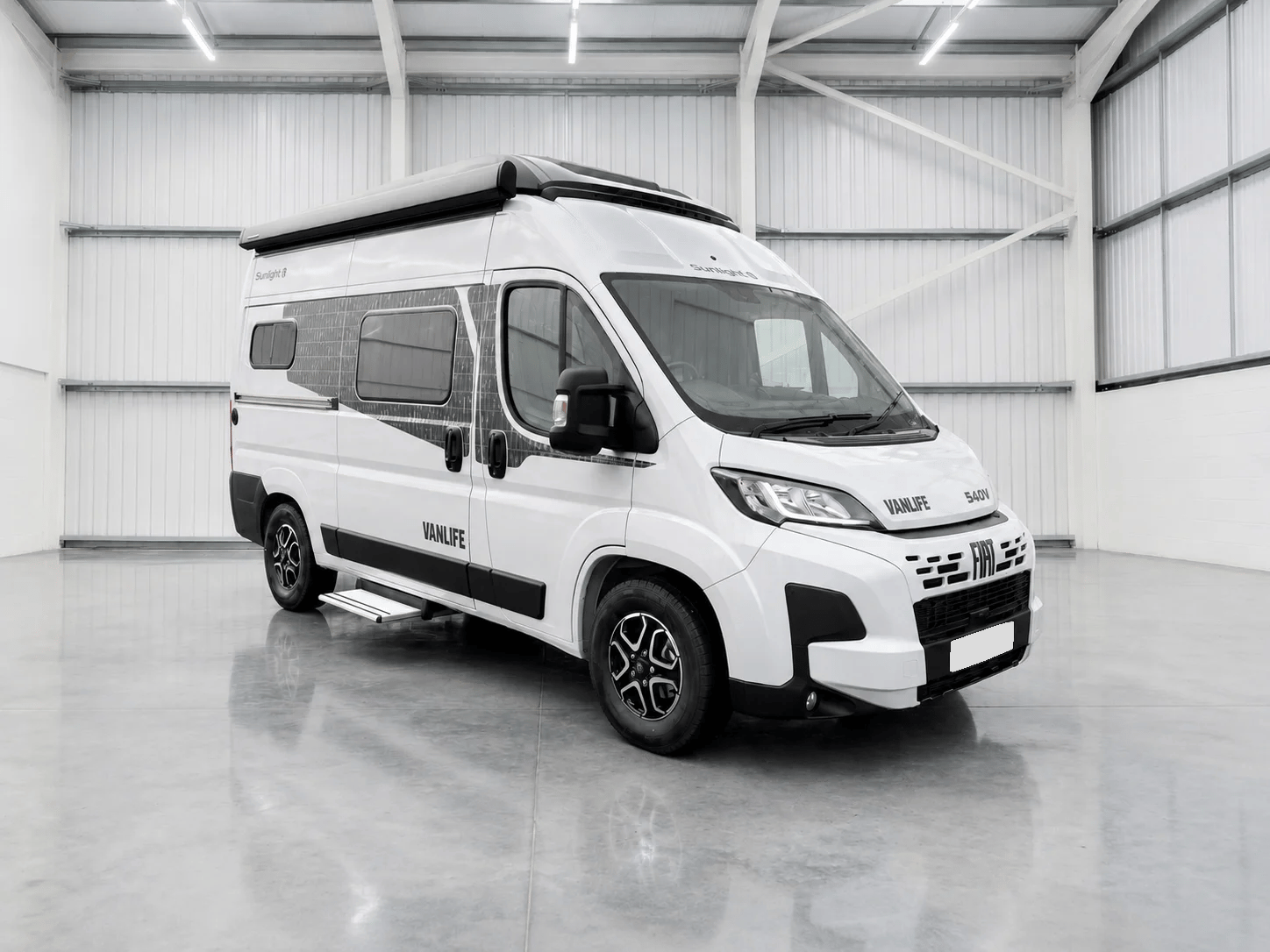
The camper you fall for is rarely the one you can afford. That gap is the whole reason Campervan.win exists. Right now we’re giving away the Sunlight Vanlife, worth around £65,000, and closing that gap is the point: capped entries so the odds stay honest, £10 a ticket, a maximum of five per person, £500 to a UK charity from every full draw, the winner picked by a public randomness beacon anyone can re-check, and one person driving away in the van itself.
Enjoyed this post?
Get more honest campervan guides like this one in your inbox.
You’re in!
Check your inbox. We’ve just sent you a welcome email.

About the author
Leo
Leo covers campervan technology, maintenance, kit, and ownership advice, with a clear, practical focus on how things work in real life.
Keep Reading
Related Reading
Thoughtful articles that build on what you’ve just read.
Motorhome Tech, Heating & Systems
15 min read
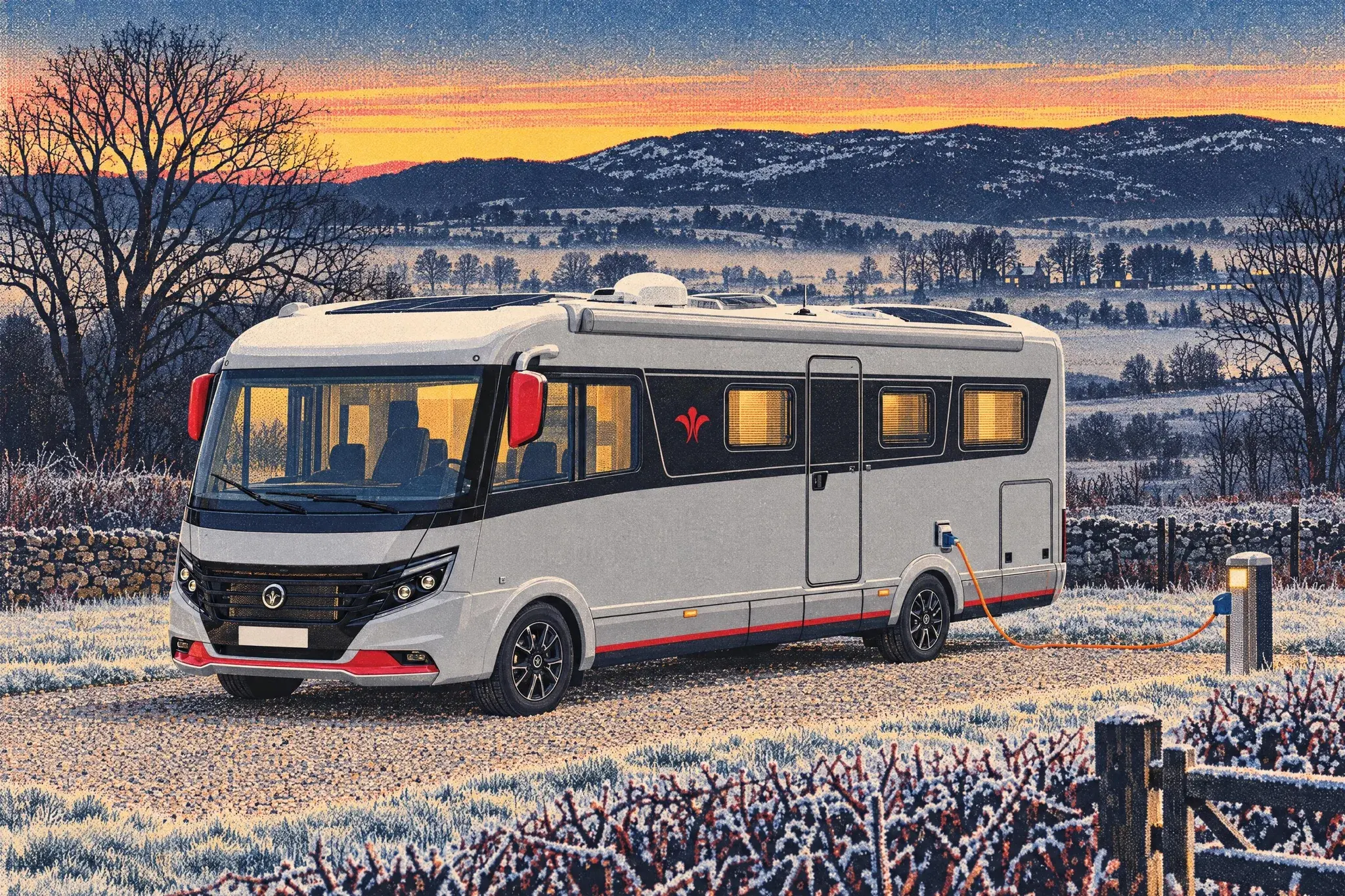
Gas-free motorhomes: living without LPG through a UK winter is possible but not simple
A growing list of motorhomes now leave the factory with no gas at all. We look at what gas does in a typical van, what replaces each job, and whether diesel heating, induction cooking and a big lithium bank can cope with short British days, weak winter solar and campsite hook-up.
Motorhome Tech, Heating & Systems
13 min read
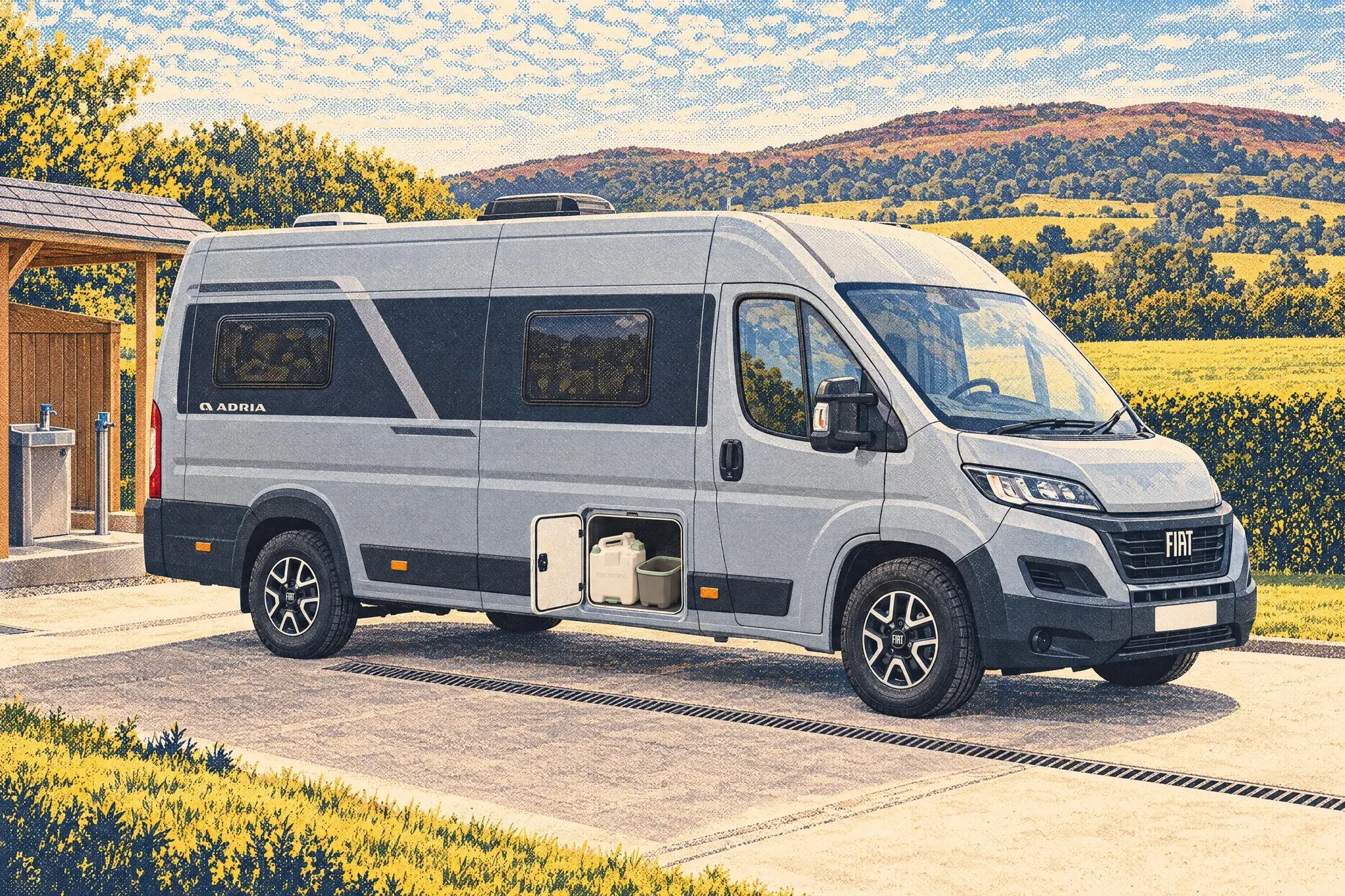
Thetford's £420 separating kit changes the cassette chore, and a microwave toilet is next
Thetford now sells a kit that turns its C220 and C260 cassette toilets into separating toilets, Dometic has shown rival kits, and a microwave toilet that burns waste to ash has appeared in Germany. Each one changes the least-loved job in the van in its own way, and each suits a different kind of owner.
Motorhome Tech, Heating & Systems
24 min read
The Hymer SLC chassis explained: what the Super Light Chassis changes for ride and handling
SLC is Hymer's Super Light Chassis, built on a front-wheel-drive Mercedes Sprinter with a lowered double floor and independent suspension. The piece explains the low centre of gravity, payload and handling benefits, and the front-drive traction trade-off versus rear-wheel-drive Sprinter conversions.
Motorhome Tech, Heating & Systems
25 min read
Built-in WiFi and Alde heating: are connected, winterised motorhomes worth the premium?
Connected, winterised motorhomes cost more up front. We look honestly at what Alde wet heating and factory WiFi actually do, what they cost to run, and whether the premium pays off for how you really travel.