
Citroen Holidays review: the honest take on Citroen's compact camper

Written by
Jasper
Jasper writes campervan reviews, travel guides, and practical advice, with a focus on everyday use and relaxed touring around the UK.
The short answer
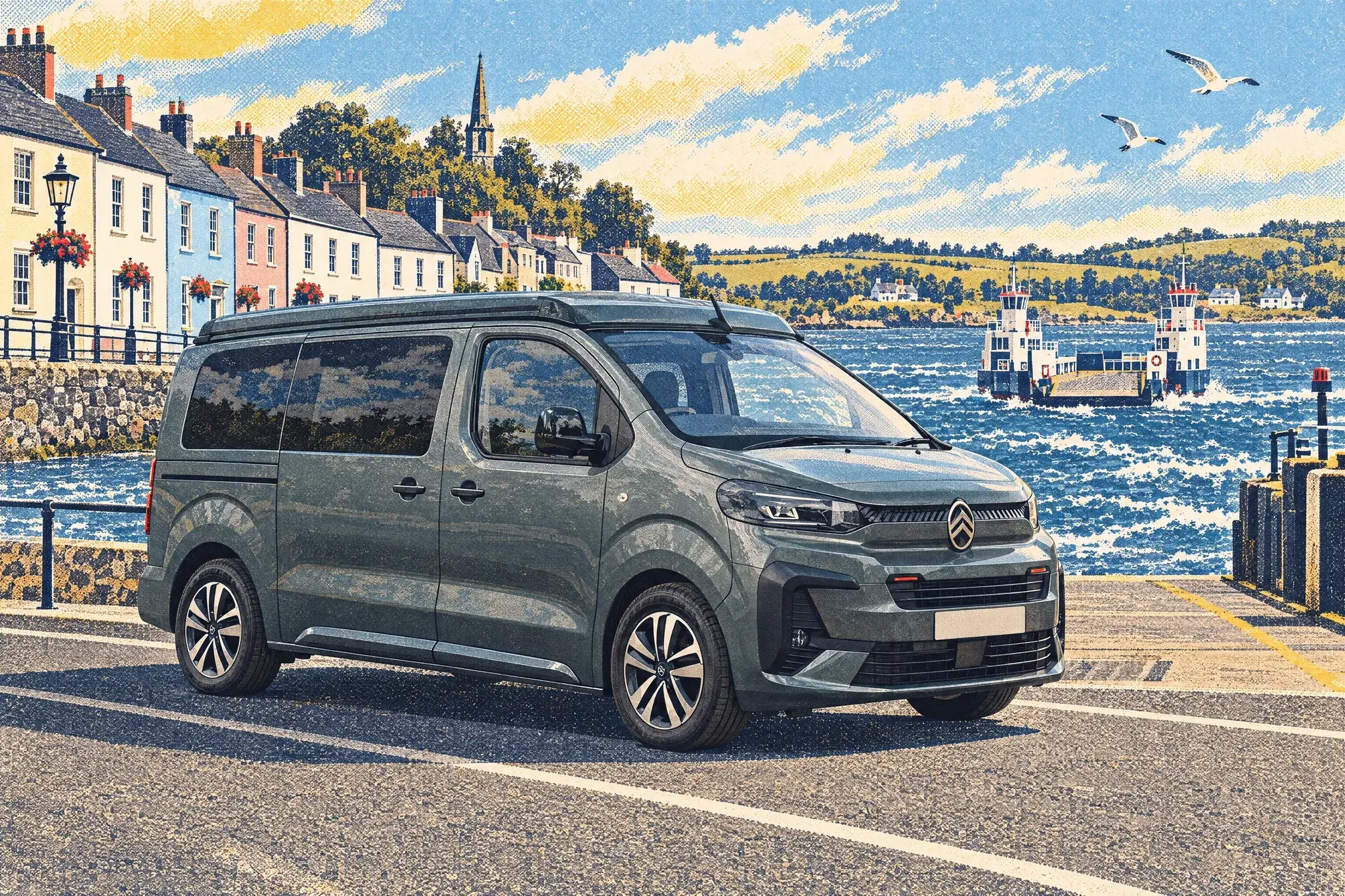
The Citroen Holidays is a compact pop-top campervan built on the Citroen SpaceTourer MPV platform. It sleeps up to four, drives like a large car, and fits most height barriers and standard parking bays. It suits couples and small families who want spontaneous weekends and easy daily use rather than long off-grid stays, where its modest kitchen, water and battery capacity show their limits.

If you want a campervan that you can park outside the house, drive to the supermarket, and still take away for the weekend, the Citroen Holidays is aimed squarely at you. It is a compact pop-top camper built on the Citroen SpaceTourer, the brand's people-carrier-shaped van. The whole idea is that it behaves like a normal vehicle most days, then opens up into a bed-on-wheels when you want it to.
That is a tempting promise, and for a lot of people it is the right one. But compact campers always trade space for usability, and the Holidays is no exception. This review walks through what it genuinely does well, where the compromises bite, and the kind of buyer it actually suits, so you can decide honestly rather than on showroom shine.
What the Citroen Holidays actually is
The Holidays is based on the Citroen SpaceTourer, which uses the same light-commercial MPV underpinnings as several stablemates in the Stellantis family. It is front-wheel drive, which matters for how it behaves day to day: you get a low load floor, predictable handling, and a car-like driving position rather than the higher, more upright feel of a big panel-van conversion.
Power comes from a 2.0-litre BlueHDi diesel producing around 178bhp, usually paired with an eight-speed automatic gearbox. There is also a fully electric version derived from the e-SpaceTourer for buyers who want zero tailpipe emissions for shorter trips. Real-world electric range sits well below the headline WLTP figure, especially with a roof up and a holiday's worth of kit on board, so treat the electric option as a town-and-weekend tool rather than a long-haul tourer.
Crucially, this is a compact camper, not a coachbuilt motorhome. Closed up, the roof sits low enough to clear most height barriers and slot into ordinary parking bays. That single fact is the heart of its appeal.
Living space and sleeping
The Holidays sleeps up to four. Two adults get the upstairs bed under the electrically or manually raised pop-top roof, and the rear seating folds down to create a second bed at floor level. In practice, the upstairs bed is the comfortable one for grown-ups, with a proper sprung base and decent headroom once the roof is up. The downstairs bed is fine for children or a shorter adult, but it is shorter and firmer.
By day, the rear seats work as genuine travel seats with belts, which is what makes the Holidays usable as a second family vehicle rather than a dedicated camper that sits on the drive all week. You can carry passengers, do the school run, and still head off on Friday without unpacking a garage of gear first.
The honest space reality
Let me be straight: this is a small interior. Standing room only exists with the roof up, and even then you are not pacing around. Two people can live happily for a weekend. Four people for longer than a couple of nights will feel the squeeze, particularly in bad weather when everyone is stuck inside. If you want a van you can truly live in for a fortnight without going slightly stir-crazy, a larger panel-van conversion or a coachbuilt is the more honest choice.
The kitchen and onboard kit
The Holidays comes with a compact kitchen unit, typically including a small sink, a hob, and a modest fridge or cool box, with storage built around it. It is enough for the classic campervan routine: brew the coffee, fry the breakfast, knock up a simple dinner. It is not a kitchen you would cater a dinner party from.
A few realities worth knowing before you buy:
- Water capacity is small. Compact campers carry limited fresh and waste water, so you will be topping up and emptying more often than in a bigger van. Plan stops accordingly.
- Cooking inside is tight. Many owners do most of their cooking with the tailgate up or an awning out, simply because there is more elbow room and less condensation indoors.
- Storage is clever but finite. The furniture is designed to make the most of the space, and some versions offer removable or modular elements so you can reclaim the van for hauling bikes or DIY. Pack light and you will be fine.
Heating, power and going off-grid
This is where compact campers ask you to be realistic. The Holidays is built around shorter, more spontaneous trips, and its leisure systems reflect that. You can expect a leisure battery and 12V power for lights and charging, with options to add capability, but the standard setup is not designed for days parked in a field with no hook-up.
If you want to spend nights well away from electric hook-up in cold weather, pay close attention to two things: the heating arrangement and the battery and solar capacity. A diesel or gas heater makes shoulder-season trips far more pleasant than relying on the vehicle's own systems. If the van you are looking at does not have a proper night heater, factor in adding one, and check what battery and solar can be specified. Out of the box, treat the Holidays as a hook-up-friendly or fair-weather camper, and upgrade deliberately if you want more independence.
The Holidays rewards a clear-eyed buyer. Decide how you will actually use it, then check the kit matches, rather than assuming a compact camper will quietly do everything a bigger van does.
What it is like to drive
This is the Holidays' strongest suit. Because it sits on an MPV-style platform, it drives much more like a large family car than a van. The automatic gearbox is smooth, the diesel is quiet and torquey enough for motorway cruising and loaded hills, and the lower roof means crosswinds bother you less than they do a tall conversion.
Visibility is good, parking sensors and cameras make tight spaces manageable, and the modest footprint means you are not sweating every multi-storey or village lane. For anyone nervous about stepping up from a car to a camper, this is about as gentle an introduction as the category offers. It is the kind of vehicle a partner who "doesn't fancy driving the van" will actually be happy to take the wheel of.
Running costs and ownership
Compact campers are generally cheaper to run than big motorhomes, and the Holidays follows that pattern. The diesel returns sensible economy for its size, servicing is through a mainstream dealer network, and parts and tyres are car-sized rather than truck-sized. Because it slips under most height barriers and into normal bays, you also dodge a lot of the parking frustration that comes with taller vans.
Things to budget for and think about:
- Insurance: a campervan conversion on a recognised base should be straightforward to insure, but get quotes before you commit, as cover varies.
- Clean-air zones: a recent diesel that meets current emissions standards should avoid most UK clean-air and ultra-low emission charges, and the electric version sidesteps them entirely. Always check the specific city scheme for the exact vehicle.
- Depreciation: well-kept compact campers from established brands tend to hold value reasonably, helped by strong demand for vans that double as daily drivers.
- Damp and roof care: the pop-top fabric and seals need looking after. Dry the canvas before storing, and check seams and zips each season.
Who the Citroen Holidays is right for
The Holidays makes the most sense for a specific, and fairly large, group of people:
- Couples who want a comfortable two-berth for weekends and the odd longer trip, and who like the idea of one vehicle that also does the weekly shop.
- Small families with younger children who fit the downstairs bed and travel light.
- Drivers stepping up from a car who want camper freedom without learning to wrangle a big van.
- City and suburban owners who cannot easily store or park a large motorhome and need something that fits a normal drive and normal barriers.
Who should look elsewhere
If you plan long off-grid trips, full-time or near-full-time living, or you simply want to stand up and move around inside without raising a roof, a larger panel-van conversion or a coachbuilt motorhome will serve you far better. The Holidays is honest about being compact. Buying one expecting big-van living is the quickest route to disappointment.
What to check before you buy
Whether new or used, run through this short list:
- Lift and lower the roof yourself. Check the mechanism is smooth and the fabric is clean, dry and undamaged.
- Lie on both beds. Confirm the upstairs bed is long enough for the tallest sleeper and that the downstairs conversion is genuinely usable for who will sleep there.
- Run the kitchen. Test the hob, fridge or cool box, sink, pump and water system, and look for any signs of leaks or damp around the units.
- Check the electrics. Confirm the leisure battery, charging and any solar or hook-up systems all work, and ask exactly what is fitted versus what is optional.
- Confirm the heater. Know what heating you have and whether it suits your planned seasons. Adding a night heater later is possible but costs money.
- Inspect the base vehicle as a vehicle. Service history, tyres, brakes and any clean-air-zone implications for where you live and travel.
The bottom line
The Citroen Holidays does exactly what a compact camper should. It drives like a big car, parks like one, and turns into a tidy two-berth weekender when you want it to. The pop-top, the car-like manners, and the everyday usability are its real strengths, and for couples and small families that combination is genuinely hard to beat in this size class.
Just go in with clear eyes. The kitchen is modest, water and battery capacity are modest, and four people for a long trip will feel the walls. Match the van to how you will actually use it, spec the heating and power you need rather than hoping for the best, and the Holidays can be one of the most quietly satisfying ways to get out on the road. Want big-van living from a small van, and it will frustrate you. Want a flexible, easy, do-everything weekender, and it could be exactly right.
Common questions
How many people can sleep in the Citroen Holidays?
Up to four. Two adults sleep on the bed under the raised pop-top roof, and the rear seats fold down to make a second bed at floor level. The upstairs bed is the most comfortable for adults, while the downstairs one suits children or a shorter person.
Is the Citroen Holidays available as an electric campervan?
Yes, there is a fully electric version derived from the e-SpaceTourer alongside the 2.0 BlueHDi diesel. Real-world electric range sits well below the headline figure, especially loaded and with the roof up, so it is best treated as a town and weekend vehicle rather than a long-distance tourer.
Can you live in a Citroen Holidays full time?
It is not designed for it. The Holidays is a compact camper with limited water, battery and storage capacity, and standing room only with the roof up. Two people can enjoy long weekends comfortably, but for full-time living or long off-grid stays a larger panel van or coachbuilt motorhome is far more suitable.
Will the Citroen Holidays fit in a normal parking space and under height barriers?
That is one of its main selling points. With the roof closed it sits low enough to clear most height barriers and fits standard parking bays, so it works as an everyday vehicle as well as a camper. Always check the exact closed height against any barrier you rely on.
Is the Citroen Holidays easy to drive?
Yes. It is built on an MPV-style platform, so it drives much more like a large family car than a van, with a smooth automatic gearbox, good visibility and a low roof that copes well with crosswinds. It is one of the gentler ways to move from a car to a campervan.
The reachable bit
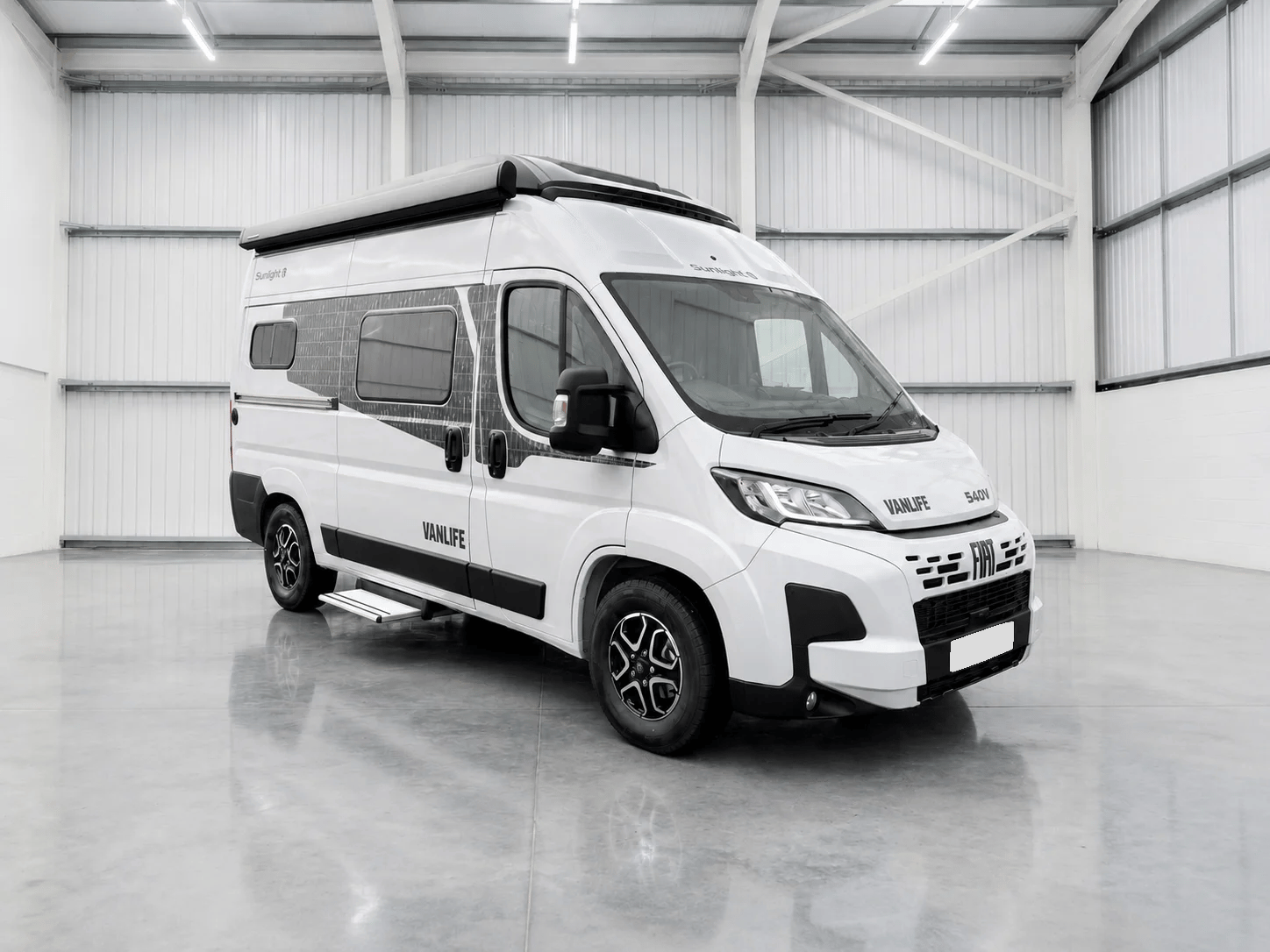
The camper you fall for is rarely the one you can afford. That gap is the whole reason Campervan.win exists. Right now we’re giving away the Sunlight Vanlife, worth around £65,000, and closing that gap is the point: capped entries so the odds stay honest, £10 a ticket, a maximum of five per person, £500 to a UK charity from every full draw, the winner picked by a public randomness beacon anyone can re-check, and one person driving away in the van itself.
Enjoyed this post?
Get more honest campervan guides like this one in your inbox.
You’re in!
Check your inbox. We’ve just sent you a welcome email.

About the author
Jasper
Jasper writes campervan reviews, travel guides, and practical advice, with a focus on everyday use and relaxed touring around the UK.
Keep Reading
Related Reading
Thoughtful articles that build on what you’ve just read.
Campervan Reviews
12 min read
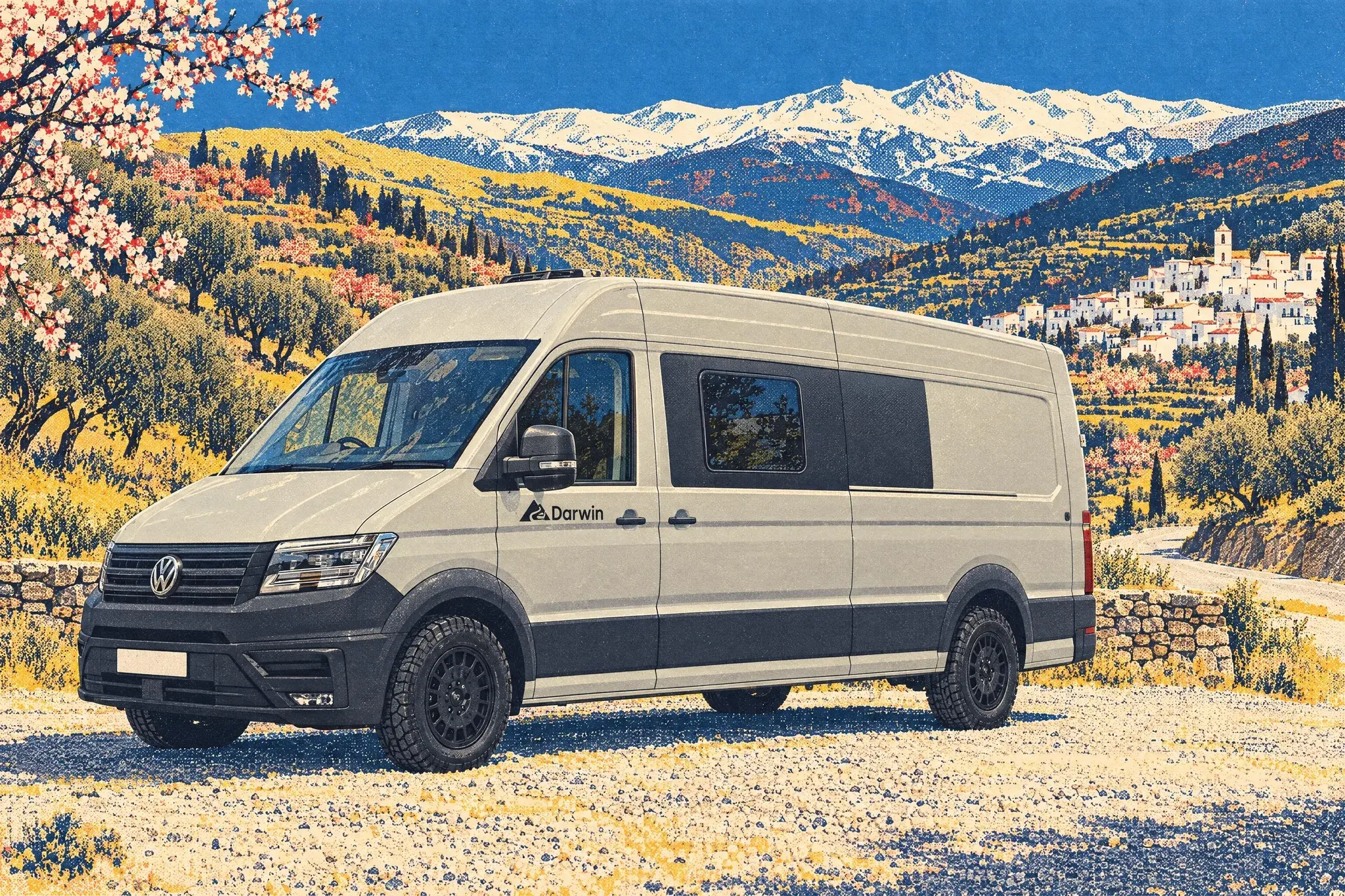
Rolling Homes Darwin review: the long Crafter camper with a proper washroom
The Darwin is Rolling Homes' step up from the Transporter: a long-wheelbase VW Crafter two-berth with an enclosed washroom. We set out what is published, what the price does, and who it suits.
Campervan Reviews
13 min read
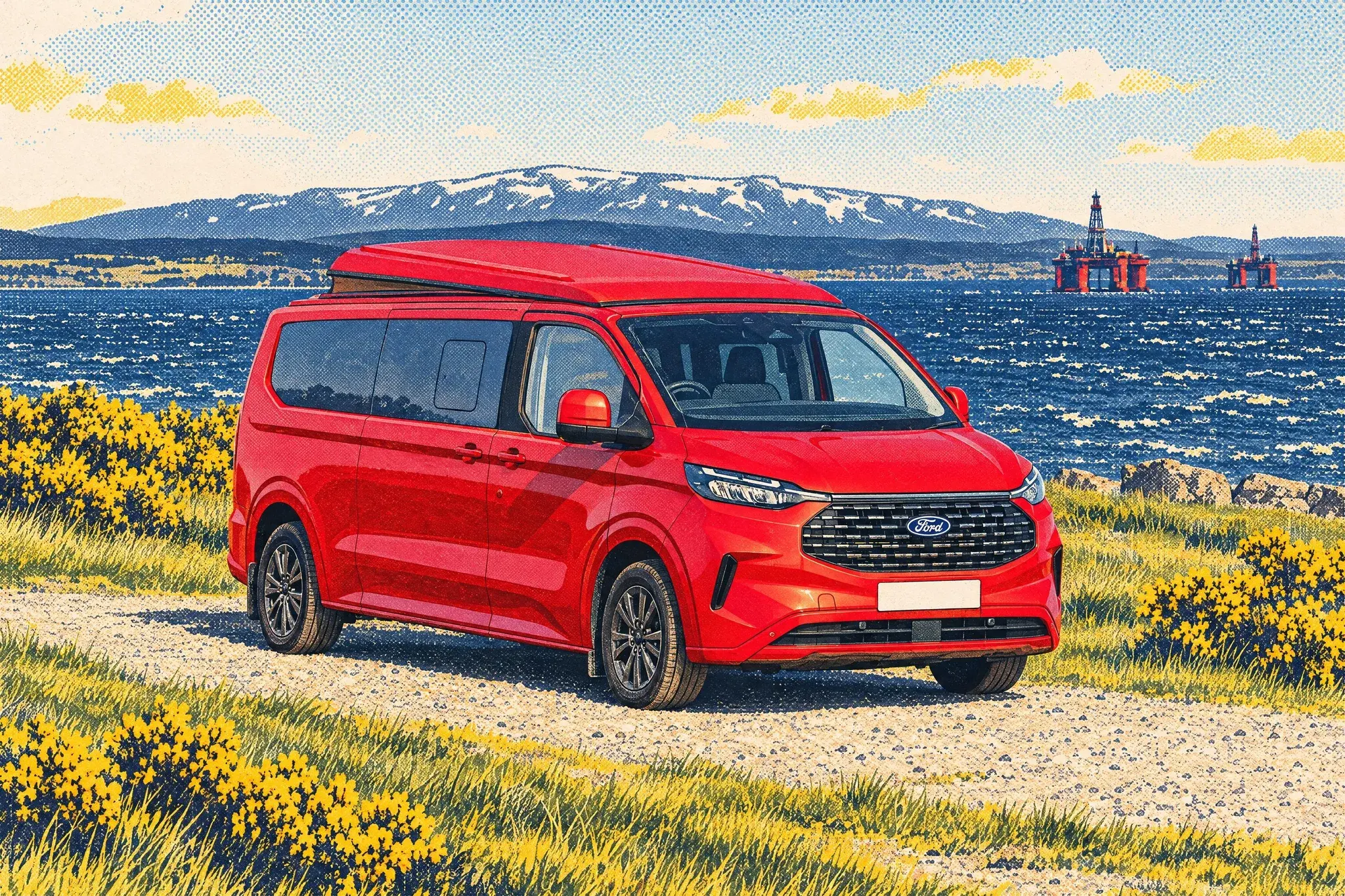
Jerba Cromarty review: the long-wheelbase five-seater with two double beds
The Jerba Cromarty is a 5.45 m Scottish-built camper on a VW T7 or Ford Transit Custom that seats five in belts and sleeps two as standard, or four with the optional roof bed. We look at how it lives, what the from-price buys, the published weights and who it suits.
Campervan Reviews
12 min read
Bilbo's Nexa+ T7 review: a rear kitchen, a cassette toilet and the new Low-Lie roof
The Nexa+ is the Bilbo's for people who want a fitted toilet in a Volkswagen Transporter. We go through the rear-kitchen layout, the beds, the power and heating as published, the T7 base, the £77,930 in-stock price and who it suits.
Campervan Reviews
13 min read
Hillside MVX review: the Multivan camper from £70,995, or £78,995 as an eHybrid 4MOTION
Hillside's MVX puts a four-berth pop-top conversion on the Volkswagen Multivan, with a plug-in hybrid and all-wheel drive at the top of the range. Here is what it offers, what it leaves to the Transporter-based Cromford, and where the 2026 Club judges placed it.