
Frankia explained: the German premium marque and whether UK buyers should look

Written by
Arthur
Arthur writes buying guides, comparisons, and in-depth explainers to help readers choose the right campervan or motorhome with confidence.
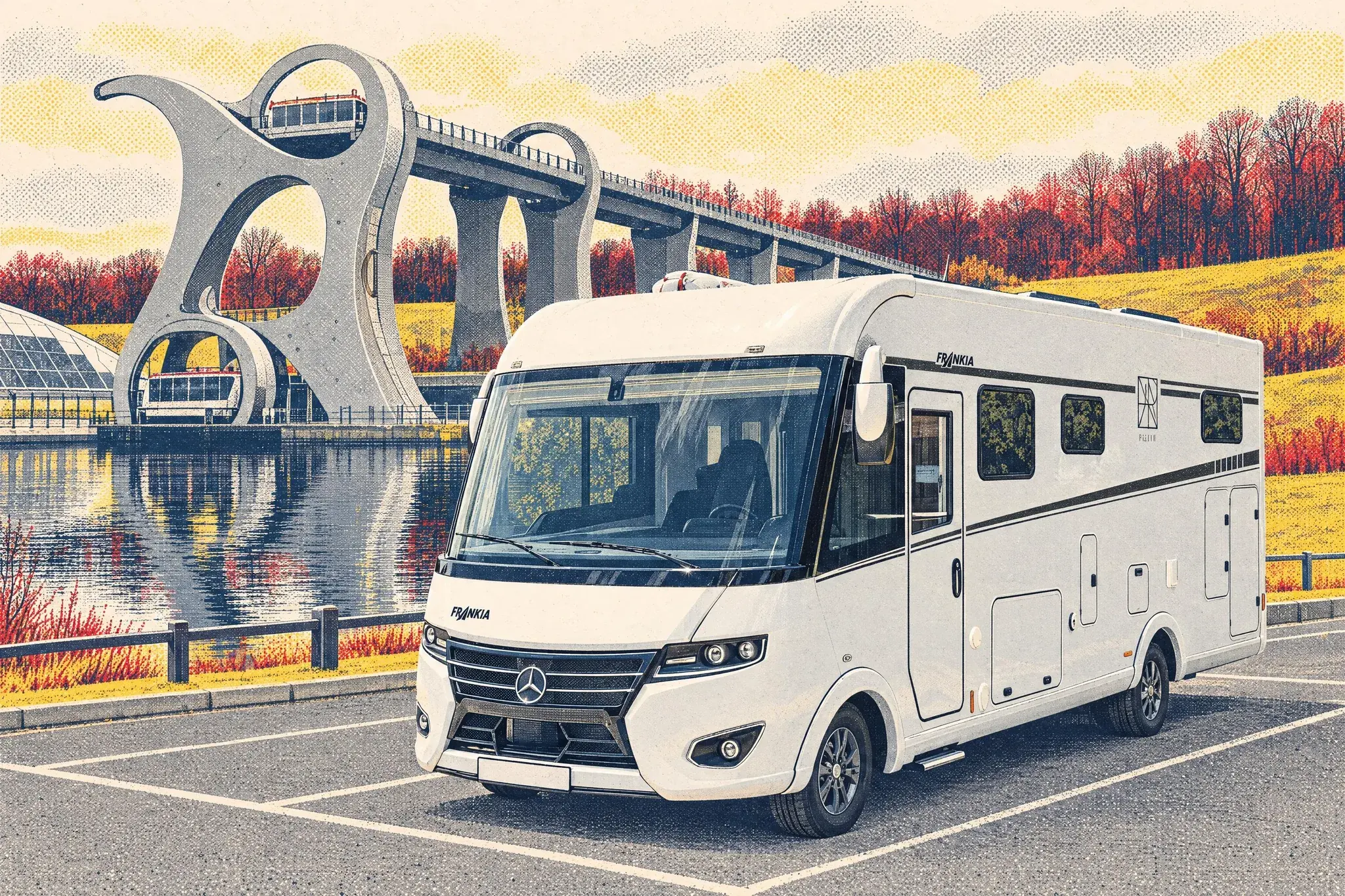
The short answer
Frankia is a long-established German premium maker, building coachbuilt and A-class motorhomes in Bavaria since the 1960s for people who tour for months rather than long weekends. What your money buys is genuine cold-weather insulation, real build quality and the kind of intelligent storage that makes living aboard easy. The main UK question is left-hand drive, since right-hand-drive examples are limited, and as with any large A-class you will want to check the licence and payload, many are plated above 3,500kg and need a C1, and the spare payload can be modest. None of that should put you off if it suits how you travel, it just rewards doing the homework first. Here is who Frankia are, what you are really paying for, and whether UK buyers should look.

Frankia is one of those names you start noticing once you have spent a while reading about motorhomes. It sits in the premium part of the market, it comes from Germany, and it tends to attract people who plan to live in their van for months at a time rather than weekends. If you have ever stood next to one on a campsite and wondered why it looks so calm and solid, this guide is for you.
The honest aim here is simple. By the end you will understand what Frankia actually makes, how the brand is built, what you genuinely get for the money, and the real questions a UK buyer needs to ask before falling for the badge. None of this is a sales pitch. Frankia is not for everyone, and a big part of being useful is saying so plainly.
Who Frankia are and where they come from
Frankia is a German motorhome manufacturer based in Marktschorgast, a small town in northern Bavaria. The name comes from Franconia, the region of Germany the company calls home. It has been building caravans since 1960 and motorhomes since 1973, which by industry standards makes it an old and settled name rather than a newcomer chasing a trend.
For most of its history Frankia has positioned itself firmly at the upper end. It does not try to be the cheapest, the most playful, or the most experimental. It aims to be the calm, well made, quietly expensive choice. Think of it the way you might think of a long established furniture maker. The point is not novelty. The point is that things fit, things last, and the finish does not annoy you after three winters.
Frankia today is part of a larger group, and the brand belongs to the French Pilote Group, which has been its parent company since 1990. That ownership matters less day to day than you might expect, because Frankia continues to design and build its vehicles with its own approach and its own factory. What it does mean is that the company has the engineering depth and the buying power of a bigger operation behind it, which helps with things like parts supply and long term support.
What kind of buyer Frankia chases
Frankia openly targets the long tour, two person, retirement and semi retirement buyer. Not exclusively, but that is the centre of gravity. The typical Frankia owner is someone who has owned a couple of motorhomes already, knows what irritates them, and is willing to pay more to make those irritations go away. They tend to travel for weeks or months rather than the odd bank holiday.
That focus shapes everything. The layouts favour comfort over bunk count. The insulation is built for genuine winter use, not just a mild April. The storage is designed for two people who pack properly rather than a family of five cramming in. If you understand that focus, a lot of the brand suddenly makes sense.
What Frankia actually builds
Frankia makes motorhomes, not small campervans. If you are after a compact van you can park in a normal bay and use as a second car, Frankia is not your brand. Its products are full size leisure vehicles in three broad shapes.
Coachbuilt motorhomes
The coachbuilt is the classic motorhome shape. A cab from a base vehicle at the front, then a purpose built living body behind it, usually with a bed over the cab, known as the overcab or Alcove, or a smooth profile roof with no overcab bed. Frankia builds both. The low profile versions look sleek and drive a little better in wind. The overcab versions give you an extra permanent double bed up top, which is useful if you sometimes carry grandchildren or friends.
A-class motorhomes
This is where Frankia is best known. An A-class has no separate van cab. Instead the whole front of the vehicle is built by the motorhome maker, with a large panoramic windscreen, a wide dashboard, and the living space flowing right up to the front seats. A-class vehicles usually have a big electric drop down bed above the cab that lowers at night and tucks away in the day, freeing up the front for a proper lounge.
A-class motorhomes feel the most like a small apartment on wheels. The view out of the front is enormous. The downside is size, weight, and cost. Frankia A-class models are large vehicles, and they are priced accordingly. This is the heart of the range and where the brand spends most of its design energy.
The base vehicles underneath
Like almost every European motorhome maker, Frankia builds its bodies onto commercial van chassis from the mainstream manufacturers. The most common base is the Fiat Ducato chassis, which underpins a huge proportion of European motorhomes. Frankia also offers builds on other chassis options for buyers who want more payload, more power, or a different driving feel.
One thing Frankia is known for is offering a lowered, motorhome specific chassis variant on some models, which drops the floor height and lowers the centre of gravity. The result is more interior headroom for a given external height, better stability, and a step that is easier to climb. It is a small engineering decision that tells you a lot about the brand's priorities.
What you are actually paying for
This is the question that matters most. Frankia is expensive. A new one will cost more than a mainstream equivalent of similar size, sometimes considerably more. So the fair question is not whether it is dear. It is. The fair question is what that money buys, and whether those things matter to you.
Insulation and genuine cold weather use
Frankia builds for proper winter. Many mainstream motorhomes are perfectly comfortable in spring and autumn but start to struggle when it is genuinely cold. The water system freezes, condensation builds, and the heating cannot keep up. Frankia invests heavily in the parts you cannot see. Thicker walls, better insulated floors, heated and insulated waste tanks, double glazed windows, and warm air ducting routed to keep the whole van usable below freezing.
If you intend to ski tour, chase the northern lights, or simply use the van through a British winter rather than mothballing it from October, this is real value rather than marketing. If you only ever travel between April and September in mild weather, you are paying for capability you may never use.
Build quality and finish
The fit and finish is where the premium feel lives. Cabinet doors that close with a soft, solid action. Drawers on proper runners. Worktops that feel like furniture rather than laminate offcuts. Joints that line up. Trim that does not rattle on a rough road. None of this sounds exciting in a list, but it is exactly the stuff that grinds you down in a cheaper vehicle over years of use.
Frankia also tends to use higher grade materials throughout. Better upholstery, thicker flooring, more substantial fittings. Again, the question is how much you value this. Some people genuinely do not notice or care. Others find that a beautifully made interior changes how they feel about every trip.
Layout intelligence and storage
Premium makers usually do storage well, and Frankia is no exception. Garages at the rear that swallow bikes, e-bikes, golf clubs, or an awning. Wardrobes sized for clothes you actually take on a long trip. Kitchen storage that holds real cookware. The design assumes you will live in the van, so it is engineered around the reality of living rather than the showroom impression of a weekend away.
The premium you pay is mostly invisible. It is in the walls, the chassis, the runners, and the way it all behaves after three winters. If those things do not matter to how you travel, the premium is hard to justify.
The big question for UK buyers: left hand drive
Here is the single most important thing for anyone reading this from the UK. Frankia is a German company that builds primarily for the mainland European market, where vehicles drive on the right and are therefore left hand drive. That has a direct, practical effect on you.
Are right hand drive Frankias available?
Right hand drive availability from premium European A-class makers has always been limited and, in some periods, very limited indeed. Frankia has at times offered right hand drive on certain models and at other times focused almost entirely on left hand drive. Availability changes year to year, model to model, and with the wider supply situation. So the first thing any UK buyer should do is ask the specific question for the specific model and year, rather than assuming.
If a right hand drive version is offered, you are in a much simpler position. If it is not, you face a real decision, because a left hand drive motorhome in the UK is a legitimate choice but it comes with consequences you need to understand before you commit tens of thousands of pounds.
What left hand drive actually means day to day
Plenty of British motorhomers happily run left hand drive vehicles, especially those who spend most of their time touring mainland Europe. On the right hand side of the road, a left hand drive van is genuinely better. The driver sits towards the centre line, overtaking sightlines are good, and pulling into European service stations and toll booths feels natural.
In the UK, the picture flips. The honest list of drawbacks looks like this.
- Overtaking on single carriageways. You sit on the wrong side to see past the vehicle in front. On a long A-road behind a lorry, this is the moment you feel it most. You either rely on a passenger to call it, or you wait for dual carriageways.
- Tight British lanes and hedges. Judging your nearside, which is now the far side from the driver, takes practice on narrow roads with stone walls and overgrown verges.
- Toll booths, car parks, and drive throughs. Anything with a window or a barrier on the driver's side at home becomes a passenger job or an awkward shuffle.
- Resale within the UK. A left hand drive premium motorhome appeals to a smaller pool of UK buyers, which can affect how quickly it sells and at what price.
None of these is a reason not to buy. They are reasons to be honest with yourself about how and where you will use the van. If your dream is six months a year touring France, Spain, Italy, and Germany, left hand drive is arguably the right choice and the UK drawbacks barely register. If your reality is mostly Cornwall, the Lakes, and the Scottish Highlands on single track roads, think very carefully.
Buying new versus buying used
Buying a new Frankia in the UK usually means going through a specialist dealer who handles European premium marques, agreeing the spec, and waiting for the build. Buying used opens up the wider European market, which is where many UK buyers actually find their Frankia, often left hand drive and often imported. Importing a used motorhome from the continent is entirely doable, but it adds steps: registration, the import process, ensuring the vehicle meets UK requirements, and arranging the right insurance. Build that admin into your plans rather than discovering it after you have paid.
Sizes, weights, and the licence question
This is the part that catches more people out than left hand drive, and it applies to almost all large premium motorhomes, not just Frankia. UK driving licence rules around weight are genuinely important and not optional.
The 3,500kg licence line
If you passed your car test on or after 1 January 1997, your standard category B licence generally lets you drive vehicles up to 3,500kg maximum authorised mass, often written as MAM or sometimes as gross vehicle weight. That figure is the absolute legal limit for the loaded vehicle, including you, your passengers, water, gas, food, and every bit of kit.
Many full size A-class motorhomes, and plenty of larger coachbuilts, have a maximum weight above 3,500kg. They are commonly plated at 3,850kg, 4,250kg, 4,500kg, or higher. To drive those legally on a post 1997 licence, you need the C1 entitlement, which covers vehicles up to 7,500kg.
Who has C1 and who does not
If you passed your car test before 1 January 1997, you almost certainly have C1 grandfathered onto your licence already, usually valid until age 70 and then subject to a medical to renew. Check your licence categories to be sure. If you passed after that date and do not have C1, you would need to take a separate medical and test to gain it. That is time and money, but for many serious motorhomers it is worth doing because it opens up the heavier, more capable, more comfortable vehicles, which is exactly where Frankia lives.
Why payload is the number that really matters
Here is the trap. A motorhome might be plated at 3,500kg so you can drive it on a standard licence, but if its empty weight is already high, the payload left over for everything you carry can be alarmingly small. Premium A-class vehicles are heavy because they are big and built solidly. Insulation, double glazing, large batteries, and quality fittings all add kilograms.
Before you buy, ask for the genuine unladen mass of the actual vehicle with its options fitted, not the brochure figure for a base model. Then do the sum. Subtract that from the maximum weight. What is left has to carry passengers, a full fresh water tank, a full toilet flush tank, gas bottles, food, clothes, bikes, the awning, the dog, and everything else. People routinely overload motorhomes without realising, and an overweight vehicle is a problem for insurance, for safety, and for the law.
The single best habit a serious motorhome buyer can build is to weigh the loaded vehicle at a public weighbridge after a typical pack. Numbers on paper lie. The weighbridge does not.
Heating, water, and the systems that make winter possible
Premium motorhomes earn their keep in the systems you do not see. Frankia tends to specify these generously, and understanding them helps you judge whether the premium is worth it for your kind of travel.
Heating
European motorhomes generally use one of two heating approaches. A gas blown air system, which heats the air and pushes it round the van through ducts, often combined with hot water. Or a diesel based system that draws from the vehicle fuel tank and does the same job without you needing to manage gas bottles. Many premium vans offer underfloor warmth and clever ducting so the cold spots near the floor and the water system stay above freezing.
For winter use, the detail that matters is whether the heating keeps the water tanks, pipes, and waste system warm, not just the cabin. A van that is toasty at head height but freezes its pipes overnight is no use in January. Frankia's winter focus shows here, with heated tanks and insulated runs as standard or common options.
Water and waste
Look for fresh and waste tanks mounted inside the heated envelope of the vehicle rather than hanging underneath in the cold air. Insulated, heated waste tanks are one of the clearest signs that a motorhome was designed for real cold weather. It is the difference between emptying your grey water normally in February and finding it frozen solid.
Power and batteries
Modern premium motorhomes increasingly come with large leisure battery banks, often lithium, plus solar on the roof and sophisticated charging that tops up from the engine, the mains, and the sun. This matters most if you want to stay off grid, away from hook ups, for days at a time. If you always stay on serviced pitches with electric, you need less of it. Match the spec to how you actually travel rather than buying the biggest system because it sounds impressive.
Driving and living with a big A-class
A large A-class motorhome is a wonderful thing to travel in and a serious thing to drive. Both are true at once, and it helps to be clear eyed about both.
On the road
These are big, tall, heavy vehicles. They are not difficult to drive once you adjust, but they demand respect. You sit high with a commanding view, which most people love. Crosswinds on exposed bridges and motorways need attention because of the large flat sides. Fuel consumption is what you would expect from a heavy box: plan on figures well short of a car, and let that shape your budget.
Parking is the real lifestyle change. You will not nip into a town centre car park. You plan your stops around motorhome friendly parking, aires on the continent, and campsites at home. For the kind of buyer Frankia targets, this is part of the rhythm rather than a problem, but it is worth being honest that the van shapes your day rather than the other way round.
Living inside
This is where the premium pays off most obviously. A well designed A-class with a drop down bed gives you a proper lounge by day and a generous bed by night without making the bed up from the seating every evening. The kitchen is usable for real cooking. The bathroom is a place you would happily shower daily rather than dash in and out of. The whole space is built to be lived in for long stretches, and after a week away that quality changes how relaxed you feel.
How Frankia compares to mainstream motorhomes
It would be against the spirit of this guide to start ranking brands against each other, so we will not. But it is fair and useful to describe the general difference in approach between a premium European A-class maker and the mainstream of the market, because that difference is what you are weighing up.
Mainstream motorhomes are built to a price that more people can reach. They are perfectly good for the use most owners actually put them to, which is spring to autumn touring, weekends and a couple of longer trips a year. They depreciate, they sell easily because lots of people can afford them, and parts and servicing are widely available. For a great many buyers they are exactly the right answer, and spending more would be money wasted on capability they will not use.
Premium makers like Frankia build to a standard rather than a price. The result is heavier, more expensive, more capable in cold weather, and finished to a level you notice every day. The trade is cost, weight that may push you into C1 licence territory, and a narrower resale pool. Neither approach is right or wrong. They serve different people and different ways of travelling.
A simple way to decide which camp you are in
- If you travel a lot, for long periods, in varied weather, and you intend to keep the van many years, the premium argument gets stronger.
- If you travel mainly in the warmer months, for shorter trips, and you might change vehicle in a few years, the premium argument gets weaker.
- If most of your touring is mainland Europe, a left hand drive premium van is a natural fit.
- If most of your touring is the UK on small roads, weigh left hand drive very carefully and prioritise visibility and size over badge.
Running costs and the reality of ownership
Owning any large motorhome costs more than people expect before they own one, and a premium A-class sits at the higher end of that. None of this is anyone's fault. It is simply the structural cost of running a large, heavy, specialist vehicle. Going in with clear eyes prevents nasty surprises.
Depreciation
Premium motorhomes often hold their value relatively well in proportional terms because they were well built and sought after, but the absolute pound figures are large because the starting price is large. A vehicle that loses a modest percentage of a big number still loses a meaningful amount of money. Buying used, where the first owner has absorbed the steepest part of the drop, is often the smartest financial move on a premium marque.
Insurance
Insuring a high value motorhome costs more, and a left hand drive or imported vehicle can narrow your choice of insurers and nudge premiums up. Specialist motorhome insurers understand these vehicles best. Things that help your premium include secure storage, limited annual mileage, an alarm and tracker, and a clean licence. Get quotes before you buy, not after, so the cost is part of your decision.
Servicing and habitation checks
A motorhome needs two kinds of care. The base vehicle needs normal mechanical servicing and an MOT once it is old enough, just like any van. The living area needs a separate annual habitation check, which inspects the gas system, the electrics, the water system, the heating, and crucially the bodywork for damp ingress. Damp is the great enemy of any motorhome, and a habitation check is how you catch it early. Premium bodies are built to resist water better than most, but no vehicle is immune, so the annual check is non negotiable.
Fuel, tolls, and the cost of size
A heavy A-class will not be cheap to fuel, and on the continent some toll and ferry charges scale with vehicle height and length, which large motorhomes can trigger. Crossings to the continent cost more for tall vehicles than for cars. Again, none of this is a problem, it is simply the budget reality of travelling in a large vehicle, and it should be planned rather than discovered.
What to check before you buy a Frankia
If you have read this far and a Frankia still appeals, here is a practical checklist to work through before money changes hands. This applies whether you buy new from a UK dealer or used from the continent.
The paperwork and the basics
- Confirm drive side. Is the specific vehicle left or right hand drive, and are you genuinely happy with that for your kind of touring?
- Check the weight plate. What is the maximum authorised mass, and does your licence cover it? If it is over 3,500kg, do you hold C1?
- Get the real unladen weight. Ask for the actual figure with options fitted, then calculate the genuine payload left over.
- Service history and habitation history. A full record of mechanical servicing and annual habitation checks is reassuring. Gaps are a question to ask, not necessarily a deal breaker.
- Import status, if used from Europe. Is it already UK registered, or will you handle that? Understand the cost and time involved.
The physical inspection
- Damp. Get a damp meter reading on the walls, especially around windows, roof lights, the rear, and any joins. This is the most important single check on any used motorhome.
- The drop down bed. On an A-class, operate the electric bed several times. It is a complex mechanism and you want it smooth and quiet.
- Heating and water. Run the heating. Fill the water system and check for leaks and proper pump operation. Confirm the tanks are where the brochure says and that any heating elements work.
- Cab and chassis. Treat the base vehicle like buying any large van. Check service history, tyres including their age not just tread, brakes, and look underneath for corrosion.
- Electrics. Test the battery state, the solar if fitted, the mains charging, and every 12 volt circuit. Sit and read the control panel until you understand it.
The honest self assessment
- Where will I really travel, UK or continent, and does the van suit that?
- Where will I store it? Many premium vans are too big for a normal driveway, and storage costs money.
- Have I budgeted for insurance, servicing, habitation checks, fuel, and tolls, not just the purchase price?
- Am I buying capability I will use, or a badge that will sit unused most of the year?
Common misconceptions about premium German motorhomes
A few myths follow brands like Frankia around. It is worth clearing them up because they push people into both bad purchases and missed opportunities.
Myth: premium means trouble free
No motorhome is trouble free. A premium one is generally better built and may give you fewer niggles, but it is still a complex vehicle full of pipes, pumps, electronics, and a habitation body that flexes down the road. You still need the annual checks, you still get the occasional fault, and parts for a specialist vehicle can take longer to source. Premium reduces hassle. It does not abolish it.
Myth: left hand drive ruins the experience
For the right owner it does the opposite. If you tour the continent for long stretches, left hand drive is the better tool for the job. The trouble only appears when a UK focused buyer assumes they will adapt and then spends their life behind tractors on Devon lanes unable to see past. It is about matching the vehicle to your travel, not a universal verdict.
Myth: the premium is all badge
Some of the premium is intangible, yes. But a meaningful chunk of it is real engineering you can point to: insulation, chassis choices, heated tanks, double glazing, and build standards that survive years of use. Whether that real value is worth the real money depends entirely on how you travel. It is not snake oil, but it is not magic either.
Myth: you must buy new
Often the opposite is true. A well kept used premium motorhome lets someone else absorb the steepest depreciation while you inherit a vehicle built to last. The key is a thorough inspection and good history. Many of the happiest Frankia owners in the UK bought used, frequently from the continent, and saved a great deal while getting the build quality they wanted.
So, should a UK buyer look at Frankia?
Here is the honest bottom line, with no spin.
Look seriously at Frankia if you are the buyer it is built for. That means you travel a lot, for long periods, you care about winter capability and genuine build quality, you do most of your touring on the continent or are at least comfortable with a left hand drive vehicle, and you either hold the C1 licence entitlement or are willing to gain it. For that person, a Frankia is a deeply satisfying vehicle that rewards the money over many years and many miles. The quality is real, the comfort is real, and the long tour focus is exactly what they need.
Be cautious if your reality is different. If you tour mainly the UK on small roads, mostly in the warmer months, for shorter trips, and you might change the van in a few years, a large left hand drive premium A-class may give you more vehicle, more cost, and more compromise than you actually need. There is no shame in that. The cheaper, lighter, right hand drive mainstream choice exists precisely because it suits most people's travel better, and spending less on the right tool is smarter than spending more on the wrong one.
The decision is not really about whether Frankia is good. It clearly is, within its niche. The decision is about whether you are standing in that niche. Be honest about how you travel, run the licence and weight sums properly, settle the left hand drive question early, and the answer becomes obvious for your situation.
A final word on doing it properly
Whatever you decide, the process matters more than the badge. Weigh the loaded vehicle. Read the licence categories on your own licence. Get the real payload figure, not the brochure one. Insure before you commit. Inspect for damp without mercy. Budget for the running costs that come with any large motorhome rather than just the price on the windscreen. Do those things and you will buy well, whether that turns out to be a Frankia or something else entirely.
A motorhome is a big purchase and an even bigger promise to yourself about how you want to spend your time. The right one, bought with clear eyes, pays you back in years of easy travel. The wrong one, bought on impression, becomes an expensive ornament on the drive. Frankia can absolutely be the right one. Just make sure it is the right one for you, and not simply the most impressive thing in the showroom.
Common questions
Who makes Frankia motorhomes?
Frankia is a German manufacturer based in Marktschorgast in northern Bavaria, named after the Franconia region. It has built motorhomes since the 1960s, making it an old and settled premium name, and it tends to attract buyers who plan to live in their van for long stretches rather than the odd weekend.
What do you get for the premium on a Frankia?
Genuine cold-weather insulation and build quality, a well-finished interior and intelligent storage and layout design. It is built for buyers who travel a lot and care about durability and winter capability, which is where the extra cost over a mainstream motorhome shows itself in real use rather than just in the badge.
Are Frankia motorhomes available in right-hand drive?
Right-hand-drive Frankias are limited, so left-hand drive is the big question for UK buyers. Left-hand drive changes overtaking and junctions on British roads and can affect which side the habitation door is on. It suits buyers who tour mostly on the continent or are comfortable adapting, so confirm right-hand-drive availability early if that matters to you.
What licence and weight should I check on a Frankia?
A category B licence covers up to 3,500kg. Many full-size A-class and larger coachbuilt Frankias are plated above that, at 3,850kg, 4,250kg, 4,500kg or higher, which needs category C1. Drivers who passed before 1 January 1997 usually have C1, while those who passed later need a test and medical. Even a 3,500kg-plated van can leave very little payload if its empty weight is high.
Should a UK buyer consider a Frankia?
It depends whether you are in its niche. Frankia suits buyers who travel a lot for long periods, value winter capability and genuine build quality, do much of their touring on the continent or are comfortable with left-hand drive, and either hold C1 or will gain it. Be honest about how you travel, run the licence and payload sums, and settle the left-hand-drive question early.
The reachable bit
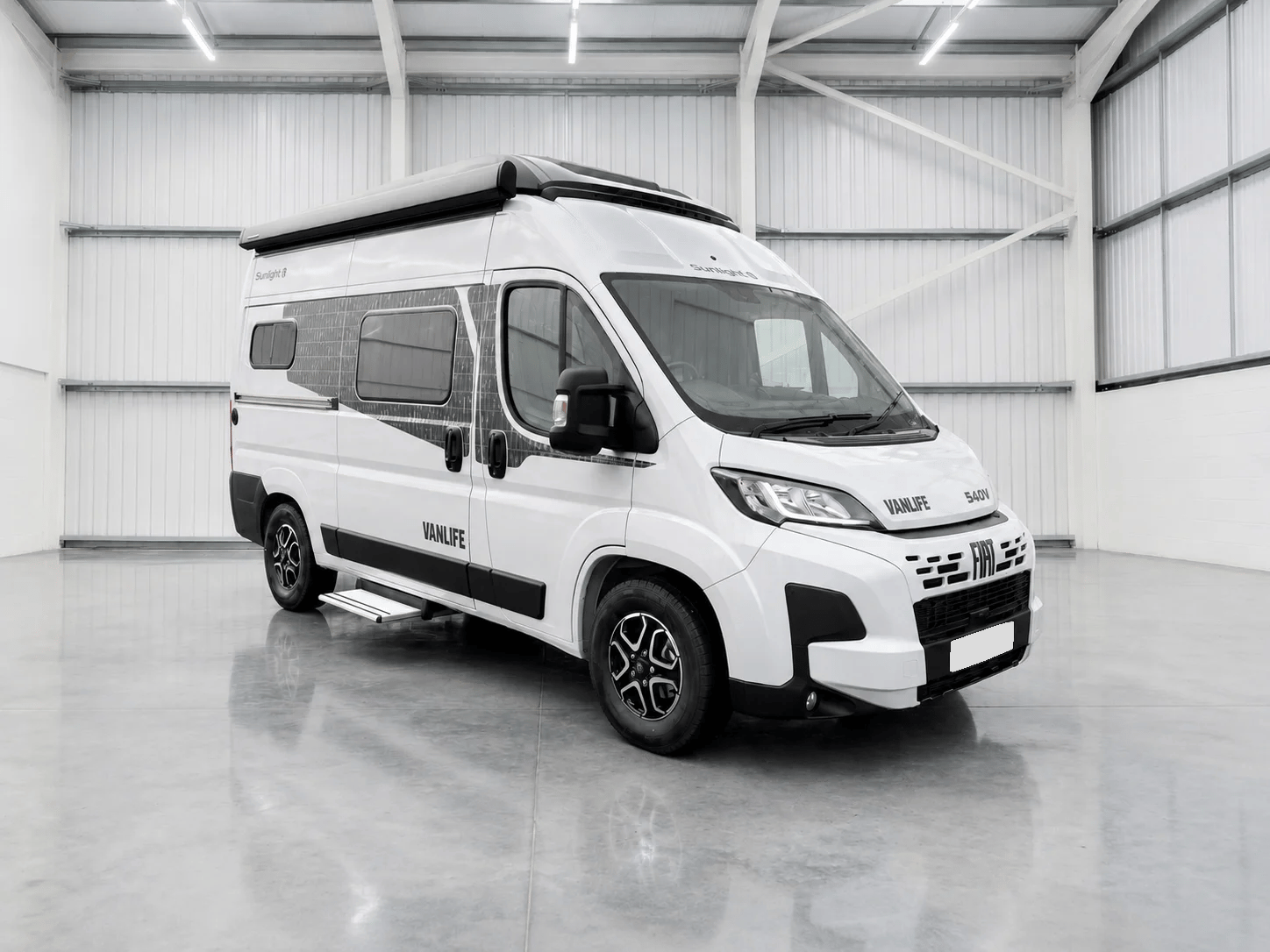
The camper you fall for is rarely the one you can afford. That gap is the whole reason Campervan.win exists. Right now we’re giving away the Sunlight Vanlife, worth around £65,000, and closing that gap is the point: capped entries so the odds stay honest, £10 a ticket, a maximum of five per person, £500 to a UK charity from every full draw, the winner picked by a public randomness beacon anyone can re-check, and one person driving away in the van itself.
Enjoyed this post?
Get more honest campervan guides like this one in your inbox.
You’re in!
Check your inbox. We’ve just sent you a welcome email.

About the author
Arthur
Arthur writes buying guides, comparisons, and in-depth explainers to help readers choose the right campervan or motorhome with confidence.
Keep Reading
Related Reading
Thoughtful articles that build on what you’ve just read.
Motorhome Buying Guides
12 min read
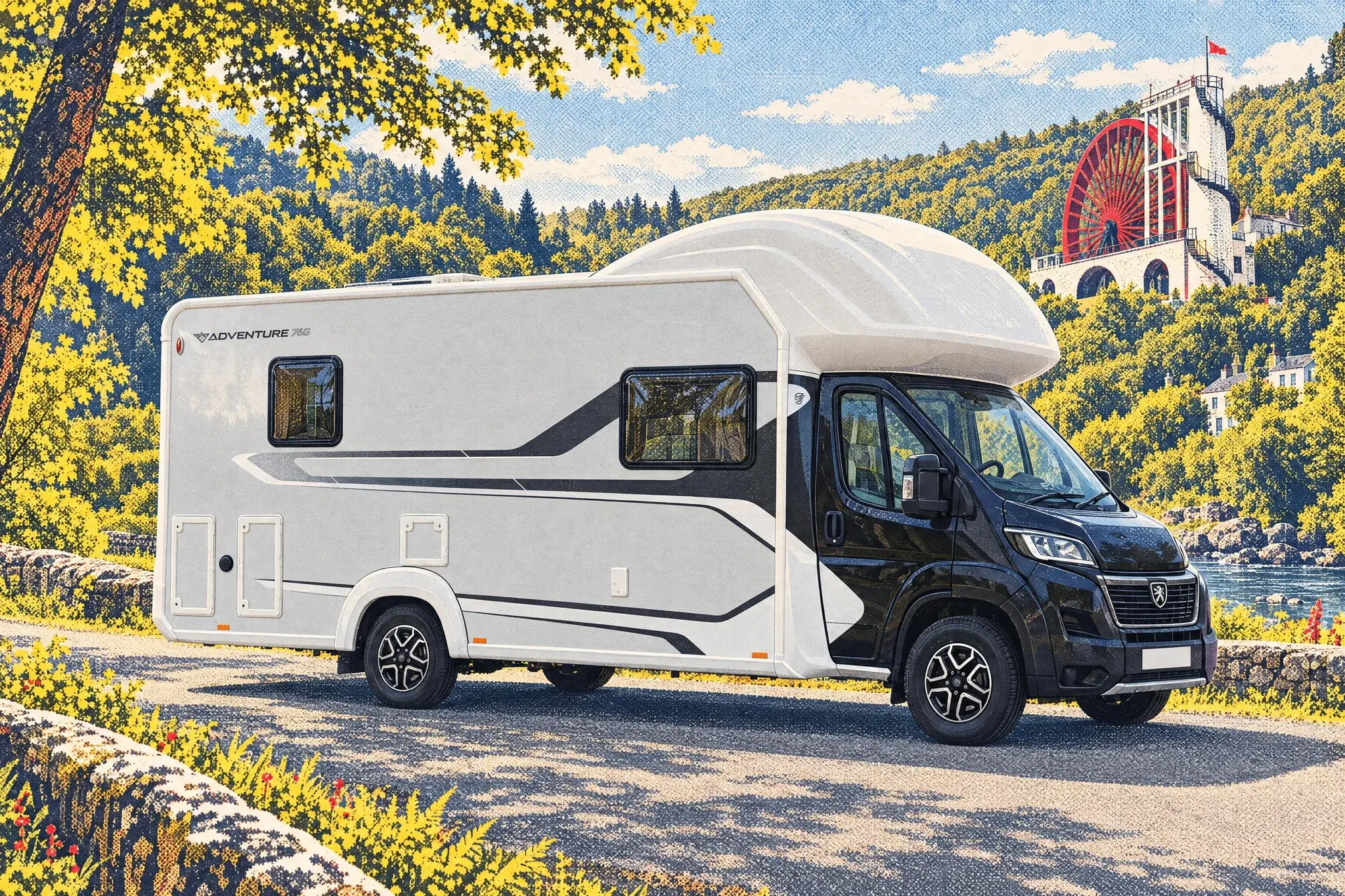
Auto-Trail Adventure 2027: the overcab is back, and two options change your licence
Auto-Trail's new Adventure coachbuilt puts a permanent bed over the cab of a Peugeot Boxer and prices the long models at £71,000 ex-works. Here is why that layout suits a family of four, and the weight, licence and payload questions to settle before you sign.
Motorhome Buying Guides
14 min read
Family motorhomes at the NEC for 2027: belts, beds and the payload sum that decides them
The 2027 family layouts at the NEC sleep four to seven, but the numbers that decide whether they work for your family are the belted seats, the Isofix points and the weight left once everyone is aboard. We do the sums model by model.
Motorhome Buying Guides
10 min read
Buying a motorhome at the NEC: what you commit to when you sign on the stand
A plain-English explainer on what a signature on a show stand at the NEC commits you to: cancellation rights that are not as clear as people think, what happens to a deposit, why withdrawing from finance does not cancel the van, why Section 75 rarely covers a motorhome deposit, and your rights if the van arrives faulty.
Motorhome Buying Guides
9 min read
NEC show offers 2026: how to judge the Auto-Sleepers, Auto-Trail and Marquis deals
The October 2026 NEC show offers from Auto-Sleepers, Auto-Trail dealers and Marquis Leisure, decoded: what each free pack is worth to you, what it weighs, what a heavier plate means for your licence and tax, and the questions to settle before you sign.