
The Karmann Gipsy: the rare coachbuilt VW classic worth knowing

Written by
Rowan
Rowan writes editorial features, comparisons, and industry context pieces that help readers understand the campervan and motorhome landscape.
The short answer
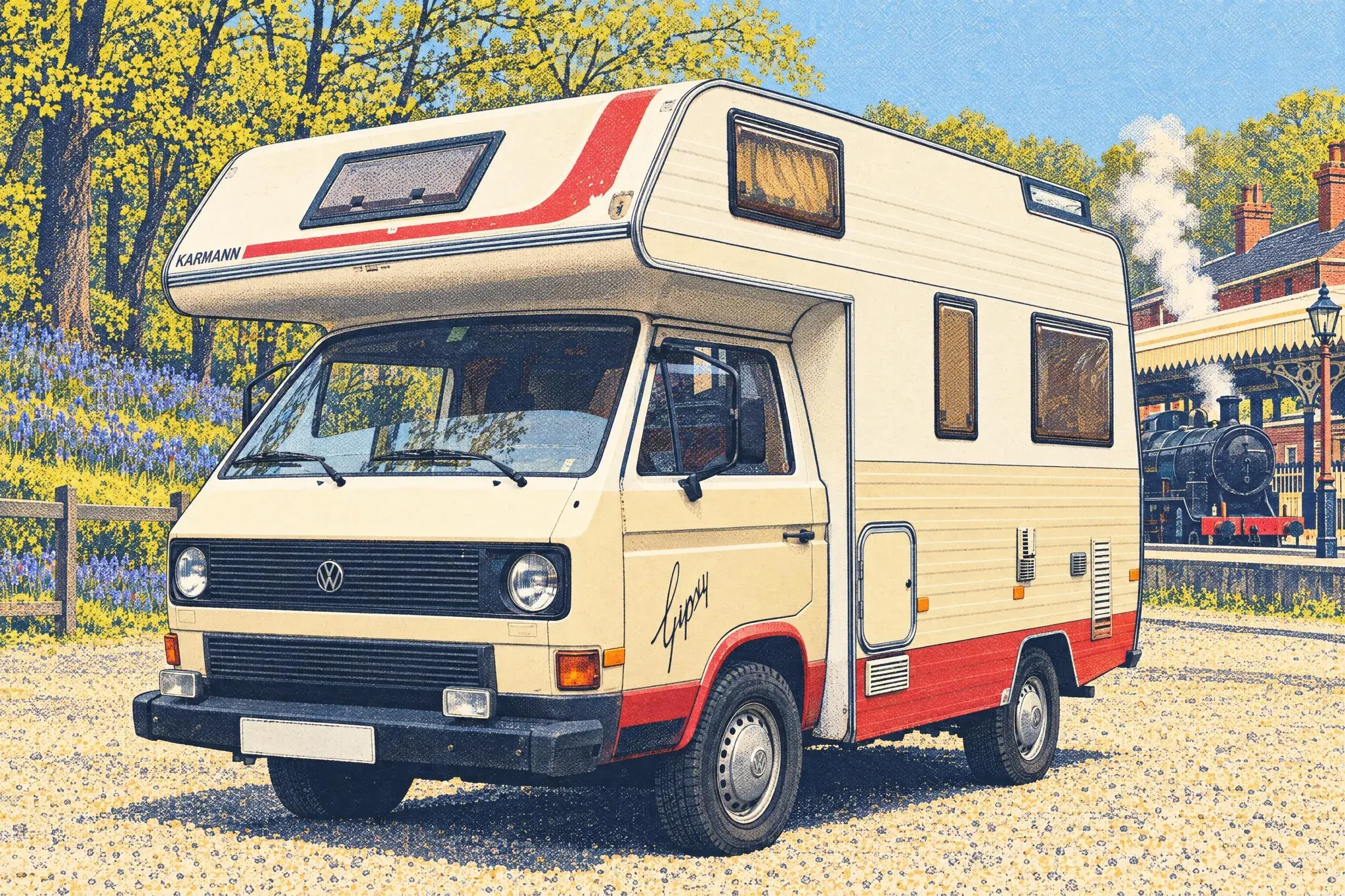
The Karmann Gipsy is a rare coachbuilt motorhome built on the VW T25 by Karmann, the German coachbuilder behind the Karmann Ghia. Only around 741 were made, with roughly 200 surviving, and its over-cab Luton, kitchen and shower made it a real motorhome in a compact classic. Early cars now qualify for UK historic status.

Some classic campers are famous. The split-screen VW, the Bay window, the Westfalia pop-top. The Karmann Gipsy is not one of those. It is rarer, quieter, and in its own way more interesting, because it took a humble VW van and turned it into a proper little coachbuilt motorhome, complete with an over-cab bed and a shower. If you have ever spotted one at a show and wondered what on earth it was, this is the story.
Who were Karmann?
Karmann was a German coachbuilder, founded in Osnabruck in 1901. For more than a century the firm built bodies and special vehicles for the big manufacturers rather than selling cars under its own name. If you know one Karmann product, it is probably the Karmann Ghia, the pretty VW-based coupe of the 1950s and 60s. Karmann also built the Beetle Cabriolet, and in later years worked on cars such as the Mercedes CLK convertible and the Chrysler Crossfire. The company eventually ran into trouble and filed for bankruptcy in 2009, after which Volkswagen took over the Osnabruck factory.
That pedigree matters, because it tells you the Gipsy was not a shed-built conversion. It was the work of a serious coachbuilder that knew how to bond a body together and make it last.
So what is a Karmann Gipsy?
The Gipsy is a coachbuilt motorhome built on a Volkswagen Transporter base. The version most people mean when they say "Karmann Gipsy" sits on the VW T25, also called the T3, the boxy Transporter that VW sold through the 1980s. Karmann had been building campers on the earlier Bay window T2 from the mid-1970s, but it was the T25 Gipsy, with its tall coachbuilt body and over-cab sleeping pod, that became the one collectors chase.
The clever part is the body. Rather than just popping a roof onto a panel van, Karmann took the VW chassis and cab and bonded a moulded coachbuilt body on top in glass-reinforced plastic. That gave the Gipsy far more usable space inside than a standard microbus conversion, and the characteristic Luton, the section that juts out over the cab, became a permanent double bed.
Inside: a proper little motorhome
For such a compact vehicle, the Gipsy packs in a lot. It sleeps up to four, with a double at the rear and a second double in the over-cab Luton. There is a kitchen, a dining area, and, unusually for something this size and this age, a shower. In other words it set out to be a real motorhome rather than a weekender, and it largely succeeded, which is a big part of its charm today.
Layouts and trim varied across the production run, and Karmann offered different models over the years, so no two are quite identical. If you are looking at one, the interior condition and originality matter as much as the mechanicals, because a tired or badly modified interior is a long job to put right.
Driving one, and the mechanical side
Underneath the coachbuilt body, the Gipsy is pure VW T25. That means the engine sits at the back and drives the rear wheels, making it the last of the rear-engined VW vans. Early cars were air-cooled, later ones water-cooled, with petrol engines and a water-cooled diesel option that is willing rather than quick. None of these are fast, and a tall coachbuilt body on top does not help, so you drive a Gipsy at its own relaxed pace and enjoy the view. That is rather the point.
There is a rare treat for the truly keen. A small number of Gipsies were built on the Syncro four-wheel-drive version of the T25, which makes them genuinely capable and very sought after. These are the unicorns of the breed, and priced to match.
Just how rare is it?
This is where the Gipsy earns its place in any classics conversation. Only around 741 Gipsies were ever built. The Karmann Coachbuilts Club, which keeps a register of survivors, records a little over 200 as still with us, with the rest lost to rust, accidents and time. For context, VW sold its everyday Transporters in the millions. The Gipsy was always a niche, low-volume product, and that rarity is a large part of why owners hold on to them so tightly.
Age brings a bonus too. In the UK, vehicles more than forty years old roll into historic status, which means no MOT requirement and no annual road tax. Early Gipsies already qualify, and the rest are getting there, which makes them surprisingly cheap to keep on the road for a motorhome of this size.
What to check before you fall in love
A Gipsy is a classic, and classic ownership is a different game from buying new. The two big things to look at are the body and the base vehicle, because both can cost real money.
- Rust on the VW underneath. The T25 can rot, particularly around the cab floor, the sills, and the area where the coachbuilt body meets the chassis. Repairs here are involved, because you are often working around the Karmann body.
- The coachbuilt body and damp. Like any motorhome, water is the enemy. Check for soft panels, stained ceilings, and damp around the windows and the over-cab Luton. Karmann bodies were well made, but forty years of British weather finds the weak points.
- Originality and parts. Mechanical parts for the T25 are still reasonably available, because so many were made. Karmann-specific body and interior parts are not, so a complete, original van is worth far more than a project missing its trim.
- History and paperwork. A known, cared-for example with a folder of receipts is worth paying more for. The cheap one that needs everything rarely turns out cheap.
Who is it for?
The Gipsy is not the camper for someone who wants to cover big miles in a hurry, or who needs the latest tech and a warranty. It is for the person who loves the idea as much as the trips: a rare, characterful, properly coachbuilt classic that still does the motorhome job, turns heads at every campsite, and wears historic plates with pride. Owned with patience and a little mechanical sympathy, it gives you something a new van never can, which is a holiday and a hobby in the same vehicle.
If that sounds like you, the Karmann Gipsy is one of the most charming and underrated classic campers you can buy. Go in with your eyes open, check it properly, and let the slow pace be part of the appeal rather than the problem. That is exactly the kind of throwback worth celebrating.
Common questions
What is a Karmann Gipsy?
It is a rare coachbuilt motorhome built on a Volkswagen Transporter by Karmann, the German coachbuilder famous for the Karmann Ghia and the Beetle Cabriolet. The best-known version uses the VW T25 (T3) and adds a tall moulded body with an over-cab Luton bed, a kitchen and even a shower, making a proper little motorhome out of a compact classic van.
What is the Karmann Gipsy built on?
The collectable Gipsy is built on the VW T25, also called the T3, the boxy 1980s Transporter. It keeps the T25's rear-mounted engine and rear-wheel drive, with air-cooled engines on early cars and water-cooled petrol and diesel later. Karmann also built earlier coachbuilt campers on the Bay window T2, and a few rare Gipsies used the Syncro four-wheel-drive T25.
How rare is the Karmann Gipsy?
Very. Only around 741 Gipsies were built, and the Karmann Coachbuilts Club records a little over 200 as surviving today. Set against the millions of ordinary VW Transporters made, that makes the Gipsy a genuinely rare and collectible classic, which is a big reason owners tend to keep hold of them.
Does a Karmann Gipsy qualify as a historic vehicle?
Early ones do. In the UK, vehicles more than forty years old roll into historic status, which means no MOT requirement and no annual road tax. The earliest Gipsies already qualify and the rest are getting there, which keeps running costs lower than you might expect for a motorhome of this size.
Is a Karmann Gipsy a good classic to buy?
It can be a lovely one, as long as you buy with your eyes open. It is rare, characterful and still genuinely usable, but it is a forty-year-old vehicle, so check carefully for rust on the T25 underneath and damp in the coachbuilt body, especially around the over-cab Luton. A complete, original, well-documented example is worth paying more for than a cheap project.
The reachable bit
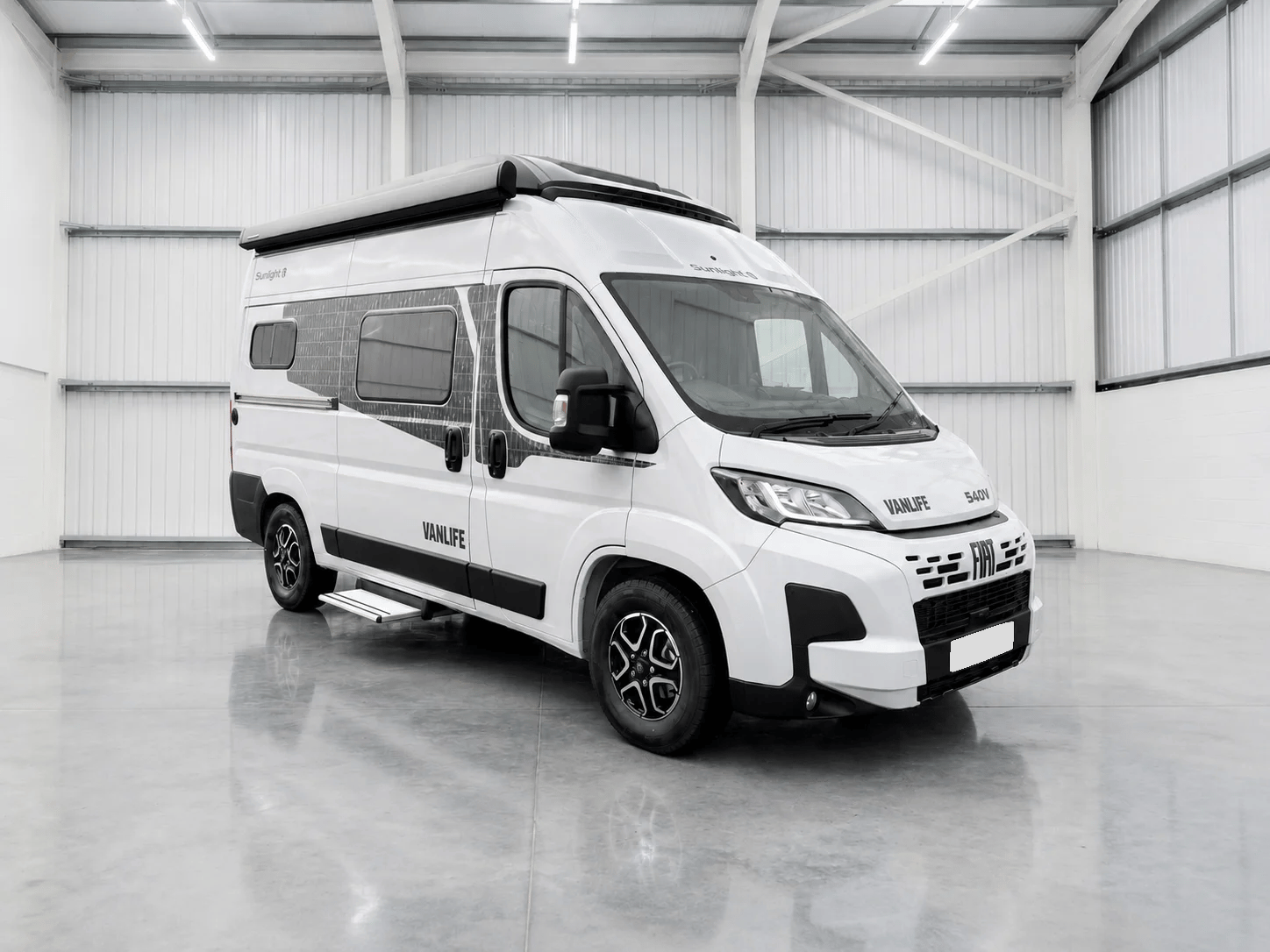
The camper you fall for is rarely the one you can afford. That gap is the whole reason Campervan.win exists. Right now we’re giving away the Sunlight Vanlife, worth around £65,000, and closing that gap is the point: capped entries so the odds stay honest, £10 a ticket, a maximum of five per person, £500 to a UK charity from every full draw, the winner picked by a public randomness beacon anyone can re-check, and one person driving away in the van itself.
Enjoyed this post?
Get more honest campervan guides like this one in your inbox.
You’re in!
Check your inbox. We’ve just sent you a welcome email.

About the author
Rowan
Rowan writes editorial features, comparisons, and industry context pieces that help readers understand the campervan and motorhome landscape.
Keep Reading
Related Reading
Thoughtful articles that build on what you’ve just read.
Campervan Reviews
12 min read
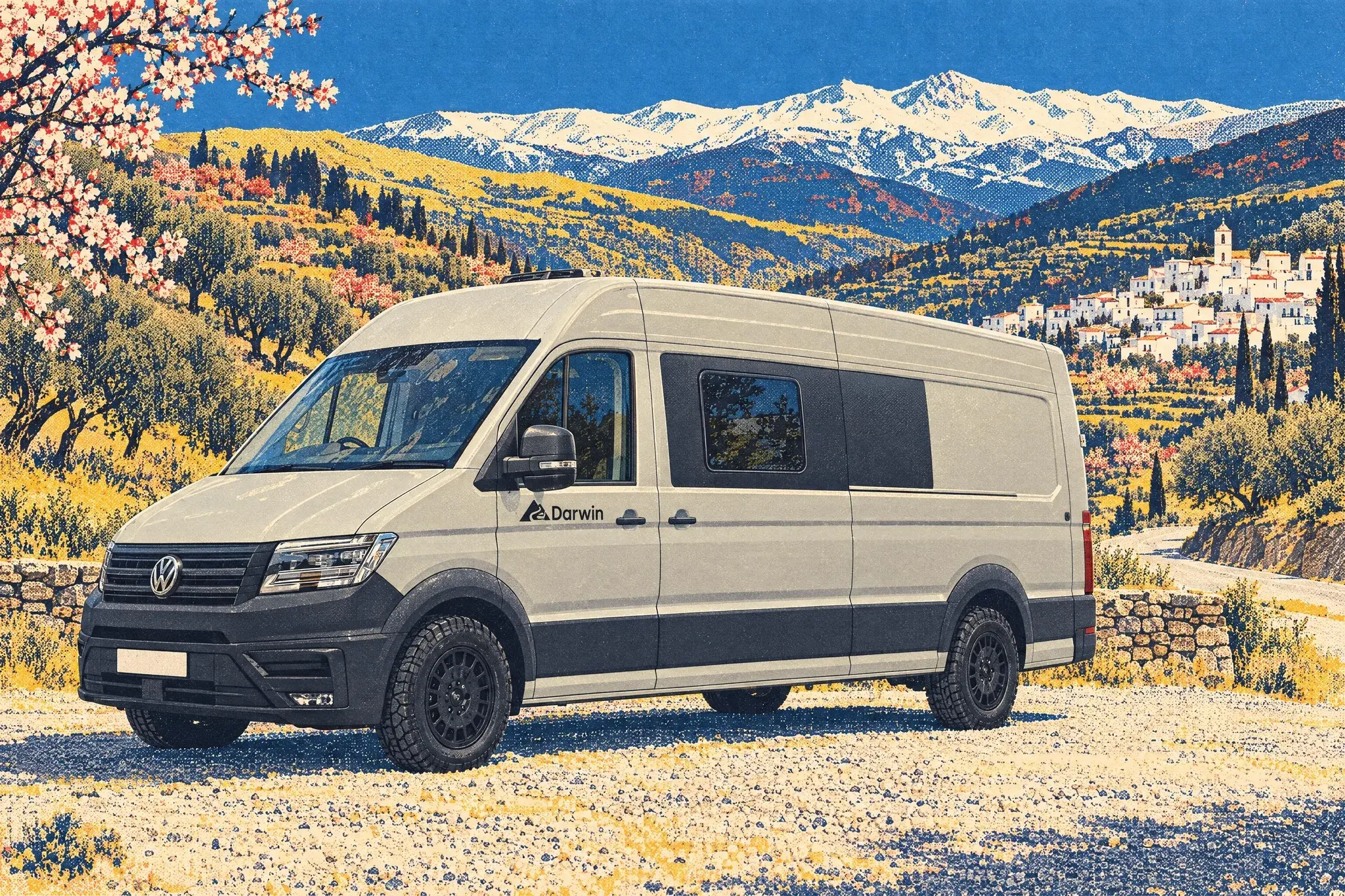
Rolling Homes Darwin review: the long Crafter camper with a proper washroom
The Darwin is Rolling Homes' step up from the Transporter: a long-wheelbase VW Crafter two-berth with an enclosed washroom. We set out what is published, what the price does, and who it suits.
Campervan Buying Guides
13 min read
Rolling Homes of Shrewsbury: VW-qualified campers from the Columbus to the Crafter Darwin
A plain-English profile of Rolling Homes, the Shrewsbury family converter with Volkswagen's Motorhome Qualified Converter status: what it builds on, what each model in the range is for, the 13 October 2026 prices, and what to ask before you put a deposit down.
Campervan Reviews
13 min read
Jerba Cromarty review: the long-wheelbase five-seater with two double beds
The Jerba Cromarty is a 5.45 m Scottish-built camper on a VW T7 or Ford Transit Custom that seats five in belts and sleeps two as standard, or four with the optional roof bed. We look at how it lives, what the from-price buys, the published weights and who it suits.
Campervan Reviews
12 min read
Bilbo's Nexa+ T7 review: a rear kitchen, a cassette toilet and the new Low-Lie roof
The Nexa+ is the Bilbo's for people who want a fitted toilet in a Volkswagen Transporter. We go through the rear-kitchen layout, the beds, the power and heating as published, the T7 base, the £77,930 in-stock price and who it suits.