
Lock'n'Level review: a great little tool, and why a smart 'Pro' version makes sense

Written by
Leo
Leo covers campervan technology, maintenance, kit, and ownership advice, with a clear, practical focus on how things work in real life.
The short answer
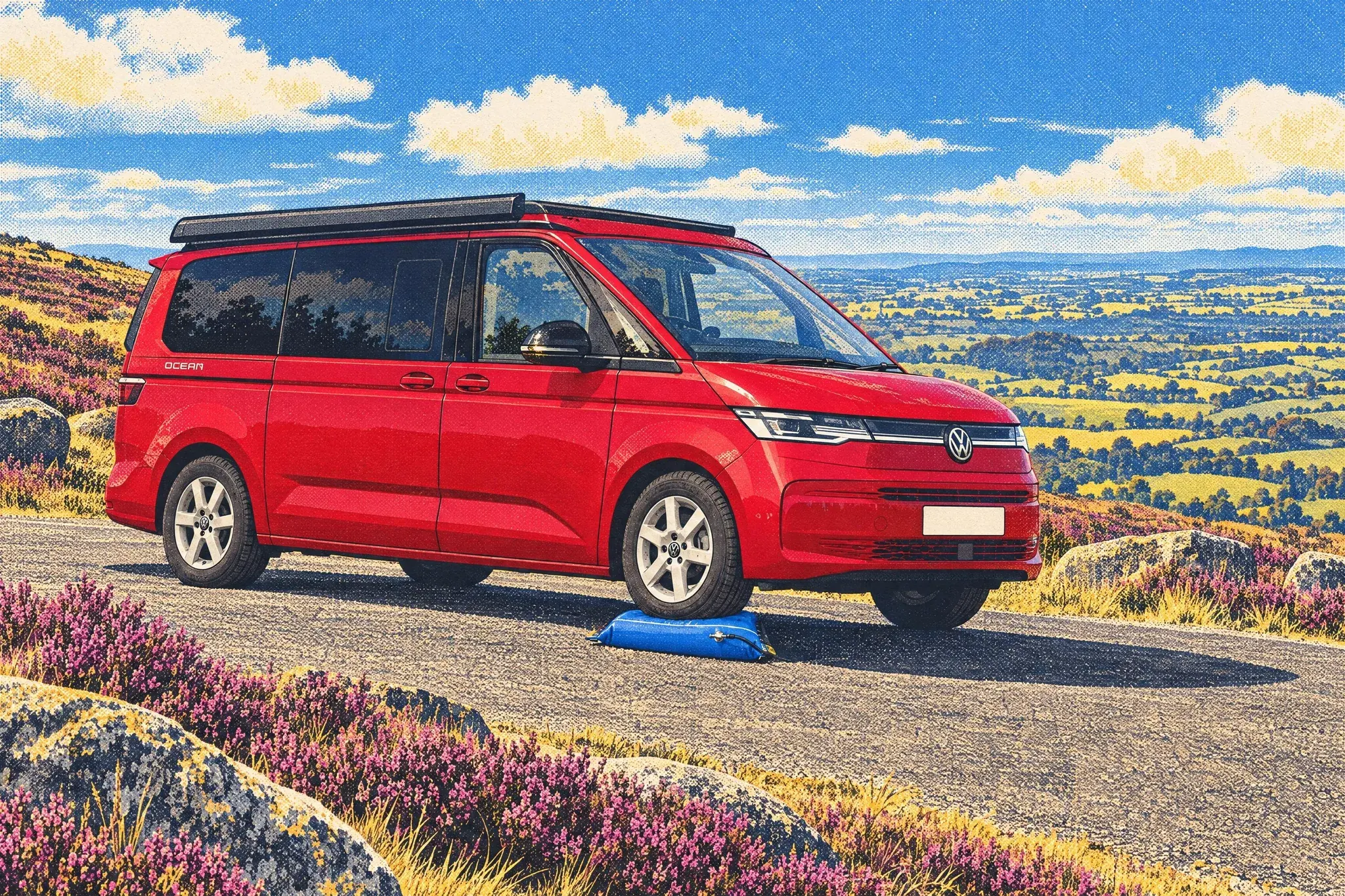
Lock'n'Level is a British inflatable air levelling system. You lay a tough air bag in front of the wheel, drive onto it, then inflate it with any 12V tyre compressor until the van sits level, and a valve holds the air so the corner stays put. It lifts up to about 6 inches at low pressure, with a wide footprint that resists sinking. There is no electronic version today.

Short answer: Lock'n'Level is a genuinely good, well-made British levelling aid that solves a real problem with quiet practicality. It is an inflatable airbag system: you lay the deflated bag in front of the wheel, drive onto it, then add air with any 12V tyre compressor until the van sits level. A simple valve holds the air, so the level stays put. It beats guessing, stacking bricks, or faffing with ramps you have to position by eye, and it spreads the load over a bigger footprint than a tyre so it is less likely to sink on soft ground. There is no electronic version today, and the idea of a smart 'Pro' model is a sound one: a clear inflate-to-level readout would take the last bit of guesswork out of getting each corner right.
Why levelling matters more than new owners expect
When you first get a campervan, levelling sounds like a fussy detail. It is not. Get it wrong and the whole night feels off. Get it right and the van behaves like a small home. There are four reasons it matters, and they are all practical.
Your fridge depends on it
Most campervans and motorhomes use an absorption fridge. That kind of fridge has no compressor. It moves heat using a gas and liquid circulating through pipes, and that circulation only works when the unit is reasonably level. The usual guidance is to keep it within two to three degrees of flat. Park badly out of level for a few hours and the cooling drops off. In warm weather your milk turns and your food is at risk. This is the single most common reason new owners learn to level properly: they ruin a fridge of food once, and never do it again.
Sleep depends on it
A bed that slopes is a bad night. You slide towards the low side, or all the blood runs to your head, or your partner ends up pressed against you for the wrong reasons. A van that is flat side to side and only gently nose-down or nose-up is comfortable. A van that leans is not. You can feel a one or two degree tilt the moment you lie down.
Water and drainage depend on it
Sinks drain better when the van is level. Shower trays clear instead of pooling. Your fresh and waste tanks read more honestly on their gauges. None of this is dramatic, but a van that sits flat simply works the way it was designed to.
Doors and blinds depend on it
A van that is twisted or leaning will have doors that swing open or refuse to stay shut, and blinds that hang crooked. These are small things, but they are the small things that tell you the van is not sitting right. Once you level it, they settle down.
Put together, levelling is the difference between camping in a vehicle and living comfortably in a small home. It is worth doing well, and it is worth having a tool that makes it quick.
What Lock'n'Level actually is
Lock'n'Level is an inflatable air levelling system. It is not a ramp and it is not a wedge. The core of it is a tough air bag, made from nylon-reinforced, UV-resistant material, with a standard car tyre valve. You use it like this: you lay the bag flat on the ground in front of the wheel you need to raise, drive the van forward so the wheel sits on the bag, then connect a 12V tyre compressor and add air. As the bag inflates it lifts that corner of the van. You add as much or as little air as you need, stop when the van is level, and the valve holds the pressure so it stays there. To pack up, you let the air out through the deflation cap, and the bag rolls away small.
It runs at low pressure, with a maximum of around 30 psi, which is gentle enough that any pump you would use on a car tyre will do the job. People have even inflated it with a foot pump in a pinch. The lift you get depends on the weight of the van, but the bag will raise a wheel up to around 6 inches, roughly 15 cm. That is more height than most ramps give you in a single move, and you control it precisely by ear and eye rather than by which step of a wedge the tyre happens to land on.
The range is built around different vehicles. There is a single axle caravan kit, a twin axle kit, a twin axle combo pack, a Hi-5 fifth wheeler kit, and a larger motorhome and camper kit. The twin axle version uses a balance tube to link two bags so both wheels on that side rise together and share the load. Each kit comes with the bag or bags, spare valve caps, an instruction sheet, and a storage bag. It is a simple, self-contained piece of kit with nothing to charge and nothing to pair.
Setting it up: getting the lift right the first time
There is no calibration in the electronic sense, because there is nothing electronic. But there is a knack to getting a clean level on the first attempt, and it is worth learning before you are doing it in a layby at dusk.
The honest part of the job is knowing when the van is level, and for that you still need a reference. A small spirit level on the floor inside, or a cheap bubble level stuck to a flat surface, or a levelling app on your phone laid on the worktop, will all tell you which way the van is leaning and roughly by how much. Lock'n'Level does the lifting. The reference tells you when to stop. The two work together, and the bag is the part that makes acting on the reading quick and controlled.
Position matters. Lay the bag squarely in front of the tyre, in line with the direction of travel, so the wheel rolls cleanly onto the middle of it. If you are on soft, stony, or rough ground, put a board or a cheap rubber mat under the bag first. The maker is clear that the bag is robust and will not fail in normal use, but it can be pierced by a sharp stone, a screw, or a piece of glass, so a mat is cheap insurance. The bigger the footprint, the less it sinks, which is one of the quiet advantages of an air bag over a narrow plastic ramp.
Once you have done it two or three times you will know roughly how much air a given pitch needs, and the whole thing becomes second nature.
Living with it: the real-world routine
The day-to-day routine is short. You pull onto the pitch, check your reference to see which way the van is leaning, and decide which corner needs to come up. You lay the bag in front of that wheel, drive on, connect the compressor, and add air while you watch the bubble or the app. When it reads level, you stop the pump and close the valve. On a single van you are usually done in a few minutes. On a twin axle caravan with both bags and the balance tube, owners report being level in around five minutes.
What it gets right is real. The lift is smooth and you control it exactly, so you can creep up to dead level rather than overshooting onto the next step of a ramp. The footprint is wide, so it copes with soft grass better than a ramp does. There is no carrying heavy plastic blocks, and the deflated bag packs down small in a locker. And it lifts more in one go than most ramps, which helps on a pitch that slopes more than you would like.
It is fair to be honest about the limits too, because they are the limits of any air system. You still position the bag yourself, in the rain and the dark if that is when you arrive. You need a 12V supply and a pump that works, so a flat leisure battery or a dud compressor leaves you stuck. The bag introduces a little give underfoot, which is fine on a caravan sat on its corner steadies but matters more on a vehicle without them, and we will come back to that. And it gives you a lift, not a reading: the cleverness of knowing the van is level still lives in your separate reference, not in the product.
The case for a Lock'n'Level Pro: a clear inflate-to-level readout
Using the bag teaches you exactly where a smarter version would help. It is not the lifting that is fiddly. The bag does that beautifully. It is judging when to stop. You are pumping with one hand and squinting at a bubble on the worktop with the other, and the two are not in the same place. That is the gap a 'Pro' model would close.
The easy, obvious win: a built-in angle sensor and a phone app
The cheapest, most useful upgrade is not more hardware on the bag. It is knowing, clearly, how level the van is while you inflate. A small electronic inclinometer, fixed in the van and paired to a simple offline app, would give you a numeric readout of pitch and roll in degrees and a clear cue as the corner comes up. You would inflate while watching one screen that tells you which way you are still out and beeps when you hit level. No squinting at a bubble across the cab. The bag stays exactly as it is. The app just tells the truth about the angle, in one place, where you can see it.
That alone would fix the two real niggles: precision and reading it at night. A backlit screen and a tone you can hear means you can level in the dark without a torch in your teeth.
The useful extras
Once a sensor and an app exist, a few sensible additions follow naturally. Pitch memory by location, so a site you return to remembers roughly how much lift it needed. A fridge-safe tolerance light that turns green inside two or three degrees, so you have one glance that says the absorption fridge will be happy. A one-button recalibration so you can reset the zero on truly level ground. A simple history so you can see how level you actually slept. None of these are essential, but they are cheap to add and genuinely handy.
The genuine self-levelling challenge
True hands-off, push-a-button self-levelling is a different thing entirely, and it is honest to say so. To level a van without you touching anything, something has to do the lifting under power. That means hydraulic jacks or powered air or electric legs bolted to the chassis. That kit is heavy, expensive, and vehicle-specific. It makes good sense on a large, heavy motorhome with plenty of payload to spare. It makes much less sense on a lighter campervan that is already wrestling with its weight limit. An air bag and a pump is the opposite of that: light, cheap, and stored in a cupboard.
The realistic path forward
So the sensible 'Pro' is not a self-levelling van. It is the smart-guidance route: keep the brilliant, simple air bag, and add a clear electronic readout that tells you exactly when to stop inflating. You could go a step further and add powered chocks or a powered pump the app controls, but the core idea stands on its own. The lifting is already solved. It is the knowing that could be made effortless.
How Lock'n'Level compares to the alternatives
It helps to see where the air bag sits among the other ways people level a van.
| Method | How it stacks up |
| Eyeball it and shove a brick under the wheel | Free, but slow, rough, and easy to get wrong. Bricks can crack and slip. |
| Loose bubble level on the worktop | Cheap, but it only tells you the van is out. You still need something to do the lifting, so you end up in a park, check, reposition loop. |
| Phone levelling app | Free and surprisingly accurate, but the phone is awkward to place and read while you are also driving or pumping. Best used as the reference, not the whole answer. |
| Stacking ramps or step chocks | Light and simple, and they give you fixed height steps. But you choose from set heights rather than dialling in the exact lift, and a narrow ramp can slip or sink on wet grass. |
| Inflatable air bag (Lock'n'Level) | You drive on and inflate to the exact level you want, with a wide footprint that resists sinking and more lift in one move than most ramps. Needs a 12V pump and a separate reference to read the angle. |
| Hydraulic or electric self-levelling jacks | The hands-off gold standard, but expensive, heavy, and bolted to the chassis. Sensible on big motorhomes, overkill on a light campervan. |
The air bag is not trying to replace powered jacks. It is the smarter, more precise end of the do-it-yourself approaches, and it earns its place by giving you fine control over the lift.
Weight, payload and why it matters for any levelling kit
This is the part people skip and then regret. Many UK campervans and motorhomes are built on a 3,500 kg chassis so they can be driven on a standard category B licence. That weight limit is real and it is tighter than you think once the van is loaded with water, gas, food, bikes, and people. Every kilogram of fixed kit you bolt on is a kilogram you cannot carry.
This is where a simple air system looks good. The bag and a small compressor weigh very little, they are not permanently fixed, and they live in a locker only when you need them. You can take them out when you are travelling light. Compare that to a powered self-levelling system, which is significant permanent weight bolted to the chassis whether you use it that day or not. On a heavier motorhome run on a C1 licence with a generous payload, that weight is easier to justify. On a payload-constrained campervan it is a genuine trade-off.
The same logic shapes the 'Pro' question. An electronic sensor and a phone app add almost no weight at all, which is exactly why the smart-guidance route is so appealing. It is the powered hardware, not the cleverness, that costs you payload. You can have the brains without the bulk.
Safety: the bit you must not skip
An air bag levels the van well, but it is not the only thing keeping the van still, and that is the point to be careful about.
- Chock the wheels once you are level. The handbrake alone is not enough, and that is doubly true when a wheel is sitting up on an inflated bag. Use proper chocks on the wheels that are still on the ground.
- Leave a manual vehicle in gear as well as on the handbrake, as a second line of defence.
- Put a board or mat under the bag on rough or stony ground, both to spread the load further and to protect the bag from punctures.
- Do not over-lift. Add only the air you need. Raising a corner higher than necessary makes the van less stable, not more level.
- Mind the bounce on vehicles without corner steadies. An inflated bag adds a little give. On a caravan sitting on its corner steadies that is a non-issue. On a vehicle that has no steadies, the bag can add to the suspension movement and make the van feel less settled, so steady the van properly before relying on it.
- If you ever fit an electronic sensor in future, fuse and route its wiring properly so it cannot chafe or short.
None of this is hard. It is just the routine you build once and then do without thinking.
Who Lock'n'Level suits, and who might want to wait for a Pro version
It is worth being plain about who this is for, because it suits some setups far better than others.
It suits caravans especially well. A caravan sits on its corner steadies once parked, which cancels out the small amount of give the bag introduces, and the twin axle kit with its balance tube handles two wheels neatly. If you tour with a caravan and want quick, precise levelling without heaving plastic blocks around, this is a strong choice.
It also suits anyone who values fine control. Because you inflate to the exact level you want, you avoid the overshoot you get when a tyre lands one step too high on a ramp. And it suits people on tight payloads who do not want heavy kit bolted to the chassis.
Be more careful if your vehicle has no corner steadies. The maker specifically does not recommend the basic bag for motorhomes that lack steadies on each corner, because the bag plus the vehicle's own suspension can leave it feeling bouncy and unsettled. Many campervans fall into this group. If that is you, look at the dedicated motorhome and camper kit, weigh up adding steadies, or consider ramps or powered jacks instead, depending on the van.
And if your real frustrations are precision and levelling in the dark, a future 'Pro' with a clear electronic readout would suit you better than the current manual setup, because it would tell you exactly when to stop inflating.
A realistic verdict on the product as it stands
Taken for what it is, Lock'n'Level is a well-made, sensible piece of kit that does a real job. The air bag lifts smoothly, you control the level precisely, the wide footprint copes with soft ground, and it packs down small with nothing to charge. It is backed by a two-year warranty and is built from materials chosen to last. For caravanners in particular, it is an easy thing to recommend.
The honest caveats are the caveats of any air system. You still need a separate reference to read the angle, you need a working 12V pump, you place the bag yourself in whatever weather you arrive in, and on a vehicle without corner steadies the give can be a problem. None of these are faults in the product so much as the natural edges of a simple, no-batteries tool.
The price reflects a quality product rather than a budget one. The single axle kit sits at the affordable end, the twin axle kit costs more, and the larger motorhome and camper kit is the priciest in the range. Whether it is worth it depends on how often you level and how much you value doing it precisely and without lugging heavy ramps.
The Pro version I would actually want to buy
If the makers ever build a 'Pro', here is the version that would be worth paying for. It keeps everything good about the air bag and adds only what is missing: certainty about the angle.
Non-negotiable:
- A live pitch and roll readout in degrees, with a simple vehicle graphic, on a phone app or a small dash unit.
- Audio guidance while you inflate: a rising tone as you approach level, and a clear beep when you are there, so you can pump and listen instead of squinting.
- A fridge-safe tolerance indicator that goes green inside two to three degrees.
- One-tap calibration to set the zero on level ground.
- Fully offline operation, with no account and no signal needed.
Genuinely useful:
- Saved pitch profiles, so a site you visit often remembers roughly how much lift it needed.
- A guide that translates the angle into a rough air estimate for the corner you are lifting.
- A stability check that reminds you to chock and steady before you trust it.
- Support for more than one vehicle on the same app.
Deliberately left out:
- Account logins for basic use. The thing should work the second you open it.
- Any cloud dependence for core function. It must work with no signal on a remote pitch.
- A subscription to unlock levelling. Levelling is the whole point and should never sit behind a paywall.
That is a product that respects the owner. It would take the one weak spot of an otherwise excellent tool, judging when to stop, and make it effortless, without adding weight or complication.
Practical tips to get the most out of levelling, whatever kit you use
Whether you use an air bag, ramps, or jacks, a few habits make levelling faster and safer.
- Survey the pitch before you commit. A ten-second walk tells you which way it slopes and where the flattest spot is. Choosing well beats lifting hard.
- Correct the bigger lean first. Sort side to side before nose to tail. The side-to-side tilt is the one you feel most in bed and the one the fridge cares about most.
- Keep a sturdy board in the locker. Under the air bag it stops sinking and protects against punctures. Under a ramp it does the same job. It is the cheapest upgrade you can make.
- Learn how much air your pitch types need. After a few trips you will know roughly how long to run the pump on grass versus hardstanding, and the guessing disappears.
- Confirm with a second reference now and then. Bubbles and apps can drift. An occasional cross-check keeps you honest.
- Build a one-glance fridge habit. Before you settle in, check the van is inside the fridge's tolerance. It saves a freezer of food more often than you would think.
The bigger picture: levelling is part of the slow-touring rhythm
There is a quiet pleasure in the arrival routine once you have it down. You pull onto the pitch, take a slow look at the ground, lay the bag, drive on, and run the pump while the kettle thinks about it. A couple of minutes later the van is flat, the fridge is happy, and the evening can begin. Good kit does not make a fuss. It just makes the small jobs small.
That is really what an air bag like this is for. It is not glamorous and it does not need to be. It turns a job that used to mean stacking bricks and squinting into a short, controlled, repeatable habit. And it is exactly the sort of job that a thoughtful smart version could make even easier, by telling you, plainly, the moment you have it right.
Bottom line
Lock'n'Level is a well-made British air levelling system that does a genuinely useful job. You drive onto a tough air bag and inflate it with a 12V tyre pump to lift each corner exactly as much as you need, and a simple valve holds the level. It is precise, it copes with soft ground, and it packs away small with nothing to charge. It suits caravans best, and anyone with a vehicle that has no corner steadies should check the bounce caveat first. There is no electronic version today, and there is a clear case for one: not a self-levelling van, which would mean heavy powered hardware, but a simple sensor and app that tells you exactly when to stop inflating. The lifting is already solved. It is the knowing that is left to make effortless.
Common questions
What is Lock'n'Level?
It is a British inflatable air levelling system for caravans, campers, and motorhomes. You lay a tough air bag in front of the wheel, drive onto it, then inflate it with any 12V tyre compressor until the van sits level. A standard tyre valve holds the air, so the corner stays where you set it. There are no batteries and no app: you use a separate spirit level or phone to judge when the van is flat.
Is Lock'n'Level worth buying?
For most owners, yes, and for caravanners especially. It solves a real problem reliably. You drive on and inflate to the exact level you want, the wide footprint resists sinking on soft ground, and it lifts more in one go than most ramps. The honest limits are that you need a working 12V pump, you still need a separate reference to read the angle, and on a vehicle without corner steadies the bag can feel bouncy.
What are the downsides?
They are the downsides of any air system. You position the bag yourself, in the rain and dark if that is when you arrive. You depend on a 12V supply and a pump that works. You read the angle on a separate level or app, not on the product. And on a vehicle that has no corner steadies, the give in the bag can make it feel unsettled. A board under the bag protects it from punctures on stony ground. None of these are faults unique to the product, just where a simple, no-power tool ends.
Could there be a smart Pro version that self-levels?
There is no electronic version today, but a sensible 'Pro' would make a lot of sense. A small electronic angle sensor and a clean, offline app could read the van's pitch and roll in degrees and beep when you reach level, so you inflate while watching one clear screen instead of squinting at a bubble. Saved pitch profiles and a fridge-safe tolerance light would be handy extras. True one-button self-levelling is a different thing, because it needs powered jacks or legs that bring real weight and cost, suited to large motorhomes rather than light campervans on a tight payload.
Is Lock'n'Level better than ramps or automatic jacks?
It is a more precise way to get the lift than ramps, because you inflate to the exact level you want rather than choosing from set steps, and the wide bag resists sinking on soft grass. Built-in powered jacks are more convenient and fully hands-off, but they add significant permanent weight to the chassis, which is a serious trade-off on a 3,500 kg van wrestling with its payload. Jacks suit heavier C1 motorhomes better than light campervans.
Does levelling kit affect payload?
It can. An air bag and a small compressor weigh very little and are not bolted on, so you can even leave them at home when travelling light, which is a real virtue on a tight payload. A full hydraulic or electric self-levelling system adds significant permanent weight to the chassis. On a payload-constrained 3,500 kg van that is a genuine trade-off, while on a heavier motorhome it matters less. For most campervans, light kit you can lift in and out makes good sense.
Common questions
What is Lock'n'Level?
It is a British inflatable air levelling system for caravans, campers, and motorhomes. You lay a tough air bag in front of the wheel, drive onto it, then inflate it with any 12V tyre compressor until the van sits level. A standard tyre valve holds the air, so the corner stays where you set it. There are no batteries and no app: you use a separate spirit level or phone to judge when the van is flat.
Is Lock'n'Level worth buying?
For most owners, yes, and for caravanners especially. It solves a real problem reliably. You drive on and inflate to the exact level you want, the wide footprint resists sinking on soft ground, and it lifts more in one go than most ramps. The honest limits are that you need a working 12V pump, you still need a separate reference to read the angle, and on a vehicle without corner steadies the bag can feel bouncy.
What are the downsides?
They are the downsides of any air system. You position the bag yourself, in the rain and dark if that is when you arrive. You depend on a 12V supply and a pump that works. You read the angle on a separate level or app, not on the product. And on a vehicle that has no corner steadies, the give in the bag can make it feel unsettled. A board under the bag protects it from punctures on stony ground. None of these are faults unique to the product, just where a simple, no-power tool ends.
Could there be a smart Pro version that self-levels?
There is no electronic version today, but a sensible 'Pro' would make a lot of sense. A small electronic angle sensor and a clean, offline app could read the van's pitch and roll in degrees and beep when you reach level, so you inflate while watching one clear screen instead of squinting at a bubble. Saved pitch profiles and a fridge-safe tolerance light would be handy extras. True one-button self-levelling is a different thing, because it needs powered jacks or legs that bring real weight and cost, suited to large motorhomes rather than light campervans on a tight payload.
Is Lock'n'Level better than ramps or automatic jacks?
It is a more precise way to get the lift than ramps, because you inflate to the exact level you want rather than choosing from set steps, and the wide bag resists sinking on soft grass. Built-in powered jacks are more convenient and fully hands-off, but they add significant permanent weight to the chassis, which is a serious trade-off on a 3,500 kg van wrestling with its payload. Jacks suit heavier C1 motorhomes better than light campervans.
Does levelling kit affect payload?
It can. An air bag and a small compressor weigh very little and are not bolted on, so you can even leave them at home when travelling light, which is a real virtue on a tight payload. A full hydraulic or electric self-levelling system adds significant permanent weight to the chassis. On a payload-constrained 3,500 kg van that is a genuine trade-off, while on a heavier motorhome it matters less. For most campervans, light kit you can lift in and out makes good sense.
The reachable bit
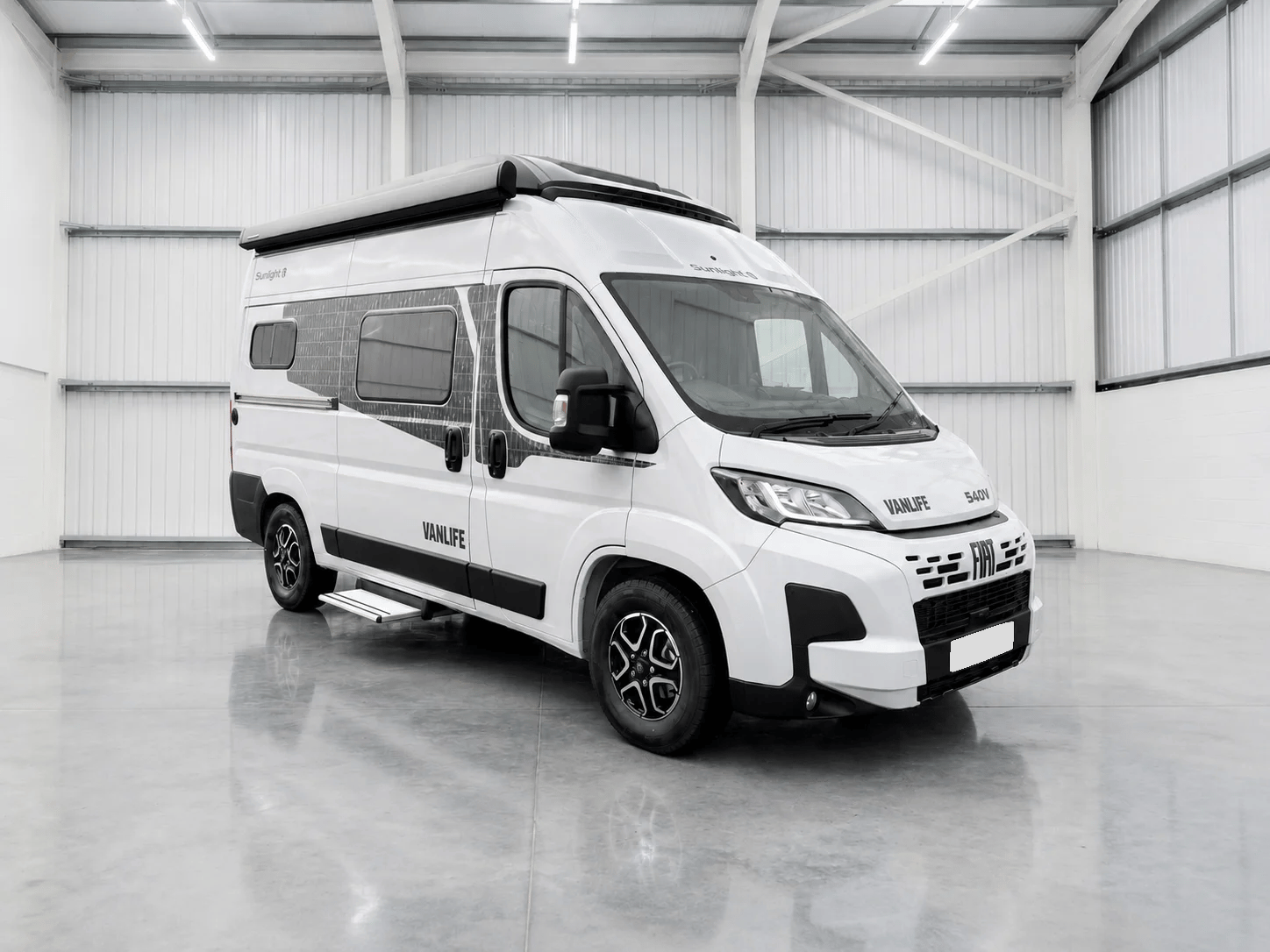
The camper you fall for is rarely the one you can afford. That gap is the whole reason Campervan.win exists. Right now we’re giving away the Sunlight Vanlife, worth around £65,000, and closing that gap is the point: capped entries so the odds stay honest, £10 a ticket, a maximum of five per person, £500 to a UK charity from every full draw, the winner picked by a public randomness beacon anyone can re-check, and one person driving away in the van itself.
Enjoyed this post?
Get more honest campervan guides like this one in your inbox.
You’re in!
Check your inbox. We’ve just sent you a welcome email.

About the author
Leo
Leo covers campervan technology, maintenance, kit, and ownership advice, with a clear, practical focus on how things work in real life.
Keep Reading
Related Reading
Thoughtful articles that build on what you’ve just read.
Campervan Kit & Gear
24 min read
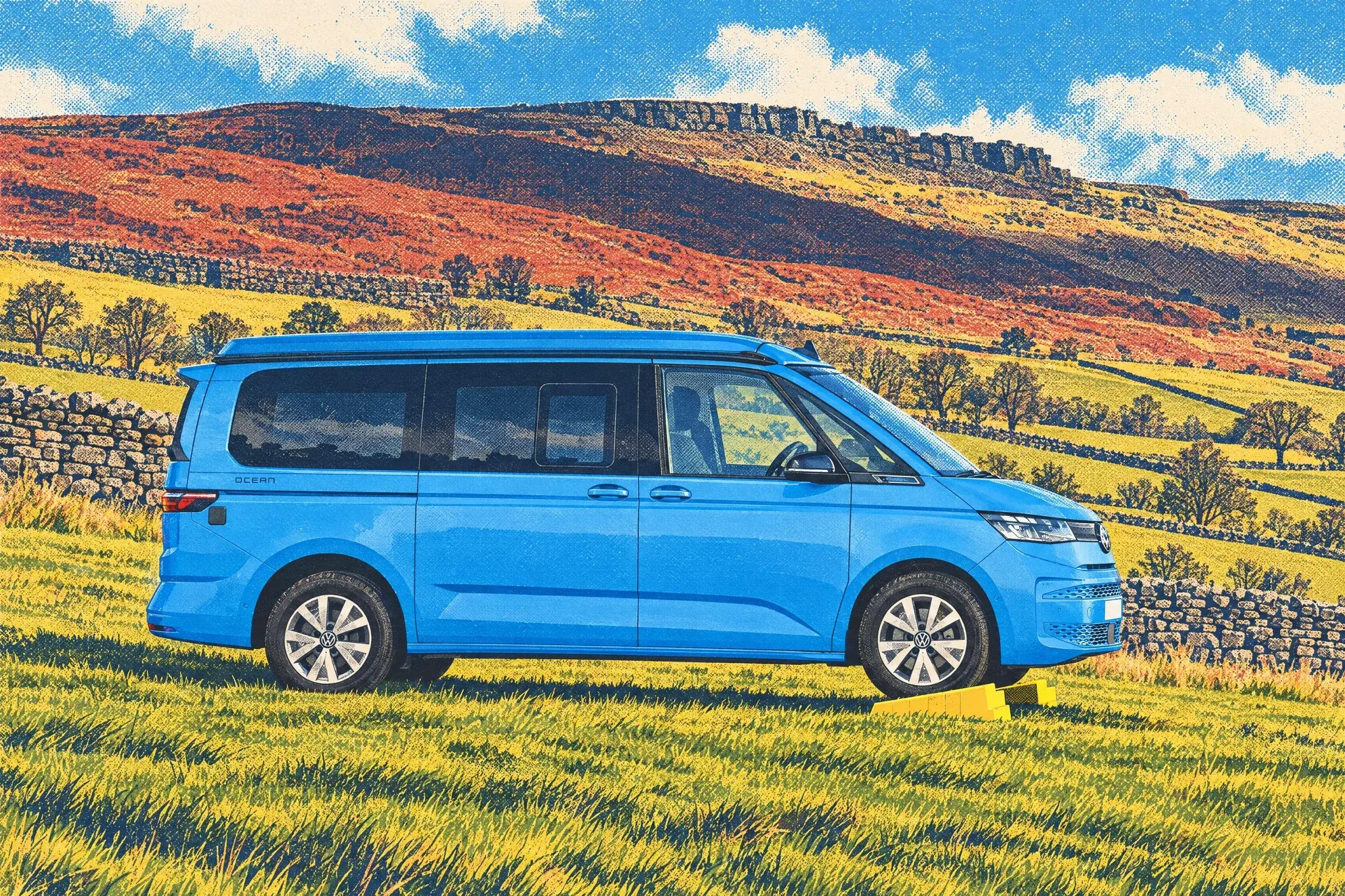
Campervan leveling options: what's best, what's best value, and what should you choose?
A plain-English, in-depth look at every way to level a campervan or motorhome on a sloping pitch, from £20 ramps to fully automatic hydraulic systems, with honest UK prices and advice on which one actually suits you.

Campervan Kit & Gear
25 min read
ARB awning vs Thule awning: one's for 4x4s, one's for campervans
ARB and Thule both make excellent awnings, but they're built for different vehicles and different lives. One is a rugged, rack-mounted pull-out for 4x4s and overlanders; the other is the wind-out cassette awning that defines campervan and motorhome touring. Here's how they really compare, and which one you actually want.

Campervan Kit & Gear
25 min read
Campervan thermal blinds: the cure for cold nights and wet windows
Thermal screens keep a campervan warm on a frosty night, cool in summer, and free of streaming condensation, and the cab and the pop-top are where you win or lose that battle. Here's the full guide to internal, external and magnetic thermal blinds, with honest pros, cons and prices.
Campervan Kit & Gear
25 min read
Campervan flyscreens: the £40 option vs the £500 one
Flyscreens are the difference between sleeping with the door open on a warm night and being eaten alive by midges. Here's the full guide to campervan flyscreens: the types, what they cost, magnetic versus sliding, manufacturer-fit versus custom, and which are genuinely worth buying.