
ARB awning vs Thule awning: one's for 4x4s, one's for campervans

Written by
Jasper
Jasper writes campervan reviews, travel guides, and practical advice, with a focus on everyday use and relaxed touring around the UK.
The short answer
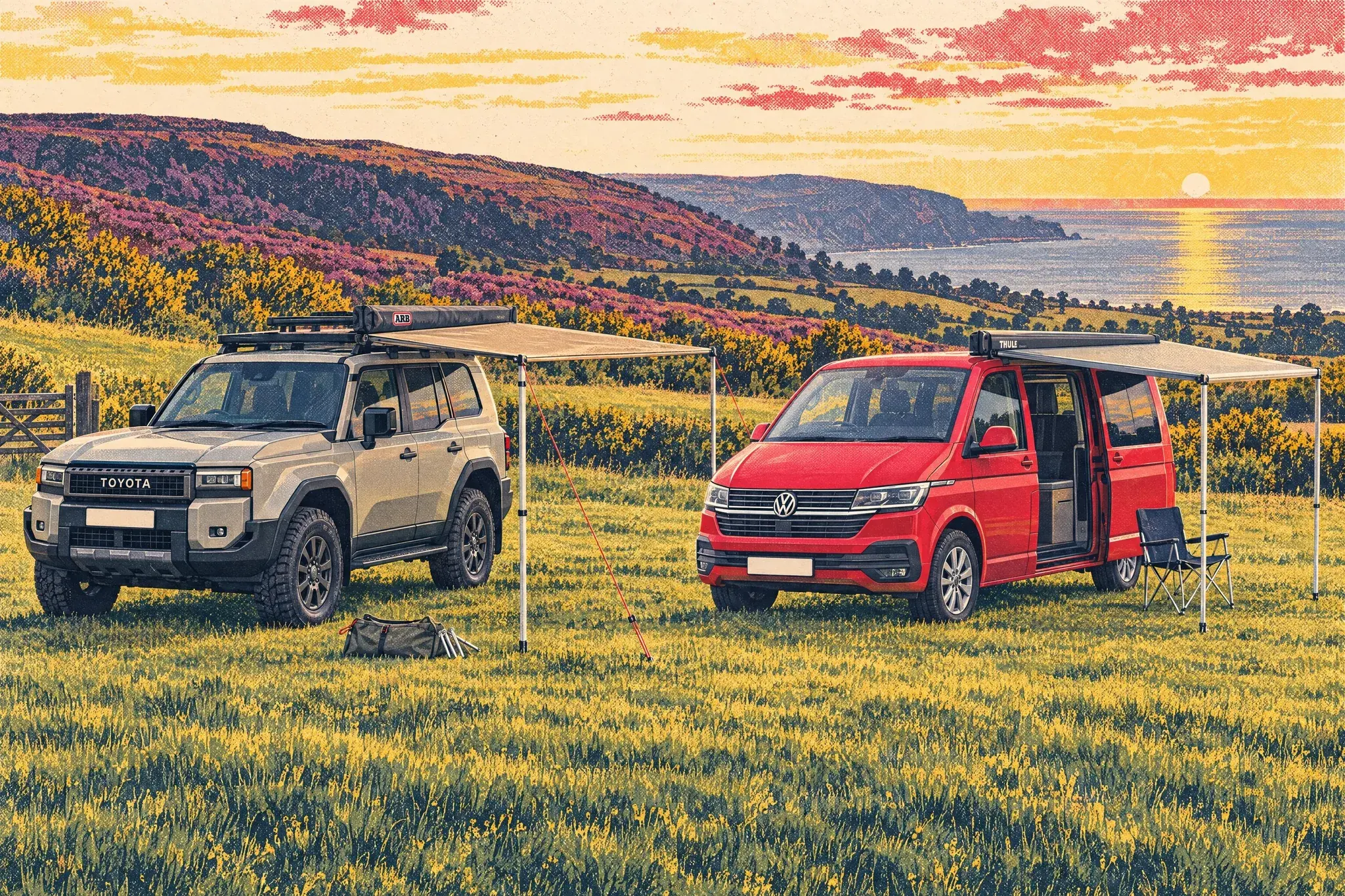
ARB and Thule awnings are not really competing for the same job, so the right choice depends on what you drive, not which brand is best. ARB makes rugged, manual, roof-rack-mounted pull-out awnings for 4x4s and overlanders, keenly priced from around £277 and built to take a beating. Thule makes the wind-out cassette awnings that have defined campervan and motorhome touring, costing more (roughly £629 to over £1,800) but far better for frequent leisure use, with the cassette protecting the fabric. In a line: ARB for the roof-racked 4x4, Thule for the campervan. Either way, an awning is one of those upgrades that makes a van feel twice as liveable. Here is the full head-to-head, so you buy the right one first time.

Ask which is better, an ARB awning or a Thule awning, and you've asked a question with a hidden trap in it, because the honest answer is that they're not really competing for the same job. Both brands make genuinely good awnings. But ARB builds rugged, manual, roof-rack-mounted pull-out awnings designed for 4x4s and overlanders, while Thule is best known for the wind-out cassette awnings that have defined campervan and motorhome touring for decades. They overlap in that both put shade down the side of your vehicle, but the buyer each is built for is different, and the right choice depends far more on what you drive and how you camp than on which brand is "best".
So this isn't a simple league table. It's a guide to two different philosophies of awning, what each does well, what each costs, how each mounts, and, most usefully, which one is right for your particular van or vehicle. By the end you should know not just which brand to choose, but which type of awning your setup actually needs, which is the question that really matters. We'll also clear up one persistent myth about the ARB range along the way.
The quick verdict
If you want the answer before the detail, here it is.
Choose an ARB awning if you have a 4x4 or an adventure vehicle with a roof rack or roof bars, you want rugged canvas shade that packs down tough, and you're happy to pull it out and peg it by hand. They're keenly priced (from around £277 in the UK), built to take a beating, and aimed squarely at the overlander.
Choose a Thule awning if you have a campervan or motorhome and you want a permanently-fitted, fast, one-person wind-out awning you'll use again and again. Thule's Omnistor cassette awnings are the category benchmark, they can be motorised, and they're what most campervan owners actually mean when they say "an awning". They cost more (roughly £629 to £1,800-plus depending on size and motor), but for frequent leisure use they're in a class ARB doesn't really compete in.
In one line: ARB for the roof-racked 4x4, Thule for the campervan. Now the detail that explains why, and the cases where it's less clear-cut.
Two different philosophies of awning
The whole comparison comes down to two ways of solving the same problem, "how do I get shade and shelter down the side of my vehicle", and understanding them makes everything else fall into place.
The ARB approach is the pull-out awning. A canvas awning lives rolled up in a bag or a slim case bolted to your roof rack or roof bars. When you want shade, you unclip it, pull it out by hand, and drop the telescopic legs to the ground; for anything more than a still afternoon you then peg it down and add guy ropes. It's simple, rugged and cheap, with no mechanism to go wrong, and it's the natural fit for a 4x4 that already has a roof rack and spends its time off the beaten track. The trade-off is that it's a manual job every time, and a free-standing legged awning needs pegging and guying to cope with wind.
The Thule approach is the cassette wind-out awning. Here the awning is a roller sealed inside a rigid aluminium cassette that's permanently fixed to the side or roof of the vehicle. You wind it out, by a crank handle or, on the pricier models, an electric motor, and support legs drop down. It's a semi-permanent fixture rather than something you fit each trip, it's far faster for repeat use, and it protects the fabric inside the cassette when stowed. The trade-off is cost and the fact that it's a fitted installation rather than a throw-on accessory. This is the awning the campervan and motorhome world runs on, and it's Thule's heartland.
Hold those two pictures in mind, the rugged pull-out you peg by hand, and the slick cassette you wind out in seconds, and the rest of the comparison is really about which suits your vehicle and your patience.
ARB awnings: the range and what they cost
ARB's awning lineup is refreshingly simple. There are straight, rectangular pull-out side awnings in two case styles, plus accessories to enclose them. That's it, and we'll come to the thing the range pointedly does not include.
The core touring awnings are soft-case canvas units with telescopic legs. In the UK they run from around £277 for the compact 1250-by-2100mm rear awning, through roughly £354 to £396 for the popular 2000-by-2500mm and 2500-by-2500mm sizes (often sold with an LED light), which are the family-shade sweet spot. Above those sits the aluminium-cased awning, a hard-shell version with a sleeker stowed profile and a built-in light, at around £690 for the 2500-by-2500mm size. Then there are accessories: deluxe awning rooms with floors (from around £245), walls, alcoves and wind breaks, which turn the open awning into an enclosed space for sleeping, changing or sheltering from the weather.
The construction is proper overlanding stuff: heavy 300-to-330gsm PU-coated poly-cotton ripstop canvas, waterproof, UPF 50-plus, on reinforced aluminium extrusions with anodised telescopic legs. It bolts to a roof rack or roof bars via brackets, deploys in around thirty seconds for basic shade, and then pegs and guys down for wind. The pros are ruggedness, simplicity, low cost and that tough canvas; the cons are that it's entirely manual, needs a roof rack or bars to mount to, and, as a free-standing legged awning, relies on pegging and guying to stay put in a blow. For a 4x4 or adventure van that already has a rack, it's a sensible, hard-wearing, good-value choice.
The batwing myth, cleared up
One thing to get straight, because the internet muddles it constantly: ARB's own range does not include a 270-degree or "batwing" wrap-around awning. Plenty of articles claim it does, but that's confusion with other brands. ARB makes straight pull-out awnings (soft and aluminium-cased) plus rooms and walls, and it sells brackets that can mount some 270-style awnings, but a batwing is not part of ARB's own catalogue. If a wraparound 270-degree awning is what you're after, you're looking at the likes of Rhino-Rack, Kings, Darche or Alu-Cab, not ARB. (And if you're wondering whether ARB will ever build a whole camper rather than just the kit for one, we look at that in our piece on whether ARB will make a campervan.) Don't buy an ARB awning expecting a batwing, and don't believe the listicles that say otherwise.
Thule awnings: the range and what they cost
Thule is a bigger, more varied story, because it plays in two areas. The first, and the one that matters most, is its core business.
The Omnistor cassette wind-out awnings are the campervan and motorhome mainstay, and the range is broad. At the compact, affordable end, the Omnistor 4200 is a wall-mounted manual awning for smaller vans and motorhomes, from around £629. The 5200 is the popular mid-range wall-mounted awning, roughly £669 to £739 by case colour, manual but able to take a motor retrofit later. The 6300 is a roof-mounted motorised awning, from around £642, designed so it can open with the van's sliding door open, which is a neat touch on a campervan. And at the large, premium end, the 9200 is a big roof-mounted awning with a mains-powered motor, running from around £1,198 up to £1,833 depending on size. The pattern is clear: pick your size and whether you want a motor, and the price climbs accordingly. These are fitted to a wall or roof, usually via an awning rail or a vehicle-specific adapter, and they're built for frequent, fast, one-person use.
Thule's second area is overlanding and 4x4 awnings, where it competes more directly with ARB but via adjacent products. The HideAway is a roof-rack or wall-mounted manual awning with a one-person crank and spring-loaded tension arms, aimed at 4x4s, though it appears to be mainly a US-market product and we couldn't confirm easy UK availability, so check before you set your heart on one. The Approach Awning (around £320 for the large size) is not a general vehicle awning at all but an accessory that zips onto a Thule Approach rooftop tent, worth knowing so you don't buy the wrong thing. And there are add-ons like the Subsola privacy walls and the QuickFit awning tent that enclose an existing Omnistor. The takeaway: Thule's overlanding awnings exist, but its real strength, and the thing it's famous for, is the Omnistor cassette awning for leisure vehicles.
Head to head
With the two ranges laid out, here's how they compare on the things that matter.
| Criterion | ARB pull-out awning | Thule Omnistor (cassette) |
|---|---|---|
| Type | Manual rack-mounted pull-out | Wind-out cassette, wall or roof |
| Setup | Unclip, pull out, drop legs, peg and guy. Manual every time | Crank or motor out, drop legs. Fastest for repeat use |
| Mounting | Brackets to a roof rack or roof bars | Awning rail or vehicle-specific adapter, semi-permanent |
| Power option | None, all manual | Motorised on several models (6300, 9200) |
| Coverage | Rectangular, to 3.0 x 2.5m, plus rooms/walls | Rectangular, up to ~5m length, large footprint |
| Wind/weather | Tough canvas; needs pegging and guying to be stable | Cassette protects fabric stowed; legs peg down |
| UK price | ~£277 to ~£690 | ~£629 to ~£1,800+ |
| Best for | 4x4s and overlanders with a roof rack | Campervans and motorhomes |
On setup, the Thule wins for anyone using the awning often: winding out a cassette (or pressing a button on the motorised versions) takes a minute and one pair of hands, while the ARB is a more involved pull-out-and-peg job each time. If you stop somewhere new most days and want shade in moments, the cassette is simply more convenient. On ruggedness and simplicity, the ARB has the edge: there's no mechanism to fail, the canvas is heavy-duty, and it shrugs off the rough handling of genuine off-road use. On wind, both ultimately rely on pegging and guying to be safe in a blow, and neither is a storm shelter, but the Thule's cassette at least protects the fabric when it's rolled away. On price, the ARB is clearly cheaper, which reflects its simpler, manual nature. And on power, only Thule offers a motor, which some campervan owners love and others see as one more thing to break.
Fabric, build and how long they last
The fabrics tell you a lot about each awning's intended life. ARB uses heavy poly-cotton ripstop canvas, in the region of 300 to 330gsm, PU-coated and rated UPF 50-plus. It's tough, breathable and feels substantial, the sort of material made to be dragged out at a dusty camp and shrugged off, but poly-cotton is heavier than synthetic awning fabrics and, like all canvas, must be packed away dry or it will eventually grow mould. Thule's Omnistor awnings tend to use lighter, woven synthetic fabrics chosen for UV stability and weather resistance over many seasons of leisure use; they feel less like a tent and more like a fitted blind, which suits the campervan context.
The bigger durability difference, though, isn't the cloth, it's where it lives when stowed. The Thule cassette seals the rolled fabric inside a rigid aluminium case, protecting it from sun, rain and road grime between uses, which is a genuine advantage over years of ownership. The ARB awning, rolled in its bag or slim case on the rack, is more exposed and sees rougher handling, which is exactly what it's built for, but means the fabric works harder. Both brands have strong reputations for lasting, and both will give many years' service if you treat them properly. The single most important thing you can do for either, far more than brand choice, is to never pack it away soaking wet for long, and to bring it in before the wind does it for you.
Accessories: turning an awning into a room
An open awning is shade; add walls and it becomes a room, and this is where both brands extend their appeal for families and longer stays. ARB offers deluxe awning rooms with floors, side walls, alcoves and wind breaks, which clip onto the basic awning to create an enclosed, peggable space you can sleep, change or shelter in, turning a simple pull-out into something close to a tent annex. Thule answers with Subsola privacy and side panels that zip onto an Omnistor, and the QuickFit awning tent that encloses the space beneath a wind-out awning, plus a range of sides and front panels.
The practical upshot is similar from either: budget more and you can go from a simple sun shade to a fully enclosed outdoor room, which is the difference between a fair-weather lunch stop and a usable extra bedroom on a wet week away. Worth knowing before you commit, though, is that the walls and rooms add cost, weight and pitching time, so they suit the buyer who will genuinely use the enclosed space rather than someone who just wants quick shade. If it's only shade you're after, the bare awning from either brand does the job; if you want a proper outdoor room, both can build up to one, at a price.
The mounting reality nobody mentions
Here's the practical point that decides it for a lot of people before taste even comes into it: the two awnings need different things to bolt to.
An ARB awning needs a roof rack or roof bars. It mounts via brackets to a rack, so if your vehicle doesn't have one, the awning isn't a standalone purchase, it's an awning plus a rack, which changes the cost and the look considerably. That's no problem on a 4x4 that already wears a rack, which is exactly the vehicle ARB designs for, but it's a real consideration on a plain van.
A Thule Omnistor needs somewhere to fix a cassette, typically an awning rail bonded to the side of the van, or a vehicle-specific mounting adapter or brackets. On many campervans and motorhomes that rail is either already there or is a standard fit, which is why the Omnistor feels like the natural choice on a leisure vehicle. It's a more permanent installation than bolting an awning to an existing rack, but it's also what the campervan world is set up for.
So before you compare fabrics and prices, look at your vehicle. A roof-racked 4x4 points you at ARB; a campervan or motorhome with (or ready for) an awning rail points you at Thule. The hardware you already have, or are willing to add, narrows the field faster than anything else.
What it really costs, fitted
Headline awning prices only tell half the story, because what you actually spend depends on what your vehicle already has. With an ARB awning, if your 4x4 already wears a roof rack or bars, the awning price is close to the whole cost: fit it yourself in an afternoon and you're done. If it doesn't, you're buying a rack as well, which can easily add several hundred pounds and changes the look and the roof load of the vehicle. So the honest cost of an ARB awning on a bare van is the awning plus a rack, not the awning alone.
With a Thule Omnistor, the awning itself is dearer, but the extra you'll spend is the mounting: an awning rail or vehicle-specific adapter fixed to the side of the van, plus fitting, since most owners have these professionally installed to get the seal and alignment right. On many campervans and motorhomes that rail is already present or a standard option, in which case you're mostly paying for the awning; on a plain panel van it's an added job. The rule of thumb is that an ARB setup is cheapest if you already have a rack, a Thule setup is cleanest if your van already has (or is ready for) an awning rail, and the worst-value route is forcing either onto a vehicle set up for the other. Price the whole installed package, not just the box, and the real comparison looks rather different from the shelf prices. Our ARB equipment review goes deeper on the rack question if you're building a 4x4 from scratch.
Living with each, day to day
Spec sheets aside, the two awnings feel different to live with, and that's worth picturing before you choose. With the Thule, arriving at a pitch, you wind the awning out (or press a button), drop the legs, and you're in shade inside a minute, with nothing to unpack and nowhere to store poles. It's the convenience of a fixture: always there, always ready, ideal for the campervan owner who moves on often and wants shelter the moment they stop. The downside is that it's a fixed lump on the side of the van adding a little weight and height permanently, whether you're using it or not.
With the ARB, setting up is more of a ritual: unclip the bag, pull the canvas out, extend and plant the legs, then peg and guy if there's any wind. It takes longer and it's a hands-on job, but there's a rugged satisfaction to it, and nothing fixed to the van you're not using, the awning only exists when you want it. That suits the overlander who pitches camp for a few days at a time rather than hopping pitches daily, and who values toughness and simplicity over speed. Neither is right or wrong; it's a question of temperament and how you travel. If you begrudge faff and stop somewhere new each night, the cassette will make you happier; if you enjoy making camp and value rugged simplicity, the pull-out will.
What about Fiamma, and drive-away awnings?
Two honest "but what about" points, because ARB and Thule aren't the only options. First, Thule isn't the only cassette-awning game in town: Fiamma is the other giant of wind-out campervan awnings, and for many motorhome and van owners a Fiamma F45 or F80 is cross-shopped directly against a Thule Omnistor. If you're set on a cassette awning, it's well worth comparing Fiamma alongside Thule on price, size and fit for your van; the two dominate that market between them, and which is "better" often comes down to the specific model and a good price.
Second, and more relevant for many campervan owners, there's a whole separate category we haven't covered: drive-away awnings. These are inflatable or poled fabric awnings (from the likes of Vango, Khyam and others) that attach to the side of the van and can be left pitched when you drive off, giving you a large, enclosed living and sleeping space at camp without a permanent fixture on the van. They're a different thing from both the ARB pull-out and the Thule cassette: bigger and more room-like, but slower to pitch and not something you deploy for a quick lunch stop. If what you actually want is a big enclosed space for a week on a site, a drive-away awning may suit you better than either brand here; if you want quick shade beside the van wherever you stop, you're back to the ARB-versus-Thule question. Knowing which of those two needs you have is the real first decision.
Which size awning do you need?
Size is the other choice people agonise over, so a quick steer. For a solo traveller or a couple wanting shade beside the door, a compact awning, around two metres of length, is plenty and keeps weight and cost down; ARB's 2000 or a Thule 4200 is the sort of thing. For a family or anyone who wants to seat several people in the shade or add a room, go longer, ARB's 2500 or a Thule 5200 and up, accepting the extra weight and price. The temptation is always to go big, but a longer awning is heavier, costs more, and on a windy pitch is more of a sail, so match the size to how many people you actually shade rather than the biggest you can fit. And remember the length you can run is limited by your vehicle's usable side or roof, so measure before you buy, especially on a shorter van where a big awning will overhang the doors awkwardly.
Powered or manual?
One Thule-specific decision worth a moment: several Omnistor models can be motorised, the roof-mounted 6300 and the big 9200 come with a motor, and the popular 5200 can have one retrofitted. A motorised awning extends and retracts at the touch of a button, which is genuinely lovely on a large awning that's a handful to wind out by hand, and a nice luxury on any of them. ARB awnings, by contrast, are all manual, in keeping with their rugged, mechanism-free philosophy.
Is the motor worth it? For a big awning, or for anyone who'll use it constantly and values the convenience, yes, it's one of those things you don't miss until you have it. The honest counterargument is the one that applies to any powered mechanism: it's another thing that can fail, it adds cost and a little weight, and a manual crank will still work when an electrical fault wouldn't. Most owners of smaller awnings are perfectly happy winding by hand, and a manual awning is one less thing to go wrong a long way from a dealer. If you're buying big, lean towards the motor; if you're buying compact and value simplicity, the crank is no hardship. It's a preference, not a necessity, and it's firmly Thule's territory either way, since ARB doesn't play here at all.
The details that matter: lights, colours and legs
A few smaller things separate a good awning experience from a frustrating one, and they're worth a glance before you buy. Lighting: ARB sells several awnings with an integrated LED strip, and Thule offers LED lighting for the Omnistor range, which sounds like a gimmick until the first evening you're cooking under the awning in the dark and realise it isn't. If you'll camp off-grid, an awning light is one of the cheapest quality-of-life wins there is. Legs and arms: the quality of the support legs matters more than people expect, because they're what you fight with in a breeze. Thule's Quick Lock legs and tensioned arms are easy to set, and ARB's anodised telescopic legs are sturdy; either is fine, but a flimsy legged awning is a misery, so it's a point in favour of both these brands over the bargain-bin alternatives.
Case colour and finish are mostly cosmetic, though darker cases hide road grime and suit a blacked-out van, and the aluminium-cased ARB and the various Omnistor casings let you match the van's look. None of this changes whether the awning works, but on kit you'll live with for years, the ergonomics, the light, the easy legs, the neat stowed case, are what you'll actually notice day to day, far more than a small difference in fabric weight or headline price. Handle one in person if you can, because the feel of winding it out or pulling it taut tells you more than any spec sheet.
So which should you buy?
Match the awning to your vehicle and your habits, and the choice is usually clear.
Buy an ARB awning if you run a 4x4 or an adventure vehicle with a roof rack, you value rugged canvas and simplicity over speed and gadgetry, you're happy to pull it out and peg it by hand, and you like the keen price. Go for the 1250 for a compact rear-of-vehicle setup, the 2000 or 2500 for family-sized side shade, and the aluminium-cased version if you want a neater stowed profile and will pay for it; add the room or walls if you want an enclosed space. It's the overlander's awning, and judged as that it's very good.
Buy a Thule Omnistor if you have a campervan or motorhome and want a proper, permanent, fast wind-out awning you'll use constantly. Choose the 4200 for a compact van, the 5200 as the popular mid-range all-rounder, and the roof-mounted 6300 or large 9200 if you want a motor and don't mind the cost. This is the category ARB doesn't really serve, and for frequent leisure touring it's the right tool.
And if you specifically want a Thule for a 4x4, look at the HideAway, but check UK availability first, or if you run a rooftop tent, the Approach Awning is the matched accessory rather than a general awning. What neither brand's core range gives you is a wraparound 270-degree batwing, so if that's the dream, look elsewhere. The genuine mistake here isn't choosing the "wrong" brand, it's choosing the wrong type for your vehicle: a cassette awning on a bare 4x4 with no rail, or a pull-out that needs a rack you don't have. Settle the vehicle-and-mounting question first, and either brand will serve you well.
Do you even need a fitted awning?
Before spending on either, it's worth asking honestly how often you'll use it, because there's a minimalist middle ground. If you only want occasional shade a few times a year, a simple, cheap solution, a free-standing sun canopy or gazebo, a tarp rigged from the roof bars, or even a large parasol, can cover that need for a fraction of the cost and weight of a fitted awning, with nothing permanently bolted to the van. Plenty of weekend campers get by happily that way for years.
The case for a proper fitted awning, ARB or Thule, is frequency and convenience: if you'll use it most trips, the speed and integration are worth the outlay, and a flapping tarp gets old fast. But if you're an occasional user, or you're watching weight on a tight payload, don't assume you need the full fitted setup just because everyone else has one. Match the spend to the use. The most over-specified bit of kit on many vans is an expensive awning that comes out twice a summer; the happiest owners either use theirs constantly or spent very little on a simple alternative.
A note on prices
Every figure in this guide is a snapshot, and awning prices move about more than most: retailers discount heavily, sizes and case colours change the number, motors add a chunk, and VAT and delivery vary. The ARB awnings quoted here run from around £277 to £690 in the UK, and the Thule Omnistor range from roughly £629 to over £1,800 for the largest motorised models, but treat those as the shape of the market rather than a quote. Before you buy, price the exact model and size you want at two or three retailers, and factor in the mounting (a rack for the ARB, a rail or adapter for the Thule) and any fitting. The installed total is the number that actually matters, and it can differ enough between vehicles that the "cheaper" brand on the shelf isn't always the cheaper one on your van.
Frequently asked questions
Is an ARB awning better than a Thule awning?
Neither is straightforwardly "better"; they're built for different vehicles. ARB makes rugged, manual, roof-rack-mounted pull-out awnings for 4x4s and overlanders, from around £277 in the UK. Thule is best known for wind-out cassette awnings (the Omnistor range) for campervans and motorhomes, from around £629, which are faster to use and can be motorised. Choose ARB for a roof-racked 4x4, Thule for a campervan or motorhome.
Does ARB make a 270-degree or batwing awning?
No. ARB's own range is straight pull-out awnings (soft-case and aluminium-cased) plus rooms and walls; it does not include a 270-degree or batwing wraparound, despite what some articles claim. ARB does sell brackets that can mount some 270 awnings, but for an actual batwing you're looking at brands like Rhino-Rack, Kings, Darche or Alu-Cab.
Can I fit a Thule Omnistor to any van?
Usually, but it needs somewhere to mount: an awning rail bonded to the side of the van, or a vehicle-specific adapter or bracket kit. Many campervans and motorhomes already have, or are designed to take, an awning rail, which is why the Omnistor is the natural fit on a leisure vehicle. On a plain van you'd need to add the rail or adapter, so factor that into the cost and get a specialist to advise on the right fixing for your model.
Do I need a roof rack for an ARB awning?
Yes, effectively. ARB awnings mount via brackets to a roof rack or roof bars, so if your vehicle doesn't have one, you're buying an awning and a rack. That's fine on a 4x4 that already wears a rack, the vehicle ARB designs for, but it's an extra cost and consideration on a plain van that has no rack.
Which awning is best for wind?
Be realistic: neither a pull-out nor a cassette awning is a storm shelter, and both rely on pegging down and guying out to stay safe in wind. ARB's heavy canvas is tough, and Thule's cassette protects the fabric when stowed, but the golden rule with any vehicle awning is to take it in (or never put it out) when the weather turns, rather than trusting it to ride out a gale. Wind damage is the most common way these awnings get wrecked.
Are Thule and Fiamma awnings the same?
No, they're rival brands, the two biggest names in wind-out cassette awnings for campervans and motorhomes. Both make excellent awnings in similar formats, and many owners cross-shop a Thule Omnistor against a Fiamma F45 or F80. If you've decided you want a cassette awning, it's worth comparing both on price, size and fit for your specific van rather than assuming one is always better.
Can you leave an ARB or Thule awning out when you drive off?
No. Both the ARB pull-out and the Thule cassette are attached to the vehicle and come with it, so they are not "drive-away" awnings. If you want an awning you can pitch and then drive off from, leaving a base camp behind, you want a separate drive-away awning (from brands like Vango or Khyam), which is a different category altogether: bigger and more room-like, but slower to pitch.
Is an awning worth it on a campervan?
For most owners, yes. An awning roughly doubles your usable living space in fair weather and gives you somewhere dry to sit, cook or take off muddy boots in a shower, which transforms how a van feels on a longer trip. On a campervan or motorhome a Thule (or Fiamma) wind-out awning is the convenient default; on a 4x4 camper an ARB pull-out makes more sense. The main caveat is wind: an awning is only an asset if you're disciplined about taking it in before the weather turns.
Are ARB and Thule awnings hard to fit yourself?
An ARB awning is straightforward to fit if you already have a roof rack or bars: it bolts on via brackets and most owners do it themselves in an afternoon. Fitting the rack in the first place is the bigger job. A Thule Omnistor is more involved, because it usually needs an awning rail or adapter fixed and sealed to the side of the van, which most owners have done professionally to avoid leaks and alignment problems. So ARB is the more DIY-friendly of the two, assuming the rack is already there.
Can you use a vehicle awning in the rain?
Yes, for shelter from showers, which is much of the point, but with two caveats. Pitch the awning with a slight slope so rain runs off rather than pooling, because a flat awning collecting a heavy puddle can be damaged or pulled down by the weight. And rain often comes with wind, which is the real enemy: if it's blowing hard, take the awning in rather than trusting it. Used sensibly, both ARB and Thule awnings are fine in British weather; the damage comes from pooling water and gusts, not drizzle.
Do ARB and Thule awnings come with lights?
Often, yes. ARB sells several of its awnings with an integrated LED light included, and Thule offers LED lighting across much of the Omnistor range, sometimes as standard and sometimes as an add-on. It's worth having: an awning light transforms cooking and sitting out after dark, especially off-grid, and it's an inexpensive upgrade. Check whether the specific model you're buying includes one or whether it's extra.
Which lasts longer, an ARB or a Thule awning?
Both are built to last many years if looked after, so there's no clear winner on longevity, only on failure modes. The Thule's cassette protects its fabric from sun and weather between uses, which helps it age well; the ARB's heavy canvas is extremely tough but more exposed in its bag and handled more roughly off-road, which is exactly what it's built for. The thing that actually shortens any awning's life is the same for both: packing it away wet, which causes mould, and leaving it out in wind, which bends arms and tears fabric. Look after either properly and it will outlast several of the vans it's bolted to.
Common questions
Is an ARB awning better than a Thule awning?
Neither is simply better; they are built for different jobs. ARB makes rugged, manual, roof-rack-mounted pull-out awnings for 4x4s and overlanders, while Thule makes the wind-out cassette awnings that suit campervans and motorhomes. The right choice depends far more on what you drive and how you camp than on the brand, so in one line: ARB for the roof-racked 4x4, Thule for the campervan.
How much do ARB and Thule awnings cost?
ARB awnings are keenly priced, from around 277 pounds for a compact rear awning, with the popular 2000 to 2500mm family-shade sizes roughly 354 to 396 pounds and an aluminium-cased version around 690. Thule wind-out awnings cost more, from around 629 pounds for a compact manual unit up to roughly 1,198 to 1,833 for a large mains-powered one.
Does ARB make a 270-degree or batwing awning?
No, despite what the internet often suggests. ARB's own range is straight pull-out awnings, soft and aluminium-cased, plus rooms and walls, and it sells brackets that can mount some 270-style awnings, but a batwing is not in its catalogue. For a wraparound 270-degree awning you are looking at brands like Rhino-Rack, Kings, Darche or Alu-Cab.
Do I need a roof rack for an ARB awning?
Yes, ARB awnings are designed to mount on a roof rack or roof bars, which is why they suit 4x4s and adventure vehicles that already have one. Thule's campervan awnings are typically wall-mounted on the side of the van, with some roof-mounted models, so they fit a standard campervan without needing a rack.
Which awning is best for a campervan?
A Thule wind-out cassette awning, in most cases. They are designed for frequent leisure use on the side of a van, the cassette protects the fabric from sun and weather between uses, and models range from compact manual units to large powered ones, some able to open with the sliding door open. ARB's roof-rack awnings suit 4x4s rather than typical campervans.
How do you make a vehicle awning last longer?
The two things that shorten any awning's life, ARB or Thule, are packing it away wet, which causes mould, and leaving it out in wind, which bends the arms and tears the fabric. Both brands last many years if looked after, with the Thule's cassette helping it age well; look after either properly and it will outlast several of the vans it is bolted to.
The reachable bit
The camper you fall for is rarely the one you can afford. That gap is the whole reason Campervan.win exists. Right now we’re giving away the Sunlight Vanlife, worth around £65,000, and closing that gap is the point: capped entries so the odds stay honest, £10 a ticket, a maximum of five per person, £500 to a UK charity from every full draw, the winner picked by a public randomness beacon anyone can re-check, and one person driving away in the van itself.
Enjoyed this post?
Get more honest campervan guides like this one in your inbox.
You’re in!
Check your inbox. We’ve just sent you a welcome email.

About the author
Jasper
Jasper writes campervan reviews, travel guides, and practical advice, with a focus on everyday use and relaxed touring around the UK.
Keep Reading
Related Reading
Thoughtful articles that build on what you’ve just read.
Campervan Kit & Gear
24 min read
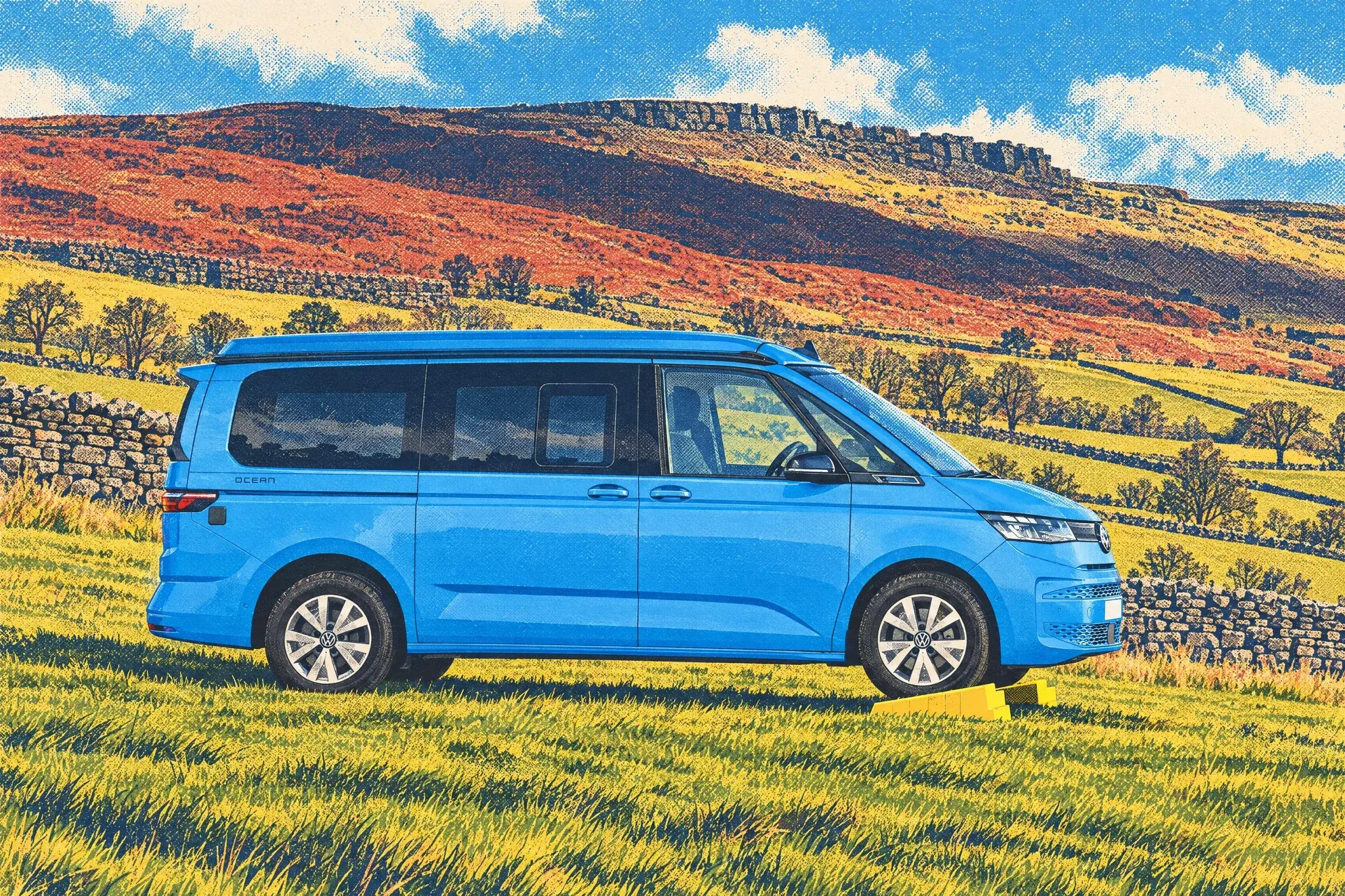
Campervan leveling options: what's best, what's best value, and what should you choose?
A plain-English, in-depth look at every way to level a campervan or motorhome on a sloping pitch, from £20 ramps to fully automatic hydraulic systems, with honest UK prices and advice on which one actually suits you.
Campervan Kit & Gear
27 min read
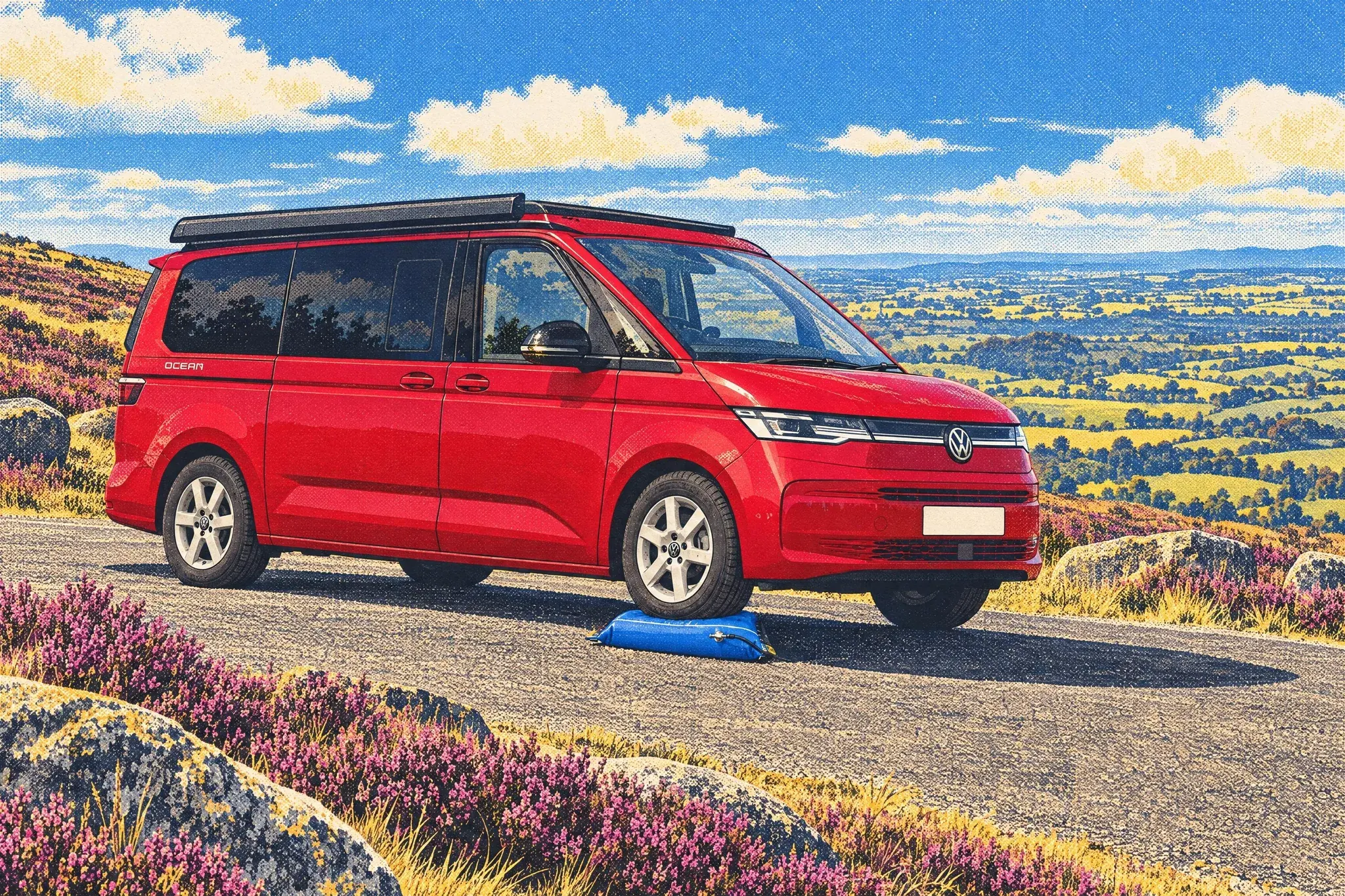
Lock'n'Level review: a great little tool, and why a smart 'Pro' version makes sense
An honest review of Lock'n'Level, the British inflatable air levelling system: you drive onto a tough air bag and inflate it with a 12V tyre compressor to raise each corner, and a valve holds the level. It covers how it works, the range, the real pros and cons, who it suits, and the case for a smart 'Pro' version that reads the angle for you.
Campervan Kit & Gear
25 min read
Campervan thermal blinds: the cure for cold nights and wet windows
Thermal screens keep a campervan warm on a frosty night, cool in summer, and free of streaming condensation, and the cab and the pop-top are where you win or lose that battle. Here's the full guide to internal, external and magnetic thermal blinds, with honest pros, cons and prices.
Campervan Kit & Gear
25 min read
Campervan flyscreens: the £40 option vs the £500 one
Flyscreens are the difference between sleeping with the door open on a warm night and being eaten alive by midges. Here's the full guide to campervan flyscreens: the types, what they cost, magnetic versus sliding, manufacturer-fit versus custom, and which are genuinely worth buying.