
Rapido 8096dF: an honest look at this island-bed A-class for UK touring couples

Written by
Arthur
Arthur writes buying guides, comparisons, and in-depth explainers to help readers choose the right campervan or motorhome with confidence.
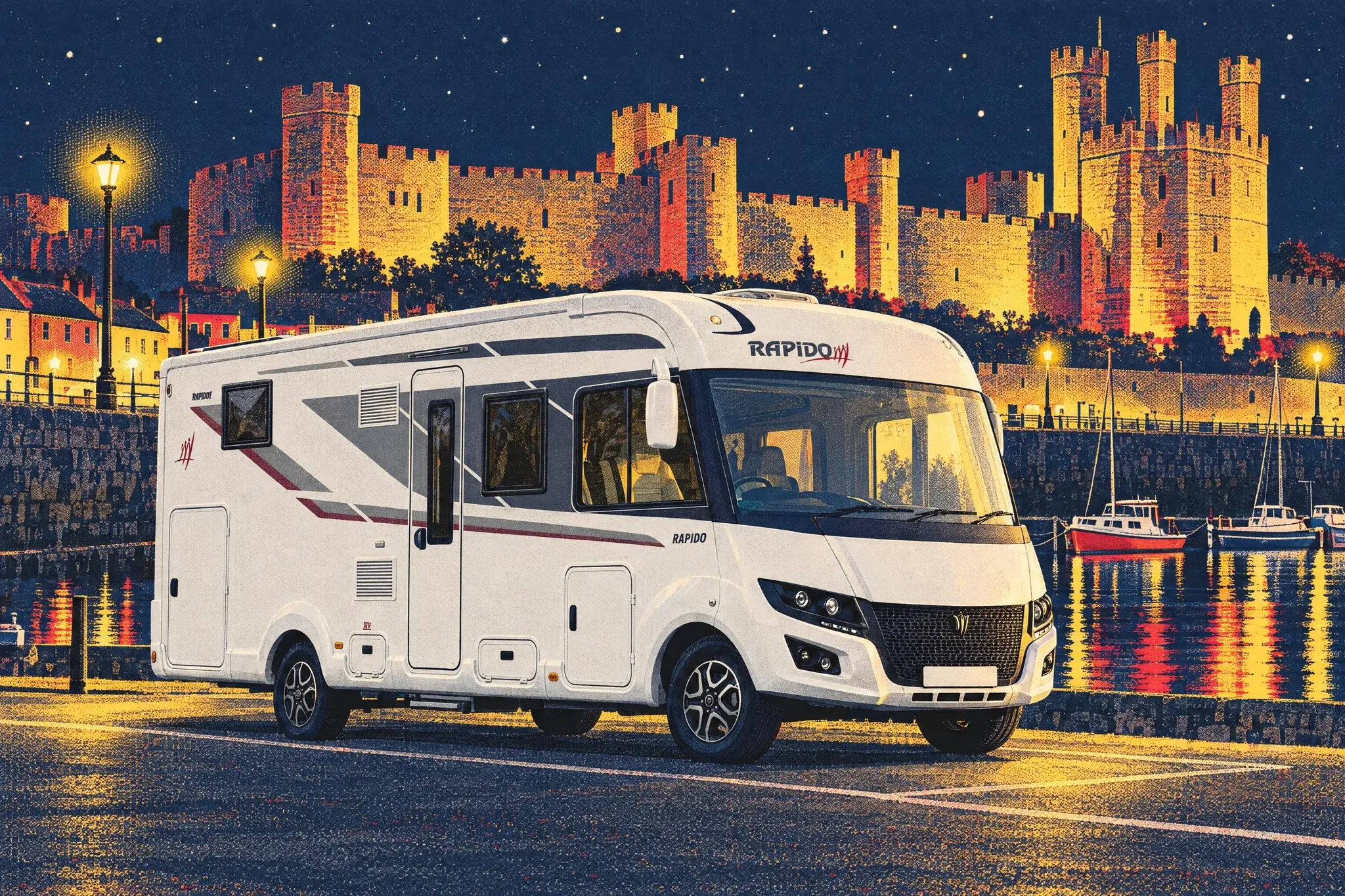
The short answer
The Rapido 8096dF is a large A-class motorhome with a rear island bed and a fixed washroom, built primarily for two people who want a permanent walk-around bed and proper living space. It is a premium, heavy vehicle that almost certainly exceeds 3,500kg, so most UK drivers need C1 entitlement on their licence. It rewards couples who tour often and value comfort over compactness.

If you have started looking at A-class motorhomes for two, the Rapido 8096dF keeps coming up for one simple reason: it has a rear island bed. That means you can climb in and out from either side without clambering over your partner, which sounds like a small thing until you have done it at 3am on a dark site. This is an honest look at what the 8096dF is, who it genuinely suits, and the bits that catch UK buyers out, especially around weight and payload.
We are not here to sell you one. We are here to help you decide whether a big, comfortable, full-fat A-class is the right shape of motorhome for the way you actually travel.
What "8096dF" and "A-class" actually mean
Let us decode the badge first, because Rapido's naming looks cryptic.
The A-class part is the important bit. An A-class motorhome is built as a complete coachbuilt body with its own moulded front end, a huge panoramic windscreen, and a dedicated dashboard. There is no commercial van cab grafted on. Compare that with a coachbuilt or "low-profile" motorhome, which keeps the donor van's cab and doors. A-class vans feel more like a small mobile apartment from the driver's seat, with a big glasshouse view of the road and, usually, an electric drop-down bed tucked above the cab.
The 8096dF is the model and layout code. In plain terms it points to a large A-class with a rear island bed layout. The "island" simply means the bed sits away from the walls so you can walk around at least one end, sometimes both. For a couple, that is the headline feature.
The layout: built around a couple, not a crowd
The 8096dF is best understood as a two-person tourer with occasional space for guests, rather than a genuine four-person family van. Here is roughly how the floorplan works front to back.
- Front: two swivelling cab seats join the lounge, with an electric drop-down double bed stored above the cab. That drop-down is great for grandchildren or the odd visitor, less ideal as your everyday bed.
- Middle: a kitchen and a half-dinette or side lounge, the social heart of the van.
- Rear: the fixed island bed, usually flanked by a roomy washroom and a separate shower in the back corners.
This layout has become popular for a reason. The fixed rear bed means you never make up a bed each night, the washroom is permanent and proper, and the front drop-down keeps a guest berth available without eating into living space. The trade-off is length. To fit all of that in, the 8096dF is a large vehicle, and you feel it on tight lanes and in older town car parks.
If you mostly travel as two and stay a few nights in each place, a fixed island bed changes the daily rhythm of motorhoming. Less faffing, more relaxing.
Living space and the everyday feel
A-class bodies tend to be wide and tall, and that pays off inside. You generally get full standing headroom along the length, big windows, and a sense of light that smaller vans struggle to match. The panoramic windscreen also doubles as a lovely front lounge view once you have parked up and pulled the cab blinds back.
A few practical things to look at when you view one:
- Bed access: check you can comfortably get round both sides of the island bed with the slide-out steps or fixed step in place. Some "island" beds are tighter than the brochure photo suggests.
- Washroom split: a separate shower cubicle is a big quality-of-life win on longer trips, so confirm whether the shower and toilet are genuinely separate rooms.
- Kitchen workspace: A-class kitchens are usually generous, but worktop space disappears fast once the hob and sink covers are up. Picture cooking a real dinner, not just a brew.
- Storage and the garage: an island-bed rear means the under-bed area is often a useful storage "garage" accessed from outside. Check the external locker height if you want to load e-bikes or a wheelchair.
The base vehicle and how it drives
Here is where honesty matters more than confidence. Rapido builds its A-class motorhomes on a light-commercial chassis fitted with a lowered, widened sub-frame so the body can sit low and wide. Do not assume the donor chassis or drivetrain from the badge alone. Manufacturers update base vehicles, engines and transmissions between model years, and the exact combination can differ from one build to the next. Before you commit, confirm in writing with the seller:
- the exact base chassis and engine for that specific build,
- the gearbox (manual or automatic) and whether it is front or rear-biased drive,
- the power output, because a heavy A-class wants enough torque to feel relaxed on hills and motorway slip roads.
What you can expect, regardless of the badge, is A-class driving manners: a commanding seating position, a big steering wheel, and a vehicle that is wide and long. It is not difficult to drive once you adjust, but it is not a campervan you nip into town in. Reversing cameras, good mirrors and a bit of patience are your friends. On the motorway it should feel settled and quiet; on a single-track Highland road it will test your nerve and your hedge-judging skills.
Weight, payload and licensing: the bit UK buyers must get right
This is the single most important section for a UK reader, so read it twice.
The 8096dF is commonly built on a 3,500kg chassis, which means a vehicle plated at 3,500kg maximum weight (MTPLM). That matters hugely, because a vehicle plated at or below 3,500kg can generally be driven on a standard car licence (category B). In other words, this is not automatically a van that demands a C1 test. Some examples can be reclassed (uprated) to around 3,700kg if a bit more headroom is needed, and that uprated figure does take you over the 3,500kg car-licence threshold, so it is worth knowing which way a particular unit has been plated.
The catch with a 3,500kg plate is payload. On a fully equipped A-class of this size, the gap between the empty weight (mass in running order) and the 3,500kg ceiling can be modest, often in the region of a few hundred kilograms. That margin is what you have for passengers, a full water tank, gas, an awning, bikes and all your gear, and it disappears faster than people expect. Always ask the seller for the real mass in running order and the MTPLM in writing, then do the sums for how you actually pack.
Here is the UK licence reality in plain terms:
- A standard car licence (category B) generally lets you drive a vehicle up to 3,500kg, which covers a 3,500kg-plated 8096dF.
- If the unit has been uprated above 3,500kg (for example to around 3,700kg), you would need the right entitlement to drive it at that weight.
- If you passed your car test before 1 January 1997, you most likely have grandfather C1 rights up to 7,500kg already on your licence. Check your licence categories to be sure.
- If you passed on or after 1 January 1997 and the van is plated over 3,500kg, you would usually need to take an additional C1 test (with a medical).
So the headline is simple: check the exact plate on the specific van you are looking at. A 3,500kg-plated 8096dF should be drivable on a normal car licence, with payload being the thing to watch rather than your licence category.
Heating, tech and living off-grid
Premium A-class motorhomes are usually well equipped for proper four-season UK use, which matters if you want to tour in spring and autumn rather than just July.
- Heating: expect a quality heating system, often a blown-air or wet (radiator-style) setup with hot water. Wet heating tends to feel gentler and warms the van more evenly, which is lovely in cold weather. Confirm exactly which system is fitted and whether it runs on gas, diesel or both.
- Insulation: A-class bodies are generally well insulated, but the big windscreen is the weak point for heat. A decent set of internal or external cab thermal blinds makes a real difference in winter.
- Power: check the battery setup and whether solar is fitted as standard or as an option. If you want to spend nights away from hook-up, a lithium battery and a sensible solar array transform how you can use the van.
- Tank sizes: fresh and waste water capacity, plus the gas locker size, decide how long you can go between top-ups. Bigger tanks mean more freedom but more weight to carry, which matters all the more on a 3,500kg plate.
The costs and running reality
An A-class of this calibre is a premium purchase, and it is fair to be upfront that it sits at the higher end of the motorhome market. New, large island-bed A-class motorhomes are not cheap, and the price climbs once you add the options most buyers want. Used examples vary hugely with age, mileage and condition. Treat any single figure with caution, shop around, and judge each van on its own spec and history.
Beyond the purchase price, budget honestly for the running side:
- Fuel: a heavy A-class is not economical. Real-world figures in the low-to-mid 20s mpg are common for vans this size, lower if you tour hilly country or drive briskly.
- Insurance: premiums reflect the value and the size, and some insurers want evidence of secure storage. A clean record helps.
- Servicing and habitation checks: budget for an annual habitation service alongside the mechanical servicing. It keeps the damp warranty valid and catches problems early.
- Storage: a vehicle this long needs somewhere to live. Driveway space, height restrictions and secure compounds are all worth sorting before you buy.
- Depreciation: like any large vehicle, it loses value, though well-cared-for A-class motorhomes from respected builders tend to hold up reasonably. Buying nearly-new can let someone else absorb the steepest drop.
Clean-air zones and where you can actually take it
UK clean-air and low-emission zones are spreading, and a large motorhome can be charged according to the emissions class of its base vehicle in some schemes. Most modern A-class diesels meet the cleaner emissions standards, but always check the specific engine's compliance before driving into a zone, and check height and weight limits on routes and in car parks. Many town-centre and beach car parks simply will not take a vehicle this long, so part of A-class life is planning where you stop. Sites, aires and dedicated motorhome stopovers become your default rather than ad-hoc parking.
Who the 8096dF really suits
Strip away the brochure gloss and the picture is clear.
It suits you if: you travel mainly as a couple, you stay several nights in each spot, you want a permanent walk-around bed and a proper fixed washroom, and you value space, comfort and a big-windowed driving position. If you tour often and across seasons, the everyday ease pays you back. The fact that a 3,500kg-plated example should be drivable on a standard car licence makes it more accessible than many buyers assume of a van this size.
Think harder if: you do lots of short trips, you like exploring tight lanes and historic towns, you are tight on driveway space, or you tend to pack heavy and would struggle inside a modest payload. In those cases a smaller coachbuilt or a campervan might genuinely make you happier, even if it has less living space.
The bottom line
The Rapido 8096dF is a confident, comfortable A-class aimed squarely at couples who want to live well on the road. The island bed and fixed washroom are the real draw, and the A-class body gives you light, space and a lovely view out. The honest catches are size and payload: it is a big vehicle, and on a 3,500kg plate the spare weight for water, gear and passengers can be tight, so weigh up how you really pack.
Check the exact plate, weights and payload in writing, sort your storage, view a real one and walk both sides of that bed, confirm the exact base vehicle, and you will know quickly whether it fits your kind of touring. If it does, it is the sort of motorhome people keep for years.
Common questions
Do I need a special licence to drive the Rapido 8096dF?
Almost certainly yes for most newer drivers. This is a large A-class with a maximum weight well above 3,500kg, so you need C1 entitlement. Drivers who passed their car test before 1 January 1997 usually have C1 already; those who passed later normally need to take a C1 test and medical.
What is the difference between an A-class and a coachbuilt motorhome?
An A-class has a complete purpose-built front end with a large panoramic windscreen and its own dashboard, so there is no commercial van cab. A coachbuilt or low-profile keeps the donor van's cab and doors. A-class vans feel more spacious and car-like from the driver's seat but tend to be larger and more expensive.
Is the 8096dF good for a family or just couples?
It is designed mainly for two. The rear island bed is the everyday double, and the electric drop-down bed over the cab works for occasional guests or grandchildren. It is comfortable for short family stays but is not really an everyday four-person family van.
How economical is an A-class like this to run?
Not very. A large, heavy A-class commonly returns fuel economy in the low-to-mid 20s mpg in real use, less in hilly terrain. Add insurance, annual mechanical and habitation servicing, secure storage and depreciation, and it is a premium vehicle to own as well as to buy.
What should I confirm before buying a 2026 Rapido 8096dF?
Confirm the exact base chassis, engine, gearbox and emissions standard in writing, plus the plated MTPLM and the real payload after the build. Check C1 licence requirements, your storage space and clean-air zone compliance. Then view one in person and make sure you can walk comfortably around the island bed.
The reachable bit
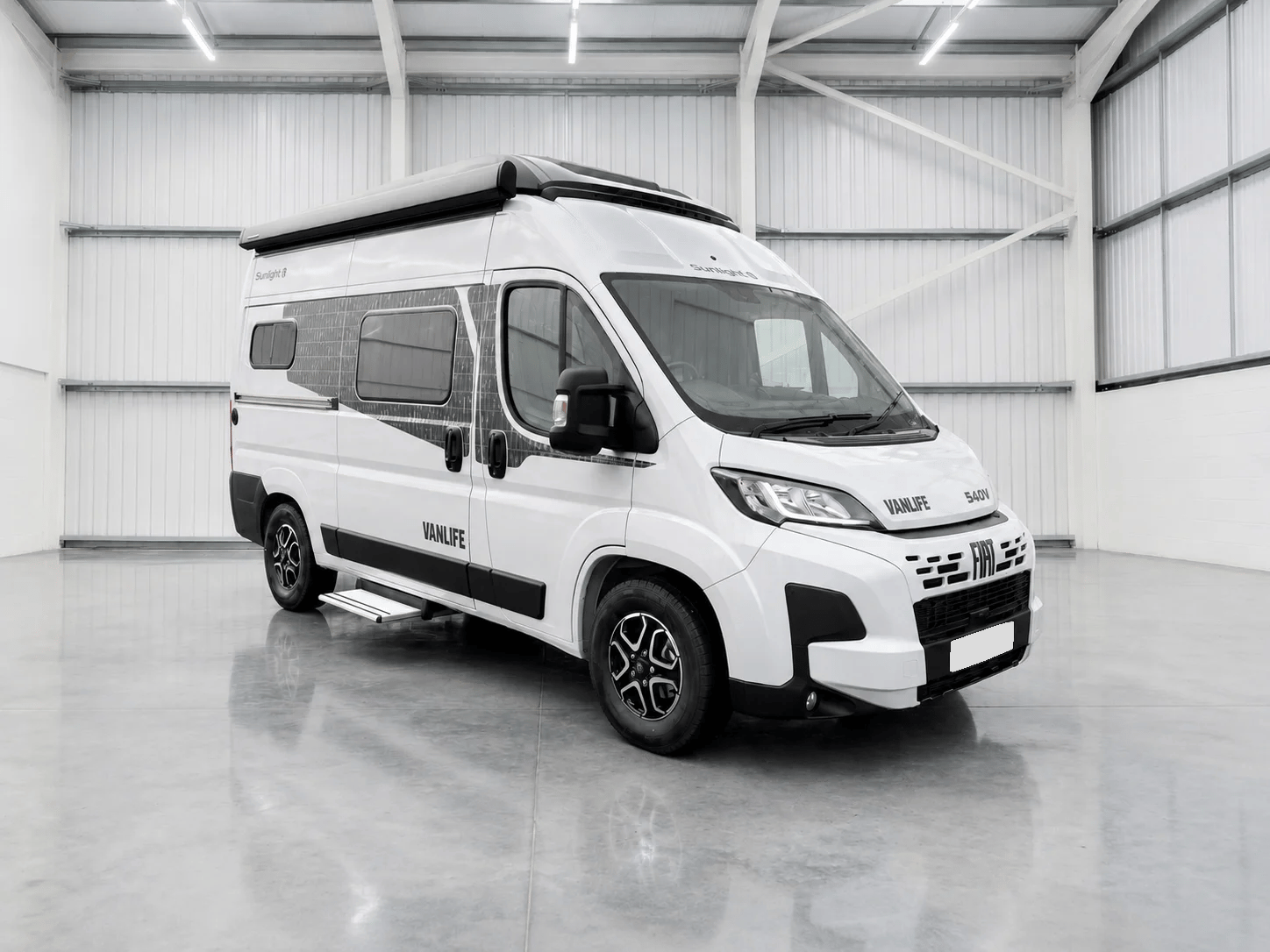
The camper you fall for is rarely the one you can afford. That gap is the whole reason Campervan.win exists. Right now we’re giving away the Sunlight Vanlife, worth around £65,000, and closing that gap is the point: capped entries so the odds stay honest, £10 a ticket, a maximum of five per person, £500 to a UK charity from every full draw, the winner picked by a public randomness beacon anyone can re-check, and one person driving away in the van itself.
Enjoyed this post?
Get more honest campervan guides like this one in your inbox.
You’re in!
Check your inbox. We’ve just sent you a welcome email.

About the author
Arthur
Arthur writes buying guides, comparisons, and in-depth explainers to help readers choose the right campervan or motorhome with confidence.
Keep Reading
Related Reading
Thoughtful articles that build on what you’ve just read.
Motorhome Reviews
12 min read
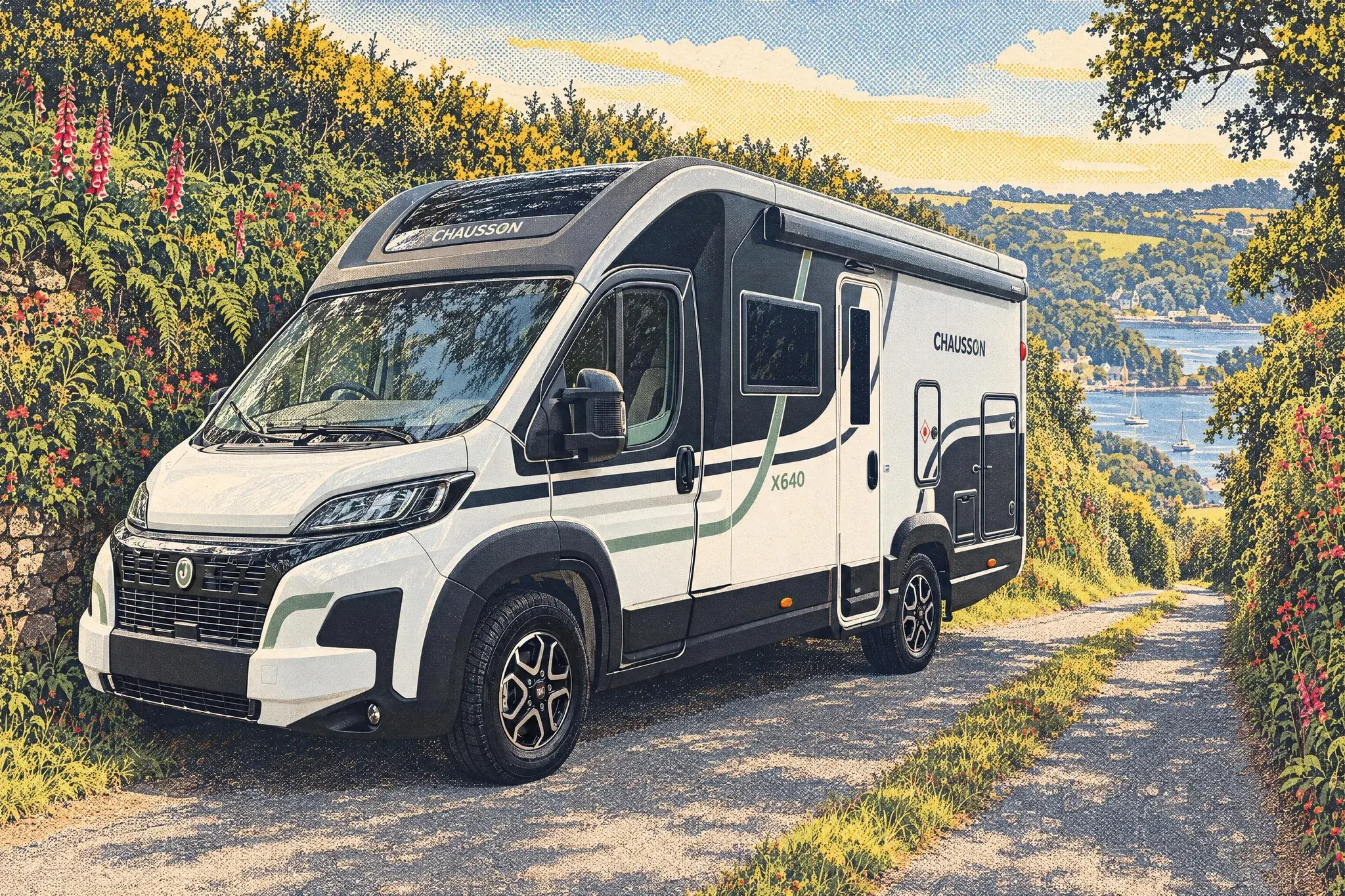
Chausson X640: is a 2.1 m wide coachbuilt from £74,990 the answer for UK lanes?
Chausson's new X640 squeezes a drop-down double, a full-width garage and 1.98 m of headroom into a body only 2.10 m wide. We run the real numbers on width, weight, licences and price to see who it suits.
Motorhome Reviews
13 min read
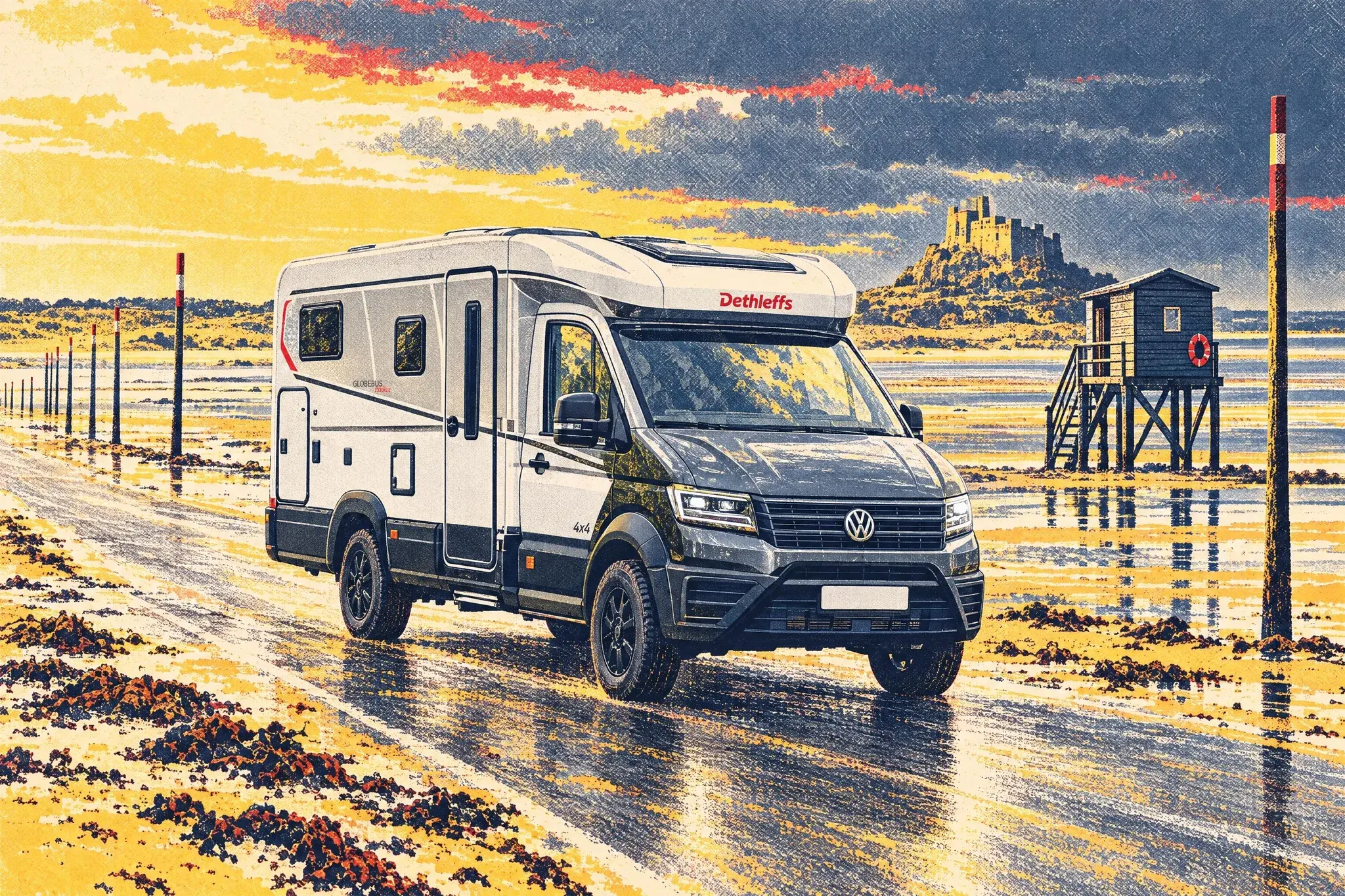
Dethleffs Globebus Performance 4x4 T16: a 6.25m VW Crafter 4x4 under 3.5t, judged for UK use
Dethleffs has put four-wheel drive under a compact coachbuilt motorhome. We look at what the 2027 Globebus Performance 4x4 T16 actually is, what the VW Crafter 4x4 base gives you, and whether a 6.25m, 3.5-tonne, roughly £98,000 all-wheel-drive motorhome makes sense on British roads.
Motorhome Reviews
29 min read
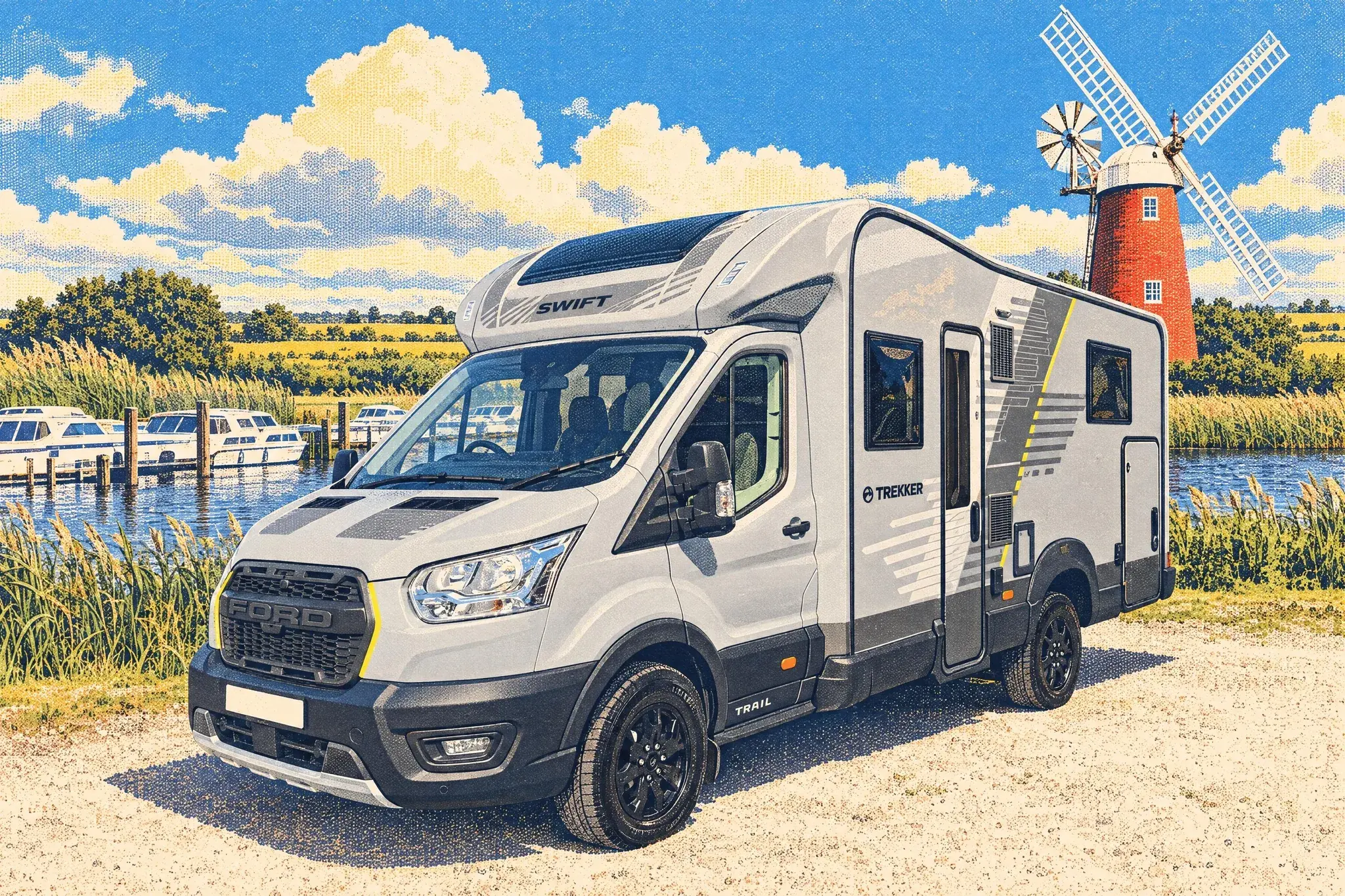
Swift Trekker 594 review: a full-size family coachbuilt for UK touring
An honest review of the Swift Trekker 594, a full-size four-berth coachbuilt motorhome about 7.85m long on the rear-wheel-drive Ford Transit, with a fixed rear island bed, centre washroom and a 3,500kg category B weight.
Motorhome Reviews
20 min read
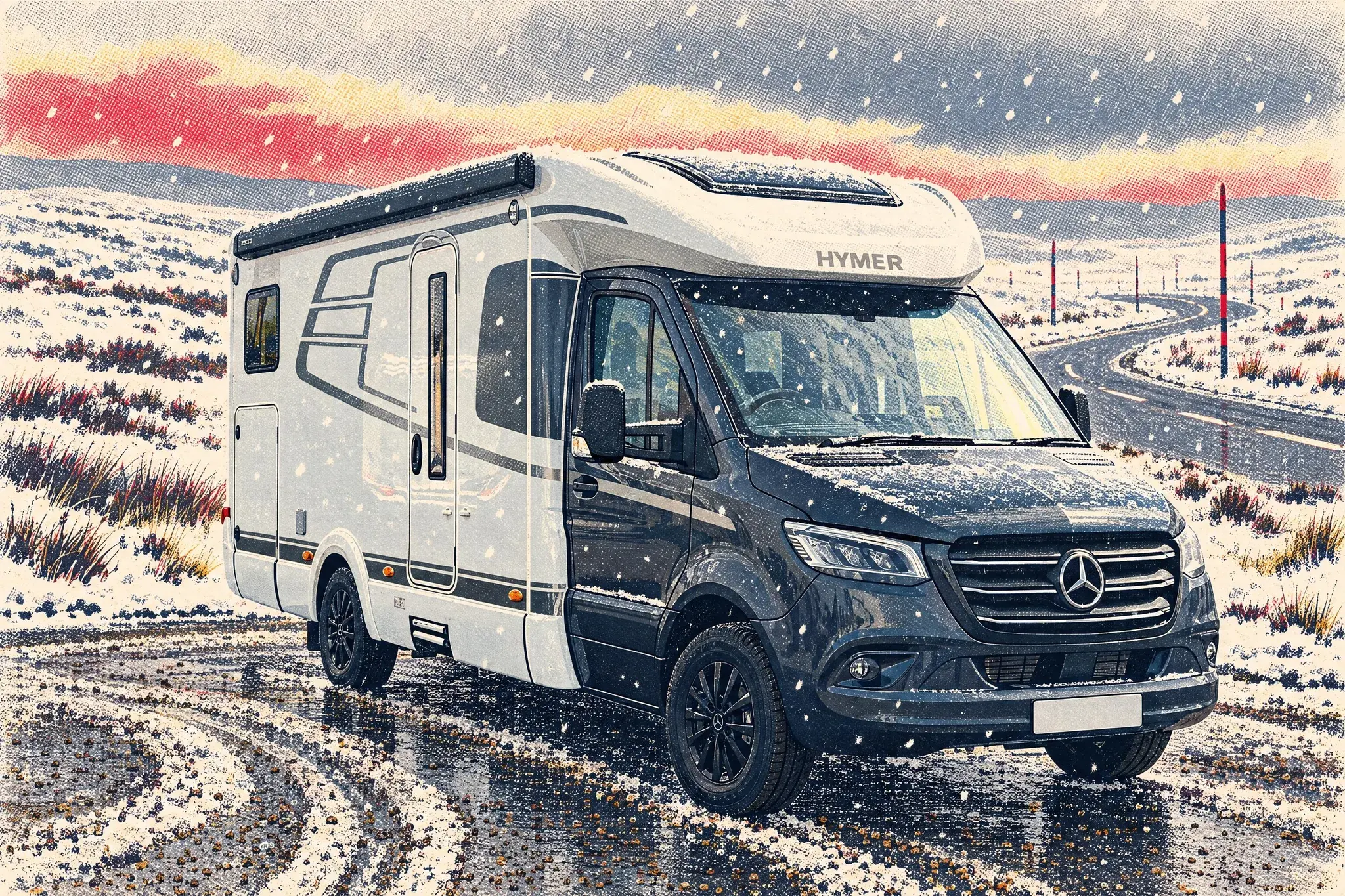
Hymer GT S review: the pricey motorhome that still makes surprisingly good sense
The Hymer GT S is a new Mercedes Sprinter based motorhome that starts just over £92,000 in the UK. It is expensive, but it delivers a genuinely premium driving and living experience without feeling over done. In this review, we look closely at the layouts, winter capability, Hymer Connect tech, real world storage, and why the GT S can be strong value compared with other Mercedes based Hymer motorhomes.