
VW California 2027: what's real, and what's just hype

Written by
Oliver
Oliver is the founder of Campervan.win and writes about campervans, travel, and the life-changing freedom that comes with getting out on the road.
The short answer
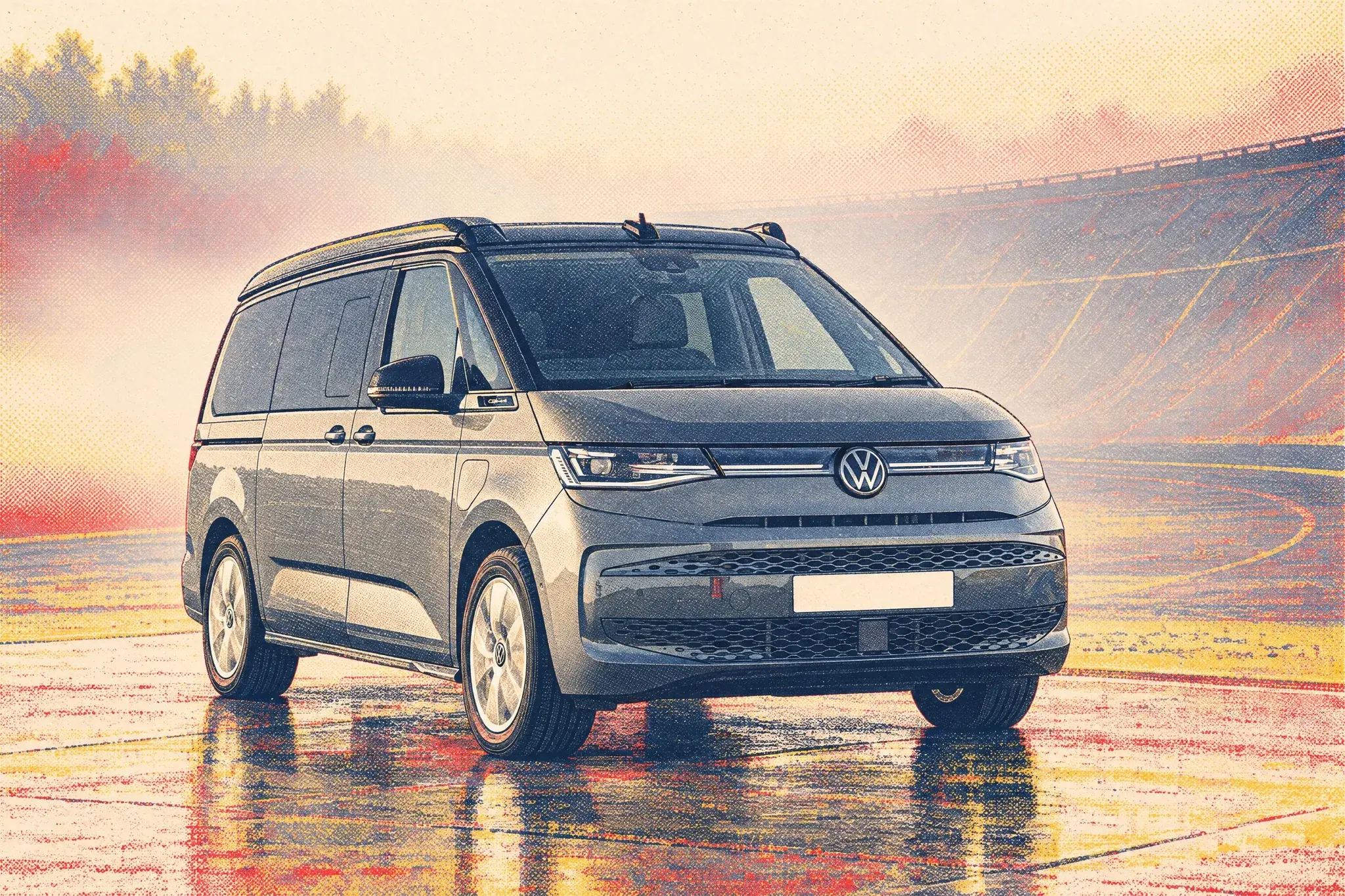
As things stand, Volkswagen has not officially confirmed a 2027 California, so almost everything written about one is informed speculation from spy shots rather than an announcement, and it helps to know that up front. What is genuinely coming is a facelift of the current Multivan-based California, most likely on sale in the second half of 2026, expected to bring fresh styling, a new MIB4 infotainment screen and a longer-range plug-in hybrid, while the diesel, petrol and hybrid powertrains carry over. It stays on the same platform, it is not a Ford-based van, and the fully electric California is a separate, years-away project. Knowing what is real saves you waiting for the wrong thing. Here is what to expect, and what is just hype.

Search for the "2027 VW California" and you'll find a confident stream of articles describing a new model: fresh styling, a bigger screen, more electric range, even an electric version. It's enough to make any prospective buyer pause and wonder whether to hold off. But here's the thing nobody leads with, and the thing this piece is built around: as of now, VW has not officially confirmed a 2027 California at all. Almost everything you've read is informed speculation, built on spy photographs and press reports, not on a VW announcement.
That doesn't mean it's nonsense, far from it. A facelift is genuinely coming, the test cars prove that. But there's a world of difference between "an update is being developed" and "here are the confirmed specs and the on-sale date", and most coverage blurs the two. So this is the honest version: what's actually solid, what's credible-but-unconfirmed, what's years away rather than imminent, and the platform confusion that muddles the whole conversation. If you're trying to decide whether the 2027 California is worth waiting for, our companion piece on buying now versus waiting tackles the decision; this one explains what's actually changing.
The honest headline: confirmed versus expected
Let's separate the facts from the forecasts cleanly, because that distinction is the whole point.
What's solid: a facelift of the current California is in development. Prototypes have been photographed testing on public roads, and you don't disguise and test a car you're not going to launch. So an updated California, almost certainly badged as a 2027 model year, is real and coming, most likely on sale in the second half of 2026. That much you can rely on.
What's expected but not confirmed: the specifics. The reports, sourced from spy shots and motoring press rather than VW, point to a restyled front end, a new infotainment system, and, most significantly, more electric range from the plug-in hybrid. These are credible and consistent across outlets, but VW has not published them, so treat them as well-informed expectations rather than facts. And what's a separate matter entirely: a fully electric California, which is a real future project but one that's years away, not a 2027 car, and frequently confused with the facelift. Hold those three buckets, confirmed, expected, and far-off, in mind, and the noise around the "2027 California" suddenly makes sense. Let's take each in turn, starting with the confusion that underlies most of the muddle: which California, and which platform, are we even talking about?
The platform picture, untangled
Before the changes make sense, you have to know what the current California actually is, because VW has quietly made this more confusing than it used to be, and getting it wrong leads people badly astray.
For most of its life, the California was based on the VW Transporter, the workhorse van. That changed with the current generation: today's California is built on the VW Multivan platform, a more car-derived architecture (the same underpinnings as VW's car-like MPV), rather than the commercial Transporter. So the current California drives more like a big car than a van, which is a deliberate shift.
Here's where it gets confusing. At around the same time, VW launched an all-new Transporter, and that new Transporter is now based on the Ford Transit Custom, the product of a VW-Ford partnership. So there are two separate things wearing VW badges: the new Transporter (a working van, Ford-based) and the California camper (Multivan-based, VW's own car platform). They are not the same vehicle, and crucially, there is no California version of the Ford-based Transporter. VW kept the California name on its own Multivan platform. If you've seen talk that "the new California is a Ford underneath", that's the confusion, it isn't; the new Transporter van is Ford-based, the California camper is not.
And then there's a third, separate thing: the ID. Buzz, VW's retro electric van and MPV. The future electric California is expected to be based on the ID. Buzz, but that's a different vehicle again from both the current Multivan-based California and the Ford-based Transporter. So, to keep it straight: today's California is a Multivan; the working Transporter van went Ford-based; the electric California will (eventually) be an ID. Buzz. Three different platforms, three different vehicles, one set of badges causing endless confusion. The "2027 California" everyone's discussing is a facelift of the current Multivan-based one, not a Ford, and not the electric ID. Buzz.
A short history: how the California got here
A little history makes the platform story click, and explains why there's so much confusion. The VW California has, for most of its life, been built on the Transporter, VW's commercial van: the T5, then the T6 and T6.1 generations were all Transporter-based campers, and that's the lineage most people picture, a camper version of the familiar VW van. The T6.1 California was the long-running, much-loved version that the current model replaced.
The current generation broke that pattern. Instead of basing the new California on the new Transporter, VW built it on the Multivan, its car-derived people-carrier platform, making today's California more car-like and less van-like than its predecessors. At almost the same moment, VW launched the new Transporter as a Ford-based van (through the VW-Ford tie-up), and separately developed the electric ID. Buzz. So in the space of a couple of years, the single, simple "California is a Transporter camper" picture fractured into three: a Multivan-based California, a Ford-based Transporter, and an electric ID. Buzz. That fracture is the root of nearly all the confusion around the "2027 California", and knowing the history, that VW deliberately moved the California off the Transporter and onto the Multivan, is what lets you cut through it. The 2027 facelift is an update to that current, Multivan-based California, the latest step in a lineage that quietly changed platforms.
The California today: the baseline that's changing
To understand what's changing, it helps to know exactly what's on sale now, because the 2027 update is a refresh of this, not a replacement. The current California comes in three trims: the entry Beach, with a simpler galley and more seats; the mid Coast, with the full side kitchenette and electric pop-up roof; and the flagship Ocean, loaded with kit. Three powertrains are offered: a 2.0-litre TDI diesel (around 150 horsepower, front-wheel drive), a 2.0-litre TSI petrol (around 204 horsepower, front-wheel drive), and the headline 1.5-litre eHybrid plug-in hybrid (around 245 horsepower, with four-wheel drive and roughly 53 miles of electric range), the first plug-in California.
Prices span roughly £63,000 for an entry diesel to around £85,000 for a loaded Ocean plug-in hybrid. It's a thoroughly modern, well-reviewed camper, more car-like to drive than the old Transporter-based Californias, with dual sliding doors and a simplified (some say too simplified) single-hob kitchen compared with the old model's fuller galley. It sits in a crowded compact-camper class, up against the Ford Transit Custom Nugget and continental rivals like Crosscamp (which isn't sold in the UK, as we cover in our Crosscamp piece), and the 2027 update is VW keeping its class-leader fresh rather than answering any single threat. When you read about the 2027 changes, picture them as tweaks to this van, a new face, a new screen, a better hybrid, rather than a clean sheet. Knowing the baseline is what lets you judge whether the rumoured changes are worth waiting for, because they're improvements to an already-good van, not fixes to a broken one.
What the 2027 facelift is expected to bring
With the platform clear, here's what the rumoured 2027-model-year facelift is reported to include. We'll say it once more for honesty: these come from spy shots and press reports, not VW, so they're expectations, not confirmed specifications.
A restyled front end is the most visible expected change: new headlights, a revised grille and light-bar treatment, the usual mid-life nip and tuck. Part of the reason is cosmetic freshening, but part is regulatory, which we'll come to. A new infotainment system is the second big one: the reports point to VW's latest "MIB4" software with a larger touchscreen and the newest voice and connectivity features (including AI-assistant voice control), replacing the current system. For a camper that's increasingly a tech hub as well as a vehicle, that's a meaningful update.
The headline mechanical change, and the one buyers care about most, is more electric range from the plug-in hybrid. The current eHybrid does around 53 miles on the official test; the reports suggest the facelift could push that meaningfully higher, towards the 60-plus-mile mark (some mention around 100 km), via a bigger battery. If that materialises, it's the most valuable single improvement, because electric range is exactly what plug-in buyers prioritise. The core powertrain line-up, diesel, petrol and the 1.5-litre plug-in hybrid, is expected to carry over otherwise. Beyond those, expect the usual minor spec and trim tweaks that come with a facelift. But notice what this is and isn't: it's a mid-life refresh of the existing van, freshened looks, newer tech, a better hybrid, not an all-new California and not an electric one. That's worth keeping in proportion against the breathless "all-new 2027 California" framing you'll see elsewhere.
What probably won't change
Amid all the talk of changes, it's worth noting what almost certainly won't change in the 2027 facelift, because it helps right-size expectations. The platform won't change: it'll still be the current Multivan-based California, not a new vehicle and not the Ford-based Transporter. The fundamental layout and the three trims (Beach, Coast, Ocean) will almost certainly carry over, a facelift refreshes, it doesn't redesign the interior architecture. The pop-up roof, the core camping concept, the general size and shape, all of that stays. And the powertrain line-up, diesel, petrol and the 1.5-litre plug-in hybrid, is expected to continue, just with the hybrid's range improved.
In other words, this is an update, not a reinvention. If you like the current California, you'll like the facelifted one, it'll be the same van with a fresher face, a better screen and a longer-legged hybrid. If you don't like something fundamental about the current one (the simplified kitchen, say, or the size), a facelift won't fix that, because those are baked into the current generation and a mid-life refresh doesn't touch them. Knowing what won't change is as useful as knowing what will: it tells you that the 2027 California is a question of "the same van, slightly better" rather than "a different van worth holding out for", which is exactly the right frame for the buy-or-wait decision.
The tech: a new screen, and a more connected camper
The infotainment upgrade deserves a little more than a line, because in a modern camper the screen is increasingly the control centre, not just the radio. The current California already uses a touchscreen for much of its function; the facelift is reported to bring VW's latest system (referred to as MIB4), with a larger display, faster, more modern software, and the newest connectivity and voice features, including AI-assisted voice control. For a vehicle you live in as well as drive, a better screen and smarter connectivity genuinely improve daily use: navigation, media, vehicle settings and, increasingly, camper functions are all run through it.
Whether that's a reason to wait depends on how much you care about in-car tech, which ages faster than anything else on a vehicle. Infotainment is the part of any car that feels dated soonest, so getting the latest system can extend how current the van feels for longer, a real, if unglamorous, benefit. The flip side is that it's also the easiest thing to live without if everything else suits you, and on a camper the kitchen, the bed and the heating matter more day to day than the screen. So file the tech upgrade as a nice-to-have that matters most to the gadget-minded and to anyone keeping the van a long time, rather than a transformational change. As with the rest of the facelift, the exact new system and features are reported rather than VW-confirmed, so treat the detail as expectation.
Why a facelift now? The Euro 7 driver
A natural question is why an update is coming so soon into the current California's life, and the answer is partly regulation, which is worth understanding because it shapes the whole thing. New, tighter European emissions rules (Euro 7) come into force in late November 2026, and meeting them often requires changes to a vehicle, sometimes mechanical, sometimes including the front-end design and cooling. A mid-life facelift is the natural moment to fold in the engineering needed for new emissions compliance, so the timing of the rumoured 2027-model-year update lines up neatly with Euro 7 coming into effect.
This matters for buyers in a specific way: regulatory-driven updates often nudge prices up (compliance costs money) and can reshape the engine line-up. There's a real possibility that the diesel option, in particular, gets repositioned, repriced or thinned out as emissions rules tighten, which is why, as we discuss in the buy-now-or-wait piece, anyone who specifically wants a diesel California has a nudge to buy while it's clearly available. The Euro 7 angle also reinforces that this is an evolutionary update driven partly by necessity, not a clean-sheet reinvention, the current California is young, and VW isn't redesigning it, it's refreshing and recompliancing it. Understanding that helps set expectations: meaningful improvements, yes, but not a transformation.
What a facelift means for prices and deals
It's worth thinking about what a facelift typically does to prices and deals, because it bears on the timing question. As a rule, an updated model launches at a higher price than the one it replaces: new tech, fresh styling and tighter emissions compliance all add cost, and manufacturers rarely use a facelift to cut prices. So the 2027 California is more likely to be dearer than today's, not cheaper. On top of that, launch-period deals on a fresh model tend to be thinner than the offers running on an outgoing one, because demand is high and the maker doesn't need to discount a new product.
The practical implication is a slightly counterintuitive one: the current, pre-facelift California may well be the better-value buy, especially if there's a strong finance offer running on it, precisely because it's the outgoing model. Waiting for the facelift gets you the newer van, but probably at a higher price and with weaker initial deals. That doesn't mean don't wait, if the improvements matter to you, they may be worth paying more for, but it does mean "wait and save money" is the wrong way round: waiting for a facelift usually costs more, not less. If saving money is your goal, a current model on a good deal (or a nearly-new one) is the likelier route to it, as we explore in the buy-now-or-wait guide.
Will the diesel survive the update?
One genuine open question hangs over the facelift: the future of the diesel. The update is driven partly by Euro 7 emissions rules, and across the industry, tightening emissions regulation has been steadily squeezing diesel out of smaller vehicles in favour of petrol and electrified options. Whether the California's 2.0 TDI diesel carries through the facelift unchanged, gets repriced to reflect compliance costs, or is quietly dropped, is not something VW has confirmed.
For a camper, this matters more than it might for a car, because diesel remains the natural choice for the long-distance touring campers are bought for: it's the most economical option on a big motorway haul, and the traditional camper engine. If you specifically want a diesel California, the uncertainty cuts one way, towards buying while it's clearly on sale, rather than gambling that it survives the update in the same form and at the same price. We wouldn't predict the diesel's demise, plenty of diesel campers will be sold for years yet, but "will the diesel still be offered, and at what price, after the facelift?" is a real unknown, and one of the better reasons for a diesel-minded buyer not to wait. It's a small example of how a regulation-driven facelift can reshape a range in ways that matter to specific buyers, even when the headline changes look modest.
The electric California: real, but not 2027
Now the part that causes the most confusion and the most disappointment, so let's be clear. A fully electric California is a genuine VW project, but it is not a 2027 vehicle, and waiting for it is a multi-year proposition.
The story so far: VW showed a California concept back in 2023, but that concept previewed the plug-in hybrid that's now on sale, not a pure EV. A fully electric California, expected to be based on the ID. Buzz (the electric van), has been talked about by VW for years but repeatedly delayed. The reported reason is instructive: a like-for-like electric camper would be very heavy, around three tonnes once fully kitted out, which pushes it over the 3,500-kilogram limit for an ordinary category B driving licence once you account for payload, and that's a genuine problem for a vehicle meant to be driven on a car licence. Combined with softer-than-hoped demand for electric campers, that has pushed the electric California's likely arrival out towards the end of the decade, with no confirmed date, specification or price.
So if you hear "2027 California" and picture an electric one, recalibrate: the 2027 talk is about a facelifted petrol, diesel and plug-in-hybrid van, while the electric California is a separate, much later project, realistically around 2030, not three years sooner. This is the single most important thing to get right, because people are delaying purchases in the belief that an electric California is imminent, and it isn't. The electrified California you can actually have, now and after the facelift, is the plug-in hybrid; the pure EV is a long way off. Anyone whose heart is set on a fully electric California should plan for a long wait, and in the meantime treat the plug-in hybrid as the bridge.
The electric camper problem, in depth
The repeatedly-delayed electric California deserves a closer look, because the reasons it keeps slipping are genuinely interesting and tell you a lot about why electric campers are hard. The headline problem is weight. Camper conversions are heavy, all that furniture, water, gas, kit, and a big battery to give a van usable electric range is heavy too. Add the two together and a fully electric camper with a decent range can approach or exceed three tonnes. That collides with a crucial number: 3,500 kilograms, the limit for an ordinary category B driving licence. Once you've added a camper's payload allowance (water, passengers, luggage) on top of a heavy electric base, you risk a vehicle most people can't legally drive on a standard licence, which would gut its appeal.
Then there's range and charging on tour. A campervan's job is often long journeys to remote places, exactly where electric range is most stretched and charging hardest to find, and where the extra weight of a camper conversion hits range hardest. A 200-mile electric van can become a 130-mile one fully loaded, which makes the long touring trips campers are bought for genuinely awkward. And demand for electric campers has been softer than the hype suggested, partly for these reasons, so the commercial pressure to rush one out isn't there.
Put those together, the weight-versus-licence problem, the range-and-charging problem, and lukewarm demand, and you can see why VW keeps pushing the electric California back rather than launching a compromised one. It's not reluctance for its own sake; it's that a genuinely good electric camper is a hard engineering problem, and VW would rather wait than ship a heavy, short-range, licence-troubling one. That's why the realistic timeline is the end of the decade, and why the plug-in hybrid exists as the sensible bridge in the meantime: it offers electric running for short trips without the weight and range penalties of going fully electric.
What it means for buyers
So where does all this leave you? In short: there's a real, evolutionary update coming, probably on sale in the second half of 2026 as a 2027 model, bringing fresher looks, newer tech and, most usefully, more plug-in-hybrid range, but it's a facelift, not a revolution, and its specifics aren't confirmed. The electric California that some are waiting for is years away. And the current California remains an excellent, fully-developed van you can buy today, often with strong finance deals.
Whether that means you should buy now or wait is a separate decision, and it depends on your priorities, how much you value the rumoured improvements (especially the bigger hybrid range), whether you want diesel, whether there's a good deal running, and how long you can hold out. We work through that decision properly in our dedicated guide to buying a California now versus waiting for the 2027, so we won't repeat it here. The short version: wait for the facelift if more electric range genuinely matters and you can hold on; buy now if you want a sorted van, a current deal, or specifically a diesel; and don't wait for the electric one, because that's a 2030-ish decision, not a 2027 one. What this piece is really for is making sure you're deciding on the basis of what's actually changing, not on the inflated "all-new electric 2027 California" picture that the headlines imply.
Where the class is heading
It's worth a glance at the wider picture, because the California's update is happening against a slowly-shifting backdrop. The compact-camper class, the California, the Ford Nugget, the many specialist conversions, is electrifying cautiously rather than rapidly, for exactly the reasons the electric California keeps slipping: weight, range and the licence problem hit every maker, not just VW. So the plug-in hybrid, rather than the pure EV, is where the leading edge of this class actually is right now, and the California's facelift improving its hybrid range is very much in step with that. Don't expect the class to go fully electric soon; expect more and better plug-in hybrids first.
That context reinforces the practical takeaway. If you want an electrified camper today or after the facelift, the plug-in hybrid is the realistic, available answer, in the California and increasingly in its rivals, while a genuinely good pure-electric compact camper is a problem the whole industry is still working on. The California isn't behind here; it's roughly where the class is, leading on the hybrid and waiting, like everyone else, on a viable EV. So the 2027 facelift, a better hybrid in a freshened, still-Multivan-based van, isn't a stopgap or a sign VW is lagging; it's the sensible state of the art for a compact camper in the second half of this decade. The electric future is coming to the whole class, just not as fast as the headlines imply, and the California's update reflects exactly that.
How reliable is the "2027" information?
It's worth being explicit about the quality of the evidence, because a lot rides on it. The strongest, most reliable fact is that a facelift exists and is coming: disguised prototypes testing on public roads are about as solid as pre-launch evidence gets, manufacturers don't develop and test updates they won't sell. So "an updated California is coming, likely on sale in the second half of 2026 as a 2027 model" is on firm ground.
Everything more specific is softer. The restyled front, the new infotainment, the bigger hybrid range, the exact on-sale date, all of it comes from spy-shot analysis and motoring-press reports, much of it traceable to a cluster of reports in early 2026, rather than from VW itself, which had not officially confirmed the update or its specs at the time of writing. The specifics are credible and consistent, which is why we've reported them, but they could change, and the numbers in particular (the exact electric range, the precise prices) should be treated as forecasts until VW publishes them. The honest summary: trust "a facelift is coming"; treat the detailed spec sheet as well-informed expectation; and ignore anyone presenting the 2027 California as a confirmed, fully-specced, all-new or electric model, because as of now, it isn't. When VW makes it official, the picture will firm up, and that's the moment to act on the specifics rather than the rumours.
Could the timing slip?
One honest caveat on the timing, since "second half of 2026, as a 2027 model" is the consistent expectation rather than a promise: it could slip. Model-year timings move, reveals get pushed, and a facelift driven by emissions compliance is tied to regulatory deadlines that can themselves shift. So while the direction (an update, soonish) is solid, the exact "when" is not, and anyone planning around it should hold the date loosely.
What would firm it up? A formal VW reveal, almost certainly at a major show or via an official press release, is what turns the rumour into a timetable, complete with confirmed specs and prices. Until that lands, treat the on-sale date as a moving target. For a buyer, the practical effect is that "I'll just wait for the 2027" can quietly become "I'll wait, and wait" if the timing drifts, which is exactly why we suggest setting a personal deadline rather than waiting open-endedly. The update is coming; precisely when is the bit most likely to move, so don't build a rigid plan on a date VW hasn't given.
The bottom line
To boil it all down: there is no officially-confirmed 2027 VW California, but a facelift of the current Multivan-based model is genuinely coming, most likely on sale in the second half of 2026 as a 2027 model year. Expect a restyled front (partly for Euro 7), a new infotainment system, and, most usefully, more plug-in-hybrid range, with the diesel, petrol and hybrid powertrains otherwise carrying over. It's a mid-life refresh, the same good van made a little better, not an all-new model. The platform stays the Multivan (not the Ford-based Transporter), and the fully electric California is a separate project realistically around 2030, not 2027.
So when someone mentions the "2027 California", the accurate response is: a facelift is coming and looks worthwhile, especially for the better hybrid, but it's an update rather than a revolution, its specifics aren't yet confirmed, and it's emphatically not the electric one. Decide on that basis, the real, evolutionary update, not the inflated picture the headlines paint, and you'll judge the buy-or-wait question clearly. The current California is excellent today; the 2027 will be the same van, slightly improved; and the electric one is a story for the next decade.
Frequently asked questions
Is there a 2027 VW California?
Not officially confirmed, as things stand. A facelift of the current California is genuinely in development (prototypes have been spotted testing) and is widely expected to go on sale in the second half of 2026 as a 2027 model year. But VW has not officially announced it or its specifications, so the "2027 California" is a real, coming update whose details are still press speculation rather than confirmed fact.
What's changing on the VW California for 2027?
Based on spy shots and press reports (not VW), the expected changes are a restyled front end (partly to meet Euro 7 emissions rules), a new infotainment system with a larger screen and the latest software, and, most significantly, more electric range from the plug-in hybrid, reportedly rising from around 53 miles towards 60-plus. The diesel, petrol and plug-in-hybrid powertrains are expected to carry over. It's a mid-life facelift, not an all-new model, and the specifics aren't confirmed.
Is the 2027 VW California electric?
No. The rumoured 2027 update is a facelift of the current petrol, diesel and plug-in-hybrid California, not an electric model. A fully electric California (expected to be based on the ID. Buzz) is a separate project that has been repeatedly delayed, partly because a fully-kitted electric camper would be very heavy and risk exceeding the ordinary car-licence weight limit, and is realistically expected around the end of the decade, not in 2027. Don't wait until 2027 expecting an electric California.
Will the VW California still be available with a diesel engine after the 2027 update?
It's unconfirmed. The facelift is driven partly by Euro 7 emissions rules, and tightening regulation has been squeezing diesel out of smaller vehicles industry-wide, so there's a real chance the diesel is repriced, repositioned or dropped, though VW hasn't said. Since diesel remains the best choice for long-distance camper touring, anyone who specifically wants a diesel California has a genuine reason to buy while it's clearly on sale rather than gamble on it surviving the update unchanged.
Is the VW California facelift confirmed by VW?
Not as of now. Prototypes have been photographed testing, which confirms an update is genuinely in development and coming (likely on sale in the second half of 2026 as a 2027 model). But VW had not officially announced the facelift or its specifications at the time of writing, so the detailed changes, styling, infotainment, hybrid range, on-sale date, are press and spy-shot reports rather than confirmed facts. Trust that an update is coming; treat the specifics as well-informed expectation.
Is the new VW California based on a Ford?
No, that's a common confusion. The current California is built on the VW Multivan platform (VW's own car-derived architecture). The new VW Transporter van is the one that's now based on the Ford Transit Custom, through a VW-Ford partnership, but that's a separate vehicle, and there is no California version of it. The California camper stayed on VW's Multivan platform, not the Ford-based Transporter.
Should I wait for the 2027 VW California?
It depends on your priorities, and it's a big enough question that we've given it its own guide: see buying a VW California now versus waiting. In short: wait for the facelift if more plug-in-hybrid range genuinely matters to you and you can hold off until it's confirmed (likely later in 2026); buy now if you want a proven van, a current finance deal, or specifically a diesel; and don't wait for the electric California, which is years away rather than a 2027 car.
Where can I see the official VW California 2027 details?
When they exist, on VW's own channels: an official press release or a reveal at a major motor or caravan show is what will confirm the facelift's styling, specification, prices and on-sale date. Until VW publishes that, every "2027 California" detail, including those in this article, is press and spy-shot reporting rather than confirmed fact. So check VW's official site or its newsroom for the definitive picture, and treat earlier coverage (ours included) as well-informed expectation that firms up once VW makes it official.
How much will the 2027 VW California cost?
No official price exists yet, since VW hasn't confirmed the update. As a guide, the current California spans roughly £63,000 to £85,000-plus depending on trim and powertrain, and facelifts typically launch a little dearer than the model they replace, with new tech and tighter emissions compliance adding cost. So expect the 2027 to start somewhat above today's pricing rather than below it, with weaker launch deals than the offers currently running on the outgoing model. Treat any specific 2027 price you see as speculation until VW publishes it.
Will the current VW California lose value when the 2027 arrives?
Possibly a little, especially the plug-in hybrid, since buying the last of a pre-facelift generation is the classic point for some extra depreciation, and a longer-range hybrid facelift would make the current roughly-53-mile version the superseded one. That said, Californias hold their value unusually well, so the effect is from a high baseline, and if you keep the van for years it barely matters. A frequent-changer eyeing the plug-in should factor it in; a long-term keeper needn't worry.
Does the 2027 VW California have a new platform?
No. The facelift stays on the current Multivan platform, the same car-derived architecture as today's California. It is not moving to the Ford-based Transporter platform (that's a separate, commercial van), and it's not the electric ID. Buzz (a separate vehicle the future electric California will use). A facelift refreshes styling, tech and the hybrid; it doesn't change the underlying platform, so the 2027 will be the same fundamental vehicle as the current car, just updated.
Common questions
Is there a 2027 VW California?
Not officially. As things stand, Volkswagen has not confirmed a 2027 California, so the specs and on-sale dates you read are informed speculation built on spy photographs and press reports, not a VW announcement. A facelift is genuinely being developed, the test cars prove that, most likely on sale in the second half of 2026 and badged as a 2027 model year.
What is changing on the VW California for 2027?
It is expected to be a facelift, not an all-new van: fresh styling, a new MIB4 infotainment system with a larger touchscreen and the latest voice and connectivity features, and a longer-range plug-in hybrid (the current car does around 53 miles of electric range, the update may push past 60). The diesel, petrol and plug-in hybrid powertrains are expected to carry over otherwise.
Is the 2027 VW California electric?
The facelift is not a fully electric van. A fully electric California is a real future project, but it is years away and will use a separate vehicle, not the 2027 facelift, so the two are frequently confused. The current line-up offers a diesel, a petrol and the 1.5-litre eHybrid plug-in hybrid, and the facelift improves the hybrid rather than replacing the range with an EV.
Is the new VW California based on a Ford?
No. The current California, and the 2027 facelift of it, are built on the Multivan platform, a car-derived architecture. Volkswagen deliberately moved the California off the Transporter onto the Multivan, which is the root of much of the confusion. The Ford-based Transporter is a separate commercial van, and the electric ID Buzz is a different vehicle again.
How much does the VW California cost?
The current California spans roughly 63,000 pounds for an entry diesel to around 85,000 for a loaded Ocean plug-in hybrid, with three powertrains: a 2.0 TDI diesel (around 150hp), a 2.0 TSI petrol (around 204hp) and the 1.5 eHybrid (around 245hp, four-wheel drive, roughly 53 miles electric). A facelift typically nudges prices up, so expect the 2027 to cost a little more.
Should I wait for the 2027 VW California?
It depends how much the new screen and longer hybrid range matter to you, set against the fact that the facelift is the same fundamental Multivan-based van, just updated, not a clean-sheet model. If you want a deal, the outgoing model may be discounted as the update nears. Either way, do not buy on unconfirmed specs; wait for VW's official details before deciding on the new car.
The reachable bit
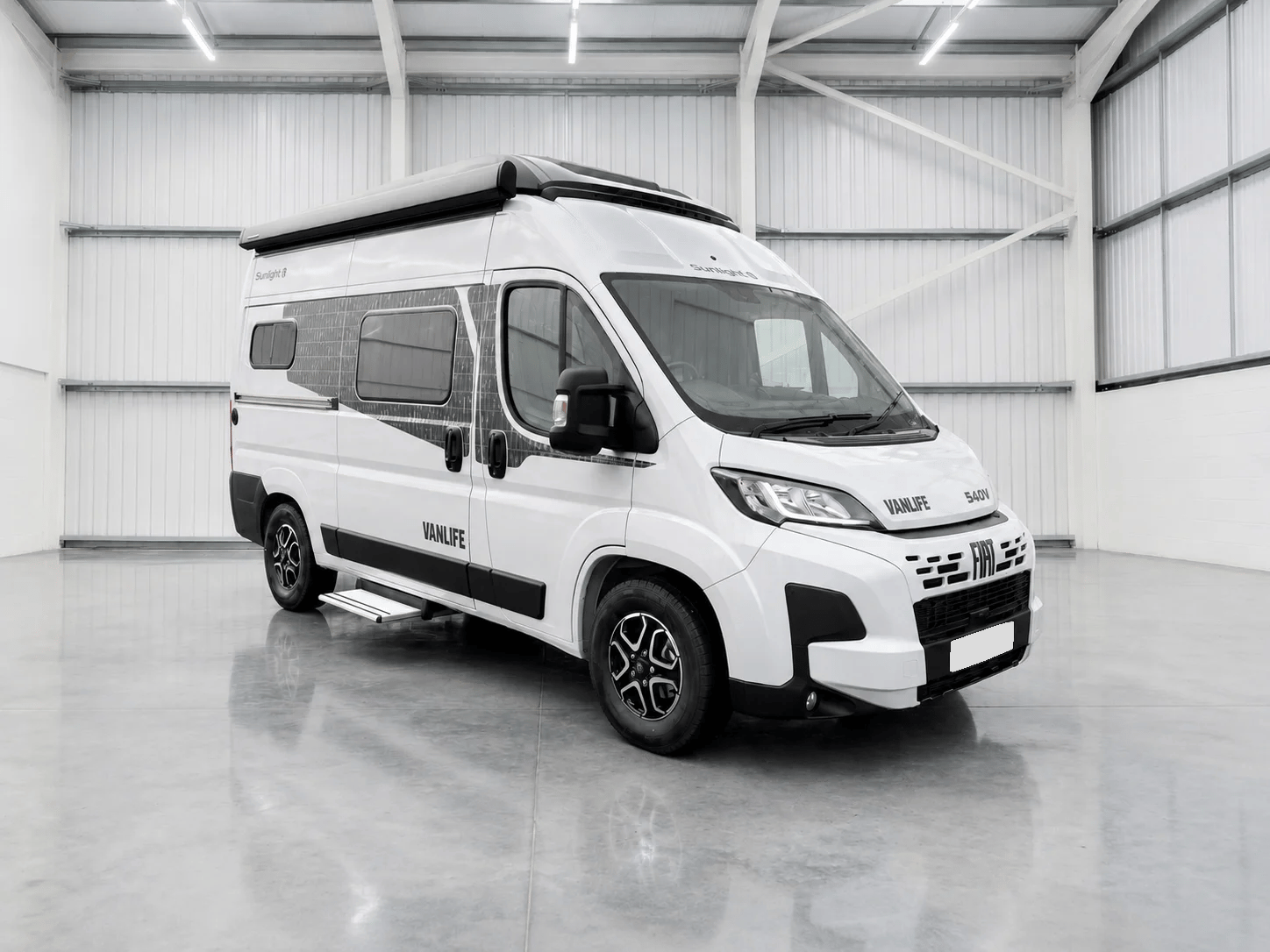
The camper you fall for is rarely the one you can afford. That gap is the whole reason Campervan.win exists. Right now we’re giving away the Sunlight Vanlife, worth around £65,000, and closing that gap is the point: capped entries so the odds stay honest, £10 a ticket, a maximum of five per person, £500 to a UK charity from every full draw, the winner picked by a public randomness beacon anyone can re-check, and one person driving away in the van itself.
Enjoyed this post?
Get more honest campervan guides like this one in your inbox.
You’re in!
Check your inbox. We’ve just sent you a welcome email.

About the author
Oliver
Oliver is the founder of Campervan.win and writes about campervans, travel, and the life-changing freedom that comes with getting out on the road.
Keep Reading
Related Reading
Thoughtful articles that build on what you’ve just read.
New & Noteworthy
12 min read
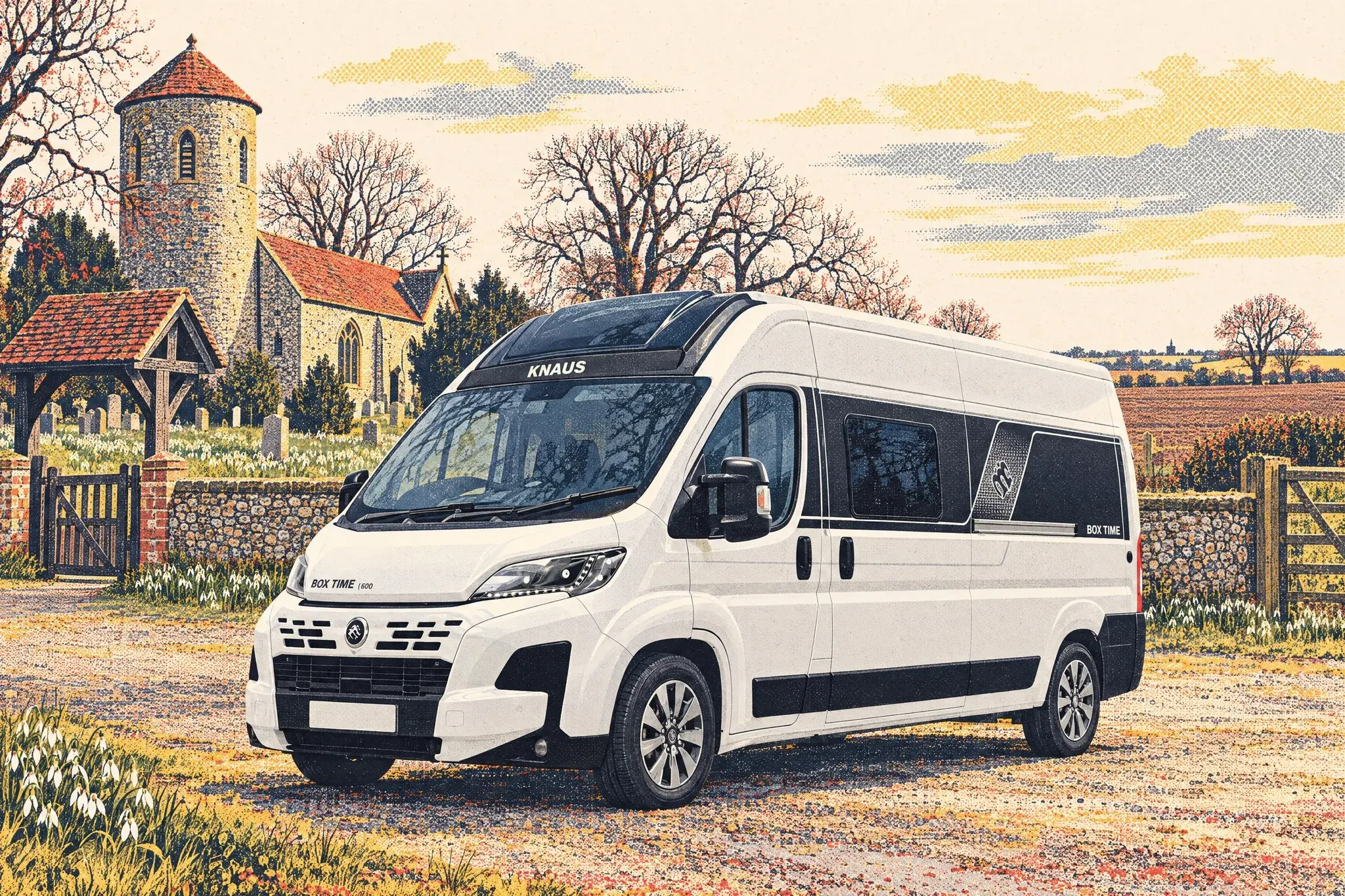
Knaus Boxtime 600 ME (2027): twin singles in 6 m, and the payload figure to question
Knaus's new Boxtime 600 ME squeezes two lengthways single beds into a 5.99 m van from £81,725. We lay out what that layout gives a couple, run the weight sums with Knaus's own figures, and explain why the 211 kg 'maximum payload' line needs a question before you sign.
New & Noteworthy
10 min read
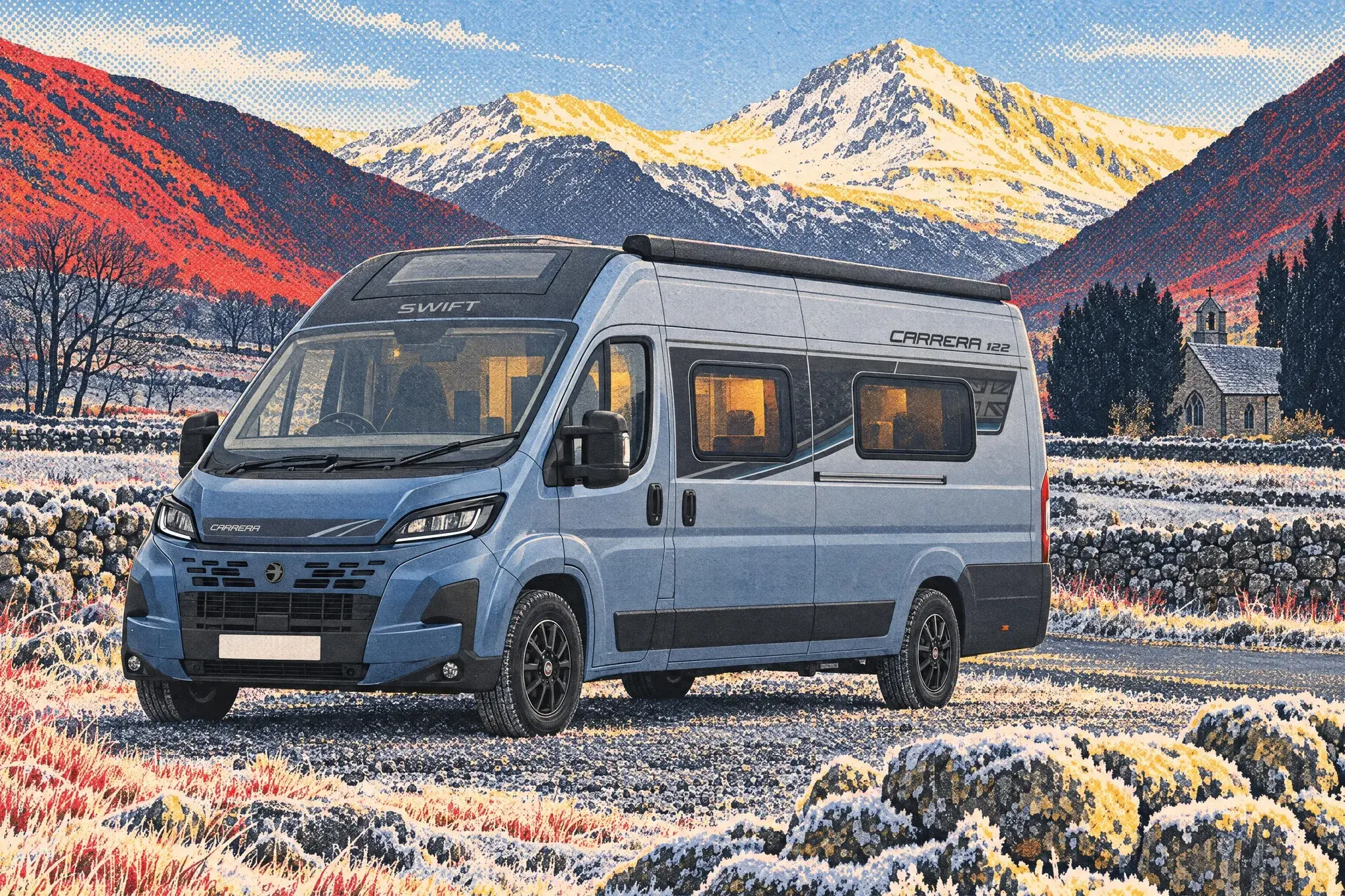
Swift Carrera goes gas-free for 2027: 340Ah lithium, diesel heat and induction cooking
Swift has taken the gas out of its Carrera campervan for 2027, swapping bottles for a 340Ah lithium battery, diesel heating and an induction hob. Here is what that means across a real UK year, how it compares with the cheaper Merlin, and the one question to ask at the NEC.
New & Noteworthy
10 min read
British campervan converters at the NEC 2026: who builds on what, and for how much
A stand-by-stand map of the British campervan converters at the Motorhome and Caravan Show 2026: the vans they build on, their from-prices, seats, roofs and lead times, plus the four questions to put to every one of them.
New & Noteworthy
9 min read
Plug-in hybrid campervans at the NEC: what a PHEV gives you and why full EVs are rare
Four UK converters have hybrid campers at or around the Motorhome and Caravan Show this October, while fully electric campers remain scarce. Here is what a plug-in hybrid camper does well, what the sellers rarely tell you, and the questions to ask on the stand.