
VW California: buy now, or wait for the 2027?

Written by
Rowan
Rowan writes editorial features, comparisons, and industry context pieces that help readers understand the campervan and motorhome landscape.
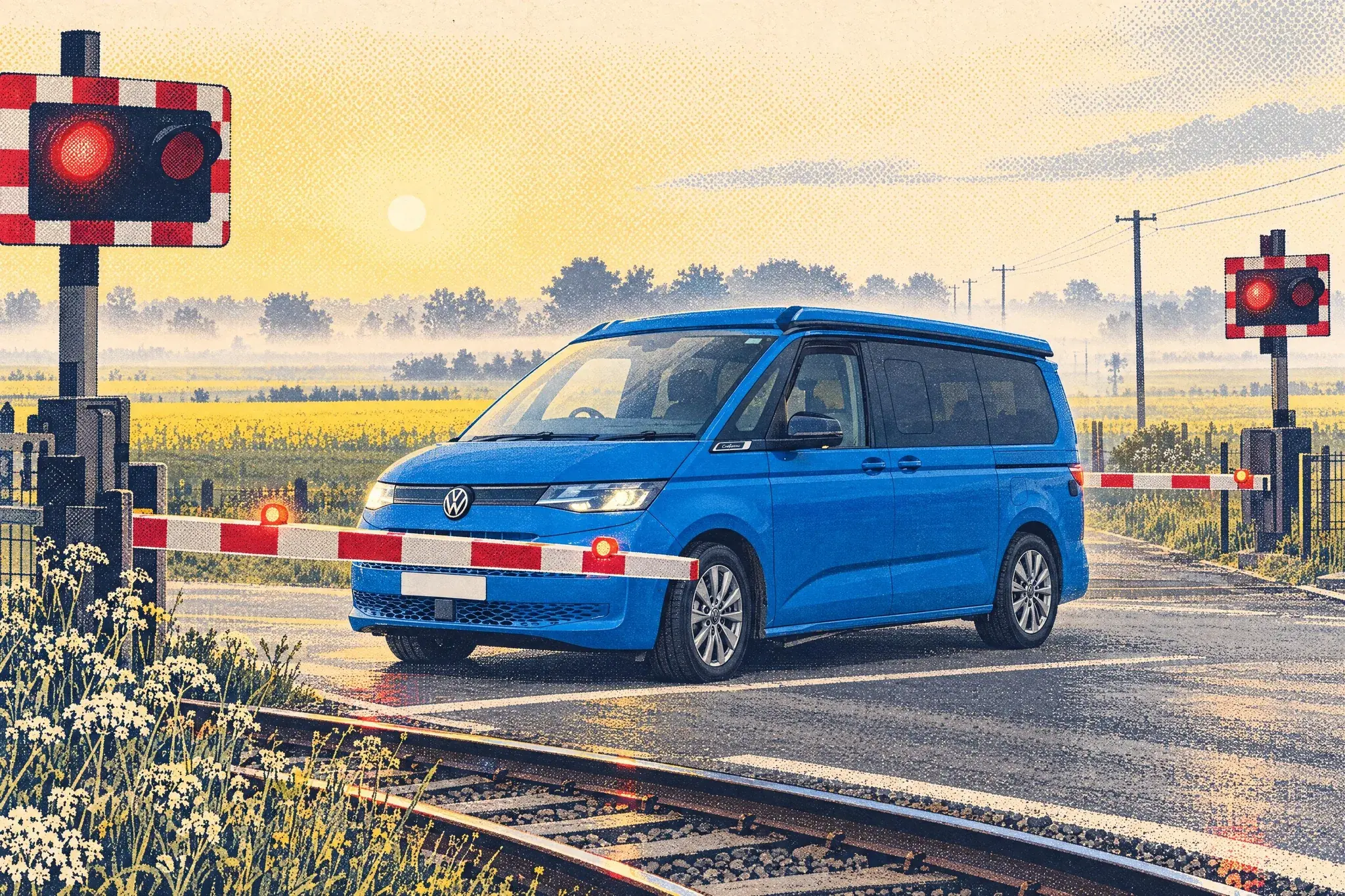
The short answer
Whether to buy a VW California now or wait hinges on a detail most discussions get wrong: there is no confirmed 2027 California. What is coming is a rumoured mid-life facelift of the current Multivan-based van, likely on sale in the second half of 2026, expected to bring a styling refresh, a new infotainment screen and more plug-in hybrid range. So waiting means holding off a few months to a year for a facelift, not an all-new or electric model, which makes the decision refreshingly simple. Buy now if you find a strong finance deal, especially on diesel or petrol; lean towards waiting if a longer-range hybrid genuinely matters to you. Here is how to weigh it for your own situation, finance, trim and timing included.

If you've been looking at a VW California, you've probably hit the buyer's dilemma of the moment. The current model is well-sorted and widely praised, there are genuinely tempting finance deals around, and yet the internet is full of talk about a 2027 update on the way. So which is the smart move: buy now and grab the deal, or hold out for the next one? It's a real question, and a lot of money rides on the answer.
We'll give you an honest framework for deciding, rather than a glib "just buy it" or "always wait". But we have to start with a clarification that changes the whole question, because it's the thing most "should I wait for the 2027?" discussions get wrong: as things stand, there is no confirmed 2027 California. What's coming is a rumoured mid-life facelift, widely expected but not officially announced, and that's a very different thing to wait for than an all-new model. So this guide covers what you'd actually be buying now, what "waiting for 2027" really means (and doesn't), the finance angle, the depreciation angle, and who should do which. By the end you'll know which camp you're in.
The honest headline: there's no confirmed 2027 California
Let's deal with the elephant first, because it reframes everything. People say "wait for the 2027 California" as though a known new model is coming on a known date. It isn't, or at least, VW hasn't confirmed one. What's actually happening is that a facelift of the current California has been spotted testing, and the motoring press expects a 2027-model-year update to arrive, likely on sale in the second half of 2026, bringing things like a styling refresh, a new infotainment system and more electric range from the plug-in hybrid. But every one of those specifics traces back to spy photographs and press speculation, not a VW announcement. We go into the detail in our companion piece on the VW California 2027.
Why does this matter for the buy-or-wait decision? Because "waiting" here means waiting for a mid-life refresh of the existing van, not a ground-up new model, and it means waiting on rumoured, unconfirmed specifics that could change or slip. That's a perfectly reasonable thing to wait for if the rumoured improvements matter to you, but it's a weaker reason to hold off than "an all-new California is confirmed for 2027" would be, because the latter isn't true. And crucially, the one genuinely new California that is coming, a fully electric version, is years away (more like the end of the decade), so "wait for 2027" is emphatically not a strategy for getting an electric California. Keep that distinction front of mind: a facelift is likely soonish; an all-new or electric model is not a 2027 thing. With that straight, here's the actual decision.
How seriously to take the 2027 rumours
Since the entire case for waiting rests on the rumoured update, it's worth asking how reliable that rumour actually is, because not all "leaks" are equal. The strongest evidence is that a facelifted California has genuinely been photographed testing on public roads, that's not speculation, it means an update is real and coming. Test cars don't lie: VW is clearly developing a refreshed version. So "a facelift is coming" is on solid ground.
What's far less certain is the detail and the timing. The specifics, the exact new infotainment, the precise increase in electric range, the styling, and the on-sale date, come from press reports and spy-shot analysis, not from VW, which hasn't officially confirmed any of it. So treat the facelift as real but its features as expectations rather than facts: the bigger plug-in-hybrid range, in particular, is reported and plausible but not promised. The practical implication for your decision is to weight "an update is coming" heavily (it is) but the rumoured specifics lightly (they may shift). If you're waiting specifically for, say, a confirmed longer electric range, wait until VW actually publishes the figure rather than ordering on the strength of a rumour, because if the number disappoints, you'll have waited for less than you hoped. A coming facelift is a fact; its spec sheet is, for now, a forecast.
What you'd be buying now
The current California is the all-new model launched for 2024 to 2025, and it's worth knowing it's a genuine generational change, not the old van with a facelift. It's built on VW's Multivan platform, a more car-like base than the old Transporter-derived California, and it comes in three trims: the entry Beach (the simplest camper layout), the mid Coast, and the flagship Ocean with the full kitchen and kit. Powertrains are a 2.0 TDI diesel, a 2.0 TSI petrol, and, the headline addition, a 1.5 TSI eHybrid plug-in hybrid with four-wheel drive, the first plug-in California, giving around 53 miles of electric-only range on the official test. We cover the platform and generations properly in the 2027 piece, because it's a common source of confusion, but the short version is: this is the current, fully-developed, well-reviewed California, on sale now.
On price, it spans roughly £63,000 for an entry diesel up to around £85,000 for a loaded Ocean eHybrid, with the plug-in hybrid commanding a premium of several thousand pounds over the equivalent petrol. Those are on-the-road prices and they drift a little with model year and spec, so treat them as the shape of the range rather than a fixed quote. The point for this decision is that the current California is a known, proven, on-sale quantity: reviewed, rated and available, with three powertrains and a clear price ladder. Whatever you decide, you're not gambling on a launch-year unknown if you buy now, which is itself a point in the "buy now" column.
Which powertrain should you choose?
If you do buy now, the bigger decision than trim is which engine, so it's worth a steer. The current California offers three: a 2.0 TDI diesel, a 2.0 TSI petrol, and the 1.5 TSI eHybrid plug-in hybrid with four-wheel drive. They suit quite different buyers.
The diesel is the long-haul, high-mileage choice. If you cover big distances, tour the continent, or want the best fuel economy on long motorway runs, diesel still makes the most sense, and it's the traditional camper engine for good reason. It's front-wheel drive, like the petrol. The petrol is the lower-mileage, simpler choice: cheaper to buy than the others, fine if you don't do huge distances, but thirstier than diesel on a long trip. The plug-in hybrid is the interesting one and the most situational. Its appeal is running on electric for short journeys, the commute, the school run, local trips, on its roughly 53 miles of battery range, plus four-wheel drive (the only California with it) and, for company-car users, potentially favourable tax. Its catches are a higher purchase price, extra weight (which eats into payload and means less room for kit and people), and the fact that on a long trip, once the battery's flat, you're hauling that weight around on a small petrol engine, so it's least efficient doing exactly the long hauls a camper often does.
The rough rule: diesel if you do real distance, petrol if you do low mileage and want to spend less up front, plug-in hybrid if most of your driving is short electric-friendly hops, you value the four-wheel drive, or the company-car tax stacks up. The plug-in is also the powertrain most exposed to the rumoured facelift, since that's where the range improvement is expected, so plug-in buyers feel the buy-now-versus-wait tension most acutely. Diesel buyers, by contrast, have the extra nudge to buy now while it's clearly available. Match the engine to your mileage, and don't pay the plug-in premium unless your driving actually suits it.
Beach, Coast or Ocean: which trim?
If you've settled on a current California, the trim choice is the other big decision, and the three, Beach, Coast and Ocean, suit different needs and budgets. The Beach is the entry point and the simplest camper: it has the pop-up roof and sleeping, more seats, and a pared-back galley (more of a compact, tailgate-style kitchen than a full fitted one), making it the most flexible as everyday transport and the cheapest way into a California. It suits buyers who want the badge and the camping ability but don't need a full built-in kitchen, or who value carrying more people day to day.
The Coast is the mid trim, adding the proper side kitchenette (sink, fridge, hob) and the electric pop-up roof, the classic California camping setup, and it's the natural choice for most buyers who want the full camper experience without the flagship price. The Ocean is the range-topper, piling on the equipment: heated seats, upgraded infotainment and lighting, power sliding doors and the rest, for buyers who want the most luxurious, best-equipped version and will pay for it. The rough steer: Beach if you want flexibility and a keener price and don't need a full kitchen, Coast for the sweet-spot full-camper experience, Ocean if you want every toy and the budget allows. The trim affects the price as much as the engine does, so it's worth being honest about which features you'll actually use rather than defaulting to the flagship.
The case for buying now
There's a genuinely strong case for buying the current California rather than waiting, and it rests on four things.
First, it's a proven, sorted model. The current California has been on sale since late 2024, reviewed extensively and rated well. You know what you're getting, the reviews are in, the early-production wrinkles (if any) are known, and it's a fully-developed van rather than a first-year gamble. There's real value in buying the version that's had its teething sorted.
Second, the deals. This is the part that's genuinely time-sensitive and genuinely matters: at the time of writing, VW is running finance offers on the California, the sort of thing like a representative APR around 4.9 percent with a deposit contribution of several thousand pounds. Manufacturer deals like that come and go, often tied to a quarter-end or a specific window, and a good one can be worth more to your monthly cost than a modest spec improvement on a future model. If there's a strong offer running when you're ready, that's a concrete, bankable reason to buy now rather than wait for a facelift whose price and deals are unknown. Deals change constantly, so check what's live when you read this, but the principle holds: a real offer in the hand beats a rumoured improvement in the bush.
Third, beating the price bump. Facelifts and new emissions rules almost always nudge prices upward, the updated model typically costs more than the one it replaces, and tighter regulations add cost. Buying the current car can lock in today's pricing and today's deal before any of that lands. There's no guarantee, but the direction of travel on prices is rarely downward.
Fourth, and more specific: if you want diesel, buy now. The rumoured update is partly driven by tighter Euro 7 emissions rules, and the future of diesel across the VW range is uncertain. There's a real chance a facelift thins out, repositions or quietly drops the diesel option in favour of the petrol and plug-in hybrid. If a TDI California is what you want, the surest way to get one is to buy while it's clearly on sale, rather than betting it survives the update unchanged.
The case for waiting
The case for holding out is real too, as long as you're honest about what you're waiting for.
The main reason is the rumoured facelift itself. If the press expectations hold, a 2027-model-year California would bring a freshened design, a newer infotainment system (a bigger screen and the latest software), and, most significantly, more electric range from the plug-in hybrid, with reports suggesting a jump from today's roughly 53 miles towards something closer to 60-plus. For a plug-in hybrid buyer, more electric range is the single most valuable improvement there is, because it's the difference between doing the school run and the commute on electric or not. If that bigger battery materialises, waiting gets you a meaningfully better PHEV.
The flip side of that is a reason to wait even if you don't care about the new model: the current plug-in hybrid's roughly 53-mile range could start to look dated quickly if a longer-range version lands within a year or so. Early adopters of the current PHEV risk a visible spec step-change soon after they buy, which isn't the end of the world if the van does what you need, but it's worth knowing. And there's a depreciation angle, which we'll come to, that points the same way for the plug-in specifically.
But here's the honest boundary on waiting: wait for the facelift, not for the electric California. If your reason for holding off is "I'll wait for the electric one", stop, because the fully electric California is expected around the end of the decade, not in 2027, and waiting years for it is a different decision entirely. The facelift is a "hold off a few months to maybe a year" proposition; the EV is a "wait until 2030-ish" one. Conflating them is the most common mistake in this whole debate, and it leads people to delay a purchase for a vehicle that isn't coming when they think.
The finance and lease angle
Because the deals are doing a lot of the work in the "buy now" case, they deserve their own honest treatment. Campervan finance and lease offers, PCP deals, low APRs, deposit contributions, lease rates, change frequently and vary by broker, mileage and deposit, so we're deliberately not going to quote monthly figures that would be out of date by the time you read this. What's worth saying is the principle: a genuinely good manufacturer finance offer can change the maths of buy-now-versus-wait significantly, because it directly lowers what the current van costs you, while the future model's pricing and deals are completely unknown.
So the practical advice is this: when you're ready to decide, get live finance and lease quotes on the current California from a couple of sources, and weigh the real, in-the-hand offer against the rumoured, unpriced benefits of waiting. If there's a strong deal running, that's a concrete saving you can bank today; the facelift's improvements are speculative and its pricing, when it arrives, may well be higher with weaker launch deals. For a lot of buyers, a strong current offer tips the balance towards buying now, simply because it's real and quantifiable where the alternative isn't. Just don't buy a deal you don't need: a good offer on the wrong van is still the wrong van.
Lease, PCP or buy outright?
How you pay shapes the buy-now-or-wait calculation too, so a quick word on the routes. Buying outright (cash, or a loan you own the van with) makes most sense if you'll keep the California for many years, where depreciation matters least and you're not exposed to handing it back. PCP (personal contract purchase) is the common route for new campers: lower monthly payments, a balloon payment at the end, and the flexibility to hand back, keep or part-exchange, and it's where those manufacturer APR and deposit-contribution deals apply, which is why a strong PCP offer is such a pull towards buying now. Leasing (personal contract hire) is pure rental: you never own it, you hand it back at the end, and it can be the cheapest way to simply use a California for a few years without depreciation risk.
For the buy-now-versus-wait question, the finance route changes the stakes. If you lease or PCP, you're less exposed to the depreciation hit of buying pre-facelift, because you can hand the van back, so a good current deal is even more attractive and waiting matters less. If you buy outright to keep long-term, the facelift and depreciation matter least of all, you'll keep the van regardless, so again, buying now is low-regret. It's really the buy-outright-but-change-often buyer who feels the depreciation risk most, and who has the strongest reason to weigh waiting. Whichever route suits you, get live quotes on it for the current van and compare the real numbers, not the headline price.
The depreciation angle
There's one more consideration that quietly matters, especially for the plug-in hybrid: depreciation. Buying the first year of a new generation, right before a facelift, is close to the textbook worst case for residual values, because once the updated model appears, the pre-facelift car can soften in value as buyers chase the newer look and tech. That's a general market dynamic rather than a VW-specific prediction, and Californias hold their value better than most vehicles, but it's a real factor.
It bites hardest on the plug-in hybrid. If a longer-range PHEV facelift lands, the current roughly-53-mile version becomes the superseded one, and electric range is exactly the spec buyers fixate on, so the pre-facelift plug-in could see its values pressured more than the diesel or petrol would. None of this means don't buy, plenty of people buy pre-facelift cars happily and keep them for years, in which case resale matters little. But if you're the kind of buyer who changes vehicles every few years and cares about residuals, and you're eyeing the plug-in specifically, the depreciation argument leans gently towards either waiting for the facelift or choosing a powertrain less likely to be leapfrogged. For a long-term keeper, ignore it; for a frequent-changer, weigh it.
Why the California holds its value
One thing that quietly underpins the whole buy-or-wait decision is the California's famously strong resale value, and it's worth understanding because it changes the risk of buying now. Campervans in general, and the VW California in particular, depreciate far more slowly than ordinary cars: demand is high, supply is constrained, and the badge carries a cachet that keeps used values firm. That's why a California costs what it does new, and it's also why buying one, even now, even pre-facelift, is less financially risky than the sticker price suggests, because you're likely to get a healthy chunk of it back when you sell.
This matters for the timing question in two ways. First, it softens the depreciation worry about buying pre-facelift: yes, a facelift can pressure the old model's value a little, but from a high baseline that holds up well regardless. Second, it's part of why the California commands a premium over rivals like the Ford Nugget or a converter's van, you pay more up front, but you tend to lose less to depreciation, so the gap over ownership is smaller than it first appears. If you're weighing a California against a cheaper rival, factor resale in, not just the purchase price, because the California's strong residuals are a real part of its value case, and a reason buying one, whenever you do it, tends not to be the financial mistake the high price might imply.
New, used or nearly-new?
There's a third option the buy-now-versus-wait framing tends to skip: don't buy new at all. The current-generation California has been on sale since late 2024, so used and nearly-new examples are starting to appear, and buying one lets someone else take the first, steepest chunk of depreciation while you get essentially the same van. If you're nervous about buying new right before a facelift, a nearly-new current California sidesteps much of that worry: you're already past the worst of the depreciation, and a facelift dents a used car's value less than a new one's.
There's also the previous-generation California (the long-running T6.1 model the current one replaced), which is a different van, more Transporter-like, with the older, fuller kitchen some people actually prefer, available used at lower prices. It won't have the new model's plug-in option or latest tech, but it's a hugely capable, well-proven camper, and for many buyers a good used T6.1 is better value than any new California, new or facelifted. So before the buy-now-or-wait question even arises, it's worth asking whether you need a brand-new one at all. If you do, the new-versus-wait decision stands; if you don't, a used current model or a previous-generation California can be the smartest-value route of the lot, and it makes the whole 2027 question moot.
How it compares to the rivals
The buy-or-wait decision also isn't happening in a vacuum: the California has rivals, and they're part of the picture. The most direct is the Ford Transit Custom Nugget, which offers a similar compact-camper package, often at a lower price, with some layouts putting the kitchen at the rear rather than the side. There's also a deep field of specialist UK converters building campers on the VW Transporter, the Ford, the Vauxhall Vivaro and others, often more customisable and sometimes better value than the factory California, plus continental options like the Crosscamp range (not sold in the UK, as we explain in our Crosscamp piece) that show how crowded this class is.
Why does that matter for buy-now-or-wait? Because if your real goal is "a great compact camper", the California isn't the only answer, and a strong deal on a rival, or a well-built converter's van, might beat both buying a California now and waiting for the facelift. The California's draws are the badge, the resale strength, the dealer network and the polish; if those matter to you, it's worth its premium and the buy-or-wait question is the right one. If they don't, widen the search before you commit, because the smartest buy might not be a California at all. Decide whether you specifically want a California or simply want what it does, then the timing question slots into place.
If you decide to wait, do it well
If you weigh it up and decide to wait, there's a right way and a wrong way to do it. The wrong way is to put off buying indefinitely on the strength of a rumour, drifting through another season van-less while the facelift's date and spec stay unconfirmed. The right way is to wait deliberately. Register your interest with a dealer so you hear when the update is officially revealed and priced. Set yourself a rough deadline: if the facelift isn't confirmed and on sale by a date you've chosen, revisit buying the current model rather than waiting forever. And keep half an eye on the current car's deals as a fallback, because if a genuinely strong offer appears on the existing California while you wait, it may beat the facelift's likely-higher launch pricing anyway.
Above all, wait for facts, not forecasts. The moment to commit to the new model is when VW publishes the actual specification and price, especially that plug-in-hybrid range figure if it's your reason for waiting, not when a spy shot appears. Waiting well means staying ready to act in either direction: order the facelift the moment it's confirmed and it delivers what you hoped, or pivot to a good deal on the current van if the update slips, disappoints, or simply takes too long. Passive waiting costs you summers; active waiting keeps your options open. If you're going to hold off, hold off on purpose.
So, buy now or wait?
Here's the decision, sorted by who you are.
Buy now if: you want a sorted, proven van and value certainty over the latest spec; there's a strong finance or lease deal running that improves the maths; you specifically want a diesel (which the update may thin out); or you simply want to be out using the van this year rather than waiting. For most buyers who are ready and find a good deal, buying the current California is the sensible, low-regret choice, it's an excellent van, and a real offer beats a rumour.
Wait if: the rumoured improvements genuinely matter to you, above all the bigger plug-in-hybrid electric range, and you can comfortably hold off until the update is confirmed and priced (likely later in 2026); or you're a frequent-changer worried about buying a pre-facelift plug-in right before a range bump. Waiting is the right call for the spec-led buyer who'd resent missing a better PHEV by months.
And don't wait if your real reason is the electric California, because that's years away, not a 2027 car; if you want electric, that's a separate, much longer wait, and in the meantime the plug-in hybrid is the electrified California you can actually have. The cleanest way to break the tie: if a strong deal is live and you want the van now (especially in diesel), buy; if more electric range is your priority and you can wait months, hold for the facelift; and if you're set on a pure EV, accept it's a 2030-ish decision and plan accordingly. Whatever you choose, base it on the current, confirmed facts and a live deal, not on a rumour treated as a timetable.
Frequently asked questions
Is there a new VW California coming in 2027?
Not confirmed. A facelift of the current California has been spotted testing and is widely expected as a 2027-model-year update, likely on sale in the second half of 2026, with a styling refresh, new infotainment and more plug-in-hybrid range reported. But VW has not officially announced it, and all the specifics come from spy shots and press speculation. A fully electric California is a separate project expected around the end of the decade, not 2027. We cover this in detail in our VW California 2027 guide.
Should I buy a VW California now or wait?
Buy now if you want a proven van, there's a strong finance deal running, you want diesel, or you want to use it this year. Wait if the rumoured facelift improvements, especially more plug-in-hybrid electric range, genuinely matter to you and you can hold off until later in 2026. Don't wait if your reason is the electric California, which is years away, not a 2027 car. For most ready buyers who find a good deal, buying now is the low-regret choice.
Are there good finance deals on the VW California right now?
Deals change constantly and vary by broker, so check what's live when you read this, but at the time of writing VW has been running attractive finance offers on the California (the kind of thing like a representative APR around 4.9 percent with a deposit contribution). A genuinely good current offer is one of the strongest reasons to buy now rather than wait, because it's a real, bankable saving where the future model's pricing and deals are unknown. Always get live quotes from a couple of sources before deciding.
Will the current VW California lose value when the new one comes out?
Possibly some, especially the plug-in hybrid. Buying the first year of a generation right before a facelift is the classic worst case for residuals, and if a longer-range PHEV update lands, the current roughly-53-mile version becomes the superseded one, which can pressure its value, since electric range is what buyers focus on. Californias hold value better than most vehicles, and if you keep yours for years it barely matters. But a frequent-changer eyeing the plug-in should factor it in.
Should I wait for the electric VW California?
Only if you're prepared to wait years. A fully electric California (expected to be based on VW's ID. Buzz) has been talked about but repeatedly delayed, and current expectations put it around the end of the decade, not 2027, with no confirmed date, spec or price. So "waiting for the electric one" is a long-term decision, not a near-term one. If you want an electrified California sooner, the current plug-in hybrid is the one you can actually buy now.
Which VW California engine is best?
It depends on your mileage. The diesel is best for high mileage, long trips and towing, with the best long-haul economy. The petrol suits lower-mileage buyers who want to spend less up front. The plug-in hybrid suits those whose driving is mostly short, electric-friendly hops (it does around 53 miles on battery), who want the four-wheel drive (it's the only California with it), or who benefit from company-car tax, but it costs more, weighs more (cutting payload), and is least efficient on long trips once the battery's flat. Match the engine to how you actually drive.
Is a used VW California a better buy than a new one?
For many people, yes. The current generation has been on sale since late 2024, so nearly-new examples let someone else absorb the steepest depreciation, which also sidesteps much of the worry about buying right before a facelift. The previous-generation T6.1 California, available used at lower prices, is a hugely capable van some buyers prefer for its fuller kitchen. If you don't specifically need a brand-new one, a used current or previous-generation California can be the best-value route, and it makes the buy-now-or-wait question moot.
What's the difference between the new VW California and the Ford Nugget?
Both are compact campers in the same class, but the Ford Transit Custom Nugget is typically cheaper than the California, with some versions offering a rear kitchen rather than the California's side kitchen. The California counters with the VW badge, strong resale, a large dealer network and a polished, integrated feel, plus its plug-in-hybrid option. If badge and resale matter, the California justifies its premium; if value is the priority, the Nugget (or a specialist converter's van) is well worth comparing.
Why is the VW California so expensive?
A few reasons: it's a factory-built camper from a premium brand, demand consistently outstrips supply, and the badge carries genuine cachet. Crucially, that demand also gives it famously strong resale value, so although it costs a lot new (roughly £63,000 to £85,000-plus), it depreciates more slowly than most vehicles, meaning the real cost of ownership is lower than the sticker price suggests. That strong residual value is part of why it commands a premium over cheaper rivals like the Ford Nugget.
Which VW California trim should I buy?
Three trims: Beach, Coast and Ocean. The Beach is the entry model, simpler galley, more seats, keener price, good if you want flexibility and don't need a full kitchen. The Coast is the mid, sweet-spot choice, adding the full side kitchenette and electric roof, the classic California camper. The Ocean is the loaded flagship with all the equipment and the highest price. For most buyers wanting the full camper experience, the Coast is the natural pick; choose Beach to save money or carry more, Ocean if you want every feature.
How long should I wait for the VW California facelift?
Set a limit rather than waiting open-endedly. The facelift is widely expected to go on sale in the second half of 2026 as a 2027 model, but that's unconfirmed and could slip. A sensible approach is to register interest with a dealer, wait for VW to publish the official spec and price (especially the plug-in-hybrid range if that's your reason), and give yourself a deadline: if it's not confirmed and available by then, buy the current model, ideally on a good deal. Don't wait indefinitely on a rumour; wait deliberately, with a fallback.
Is the new VW California better than the old T6.1?
It's different rather than simply better. The new California (on the Multivan platform) is more car-like to drive, adds the plug-in-hybrid option and the latest tech, and gains dual sliding doors. The old T6.1 was more van-like and had a fuller kitchen that some owners actually prefer. So "better" depends on what you value: newer tech, the hybrid and the drive point to the new one; a simpler, fuller-kitchen camper at lower used prices points to the T6.1. Neither is a wrong choice, which is part of why a good used T6.1 remains such a strong-value alternative to buying new.
Will VW California prices go up with the 2027 facelift?
Most likely yes, at least a little. Facelifts and tighter emissions rules (Euro 7 is a driver of this update) almost always nudge prices upward, and launch deals on a fresh model tend to be weaker than the offers running on the outgoing one. So buying the current California, especially on a strong current deal, can lock in today's lower pricing before any increase. It's not guaranteed, but the direction of travel on new-model prices is rarely downward, which is one more point in the "buy now if you find a good deal" column.
Common questions
Should I buy a VW California now or wait for the 2027?
There is no confirmed 2027 California to wait for, only a rumoured facelift of the current van, likely on sale in the second half of 2026. So waiting means holding off a few months to a year for updated styling, a new screen and more hybrid range, not an all-new model. Buy now if you find a strong finance deal; lean towards waiting if a longer-range plug-in hybrid is important to you.
Is there a new VW California coming in 2027?
Not a confirmed one. A facelift of the current California has been spotted testing, and the press expects a 2027-model-year update around the second half of 2026, but every specific traces back to spy shots and speculation, not a VW announcement. The one genuinely new California, a fully electric version, is years away, more like the end of the decade, not a 2027 car.
Should I wait for the electric VW California?
Only if you are prepared to wait a long time. The fully electric California is expected around the end of the decade, not 2027, and it will use a separate vehicle. So waiting for 2027 is not a strategy for getting an electric California; that is a different, much longer decision. The 2027 facelift keeps the diesel, petrol and plug-in hybrid powertrains.
Will the current VW California lose value when the new one arrives?
Possibly a little, and the plug-in hybrid is most exposed. If a longer-range hybrid facelift lands, today's roughly 53-mile version becomes the superseded one, and electric range is exactly the spec buyers fixate on, so the pre-facelift plug-in could see more value pressure than the diesel or petrol. The California holds its value well overall, which softens the effect.
Which VW California engine is best?
The current line-up offers a 2.0 TDI diesel, a 2.0 TSI petrol and the 1.5 eHybrid plug-in hybrid. The diesel suits long-distance, big-mileage touring; the eHybrid suits short local journeys on its roughly 53 miles of electric range, adds four-wheel drive (the only California with it) and can be favourable for company-car tax. Choose by how you actually drive.
Is a used VW California a better buy than a new one?
It can be. The current generation has been on sale since late 2024, so used and nearly-new examples are appearing, and buying one lets someone else absorb the first, steepest chunk of depreciation while you get essentially the same van. If you want a new one, current finance offers on the outgoing model are often stronger than launch deals on a facelift.
The reachable bit
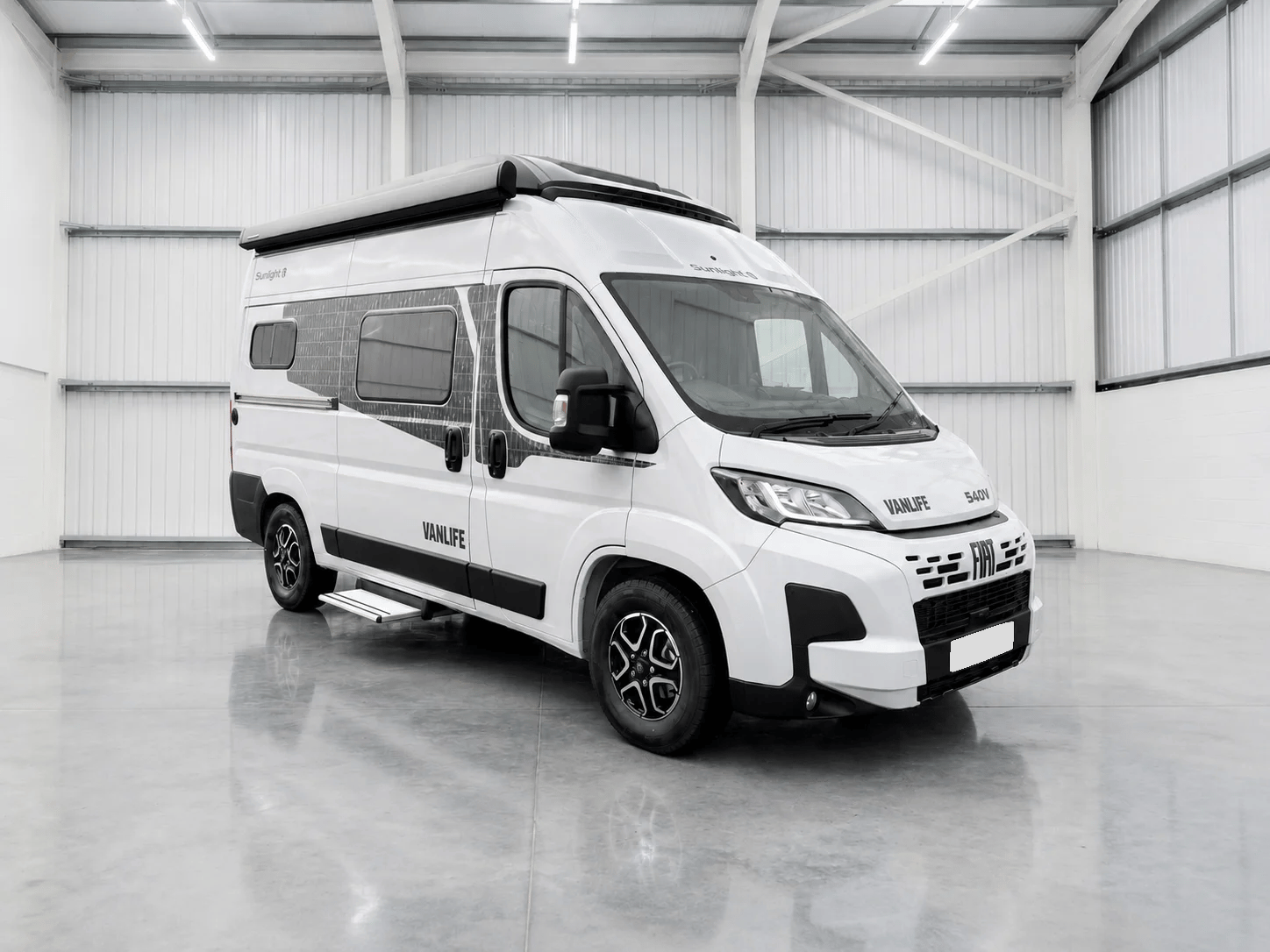
The camper you fall for is rarely the one you can afford. That gap is the whole reason Campervan.win exists. Right now we’re giving away the Sunlight Vanlife, worth around £65,000, and closing that gap is the point: capped entries so the odds stay honest, £10 a ticket, a maximum of five per person, £500 to a UK charity from every full draw, the winner picked by a public randomness beacon anyone can re-check, and one person driving away in the van itself.
Enjoyed this post?
Get more honest campervan guides like this one in your inbox.
You’re in!
Check your inbox. We’ve just sent you a welcome email.

About the author
Rowan
Rowan writes editorial features, comparisons, and industry context pieces that help readers understand the campervan and motorhome landscape.
Keep Reading
Related Reading
Thoughtful articles that build on what you’ve just read.
Campervan Buying Guides
10 min read
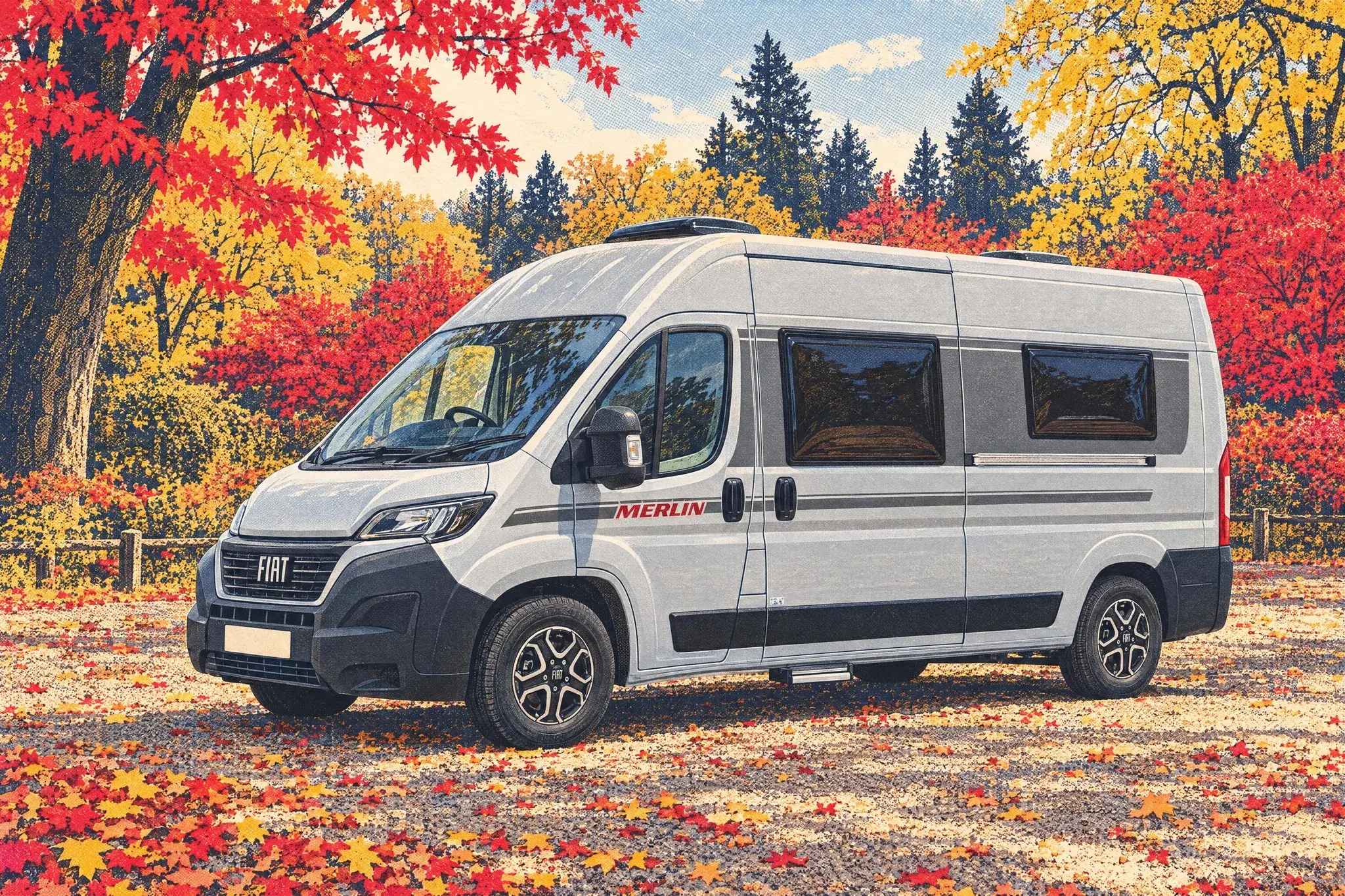
Swift Merlin 2027: nine layouts from £64,190 and how to pick the right one
Swift's all-new Merlin campervan arrives for 2027 with nine layouts on the Fiat Ducato panel van. We sort them into four families, work the payload sum on a four-seat version, and explain what the roof, the automatic and the prices mean for your choice.
Campervan Buying Guides
11 min read
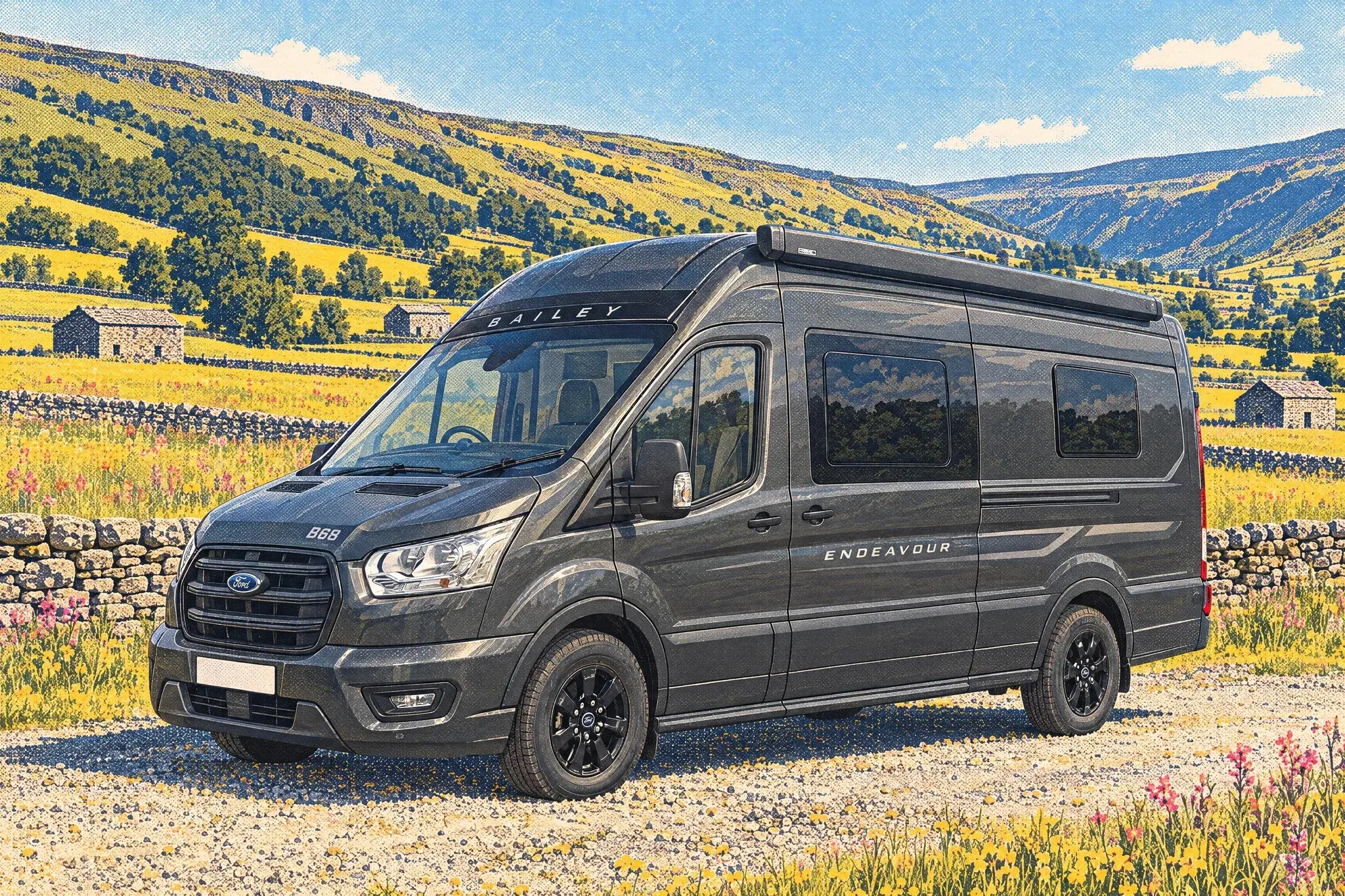
Bailey Endeavour B68: the end-lounge Transit campervan where the pop-top costs 143 kg
Bailey's new Endeavour B68 puts a rear lounge in a 5.98 m Ford Transit campervan. We compare it with the B65 and B62, check the 1.86 m bed, and do the payload sums if you add the £7,500 pop-top.
Campervan Buying Guides
12 min read
New campervans under £60,000 for 2027: what the NEC shows and what the price leaves out
A fair look at the new 2027 campervans listed under £60,000 ahead of the Motorhome and Caravan Show at the NEC, with each price given as its maker words it, and the differences between ex-works, delivered and German-retail-based figures explained so you can compare real on-the-road totals.
Campervan Buying Guides
14 min read
Eura Mobil Vancona 2027: a €57,400 campervan with just 84 to 118 kg left for options
Eura Mobil's new Vancona is a well-equipped Fiat Ducato campervan from €57,400, but its 84 to 118 kg options allowance means you need to order it with the weight sheet open. We explain what the figure means, what the 4.25 t uprate costs you in licence terms, and which options to prioritise.