
Zeliox Neo 4000 vs Clayton Power vs Victron: all-in-one or modular?

Written by
Leo
Leo covers campervan technology, maintenance, kit, and ownership advice, with a clear, practical focus on how things work in real life.
The short answer
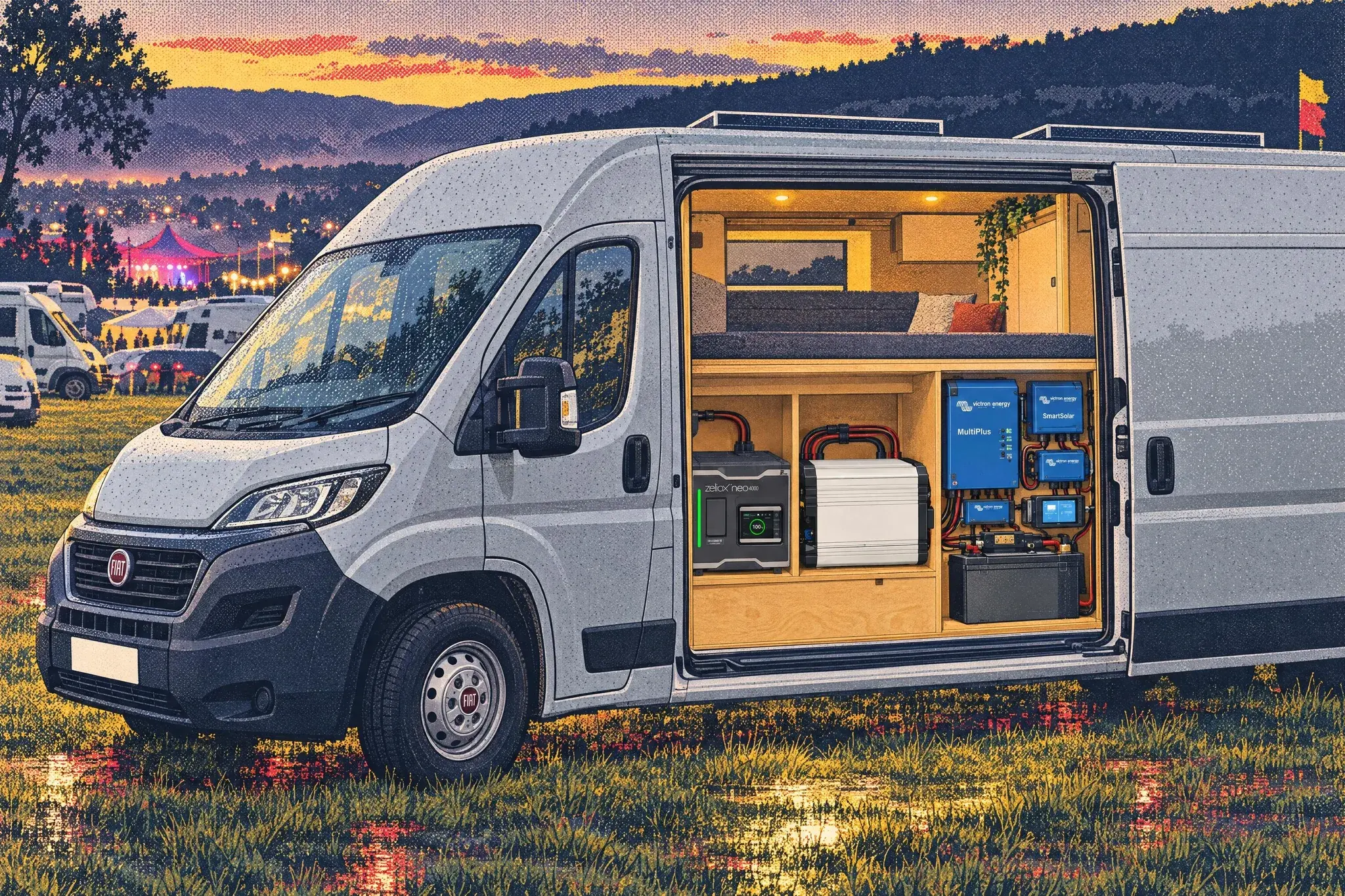
Choosing a campervan power system really comes down to one friendly question: one box, or a system. The Zeliox Neo 4000 and Clayton Power LPS II are all-in-one units (battery, inverter, chargers and brains in a single case), simple and beautifully tidy; Victron is a kit of separate components you design yourself and can fix part by part. The Clayton LPS II 3000 packs about 2kWh and a 2,300W inverter for around £3,250 plus VAT, while the 48V Zeliox Neo 4000 is the powerhouse, with a 4,000W inverter expandable to 9.6kWh, around £3,700. The all-in-one's one weakness is that if the sealed box fails out of warranty you lose the lot; Victron is endlessly fixable but needs designing. None is simply best, just match it to how you use the van. Here is the full comparison, and how to choose.

Ask someone which leisure battery to put in a campervan and you'll get a brand name. Ask which power system, and you've asked a much bigger question: do you want one clever box that does everything, or a set of parts you bolt together into exactly the system you want?
That's the real divide here. The Zeliox Neo 4000 and the Clayton Power LPS II are all-in-one units, with the battery, the inverter, the chargers and the brains in a single case. Victron is the opposite philosophy: a kit of separate components you design into a system. None of the three is simply "best." They're answers to different questions, and the trick is knowing which question is yours.
You'll find all three out in the wild. Converters like Taylored fit a Clayton in their smaller Offtrail, offer the Zeliox as an upgrade, and build their big Offtrax around Victron. Even one workshop picks by the job, which tells you something.
The real divide: one box, or a system
An all-in-one puts the lithium battery, the inverter that turns 12V into mains, the chargers (solar, alternator and hook-up) and the monitoring into a single sealed case. You mount it, connect a handful of cables, and you're done. Neat, quick, and one company to call.
Victron does none of that in one box. You choose an inverter-charger, a solar controller, a DC-DC charger, a battery monitor, maybe a central display, and a battery, and you wire them together. It's more work and more wires, but you've built exactly the system you wanted, and you can change any part of it later.
Hold that distinction in your head, because install time, repairs, expandability and cost all flow from it.
At a glance
| Spec | Zeliox Neo 4000 | Clayton Power LPS II | Victron (modular) |
|---|---|---|---|
| Type | All-in-one (48V) | All-in-one (12V) | Component system |
| Storage | 2.4 to 9.6kWh | ~1 to 2kWh | Your choice |
| Inverter | 4,000W | ~2,300W | Pick your size |
| Solar input | up to 1,440W | 400W | Pick your MPPT |
| Install | Plug-and-play | Plug-and-play, lightest | Design and wire |
| Repairability | Single sealed box | Single sealed box | Swap one part |
| Monitoring | App (Bluetooth + 4G) | App (Bluetooth) | App + free cloud (VRM) |
| Warranty | Up to 5 years | 24 months | Per component |
| Price | ~£3,700 | ~£3,250 | ~£1,000 to £2,600 in parts |
Clayton Power LPS II: the neat all-rounder
Clayton Power is a Danish firm whose LPS II units are the established name in van all-in-ones. The popular LPS II 3000 packs around 2kWh of lithium (160Ah), a 2,300W pure-sine inverter, a 400W solar controller, alternator charging (500W, or 1,000W with their Super Charger upgrade) and hook-up charging into a case weighing just 27.5kg. It talks to the Clayton GO app over Bluetooth. UK price is around £3,250 plus VAT.
What's to like: it's genuinely light, genuinely simple, and proven. Installers rate it for "no complicated wiring," and that low weight matters on a van where payload is precious.
Two honest catches. First, a buyer-beware on the names: the model number is roughly the inverter's wattage, not the battery's capacity. The "3000" holds about 2kWh, the "2500" about 1kWh. Don't read the number as kilowatt-hours, because even Clayton's own marketing and detailed spec pages don't agree with each other (the headline peak-power claims vary wildly page to page), so judge it on the steady ~2,300W continuous output, not a flattering surge figure. Second, and it's the structural weakness of any all-in-one: if the box fails out of warranty, you've lost the lot, and owners report a replacement runs around £3,500 plus fitting, with some dealers reluctant to repair a sealed unit. The base warranty is 24 months.
Zeliox Neo 4000: the powerhouse
The Zeliox Neo 4000, now under Eberspächer, is the muscular newcomer. It's also all-in-one, but built around a 48V core rather than 12V, which is how it delivers a 4,000W continuous inverter (8,000W peak), the most power here by a clear margin. It starts at 2.4kWh of storage and expands to a hefty 9.6kWh with extra modules, takes up to 1,440W of solar and fast 120A alternator charging, has a 4.3-inch colour display, and an app with both Bluetooth and 4G so you can check the van from your sofa. Warranty runs up to five years with registration. Reckon on about £3,700 for the unit, or around £4,250 fitted.
It's the pick if you want serious power and big, expandable storage from a single tidy box, with the slickest monitoring of the three. The caveats are fair: it's the newest product here, so there's little long-term reliability history to lean on; it's the priciest; stock has been patchy; and the same single-box risk applies as with the Clayton. A couple of the finer figures (pure-sine confirmation, the exact mains-charging wattage) are quoted by retailers but not nailed down on Eberspächer's own spec sheet, so confirm them before you commit.
Victron: the system you build
Victron isn't a product, it's an ecosystem, and it's the one serious van builders reach for by default. A typical setup combines a MultiPlus inverter-charger (or a Phoenix inverter if you don't need hook-up charging built in), a SmartSolar MPPT for the panels, an Orion-Tr DC-DC charger for alternator top-ups, a SmartShunt to measure the battery properly, and often a Cerbo GX brain with a small touchscreen. Every smart part has its own Bluetooth and is set up through one app, VictronConnect, and if you add a GX device you get VRM, a genuinely good free cloud-monitoring portal with alarms and solar forecasting. It's the system that lets you sit in a pub garden and check, on your phone, that the roof has quietly put back everything last night's telly and fridge took out.
Crucially, you're not locked to Victron batteries. Plenty of UK builds pair Victron electronics with a third-party lithium like a Fogstar or a Roamer, which is often where the value lives.
The upsides are the flip side of the all-in-ones' weakness. If anything fails, you swap that one part and the rest keeps running, and you can buy replacements from dozens of suppliers. You can add solar, add a battery, or grow the inverter later. On parts alone it's often cheaper, too: a solid mid-van Victron core lands somewhere around £1,000 to £2,600 in components, depending on battery size.
The cost is effort. You have to design it, wire it, and configure it, and unless you're confident that means paying an installer, who may need a couple of days to do it properly. It's the most capable and most flexible system here, and the most work to get running.
Convenience now, or fixability later
Strip away the spec sheets and this is the real decision.
The all-in-ones are lovely. One box, a few cables, a tidy install, one app, one warranty. For a lot of people that's exactly right, and the Clayton in particular has made van electrics accessible to people who'd never wire a busbar in their life. But you're trusting everything to a single sealed unit. The 3am version of that risk is the one to picture: a flat battery, no hook-up within reach, and a fault you can't split into a cheap part, because the cheap part is the whole £3,000-odd box.
Victron asks more of you up front and pays you back later. It's fiddlier to build and easier to get wrong, but a Victron system can be nursed, repaired and upgraded piece by piece for a decade, and even sold off in parts if you ever break the van. If you keep your vans a long time, that adds up.
What it gets you over a weekend
Numbers are easier with a real example. A typical off-grid weekend for two, fridge ticking over, lights, phones and a laptop charging, a few induction-hob brews and a bit of telly, lands somewhere around a kilowatt-hour a day, more if you cook properly on the hob.
- The Clayton 2500 (around 1kWh usable, despite the name) is a day, maybe two, before it wants sun or a shore line. Fine for weekends with a decent solar top-up.
- The Zeliox Neo 4000 starts at 2.4kWh and climbs to 9.6kWh with extra modules, so it'll see most people through a long, hook-up-free week.
- A Victron system is whatever you build it to be: pair the electronics with a big third-party lithium (a 460Ah Fogstar or Roamer is popular) and you're in the same multi-day league, with room to add more later.
The lesson isn't that bigger is always better. It's that you should size the system to how you actually camp, not to the headline number on the box.
So which should you choose?
- Choose the Clayton Power LPS II if you want the simplest, lightest, most proven all-in-one, your power needs are modest to middling, and you value a tidy, DIY-friendly install over outright wattage. It's the easy, sensible default for a smaller camper.
- Choose the Zeliox Neo 4000 if you want the most power and the biggest expandable storage in one box, with the best monitoring and the longest single-unit warranty, and you're comfortable being an early adopter of a pricier, newer product.
- Choose Victron if you want maximum flexibility, expandability and repairability, the freedom to pick your own battery, and a system you can own and evolve for years, and you've either got the skills or will pay a good installer to set it up.
There's no shame in any of these. The worst choice is the one that doesn't match how you actually use the van.
Before you buy: check the numbers
One very Campervan.win point to finish on. Verify the figures against the manufacturers before you spend, because this category is full of slippery specs: model numbers that aren't capacities, peak-power claims that change from page to page, and prices and stock that move fast. The numbers above are accurate as we write, but a five-minute check of the current spec sheet is always worth it on a four-figure purchase.
Common questions
Should I choose an all-in-one campervan power system or a modular one?
It depends what you value. An all-in-one like the Clayton Power LPS II or Zeliox Neo 4000 puts the battery, inverter, chargers and brains in one sealed case, which is tidy and simple to fit. A modular Victron system is separate components you design into exactly what you want, and can repair part by part. Convenience now versus fixability later is the real trade-off.
What is the Clayton Power LPS II?
It is a neat all-in-one campervan power unit. The popular LPS II 3000 packs about 2kWh of lithium (160Ah), a 2,300W pure-sine inverter, a 400W solar controller, alternator charging and hook-up charging into a case weighing just 27.5kg, for around 3,250 pounds plus VAT. Judge it on its steady 2,300W continuous output rather than the flattering surge figures, which vary page to page.
What is the Zeliox Neo 4000?
It is the muscular all-in-one newcomer, now under Eberspacher, built around a 48V core rather than 12V, which lets it deliver a 4,000W continuous inverter (8,000W peak), the most power of these three by a clear margin. It starts at 2.4kWh and expands to 9.6kWh with extra modules, takes up to 1,440W of solar and 120A alternator charging, and costs around 3,700 pounds for the unit or 4,250 fitted.
Why choose Victron over an all-in-one?
For fixability and flexibility. Victron is a kit of separate components you design into a system and, crucially, can repair part by part if something fails, where an all-in-one's structural weakness is that if the sealed box fails out of warranty you lose the lot (a replacement runs around 3,500 pounds plus fitting). A solid mid-van Victron core is often cheaper too, around 1,000 to 2,600 pounds in components depending on battery size.
What is the risk with an all-in-one power unit?
That it is a single point of failure. The 3am version is a flat battery, no hook-up within reach, and a fault you cannot split into a cheap part, because the cheap part is the whole 3,000-pound-odd sealed box. Owners report some dealers are reluctant to repair a sealed unit, so an all-in-one trades convenience now for the fixability later that a modular Victron system keeps.
How do I choose a campervan power system?
Match it to how you actually use the van rather than chasing the biggest number. Choose an all-in-one for simplicity and a tidy fit if you value convenience; choose Victron if you want a system you can design precisely and repair part by part. And verify the figures against the manufacturers before you spend, because this category is full of slippery specs: model numbers that are not capacities and peak-power claims that change page to page.
The reachable bit
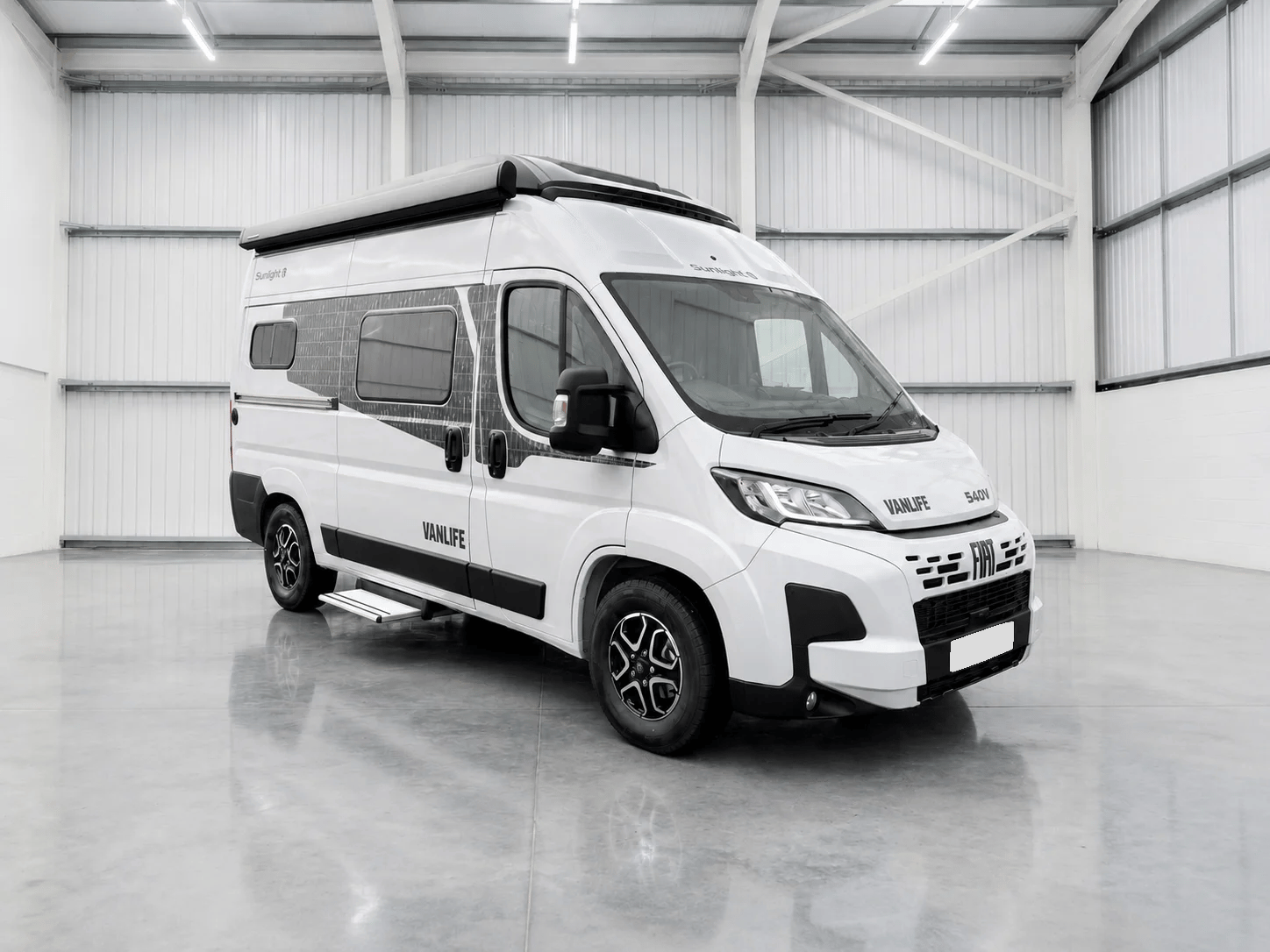
The camper you fall for is rarely the one you can afford. That gap is the whole reason Campervan.win exists. Right now we’re giving away the Sunlight Vanlife, worth around £65,000, and closing that gap is the point: capped entries so the odds stay honest, £10 a ticket, a maximum of five per person, £500 to a UK charity from every full draw, the winner picked by a public randomness beacon anyone can re-check, and one person driving away in the van itself.
Enjoyed this post?
Get more honest campervan guides like this one in your inbox.
You’re in!
Check your inbox. We’ve just sent you a welcome email.

About the author
Leo
Leo covers campervan technology, maintenance, kit, and ownership advice, with a clear, practical focus on how things work in real life.
Keep Reading
Related Reading
Thoughtful articles that build on what you’ve just read.

Campervan Tech & Electrics
10 min read
Campervan electric systems: how to judge a good one
A plain-English guide to reading and reviewing a campervan's electrical setup, from leisure batteries and solar to DC-DC chargers and inverters, so you can tell a genuinely good system from a flashy spec sheet.

Campervan Tech & Electrics
10 min read
The best campervan electrical systems, explained honestly
A plain-English guide to what makes a campervan electrical system genuinely good, from leisure batteries and charging to inverters and safety, with honest setups for different ways of travelling.

Campervan Tech & Electrics
11 min read
Campervan air conditioning: the honest UK guide for motorhomes and vans
A practical look at whether air conditioning is worth fitting to your van, the real pros and cons, the main types, what it takes to run off-grid, and which system suits which budget.

Campervan Tech & Electrics
26 min read
Off-grid for real: what 100Ah lithium and Alde heating get you in a 4x4 van
An honest, detailed look at what a single 100Ah lithium battery and an Alde wet heating system actually deliver in a 4x4 campervan, with real UK figures, day counts, and the mistakes that catch people out.