
VW's electric campervan: when it's really coming, and is the hybrid the smart buy now?

Written by
Leo
Leo covers campervan technology, maintenance, kit, and ownership advice, with a clear, practical focus on how things work in real life.
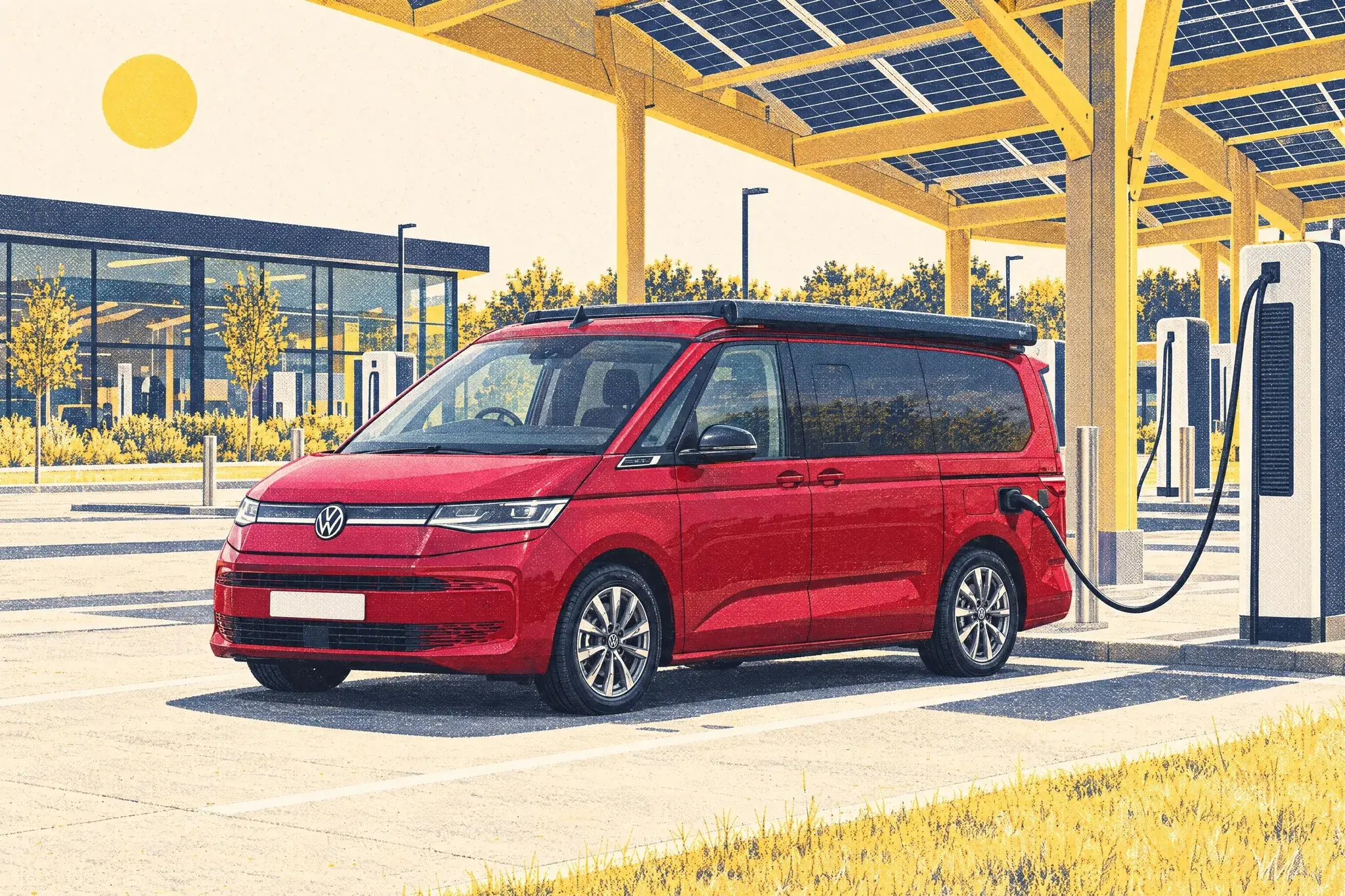
The short answer
Volkswagen has confirmed a fully electric campervan, the ID. California, built at Hannover on the ID. Buzz platform, which is exciting, but it is realistically years away, a 2027-to-2028 model. The genuinely useful news is that, while you wait, the plug-in-hybrid California eHybrid is a clever halfway house you can buy today: a 1.5-litre petrol plus electric all-wheel drive, around 245 PS and a roughly 50-mile electric-only range. One claim to take with a pinch of salt is that its air conditioning runs all night off the hybrid battery, which does not survive VW's own figures. As ever, judge each van by what it measurably does loaded, cold and far from home, not by the brochure or the hype. Here is when the electric one is really coming, and whether the hybrid is the smart buy now.

Will Volkswagen make a fully electric campervan? Yes. That part isn't in doubt; VW has confirmed it, given it a name, and chosen the factory it'll be built in. The harder, more useful questions are the ones that follow: when will you actually be able to buy one, what will it be, and, since the answer to "when" is "not for a while", what should you do in the meantime? That last question is where most people land on the VW California eHybrid, the plug-in hybrid you can buy today, often on the strength of a specific claim doing the rounds: that its air-conditioning can run all night off the hybrid battery.
We dug into all of it, including that aircon claim, and the honest picture is more interesting than the hype. The electric VW camper is real but years away. The hybrid is a genuinely clever thing to buy right now, for reasons that are mostly true. And the all-night-aircon story, the single most repeated reason people give for choosing it, doesn't survive contact with VW's own figures. Let's take it in order.
Yes, it's coming: meet the ID. California
The electric VW camper has a name: the ID. California. VW Commercial Vehicles has confirmed it, it'll be built at the company's Hannover plant, and it'll be based on the ID. Buzz, VW's electric MPV-van that's already on sale. So this isn't a rumour or a wish; it's a committed product on a known platform from a manufacturer that has said, out loud, that it's coming.
That's the confirmed bit, and it's worth stating clearly because the rest of the story is hedged with uncertainty. What VW has not done is put a production ID. California on sale, publish its price, confirm its battery and range, or give a firm on-sale date. So the accurate summary is: the electric California is definitely happening, and almost every specific detail about it is still officially open. Anyone quoting you a price or a range for it today is guessing.
There's also a trap worth flagging, because it muddies a lot of coverage. Back in 2023 VW showed a "California Concept" at the Düsseldorf Caravan Salon, and it's often used to illustrate the electric camper. But that concept was a plug-in hybrid on the Multivan, not the electric Buzz. It's a useful preview of styling and layout ideas, and a misleading one if you treat it as the electric production car. Keep the two separate in your head and the picture gets much clearer.
But not yet: the honest timeline
Here's where expectations need managing. VW has talked about the electric California arriving in the "second half of the decade", and the realistic reading of the reporting is 2027 at the earliest, more likely a 2028 model, with some chatter pushing it further still. Treat any specific year as unconfirmed, but treat "not soon" as solid.
Why the wait, when the ID. Buzz it's based on has been on sale for a while? Two honest reasons, both of which tell you something important about electric campers in general.
The first is weight. A camper is much heavier than the MPV it's based on, you're adding furniture, a kitchen, water, a bed, an elevating roof, all of it, and an electric base is already heavy because of its battery. Pile a camper conversion onto an ID. Buzz and you're looking at something that could approach three tonnes. That matters in Europe because of the ordinary category-B driving-licence limit at 3,500kg; get too close to it and you either can't carry much or you push buyers towards a heavier-licence category, neither of which is good for a mainstream camper. Engineering a genuinely useful electric camper that stays comfortably under that line is hard, and VW is taking the time to get it right.
The second reason is blunter: VW has effectively said the demand for a pure-electric camper isn't strong enough yet, and it's waiting for the market to catch up. That's not VW being timid so much as reading the room. Which brings us to the thing every prospective buyer actually worries about.
The base it's built on: the ID. Buzz
To understand the electric California, it helps to know the van underneath it. The ID. Buzz is VW's electric MPV-van, already on sale, and it's the platform the camper will use. It comes in two lengths: a short-wheelbase version with a 79kWh battery, and a long-wheelbase one with an 86kWh battery, the latter being the more likely camper base since it's bigger inside. Power runs from a single rear motor in most versions up to the dual-motor, all-wheel-drive GTX with 335 horsepower. UK prices currently span roughly £59,000 to £69,000 depending on size and trim.
On range, the official WLTP figures look healthy, around 280 miles for the short-wheelbase and up to roughly 290 for the long one. The catch, and it's the whole story for an electric camper, is that the ID. Buzz is big, boxy and heavy, so real-world range falls well short of those lab numbers even as an MPV: independent testing lands around 190 to 235 miles in good conditions, and a cold motorway run can pull it down towards 130 to 160. Charging, at least, isn't the bottleneck, the bigger battery takes on 10 to 80 per cent in around 26 minutes at a fast enough charger, so the limitation is range between stops, not the time spent at them. Hold those real-world figures in mind, because turning the van into a camper only makes them tougher.
What it'll probably be (and the range reality)
Since the production spec is unconfirmed, what follows is assembled from the concept and from what the ID. Buzz can do, not from a VW spec sheet, so hold it loosely.
The likely shape is an electric pop-top camper sleeping a family, with an electrically-raised roof, a compact kitchen with an induction hob (easy on an electric vehicle, since there's a big battery right there), and the now-fashionable trick of a side that opens up so the kitchen can serve the outdoors. The concept widened the upper bed and added neat touches; expect the production car to be more modest. Essentially, picture a pop-top California, but electric. There's a genuine upside to that, beyond the zero tailpipe: an electric camper sits on an enormous battery, which is exactly what camper life wants. Induction cooking becomes easy when there's a huge power source already on board; you can run a fridge, lights, devices and a kettle without a separate leisure-power setup straining; and nights are properly silent, with no engine or generator. Many electric vans can also feed mains power back out to appliances, which is close to a camper's dream feature. The snag, as ever, is that every one of those luxuries draws on the same battery you need to drive home on, so the usefulness of an electric camper lives or dies on how big that battery is and how far it really goes when loaded. Get the range right and an electric camper could be the best base imaginable; get it wrong and it's a lovely thing that never strays far from a charger. Striking that balance is exactly what VW is taking its time over, and why the California name, which has been on camping VWs since the late 1980s, won't be rushed onto an electric model before it's ready.
The range is the part to be clear-eyed about. The ID. Buzz it's based on uses a 79kWh battery in short-wheelbase form and an 86kWh battery in the long-wheelbase version, with official WLTP figures of roughly 280 to 290 miles. In the real world, independent testing of the (lighter) MPV lands more like 190 to 235 miles in decent conditions, dropping towards 130 to 160 on a cold motorway run. Now make it a heavier camper, and those numbers fall again. The honest expectation for an electric camper, loaded for a trip, is well under 200 miles between charges, and meaningfully less in winter. That's not a dealbreaker for weekending and shorter hops, but it's the single biggest reason the electric camper still feels like a future product rather than a now one, and it's exactly why so many buyers are looking hard at the hybrid instead.
Why electric campers are hard: the range maths
It's worth spelling out why range is the recurring villain in every electric-camper story, because it isn't pessimism, it's physics. Three things gang up on an electric van the moment you turn it into a camper.
First, weight. A conversion adds furniture, a kitchen, water, a leisure-power setup, a bed and often an elevating roof, easily a few hundred kilos, and every extra kilo costs range. An electric base is heavy to start with because of its battery, so you're piling weight onto an already-heavy vehicle.
Second, aerodynamics. Campers are tall and boxy, and often wear roof rails, solar panels, awnings or a raised roof, all of which add drag, and drag is what drains an EV at speed. A roof load that barely dents a diesel's economy can take a real bite out of an electric van's motorway range, especially in a crosswind.
Third, the climate. Heating the cabin in winter draws hard on the same battery that moves the van, and cold weather also reduces how much energy the battery can deliver, so winter range can fall by a quarter to 40 per cent. Campers, of course, get used year-round and spend a lot of time parked up with the heating on.
Put those together and a van quoting, say, 250 miles on paper can realistically deliver 150 to 180 once it's a loaded camper, and less in winter. That's the single biggest reason the whole industry is treading carefully around electric campers, and it applies to the ID. California as much as to anything else. We dig into this in much more detail, with real converter figures, in our piece on the Kia PV5 and the UK's EV converters.
The one you can actually buy: the California eHybrid
While the fully electric California is still a few years out, there is an electrified California on sale today, and it's a genuinely clever thing: the California eHybrid, a plug-in hybrid on the current Multivan-based California.
The system pairs a 1.5-litre petrol engine with two electric motors, one of which drives the rear axle, giving it electric all-wheel drive, a 19.7kWh battery, and a combined output of around 245 horsepower. The electric-only range is roughly 50 to 54 miles on the official cycle, and reviewers report that the 50-ish-mile figure is broadly realistic in everyday use. You can charge it from a home wallbox in around two and a half to three hours, or rapid-charge it 10 to 80 per cent in about 26 minutes, and when the battery's empty it carries on as a regular hybrid at around 38 to 40 mpg. It'll tow up to 1,600kg.
In daily use it defaults to electric while there's charge in the battery, then switches seamlessly to hybrid running once that's depleted, so a typical pattern is silent electric driving for the school run and local trips, topped up overnight at home, with the petrol engine only really waking for longer journeys. Charge it every night and you could go weeks of local miles without burning a drop; ignore the plug and it's simply a slightly thirsty petrol automatic. That flexibility, electric when it suits you, petrol when you need it, is the whole point of a plug-in hybrid, and it happens to suit how a lot of campers actually get used: lots of short local trips, punctuated by the occasional big adventure.
In the UK it's available now, with the Beach eHybrid 4Motion from around £71,295, the Coast from around £78,495 and the Ocean from around £85,395, and real-world review cars with options have come in around £85,000 to £87,000. So it's not cheap. But it gives you something genuinely useful: around 50 miles of silent, zero-tailpipe driving for local trips and the daily-driver life, electric all-wheel-drive traction that's handy on a wet grass pitch, and near-silent low-speed manoeuvring around a campsite, all without the range anxiety of a pure EV, because there's a petrol engine for the long haul. For a lot of people, that's the smart middle path. Which is exactly why the specific claim we keep hearing about it matters so much, and why it's worth getting right.
The 'all-night aircon' claim, examined honestly
Here's the claim, more or less as it circulates: that the California eHybrid's air-conditioning can run all night off the hybrid battery, giving you silent, engine-off cooling through a hot night without hook-up. It's become one of the headline reasons people give for choosing the eHybrid over a diesel California. We went looking for evidence, and we have to be straight with you: as worded, it doesn't hold up.
VW's own launch information, relayed by multiple outlets, puts the numbers like this. With the van plugged in, the stationary climate control "starts up once the battery is fully charged and runs for up to 30 minutes". Off-grid, on the battery alone, it "will run for up to 10 minutes". One of those same reports spelled out, in as many words, that this is "not quite the all-night A/C or heating capability" of a fully-equipped motorhome. Owners on the VW California forums describe the same behaviour: the stationary aircon runs for around 30 minutes after you switch off, and you can re-trigger it in bursts, but it stops once the high-voltage battery hits a reserve floor, the charge it keeps back so you can always drive away. One owner summed it up perfectly: you run it "overnight for 20/30 minutes at a time until the computer says no".
So where did "all night" come from? As far as we can trace, the "24-hour" version of the claim originates from a single, independent affiliate blog that cites no source for the figure, and is contradicted by VW's own numbers and by owners. It looks like a game of telephone, and it's worth untangling, because there are two real features nearby that the claim seems to have been confused with.
The first is heating, which is not the same as cooling. There is an optional continuous-operation stationary climate function, but every description ties continuous running to the heating side and/or to being plugged into mains power, not to all-night air-conditioning off the traction battery. And separately, the California has a fuel-burning parking heater, which genuinely will keep you warm all night because it burns a tiny amount of diesel or petrol (around 0.7 litres an hour) and has no battery runtime limit. Owners really do run that for nights on end. But that's a fuel heater doing the warmth, not the hybrid battery doing the cooling. Conflate the two and you get the myth.
The second is that the engine can auto-start on a plug-in hybrid, but that's for drivetrain readiness and low-speed manoeuvring, not a verified "keep the aircon going all night" loop. No VW source describes a camping mode where the engine periodically fires through the night to sustain cabin cooling.
And there's a simple logic check that confirms the picture: stationary aircon draws on the same 19.7kWh battery that gives you only around 50 miles of driving range, so running it for hours would eat a serious chunk of that range, which is exactly why VW caps it and protects a reserve rather than letting it run flat. Tellingly, none of the mainstream UK road tests we found even mention overnight battery aircon as a feature; if it worked, reviewers would lead with it, because it would be a genuine camper headline.
The honest version, then, is this: the eHybrid gives you short bursts of silent stationary aircon, roughly 10 minutes on the battery alone and about 30 minutes plugged in, plus a fuel-burning heater that will genuinely keep you warm all night, and an optional continuous heating function. What it does not have is silent, all-night air-conditioning purely off the hybrid battery. If a hot, still night with the cooling running until morning is your specific dream, no current California, hybrid or otherwise, delivers it without a hook-up and a mains air-conditioner.
The state of play, at a glance
| Topic | Status | The short version |
|---|---|---|
| ID. California (electric camper) | Confirmed, not on sale | Coming on the ID. Buzz, built in Hannover; no date or price yet |
| When it arrives | Rumour | "Second half of the decade", realistically 2027 to 2028 or later |
| Electric range (loaded camper) | Reality check | Likely under 200 miles; meaningfully less in winter |
| California eHybrid (PHEV) | On sale now | ~50 miles electric, electric AWD, from ~£71,295 |
| "Aircon runs all night off the battery" | False as worded | ~10 min on battery alone, ~30 min plugged in, then it stops |
| All-night warmth off-grid | True, but via the fuel heater | The fuel-burning parking heater has no battery limit; the hybrid battery isn't doing it |
So is the eHybrid the smart 'electric-ish' buy now?
With the aircon myth cleared away, the eHybrid is still a genuinely strong choice, you just want to buy it for the right reasons.
Buy it for the drivetrain. Around 50 miles of real electric range covers a lot of local driving and short trips with zero tailpipe emissions; the electric all-wheel drive is a real asset on slippery pitches; low-speed manoeuvring on a quiet campsite is near silent; and because there's a petrol engine for the motorway, you get none of the range anxiety that still hangs over a pure EV camper. It's available now, fully backed by VW's warranty and dealer network, and it's the most technically advanced California you can buy. Those are all real, verifiable benefits.
Just go in with clear eyes on the trade-offs. It's not a true EV; on a long trip it reverts to a roughly 38 to 40 mpg petrol hybrid. It's pricey, with real-world cars around £85,000-plus. There's a known ownership niggle worth mentioning: some owners report the 12-volt starter battery (not the leisure battery) draining when the van is parked for a while, occasionally needing a jump, so it's worth asking your dealer about. And, crucially, it does not give you the all-night battery aircon some buyers think they're paying for. For pure long-distance touring, several UK reviewers still reckon a diesel California is the more rational pick.
So a simple way to decide:
- If you want silent local driving, electric AWD traction and an electrified van you can actually buy this year, and you value the drivetrain, the eHybrid is an excellent choice.
- If your real priority is all-night off-grid warmth and long-distance touring, a diesel California arguably makes more sense: the fuel parking heater handles the all-night warmth that the hybrid battery can't, and you keep the longer range and lower price.
- If you specifically want a zero-tailpipe camper, you're waiting for the ID. California, with all the unknowns, no confirmed price, sub-200-mile real-world range likely, and a 2027-to-2028-or-later arrival, that come with it.
While you wait: the electric campers that already exist
The ID. California may be years away, but you don't have to wait for VW if going electric, or electric-ish, matters to you now, because a small but growing band of options already exists.
The most obvious is the eHybrid we've covered, the electrified California you can buy from a dealer today. Beyond that, a handful of specialist converters are already turning the electric ID. Buzz into campers, fitting pop-top roofs, compact kitchens and leisure-power setups, so you can have an electric VW camper right now if you're willing to go the conversion route rather than wait for the factory's own version. They're niche, and they inherit the ID. Buzz's real-world range limits, but they exist and they're delivering today.
Then there's the wider electric-camper market taking shape around the new generation of electric vans, the Kia PV5 chief among them, which is bringing several UK converters to electric campers at once. None of these solves the range problem, that's still the industry's great unsolved puzzle, but they prove the appetite is real and the builders are ready. If you want the full picture of who's actually building electric campers in Britain today, and the range maths that still holds them back, our guide to the Kia PV5 and the UK's EV converters is the natural companion to this piece.
Frequently asked questions
Is VW actually making an electric campervan?
Yes. It's called the ID. California, it'll be based on the electric ID. Buzz, and it'll be built at VW's Hannover plant. VW Commercial Vehicles has confirmed the project. What hasn't been confirmed is the price, the battery, the range or a firm on-sale date.
When will the VW electric campervan be released?
VW has talked about the "second half of the decade", and the realistic reading is 2027 at the earliest, more likely 2028 or later. Treat any specific year as unconfirmed, but "not soon" is safe.
Why is it taking so long?
Two reasons. Weight: a camper conversion on an already-heavy electric base risks bumping up against the 3,500kg category-B driving-licence limit, and engineering a useful camper that stays under it is hard. And demand: VW has effectively said the market for a pure-electric camper isn't strong enough yet, so it's waiting.
What range will the electric California have?
Unconfirmed, but the ID. Buzz it's based on manages around 280 to 290 miles on paper and roughly 190 to 235 in the real world as an MPV. A heavier camper will do less, so plan on comfortably under 200 miles loaded, and less again in winter.
Is the VW California eHybrid fully electric?
No. It's a plug-in hybrid: it gives you around 50 miles of electric driving, then runs as a petrol hybrid at roughly 38 to 40 mpg. It's the electrified California you can buy today, but it isn't a pure EV.
Can the eHybrid run its air-conditioning all night off the battery?
No, despite the claim doing the rounds. VW's own figures are about 10 minutes of stationary aircon on the battery alone, or around 30 minutes plugged in, after which it stops to protect enough charge to drive away. You can re-trigger it in short bursts, but there's no all-night battery cooling.
So how do people stay comfortable overnight?
For warmth, the California's fuel-burning parking heater will run all night because it burns a tiny amount of fuel and has no battery limit, that's what's actually doing the all-night job, not the hybrid battery. For cooling on a hot night with no engine running, you'd still need a mains hook-up and an air-conditioner; no current California solves silent all-night cooling off the battery.
Should I buy the eHybrid or wait for the electric California?
Buy the eHybrid if you want an electrified van now, value the silent local driving and electric all-wheel drive, and don't want range anxiety. Wait for the ID. California only if a zero-tailpipe camper specifically matters to you and you can live with a 2027-to-2028-or-later arrival and the range compromises that will come with it.
eHybrid or diesel California?
Diesel still makes the most sense for high-mileage, long-distance and off-grid touring: it's cheaper, longer-legged, and its fuel heater handles all-night warmth. The eHybrid wins if you want silent local and emission-free short trips, electric AWD traction, and the most advanced California on sale.
Is there a known issue to watch for on the eHybrid?
Some owners report the 12-volt starter battery (separate from the leisure battery) draining when the van is parked for a while, occasionally needing a jump-start. It's worth asking your dealer about before buying.
Can I just convert an electric van into a camper now?
Yes. Specialists already convert the ID. Buzz and other electric vans, and a determined DIYer can too. The two things to watch are weight (a conversion eats into both range and the licence limit) and the fact that the battery often sits in the floor, which can complicate routing pipes and waste, so some builds move things like air-conditioning to the roof. Our Kia PV5 piece goes into the practicalities.
Will an electric camper actually save me money?
It depends entirely on how you use it. Charged at home, the per-mile cost is low, and there's less servicing than a diesel. But the purchase prices are high and the range limits mean more stops on a long trip, so for high-mileage tourers the sums don't obviously favour electric yet. For someone doing mostly local and short trips with home charging, the case is much stronger.
What we'd do
For most buyers today, the honest recommendation is: if you love the idea of electric driving and the AWD, and you mostly do shorter trips with the odd long one, the eHybrid is a brilliant, future-leaning buy, just don't pay the premium expecting overnight aircon. If you're a serious long-haul tourer who camps off-grid in all weathers, the diesel California (or a diesel rival) remains the sensible, cheaper, longer-legged choice, and the fuel heater quietly does the all-night job the hybrid can't. And if you genuinely want to go fully electric, the kindest advice is to wait, keep an eye on the ID. California, and judge it on its real, loaded range when it finally arrives, rather than on the WLTP headline. The electric VW camper is coming. It's just not here yet, and the clever move in the meantime is to buy the hybrid for what it actually does, not for a myth.
And that, really, is the theme of this whole moment in campervans: the technology is racing ahead of the marketing, and the marketing sometimes races ahead of the truth. An electric California will, one day, be a wonderful thing, silent, clean, with a vast battery to run your camp. A plug-in California is a genuinely useful halfway house you can have today. But the way to make a good decision is to strip out the hype, the "all-night aircon", the headline WLTP range, the breathless concept renders, and look at what each van measurably does when it's loaded, cold and a long way from home. Do that, and you'll buy the right van for you rather than the right van for a brochure. That's worth more than being first to a badge.
If you're weighing up the wider electric-camper question, our look at the Kia PV5 and the UK converters building EV campers is a useful companion, and for the non-electric VW flagship, here's our VW Grand California review.
Common questions
Is VW actually making an electric campervan?
Yes, it is confirmed, not a rumour. VW Commercial Vehicles has named it the ID. California, will build it at its Hannover plant, and will base it on the ID. Buzz, VW's electric van already on sale. So it is a committed product on a known platform, just not on sale yet.
When will the VW electric campervan be released?
Not for a while. VW has said the electric ID. California will arrive in the second half of the decade, and the realistic reading of the reporting is 2027 at the earliest, more likely a 2028 model, with some chatter pushing it later. The delay is largely about getting the range and weight right within the 3,500kg licence limit.
What range will the electric VW California have?
Expect well under 200 miles as a loaded camper. It is based on the ID. Buzz (79kWh short-wheelbase, 86kWh long), with official WLTP figures around 280 to 290 miles, but real-world testing of the lighter MPV lands at 190 to 235 miles in good conditions and 130 to 160 on a cold motorway. As a loaded, heated camper in winter that falls further, by perhaps a quarter to 40 percent.
Is the VW California eHybrid fully electric?
No, it is a plug-in hybrid. It pairs a 1.5-litre petrol engine with two electric motors (one driving the rear axle, giving electric all-wheel drive), a 19.7kWh battery and around 245 horsepower, with a roughly 50 to 54-mile electric-only range that reviewers find broadly realistic. It is a useful electric-ish halfway house, not the fully electric ID. California.
Can the VW eHybrid run its air-conditioning all night off the battery?
No, and this is the most repeated myth about it. The claim that the eHybrid's air-conditioning runs all night off the hybrid battery does not survive contact with VW's own figures; the battery is too small to power air-conditioning through the night. People stay comfortable overnight the usual ways: ventilation, thermal screens, and the van's standard heating, not the drive battery running aircon.
Should I buy the VW eHybrid or wait for the electric California?
If you want an electric-ish California you can use now, the eHybrid is a genuinely clever buy, especially for short electric journeys and home charging, while the fully electric ID. California is realistically 2027 to 2028. Wait only if you specifically want a pure EV and can hold out years. Either way, strip out the hype and buy on what the van measurably does, not the badge.
The reachable bit
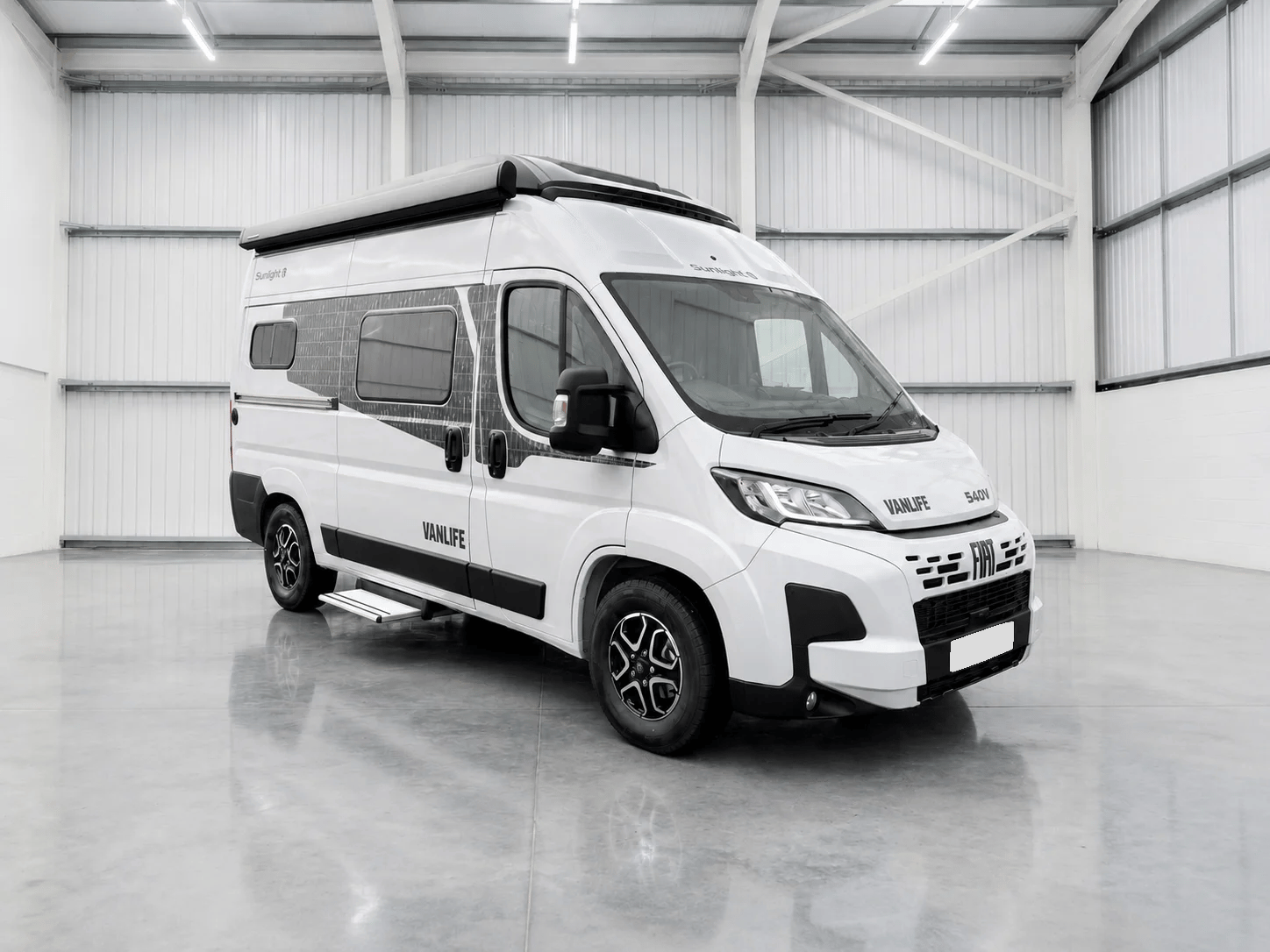
The camper you fall for is rarely the one you can afford. That gap is the whole reason Campervan.win exists. Right now we’re giving away the Sunlight Vanlife, worth around £65,000, and closing that gap is the point: capped entries so the odds stay honest, £10 a ticket, a maximum of five per person, £500 to a UK charity from every full draw, the winner picked by a public randomness beacon anyone can re-check, and one person driving away in the van itself.
Enjoyed this post?
Get more honest campervan guides like this one in your inbox.
You’re in!
Check your inbox. We’ve just sent you a welcome email.

About the author
Leo
Leo covers campervan technology, maintenance, kit, and ownership advice, with a clear, practical focus on how things work in real life.
Keep Reading
Related Reading
Thoughtful articles that build on what you’ve just read.
Campervan Tech & Electrics
10 min read
Campervan electric systems: how to judge a good one
A plain-English guide to reading and reviewing a campervan's electrical setup, from leisure batteries and solar to DC-DC chargers and inverters, so you can tell a genuinely good system from a flashy spec sheet.
Campervan Tech & Electrics
10 min read
The best campervan electrical systems, explained honestly
A plain-English guide to what makes a campervan electrical system genuinely good, from leisure batteries and charging to inverters and safety, with honest setups for different ways of travelling.
Campervan Tech & Electrics
11 min read
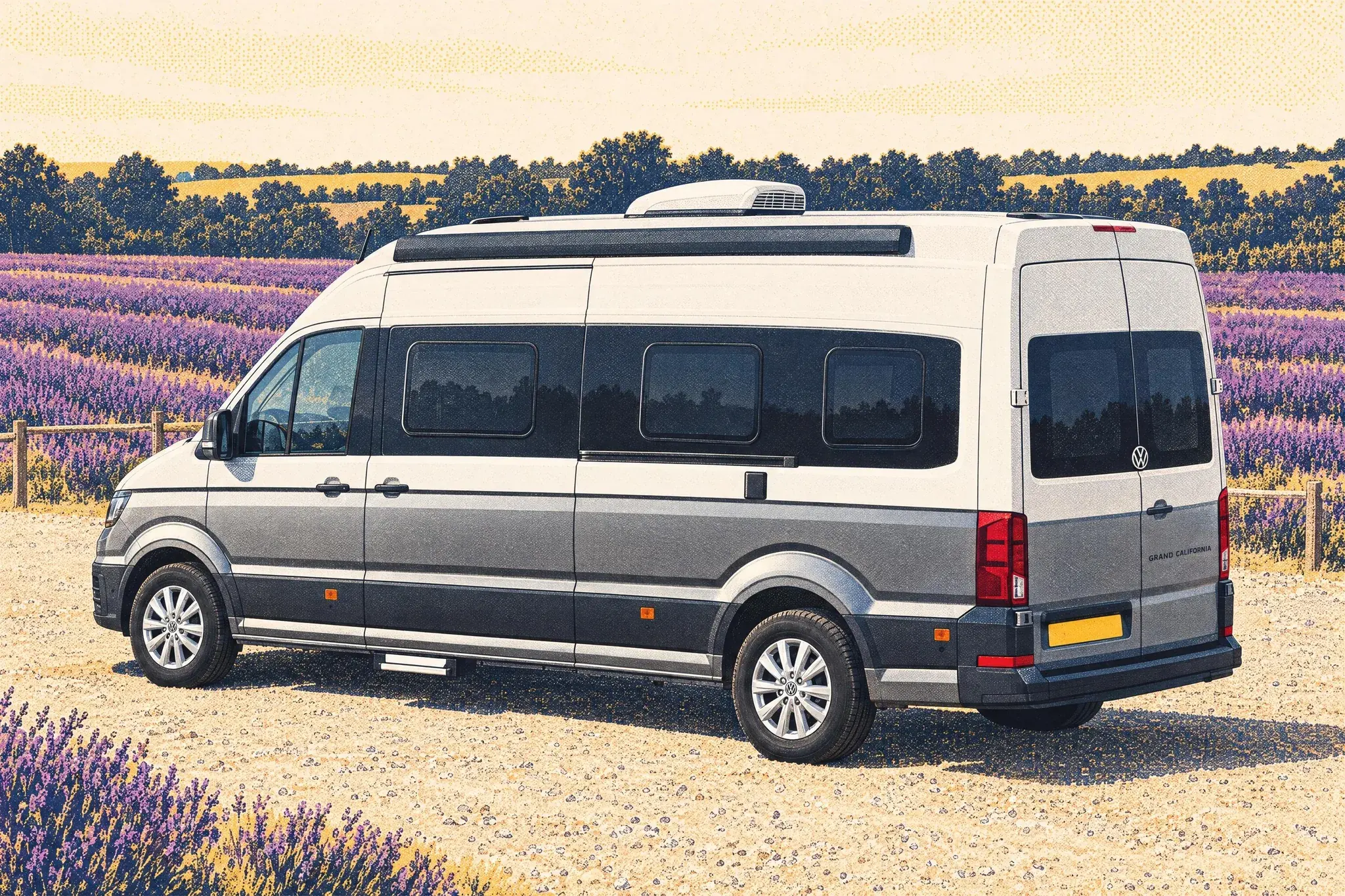
Campervan air conditioning: the honest UK guide for motorhomes and vans
A practical look at whether air conditioning is worth fitting to your van, the real pros and cons, the main types, what it takes to run off-grid, and which system suits which budget.
Campervan Tech & Electrics
26 min read
Off-grid for real: what 100Ah lithium and Alde heating get you in a 4x4 van
An honest, detailed look at what a single 100Ah lithium battery and an Alde wet heating system actually deliver in a 4x4 campervan, with real UK figures, day counts, and the mistakes that catch people out.