
Campervan insurance: what you need, and how to pay less

Written by
Arthur
Arthur writes buying guides, comparisons, and in-depth explainers to help readers choose the right campervan or motorhome with confidence.
The short answer
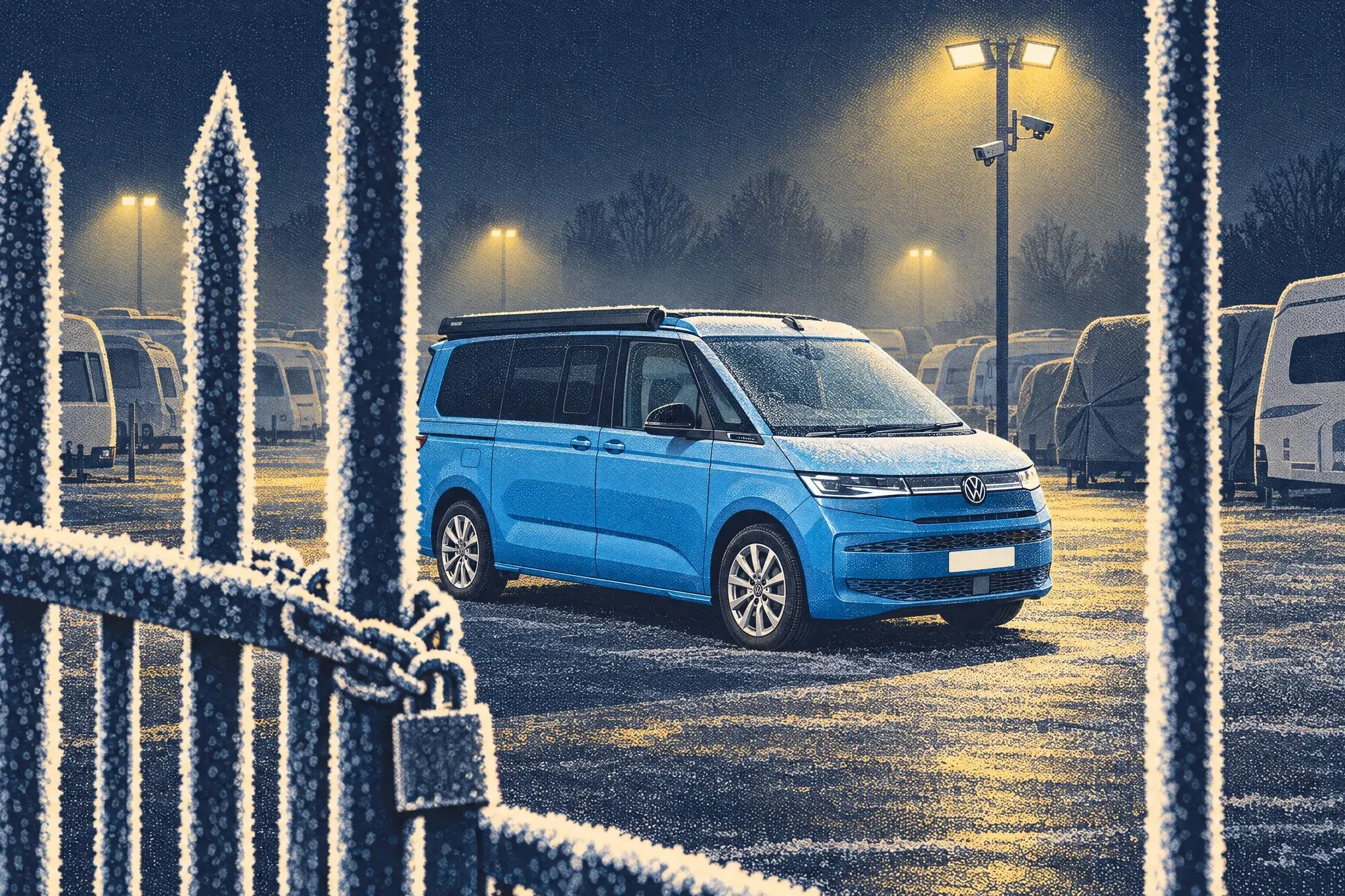
Campervan insurance is usually cheaper and more generous than people expect, because campers are driven carefully for few miles by sensible owners, and that is genuinely good news, though it does come with its own rules a car policy does not. Use a specialist campervan or motor caravan policy that covers the habitation area, fitted furniture, gas, leisure battery and gear. The single most important choice is agreed value over market value, so that a write-off pays what the van is actually worth to you. Declare every modification, like the pop-top and the solar, or a claim can be refused. To pay less, lean on a specialist insurer, limited mileage, secure storage and good security, which stack up to make agreed-value cover genuinely affordable. Here is exactly what you need, and how to pay less.

Insurance is the part of campervan ownership nobody enjoys thinking about, which is exactly why so many people get it slightly wrong. They insure a £50,000 camper on the wrong kind of policy, or fail to mention the pop-top roof and the solar panel, or assume the value the insurer will pay is the value they have in their head, and then discover the gap at the worst possible moment, after a fire, a theft or a write-off, when the cheque that arrives is thousands short of what the van was worth or what they owe. It's a dull subject with expensive consequences, which is the worst combination, and it deserves a proper, honest explanation.
The good news is that campervan insurance is usually cheaper and more generous than people expect, because campers are driven carefully, for few miles, by sensible owners, and specialist insurers price that in. The bad news is that it has its own rules and traps that car insurance doesn't, and the defaults are not always in your favour. So this is the plain-English guide: why a camper needs its own kind of policy, the single most important choice you'll make, what's actually covered, how to declare a conversion properly so a claim isn't refused, and how to pay less without leaving a hole in your cover. Get it right once and it protects a major asset for a modest sum. Get it wrong and the saving is illusory.
Why campervan insurance is its own thing
A campervan is a strange hybrid in insurance terms: it's a vehicle, but it's also, in effect, a small home full of belongings, and a standard car or van policy isn't built for that. This is why you want a specialist campervan or motor caravan policy rather than squeezing a camper onto an ordinary motor policy. A specialist policy understands that the thing it's insuring has a habitation area, fitted furniture, a gas system, a leisure battery, an awning and a cupboard full of camping gear, and it's designed to cover all of that, which a car policy simply isn't.
There's a pleasant surprise here too: campervan insurance is often cheaper than insuring an equivalent van or even a car, because the risk profile is so favourable. Campers cover low annual mileage, they're driven gently and rarely in rush-hour traffic, they're usually owned by older, experienced drivers, and they spend most of the year parked up rather than out on the road. Insurers know all this, and the premiums reflect it. So the instinct to save money by avoiding a specialist policy is usually backwards: the specialist policy is both better and frequently cheaper, and it's the right starting point for anyone insuring a camper.
The single most important choice: agreed value versus market value
If you take one thing from this whole guide, take this. When you insure a campervan, there are two fundamentally different ways the insurer can decide what to pay if the van is written off or stolen, and the difference can be thousands of pounds. The default on many policies is market value, where the insurer decides, at the time of the claim, what they think the van was worth, and pays that. The problem is that their idea of the value and yours can differ sharply, especially for a camper, and especially for a converted or modified one, because there's no simple price guide for a self-built van or a tastefully upgraded camper the way there is for a standard car.
The alternative, and the one to seek out, is agreed value. Here you and the insurer agree, in writing and upfront, exactly what the van is worth, usually supported by photographs and sometimes a valuation, and that's the figure they pay out, no argument, if the worst happens. For any campervan that's been converted, modified, lovingly maintained or is in any way non-standard, agreed value is close to essential, because it's the only way to be sure you'll be paid what the van is genuinely worth rather than what an algorithm guesses for a vaguely similar vehicle. It can cost a little more, and it requires you to do the work of documenting the van, but it's the difference between being made whole after a disaster and being left badly out of pocket. For a self-build especially, where the market value of "a panel van of that age" bears no relation to the £40,000 of work and kit inside it, agreed value isn't optional; it's the whole point.
Levels of cover
Beyond the value question, campervan policies come in the same three levels as car insurance, and the choice is usually straightforward. Third party only is the legal minimum, covering damage you do to others but nothing to your own van, and for a valuable camper it's almost always false economy. Third party, fire and theft adds cover for your van being stolen or burnt, which matters, but still leaves you exposed for accident damage. Comprehensive covers damage to your own van as well, including in an accident that's your fault, plus the habitation cover that makes a camper policy worthwhile, and for any campervan worth a meaningful sum it's the sensible choice. The premium gap between third party and comprehensive on a carefully-driven camper is often smaller than people assume, precisely because the risk is low, so comprehensive is usually both the safer and the better-value option.
What a campervan policy covers that a car policy doesn't
The real value of a specialist policy is in the things a car policy never touches, the home part of the home on wheels. A good campervan policy will cover the contents and personal effects you carry, the camping gear, the bedding, the kitchen kit, up to a stated limit, which a motor policy won't. It will cover the awning, the fitted appliances, the leisure battery, the gas system and the accessories that are part of the van. It typically includes cover for the conversion itself and the fitted furniture, and often extends to things like solar panels and bike racks once they're declared. Some policies add useful extras such as cover for the van as a temporary home if it's damaged on a trip, or replacement of keys, or alternative accommodation.
The crucial point is that these things are only covered if the policy knows about them, which brings us to the most important habit in campervan insurance: declaring everything. Every modification, every fitted accessory, every valuable item of equipment needs to be on the policy, because an undeclared modification can give an insurer grounds to reduce or refuse a claim. The pop-top roof, the flares, the solar array, the upgraded battery system, the towbar, the bike rack, all of it should be declared, and we flag this in our guides to pop-top roofs and other conversions for exactly this reason. It feels tedious, and a good specialist insurer expects these things and rarely loads the premium much for them, but the few minutes it takes to list them is what stands between you and a refused claim.
Classes of use, mileage, and the things that cut your premium
A few practical levers control what you pay. Class of use describes what you use the van for, and for most owners that's social, domestic and pleasure, leisure trips and personal use, which is the cheapest category; you'd only need more if you used the van for commuting or business. Annual mileage is a big one: campers do few miles, and a limited-mileage policy, capping you at say five or seven thousand miles a year, can cut the premium noticeably, which suits the typical owner perfectly since they rarely come close to the limit. Just be honest about your real mileage and don't cap yourself below what you'll actually do.
Security and storage are the other big levers. Alarms, immobilisers and especially a tracker reduce the theft risk and the premium, and where you keep the van matters: a locked garage or a secure, accredited storage site is cheaper to insure than the roadside, sometimes much cheaper. Many insurers also recognise a no-claims discount, sometimes transferable from your car, and offer discounts for membership of an owners' club, which can pay for itself. Stack these up, a specialist policy, comprehensive cover with agreed value, social-domestic use, sensible limited mileage, good security and secure storage, and you often end up with broad, reliable cover for a genuinely modest sum, which is one of the quiet pleasures of camper ownership and a real factor in the running-cost side of the rent-versus-buy decision.
Self-builds and conversions: declare everything, value it properly
Self-built and converted vans are where insurance gets most important and most often gets botched. If you've converted a panel van yourself, or bought one someone else converted, the insurer is covering something that doesn't exist in any standard price guide, and the way you set the policy up matters enormously. Three things are key. First, get agreed value, for the reasons above, supported by good photographs of the finished van inside and out and, ideally, a record of what the conversion cost; for a self-build, keeping receipts for the major components as you go is invaluable, because it evidences the value you'd otherwise struggle to prove. Second, declare the conversion honestly and in full, what the van is, what's been done to it, and every significant system and modification, so there are no surprises at claim time. Third, use an insurer that genuinely specialises in conversions and self-builds, because not all will cover them, and those that do understand them will give you better cover and fewer arguments.
There's also a classification question that interacts with insurance: whether the DVLA records the vehicle as a motor caravan or still as a panel van. Reclassification can affect which insurers will cover you and on what terms, and the rules for it have tightened in recent years. It's worth understanding your van's status and making sure the policy matches the vehicle's actual description, because a mismatch between what the van is, what the V5C says and what the policy assumes is the kind of thing that causes trouble in a claim. When in doubt, talk it through with a specialist broker who deals with conversions daily; it's their bread and butter, and a ten-minute conversation can save a world of grief.
Day van, campervan or motorhome: which policy do you need?
The right policy depends on what your vehicle actually is, and there are three broad cases. A full campervan or motorhome, with fixed cooking and sleeping facilities, whether or not it's reclassified by the DVLA, wants a campervan or motor caravan policy, the specialist product this whole guide is about. A coachbuilt or larger motorhome is the same, just a bigger version, and you'll want to make sure the breakdown and recovery cover suits the size and weight, which we'll come to.
The trickier case is the day van, a van with comfortable seats and windows, used for trips and the odd night away, but without a fixed kitchen or fixed bed, the kind of versatile vehicle a lot of people start with. A day van sometimes falls between categories: it may not qualify as a motor caravan, but it's not really a working van either, and some specialist insurers offer day-van or leisure-van policies designed exactly for it. The key is to describe the vehicle accurately and find the policy built for what it genuinely is, rather than forcing it onto an ordinary van policy that won't cover the leisure use and contents, or claiming it's a full motorhome when it isn't. If you're unsure which bucket your vehicle falls into, that's another good reason to use a specialist broker rather than a price-comparison site, because the categorisation is exactly where the generic sites get campers wrong.
European cover and breakdown
Two more things worth getting right if you tour. First, European cover: if you take the van abroad, check how many days of overseas use the policy includes, because it varies a lot between insurers, and a policy that's generous on UK cover can be stingy on continental days. For anyone planning long European trips, the number of days covered abroad can be a deciding factor between policies, so read it before you buy rather than discovering the limit halfway across France.
Second, breakdown and recovery, which for a campervan is not the same as for a car. A camper is larger, heavier and often taller than a standard vehicle, and not every recovery service can deal with one, nor get it, and you, home from the far side of the country or the continent. Specialist motorhome breakdown cover exists precisely because a standard car recovery policy may not be equipped for the size, and being recovered in a large van by a service that can't actually transport it, or can't take your family too, is a miserable way to learn the difference. If touring matters to you, make sure the recovery cover is appropriate to the vehicle and includes getting you home, not just to the nearest garage.
Laid-up and seasonal cover
One last money-saving point for the many owners who only use their van for part of the year. If the camper is laid up over winter, off the road and not in use, some insurers offer laid-up cover, which keeps it protected against fire and theft while it's stored but drops the on-the-road elements you're not using, at a reduced premium. It's not right for everyone, and you must not drive the van while it's laid up, but for an owner who genuinely parks the van from autumn to spring, it's a sensible way to keep the vehicle protected without paying full road cover for months when it never turns a wheel. As with everything here, the key is matching the cover to how you actually use the van rather than paying for cover you don't need or, worse, leaving a gap where you do.
What a campervan policy won't cover
It's just as important to know the gaps as the cover. Insurance is built to pay for sudden, accidental loss, not for the slow consequences of age and neglect, so a few things are routinely excluded and catch owners out. The big one for campers is damp and water ingress. A policy will pay for storm damage or a sudden leak caused by an accident, but the gradual water ingress that rots a poorly-maintained motorhome over years is treated as wear and tear, not an insured event, and won't be covered. That's a major reason an annual habitation check and good maintenance matter so much: insurance is no substitute for looking after the van, and the most common expensive problem in older campers, hidden damp, is precisely the one a policy won't rescue you from. Our guide to what to check when buying a used van goes into spotting damp before it becomes your problem.
Other common exclusions follow the same logic. General wear and tear, mechanical breakdown and gradual deterioration aren't insured events; that's what servicing and breakdown cover are for. Belongings left outside the van, or valuables beyond the policy's contents limit, may not be covered, so check the limit against what you actually carry. Driving the van while it's on laid-up cover, or using it for a purpose you haven't declared, can void a claim. And, to repeat the drumbeat of this whole guide, anything you failed to declare, a modification, an extra driver, your real mileage, can give the insurer grounds to refuse. None of these gaps is unreasonable once you understand the principle: insurance covers the sudden and accidental, while the gradual and the foreseeable remain your responsibility. Knowing the line in advance is what stops a refused claim coming as a nasty shock.
How to get it right: a checklist
Pulling it together, here's the short version. Use a specialist campervan or motor caravan insurer, not a mainstream car policy or a comparison site, because they understand the vehicle and are often cheaper anyway. Choose comprehensive cover for anything valuable. Insist on agreed value, especially for any converted, modified or non-standard van, and document the van with photographs and receipts to support it. Declare everything, every modification and fitted accessory, because undeclared changes sink claims. Match the policy to what the vehicle genuinely is, day van, campervan or motorhome, and make sure its DVLA description and your policy agree. Set a realistic limited mileage and use good security and secure storage to cut the premium. And check the European days and the breakdown cover if you tour. Do those things and you'll have broad, dependable cover for a modest sum, and no nasty surprises in the one moment it has to pay out.
Common questions
Is campervan insurance cheaper than car insurance?
Often, yes. Campervan insurance is usually cheaper and more generous than people expect, because campers are driven carefully, for few miles, by sensible owners, and specialist insurers price that in. The catch is that it has its own rules and traps a car policy does not, so the savings come from getting the right specialist policy, not from squeezing a camper onto an ordinary motor policy.
What is agreed value, and do I need it?
Agreed value is where you and the insurer fix the van's value up front, so a write-off, theft or fire pays that figure rather than a disputed market value. It is the single most important choice, especially for a self-build, where the market value of an old panel van bears no relation to the 40,000 pounds of work inside it. Without it, the cheque can arrive thousands short.
Do I have to declare modifications on campervan insurance?
Yes, declare everything: the pop-top roof, solar panel, leisure battery, awning and any conversion work. An undeclared modification can invalidate a claim, so the saving from not mentioning it is illusory. Describe the vehicle accurately and make sure the policy, the V5C and what the van actually is all match, because a mismatch causes trouble at claim time.
What kind of insurance does a day van need?
A day van, with seats and windows but no fixed kitchen or bed, often falls between categories: not quite a motor caravan, not really a working van. Some specialist insurers offer day-van or leisure-van policies built exactly for it. The key is to describe the vehicle accurately and find the policy designed for what it actually is, rather than forcing it onto an ordinary van policy.
How can I reduce my campervan insurance premium?
Choose a specialist insurer, use the van for social and leisure use only, set a realistic limited-mileage policy since campers do few miles, fit good security like an alarm and tracker, and keep the van in a garage or secure storage rather than on the road. A no-claims discount, sometimes transferable from your car, and an owners'-club discount help too. Stacked together these make agreed-value cover genuinely affordable.
Does campervan insurance cover damp or water damage?
Generally only if it is sudden and accidental, such as storm damage or a leak caused by an accident. The slow water ingress and damp that affects poorly-maintained campervans over time is treated as wear and tear and is not covered, which is exactly why an annual habitation check and good maintenance matter. Insurance protects against sudden disasters, not the gradual consequences of neglect.
The reachable bit
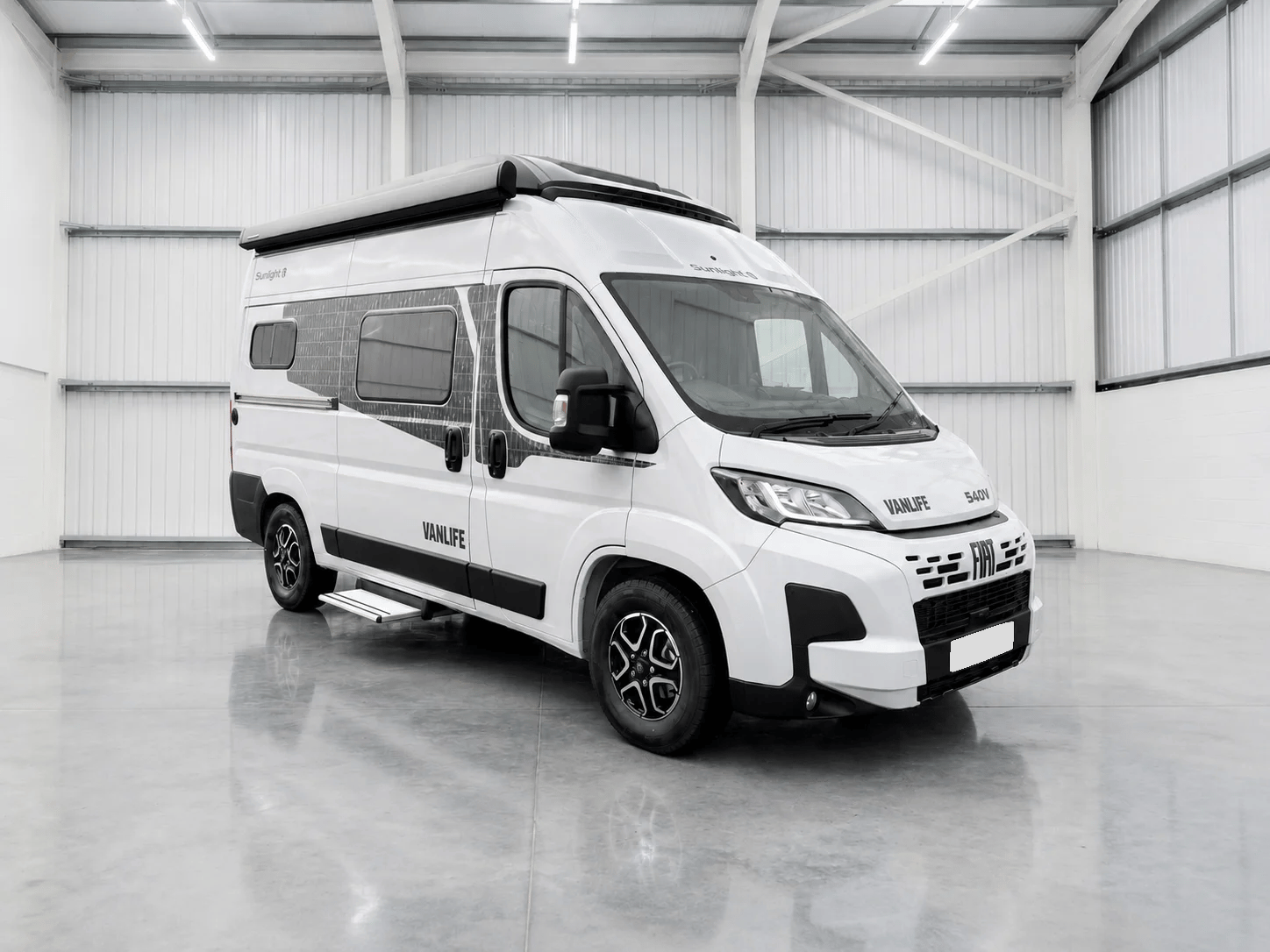
The camper you fall for is rarely the one you can afford. That gap is the whole reason Campervan.win exists. Right now we’re giving away the Sunlight Vanlife, worth around £65,000, and closing that gap is the point: capped entries so the odds stay honest, £10 a ticket, a maximum of five per person, £500 to a UK charity from every full draw, the winner picked by a public randomness beacon anyone can re-check, and one person driving away in the van itself.
Enjoyed this post?
Get more honest campervan guides like this one in your inbox.
You’re in!
Check your inbox. We’ve just sent you a welcome email.

About the author
Arthur
Arthur writes buying guides, comparisons, and in-depth explainers to help readers choose the right campervan or motorhome with confidence.
Keep Reading
Related Reading
Thoughtful articles that build on what you’ve just read.
New & Noteworthy
12 min read
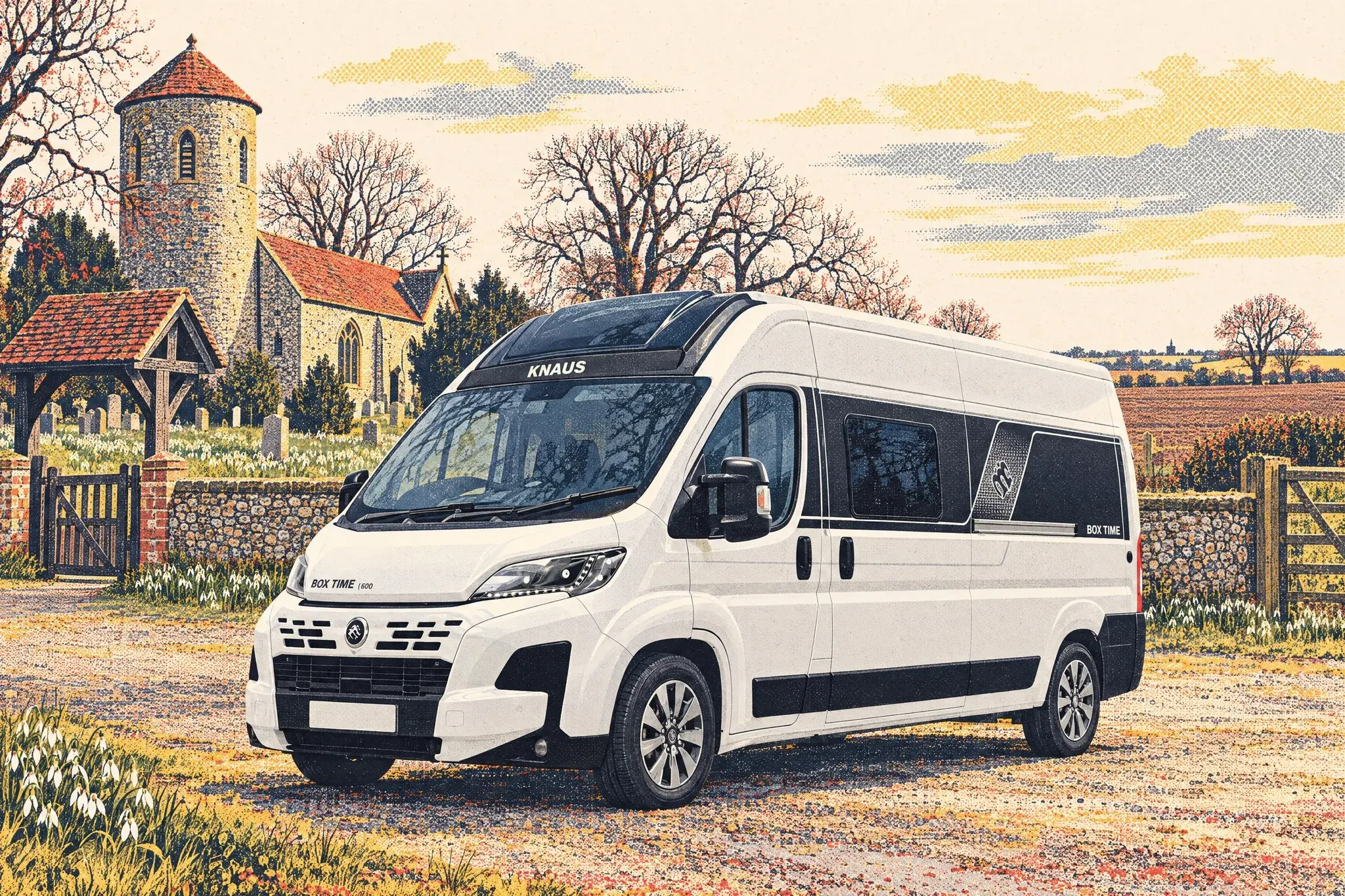
Knaus Boxtime 600 ME (2027): twin singles in 6 m, and the payload figure to question
Knaus's new Boxtime 600 ME squeezes two lengthways single beds into a 5.99 m van from £81,725. We lay out what that layout gives a couple, run the weight sums with Knaus's own figures, and explain why the 211 kg 'maximum payload' line needs a question before you sign.
New & Noteworthy
10 min read
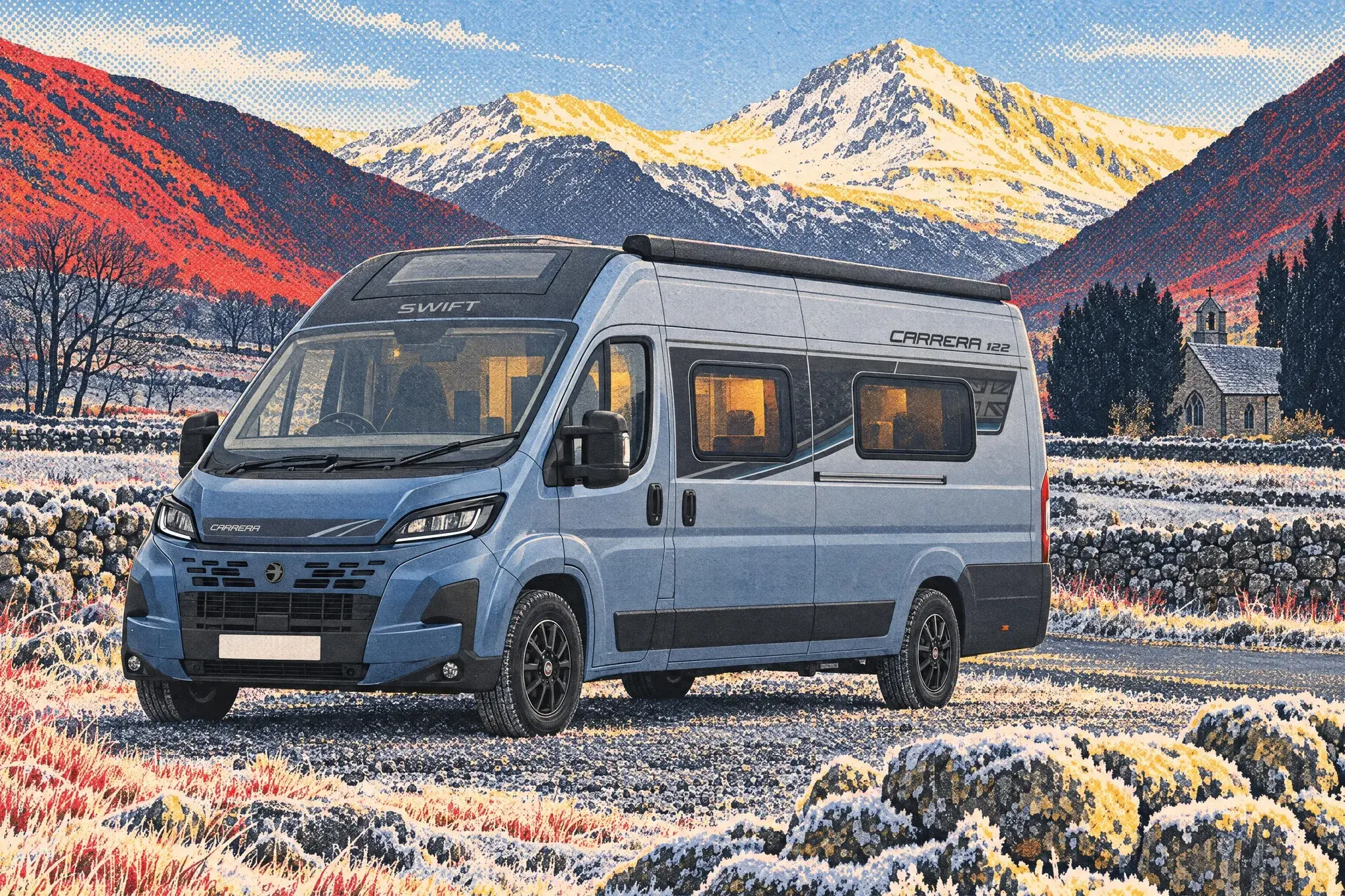
Swift Carrera goes gas-free for 2027: 340Ah lithium, diesel heat and induction cooking
Swift has taken the gas out of its Carrera campervan for 2027, swapping bottles for a 340Ah lithium battery, diesel heating and an induction hob. Here is what that means across a real UK year, how it compares with the cheaper Merlin, and the one question to ask at the NEC.
New & Noteworthy
10 min read
British campervan converters at the NEC 2026: who builds on what, and for how much
A stand-by-stand map of the British campervan converters at the Motorhome and Caravan Show 2026: the vans they build on, their from-prices, seats, roofs and lead times, plus the four questions to put to every one of them.
Campervan Buying Guides
10 min read
Swift Merlin 2027: nine layouts from £64,190 and how to pick the right one
Swift's all-new Merlin campervan arrives for 2027 with nine layouts on the Fiat Ducato panel van. We sort them into four families, work the payload sum on a four-seat version, and explain what the roof, the automatic and the prices mean for your choice.